Overall impression The overall tenor of the reviews is strongly positive: families repeatedly describe a small, home-like facility with attentive, long-tenured staff and a hands-on owner/administrator. Many reviewers emphasize cleanliness, a calm atmosphere, and individualized attention that they consider superior to larger, institutional settings. Several accounts highlight effective partnerships with hospice and home-health providers, routine physician access, and visible infection-control measures during the pandemic.
Care quality and staff Care quality is consistently framed around continuity and relationship-based caregiving. Strengths noted include long-term caregivers who know residents’ preferences, prompt responses to changing needs, and a director who remains involved in daily operations. These features appear to support dignity, consistent medication administration for many families, and tailored personal care. However, a minority of reviews describe concerns about hygiene- and incontinence-care practices and instances of inattentiveness or unprofessional conduct; these comments point to variability in front-line performance and a need to confirm current staffing practices and supervision.
Dining and activities Dining is generally praised: meals are described as nutritious, homelike, and well liked by residents. Several families specifically mention improved dining oversight and residents enjoying meal times. Activities tend toward in-house, individualized programming — crafts, light exercise, socialization and seasonal events — rather than extensive off-site excursions. Reviewers who value small-group, routine activities find this a good match; those seeking robust transportation or frequent outings should verify the facility’s activity calendar and mobility supports.
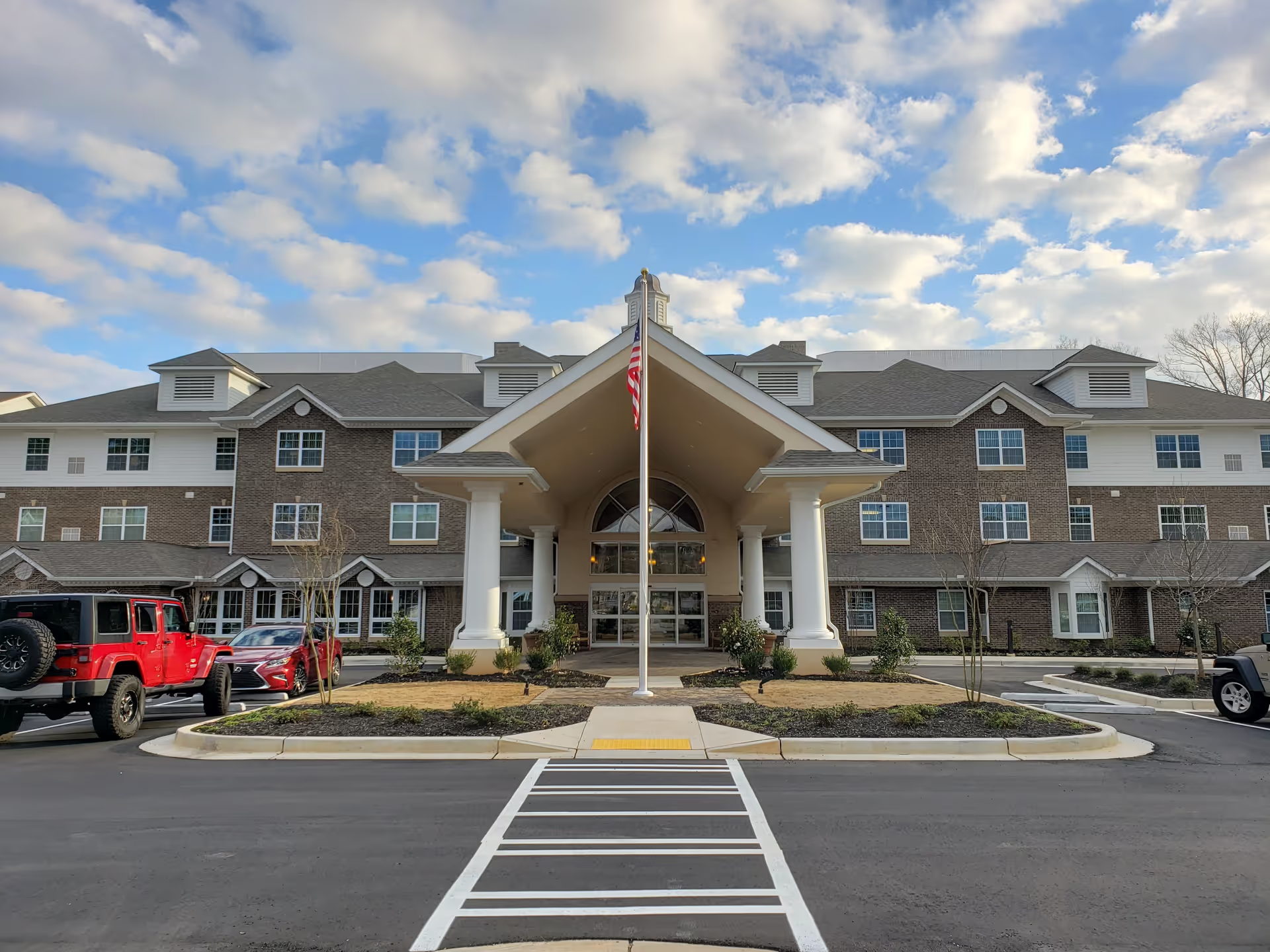
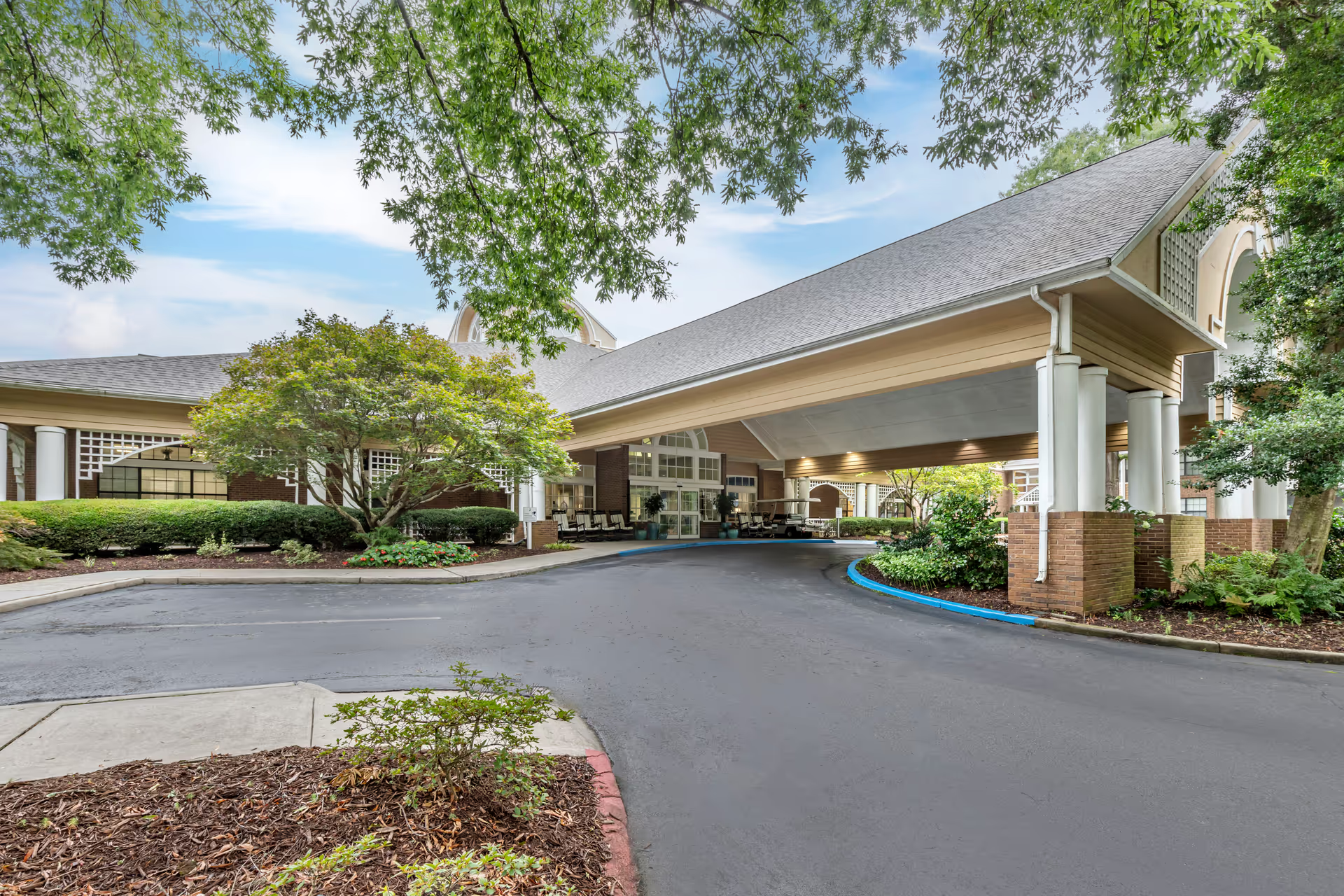
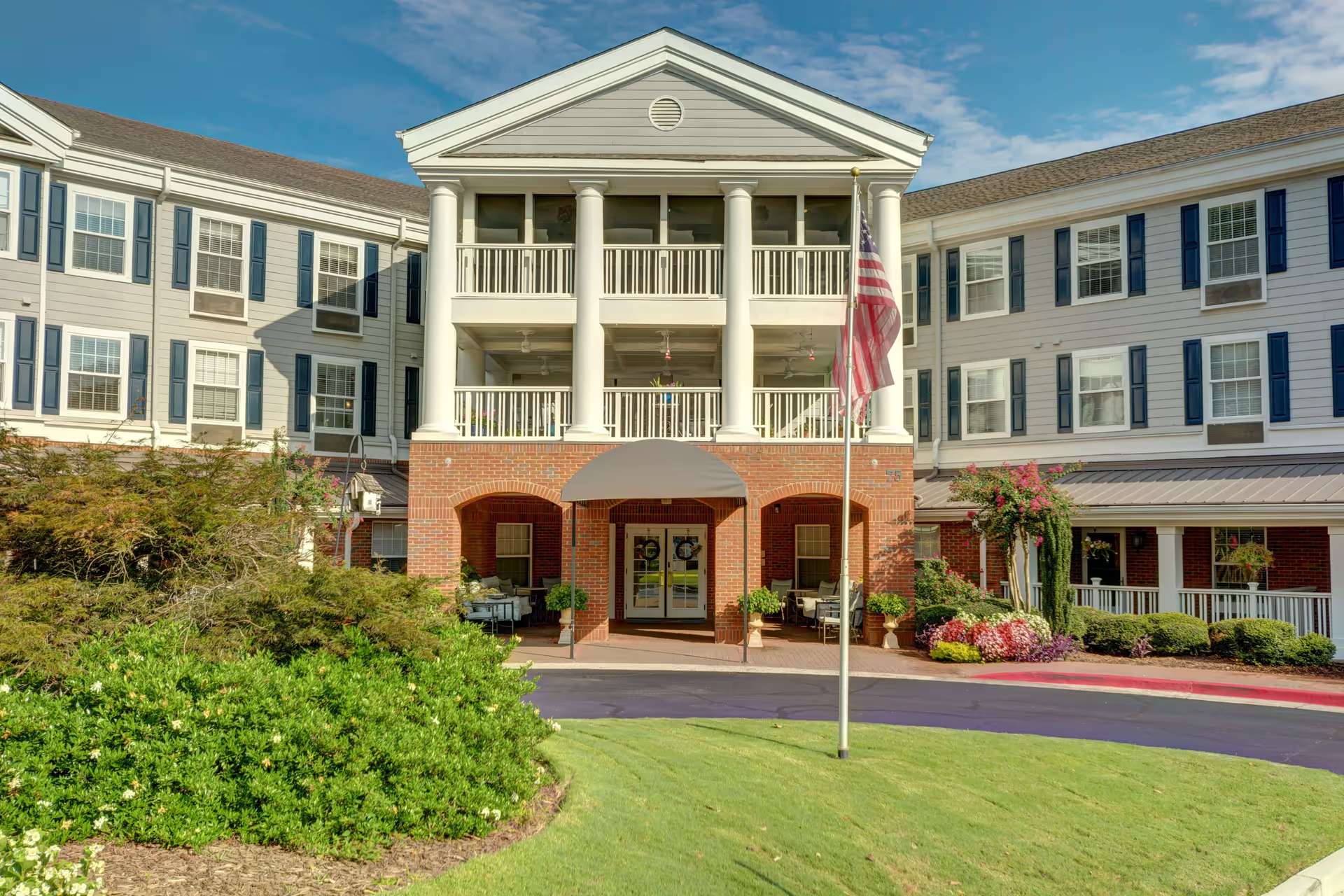
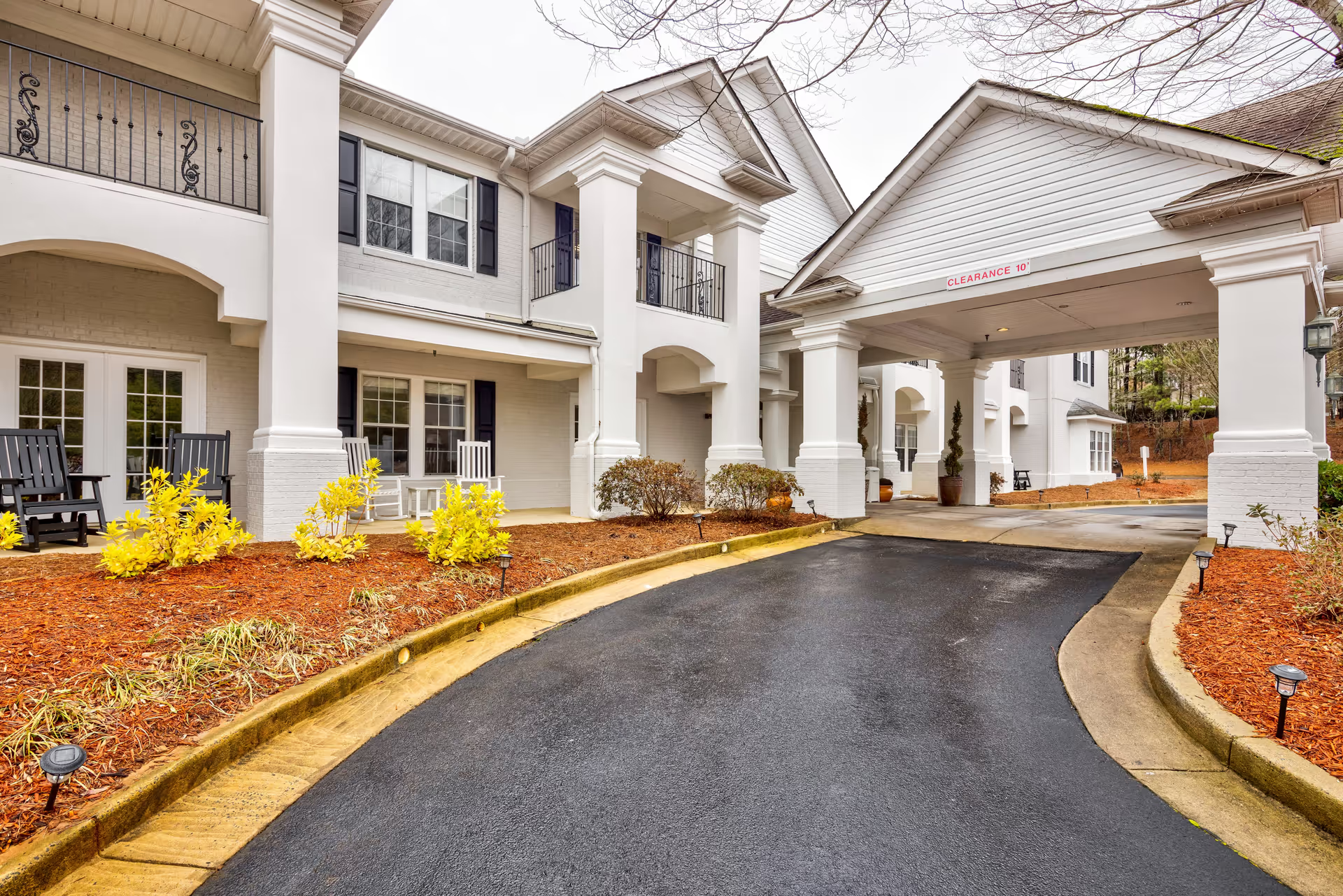
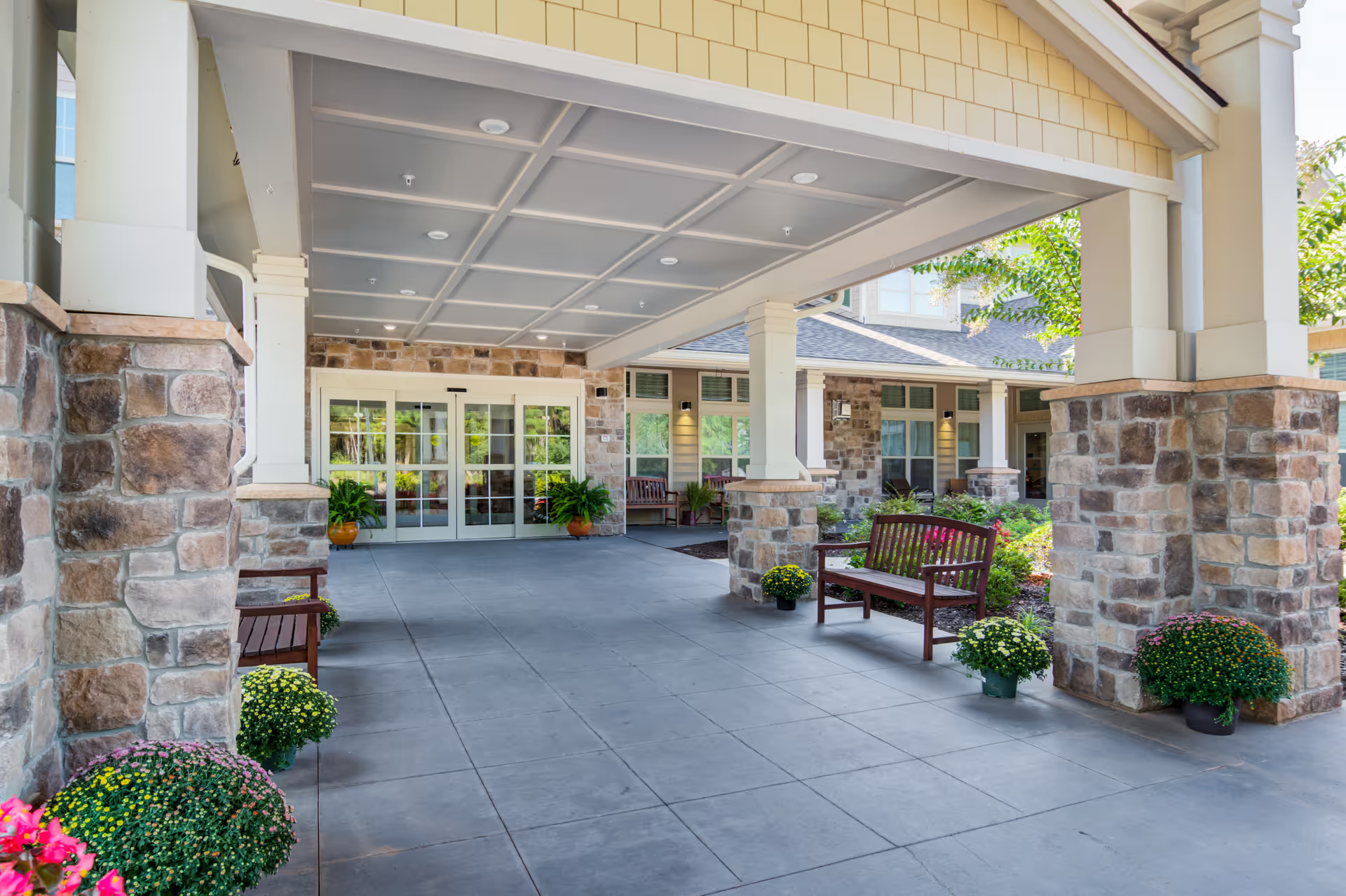
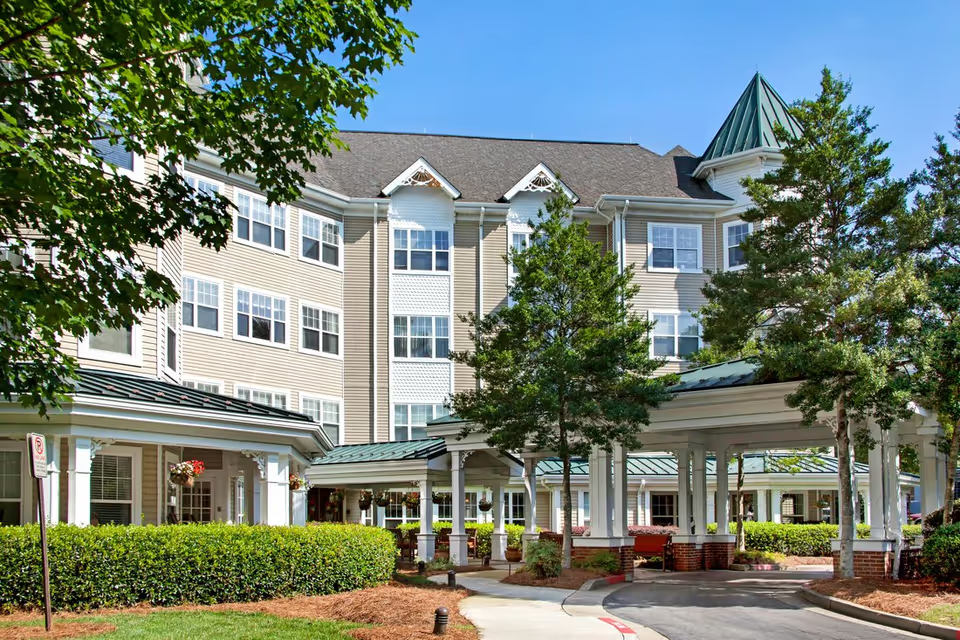
Facilities and safety The physical environment is repeatedly described as clean, bright, single-level, and well maintained, with private rooms and en‑suite baths in many units. Common areas and a screened porch or outdoor spaces are noted as pleasant and family-friendly. Maintenance and practical supports (handyman, timely repairs) are cited as strengths. At the same time, the facility’s small scale is meaningful: it contributes to the home-like feel but also limits on-site specialty services and capacity for very high-acuity needs.
Management and notable patterns Management and leadership presence is a clear positive for many families — a hands-on director who communicates proactively and coordinates outside providers. Yet there are recurring mentions of management or staffing transitions, and a few strongly negative accounts alleging abrupt visitation restrictions, contract disputes, and eviction-related concerns. These appear to be isolated but serious enough that prospective families should review the contract terms, visitation policies, and grievance procedures in person. Likewise, verify current staffing stability and oversight practices to assess whether earlier problems have been addressed.
Bottom line and suggested verifications Oak Leaf Manor presents as a small, well-maintained, relationship-driven home with strengths in continuity of care, family communication, hospice collaboration, and a pleasant physical setting. Prospective residents and families should confirm (1) current staffing ratios and turnover history, (2) hygiene and incontinence-care protocols and supervision, (3) medication-administration and clinical oversight processes, and (4) written visitation and dispute-resolution policies. Those steps will help align the facility’s strong home-like model with individual care needs and expectations.