Reviews for Magnolia Place of Roswell are polarized: many families and residents describe a warm, activity-rich community with individual staff members who go above and beyond, while others raise operational concerns that affect care consistency. The facility consistently receives praise for its life-enrichment offerings — residents and families highlight a vigorous calendar of events, frequent special programs, live music and interactive activities, and an activities director who is repeatedly described as energetic, welcoming, and effective at encouraging participation.
Direct care receives mixed but specific comments. Several reviewers describe compassionate, attentive caregivers and positive clinical outcomes from on-site rehabilitation and therapy. Conversely, there are recurring operational concerns about care continuity: understaffing and the use of agency personnel are cited as contributors to missed or delayed assistance (including bathing and toileting support), inconsistent completion of weekly housekeeping and laundry tasks, and gaps in medication handling and record-keeping. A small number of accounts describe clinical consequences that led to hospitalization; these are presented in reviews as care-quality failures rather than as isolated praise points, and they underscore the importance of verifying current staffing and clinical oversight.
Dining and activities are a clear strength for many residents. Several reviews describe restaurant-style dining, flexible meal schedules, an approachable kitchen staff, and well-executed holiday and high‑tea events that engage residents personally. At the same time, others report inconsistent meal quality and occasional unacceptable dishes; this suggests variability in culinary execution and quality control rather than a uniform dining experience.
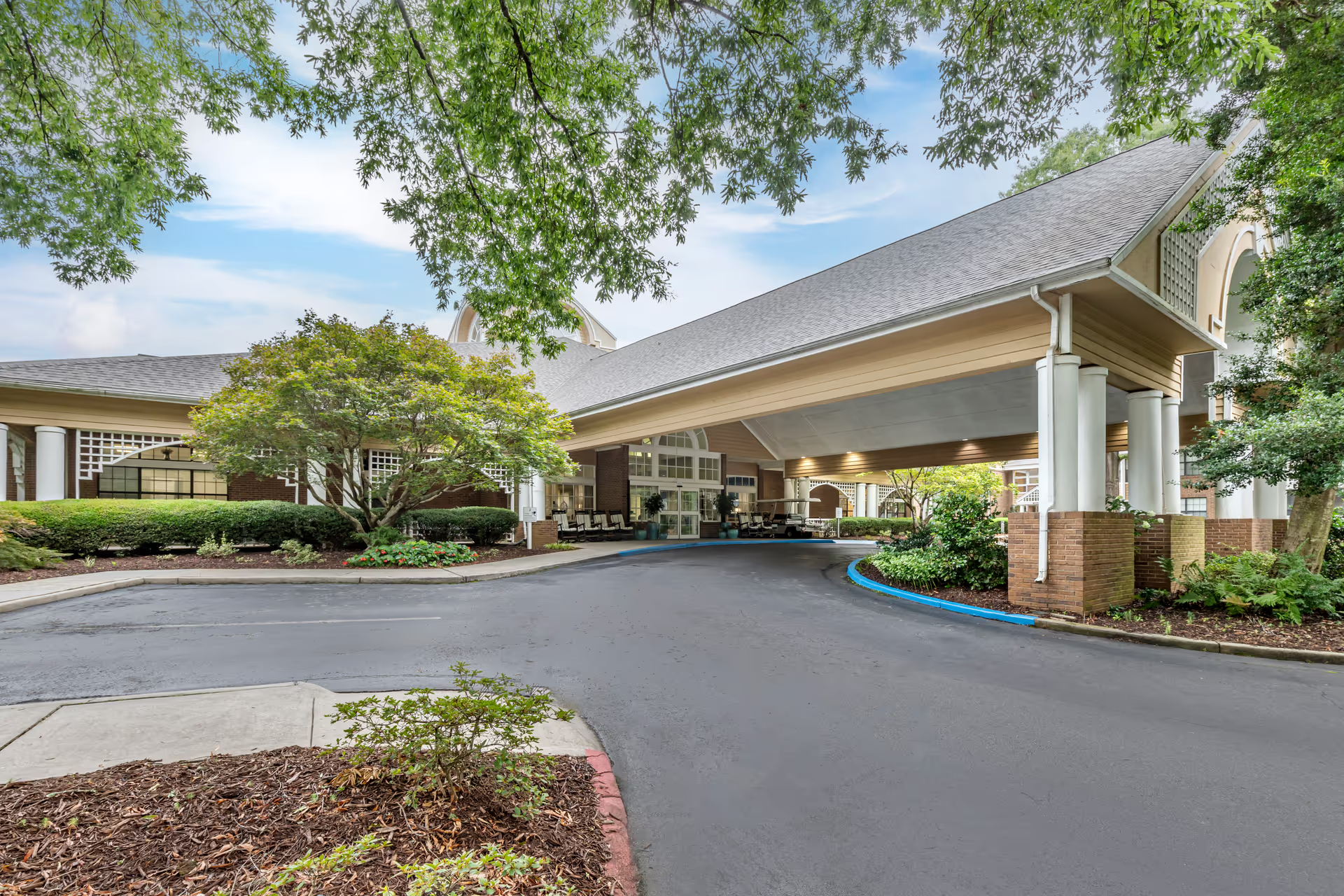
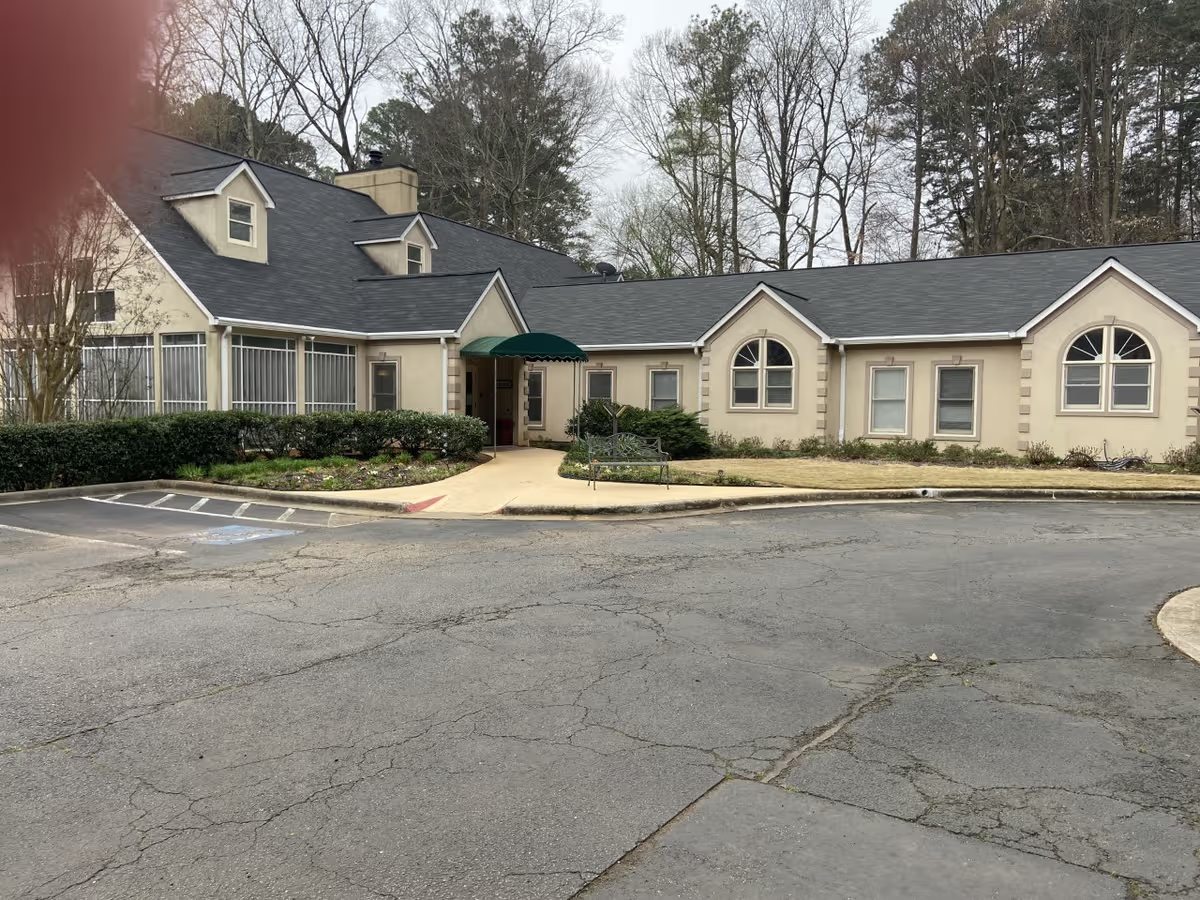
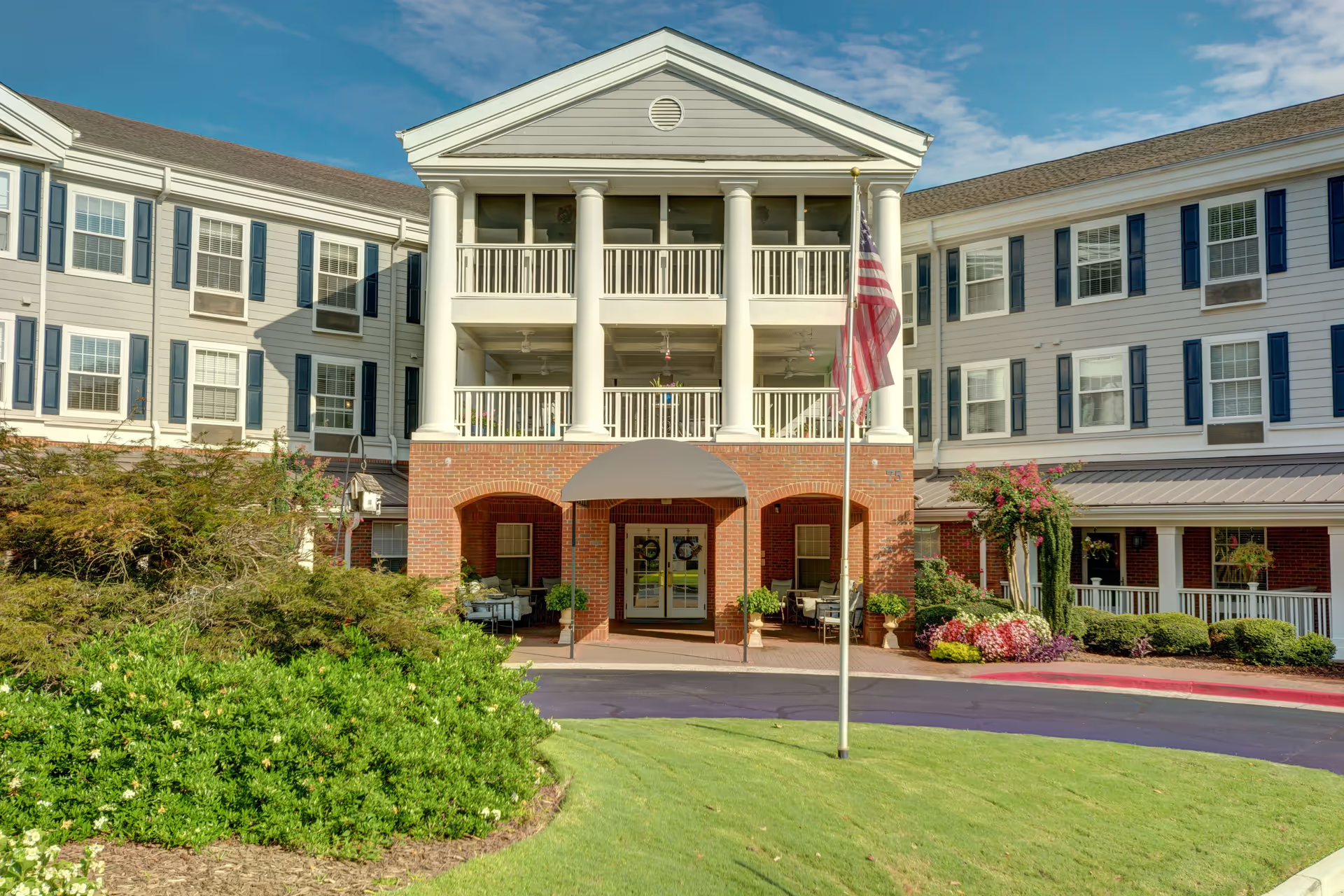
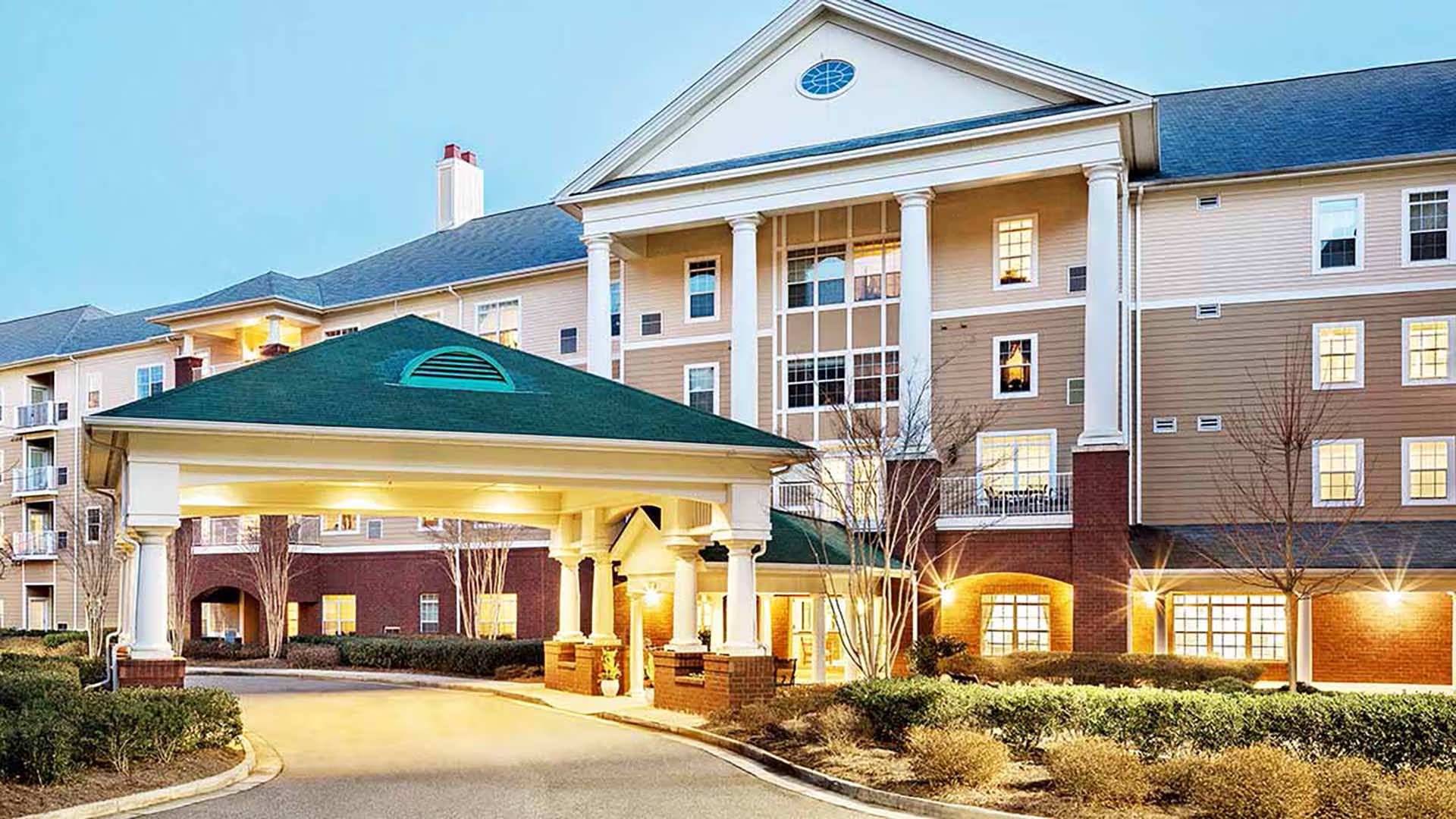
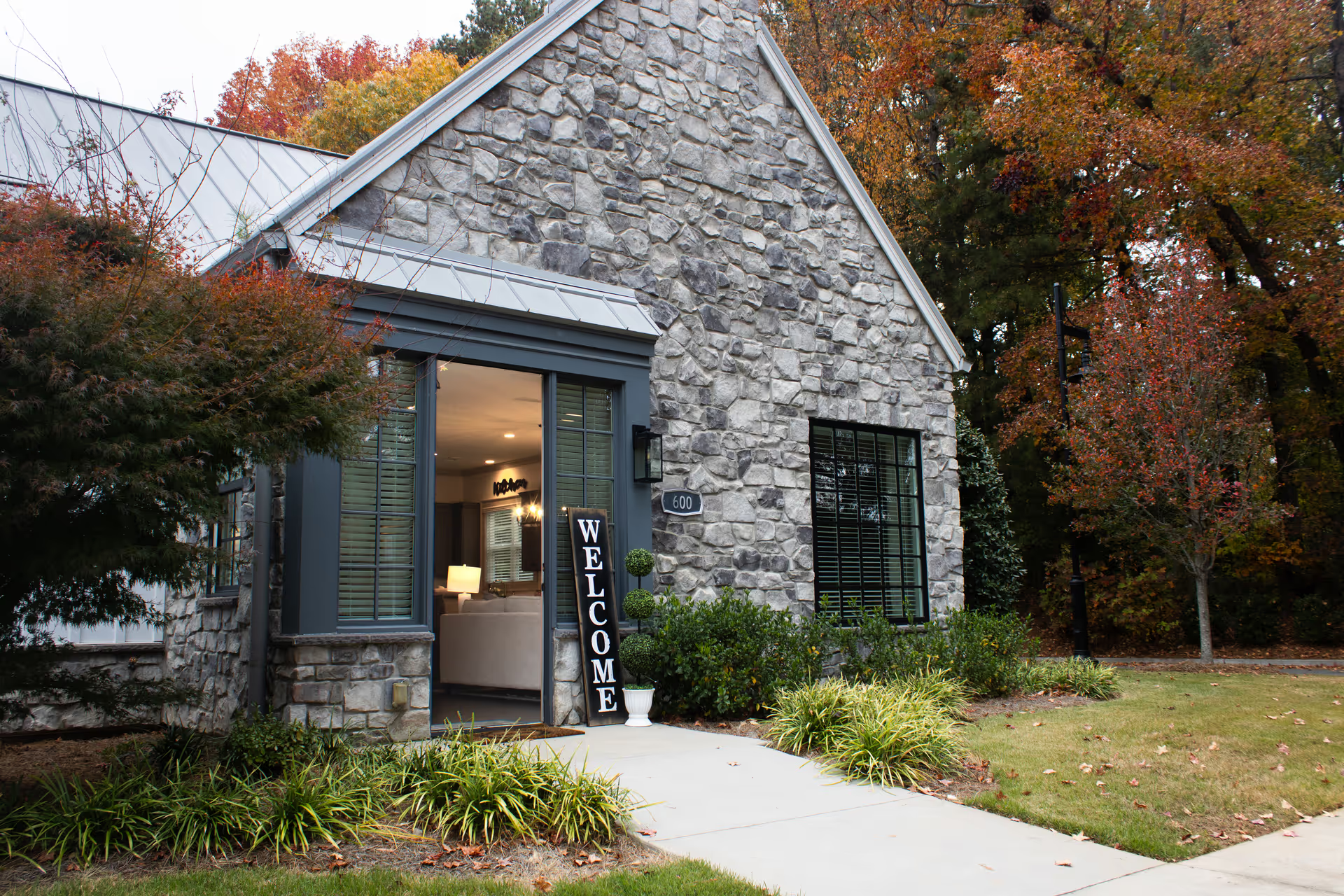
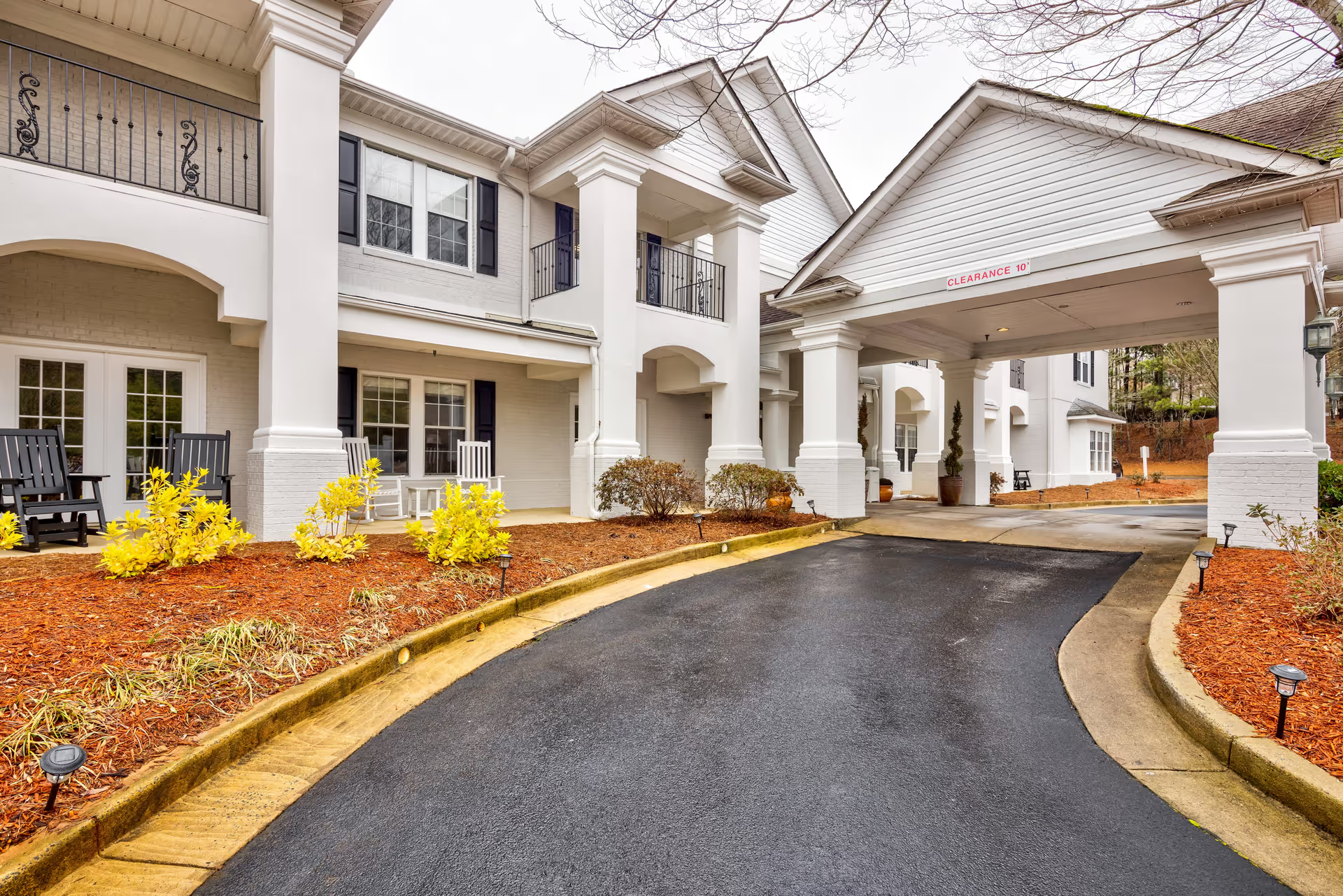
Facility condition and amenities elicit generally positive feedback for public areas and many apartments: clean, updated décor, comfortable apartment sizes, and pleasant common spaces are frequently noted. However, reviewers also identify maintenance issues in parts of the building (delayed repairs, elevator reliability, and areas perceived as older or dimly lit) and intermittent odor and pest-control concerns in select units. Security and after-hours responsiveness are called out as operational gaps in some accounts, including doors being left unsecured and slow emergency follow-up.
Management and administration present a mixed picture. The sales and touring teams receive consistently positive comments for helpfulness during move-ins and transitions. In contrast, families report frequent leadership turnover, regional management changes, and periods of perceived unresponsiveness from the business office or executive leadership. Complaints about opaque billing, unexpected care-charge increases, and difficulty obtaining clear communication about care-plan changes recur across reviews.
Notable patterns for prospective families: the resident experience at Magnolia Place appears highly dependent on current staffing stability, unit-level maintenance, and management responsiveness. The strongest, most consistent positives center on social engagement, individualized event programming, and several committed front-line staff members. The most significant risks arise from inconsistent staffing, housekeeping and medication-management practices, and administrative communication. Prospective residents and families would benefit from targeted questions at touring: current staffing ratios and agency usage, written care-plan and billing policies, medication‑administration protocols, recent maintenance logs, and examples of after-hours emergency response. Observing mealtime service and an activity period during a visit can also help assess whether the community’s strengths are realized in practice on the day of the tour.