The reviews present a mixed but clear picture of Phoenix Senior Living: the physical environment and day-to-day resident experience earn consistent praise, while organizational and operational issues recur as drivers of family concern.
Care and staff: Many reviewers describe caregivers as compassionate, attentive, and willing to go beyond baseline duties; several staff members are singled out for strong interpersonal conduct and integrity. These accounts point to instances of heart-centered, resident-focused caregiving that create a sense of safety and peace of mind for families. Counterbalancing those positives, however, are repeated notes of very high staff turnover. That churn appears to undermine continuity of care, increases training burdens, and contributes to variability in resident experience. Communication style and responsiveness from the facility leadership also draw criticism; families report unreturned calls and difficulty reaching decision-makers, which compounds worries when clinical or operational questions arise.
Dining and activities: The dining program is frequently praised for tasty, high-quality meals and attractive presentation. At the same time, reviewers describe inconsistent meal-service timing, delays in dining service, and occasional lapses in meal delivery or assistance that affect residents’ mealtime experience. Activities programming receives consistently positive feedback: a thoughtful calendar, an active committee, and well-run events contribute to social engagement and resident satisfaction.
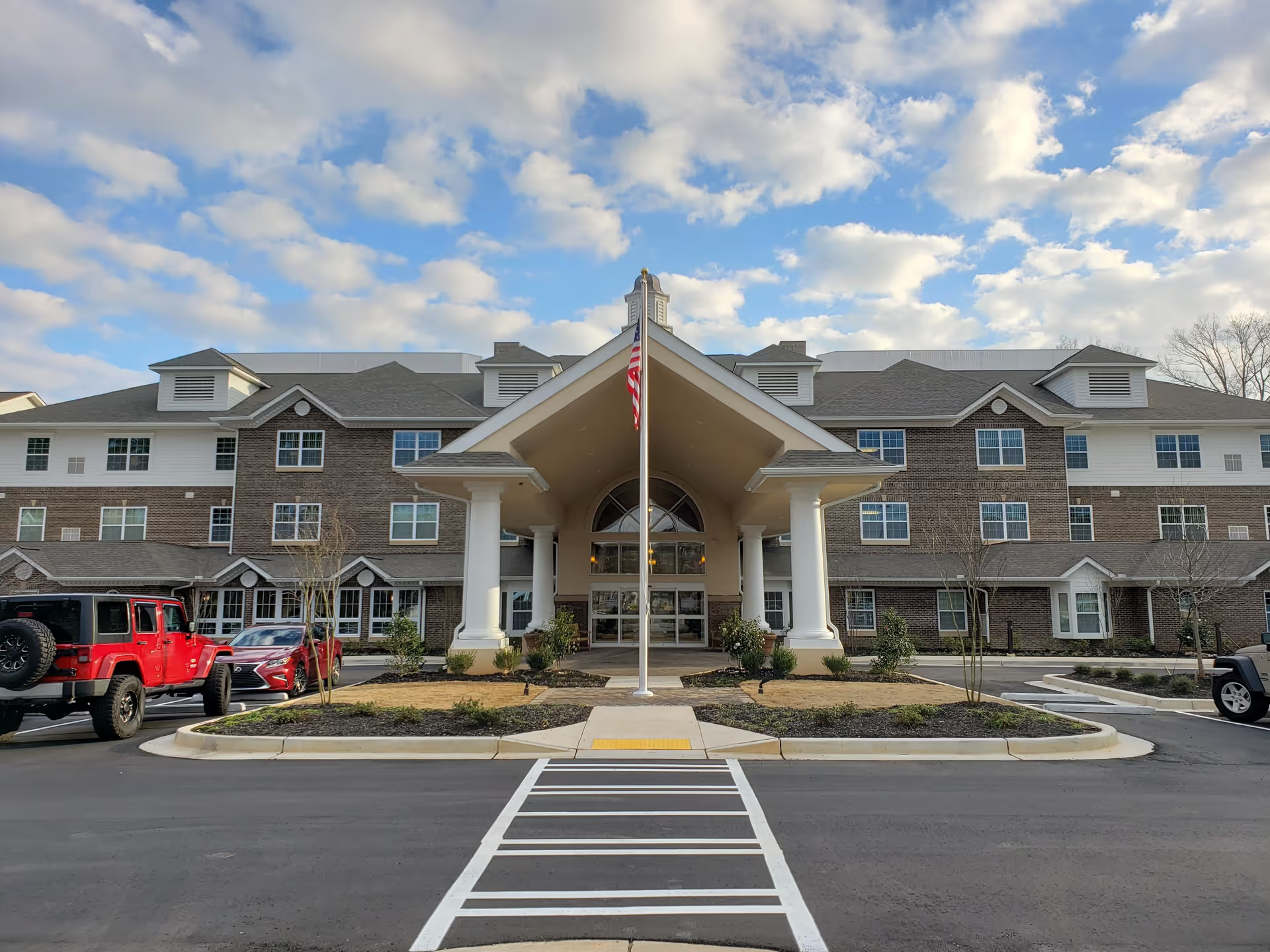
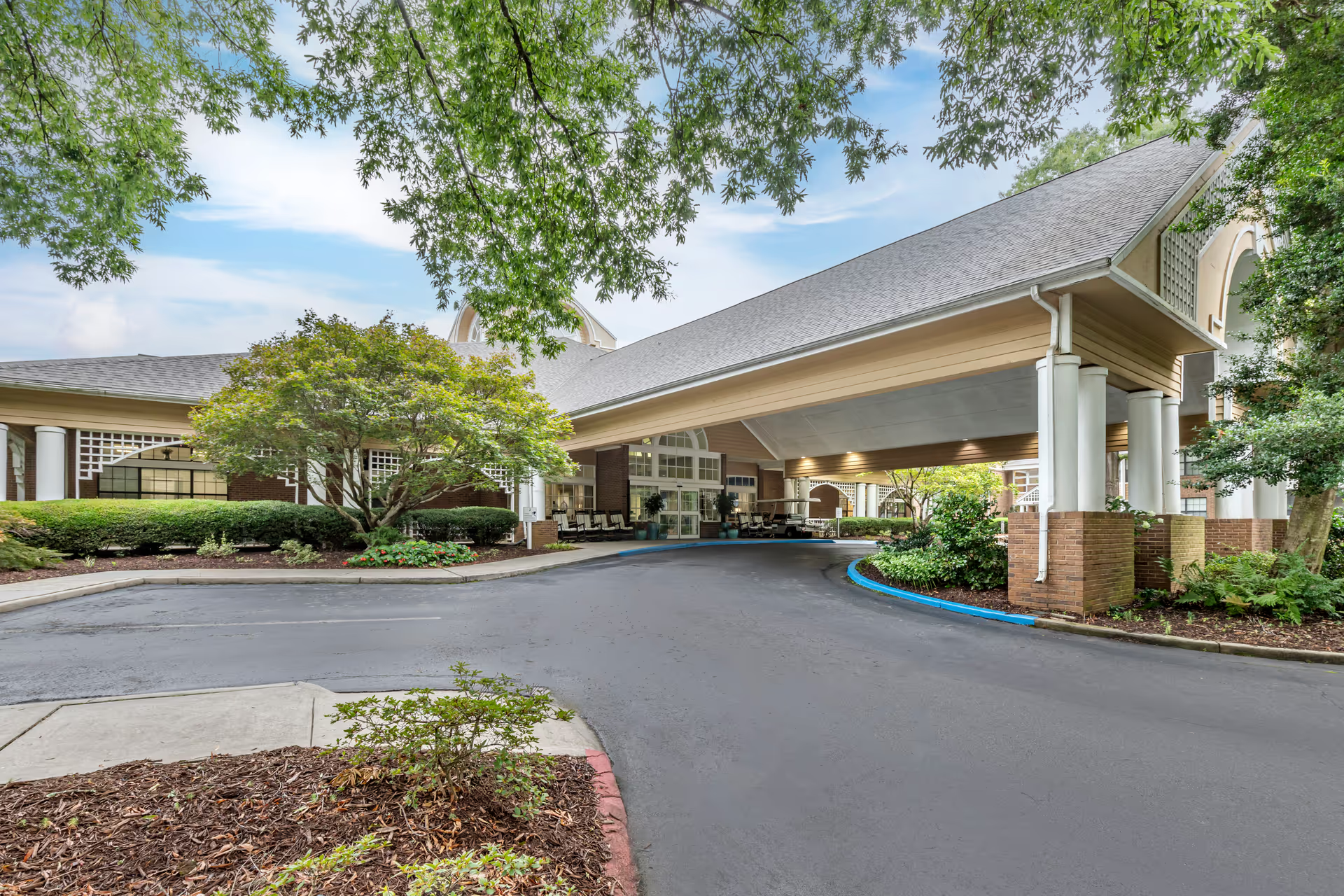
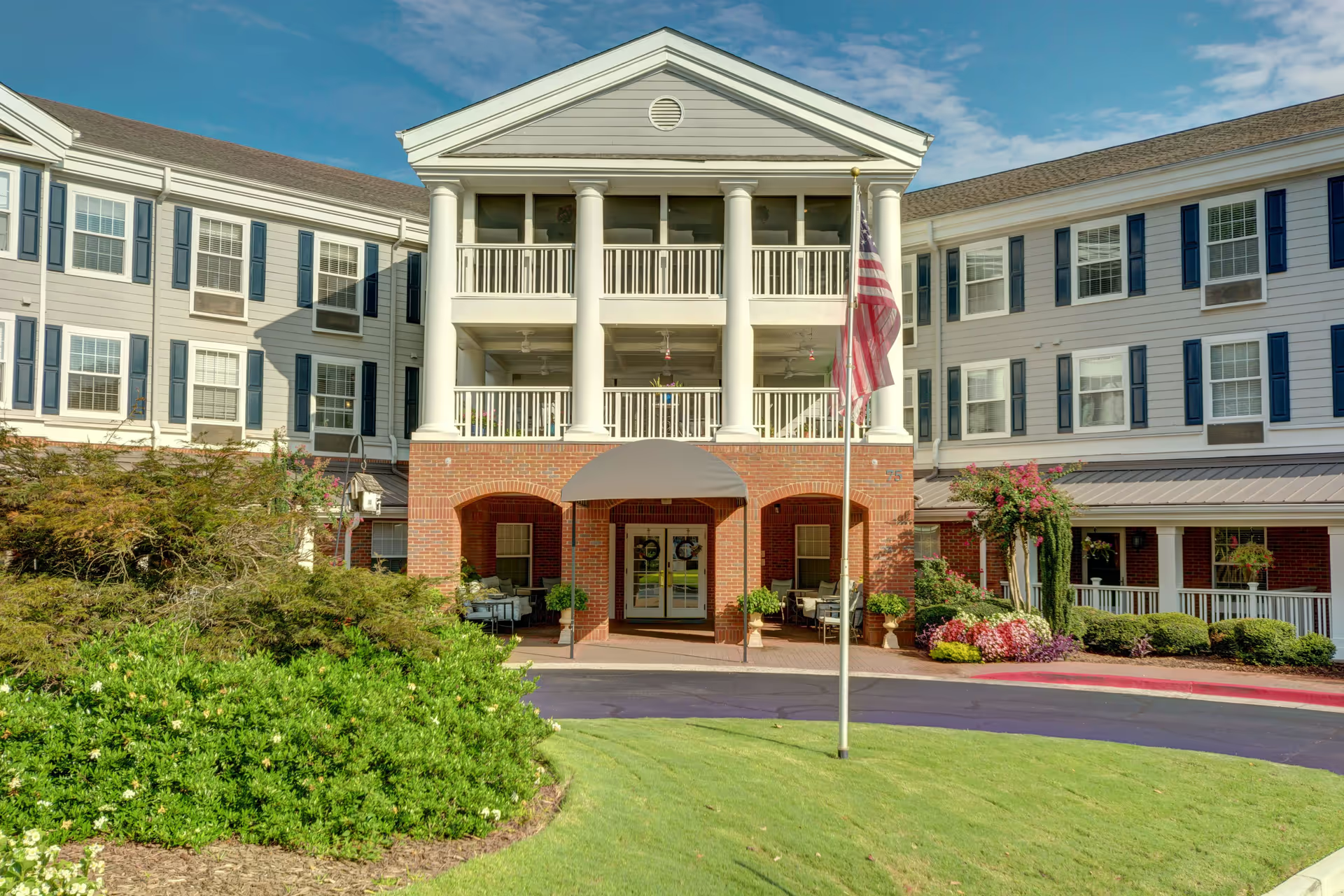
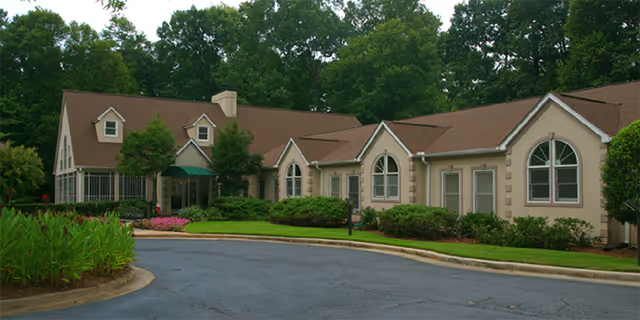
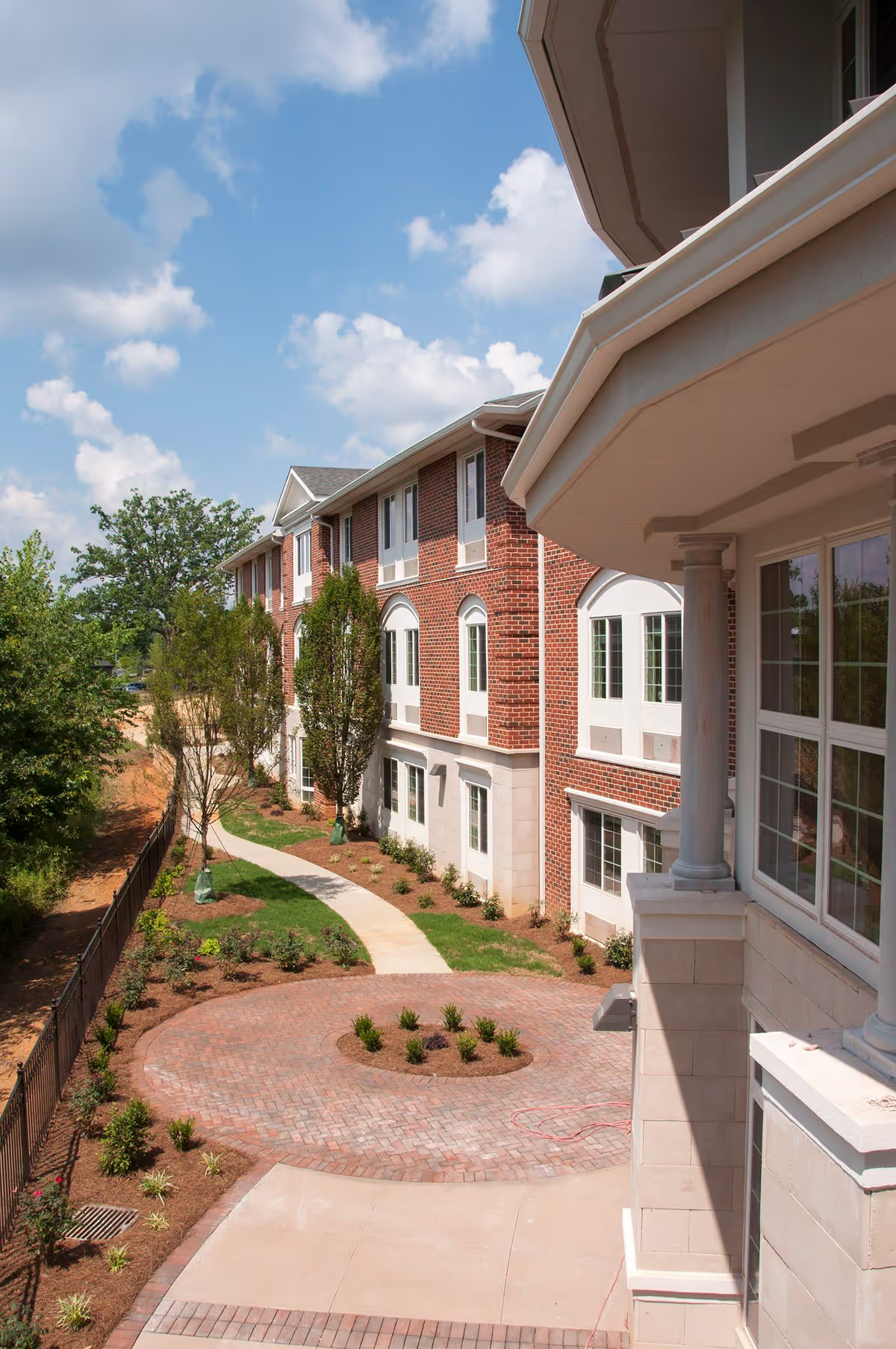
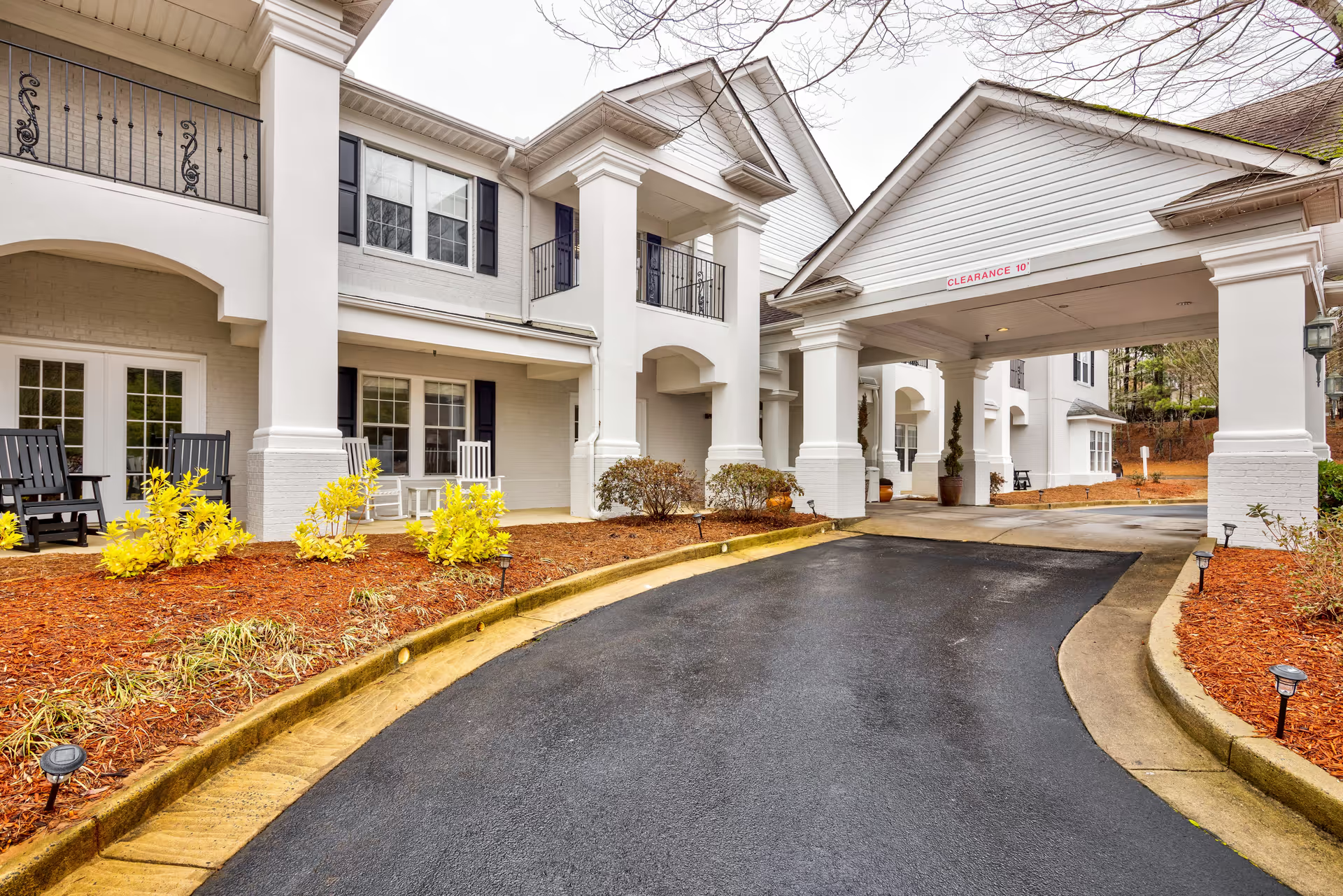
Facilities and maintenance: The property itself, including recent renovations, décor, and grounds, is commonly described as attractive, peaceful, and well-located. Families appreciate private settings, convenient proximity to restaurants and medical services, and features that support resident mobility (for example, transport to nearby stores). Operationally, there are reports of slow maintenance response and specific cleanliness or sanitation concerns in some common areas (e.g., paint on carpeting, inconsistent housekeeping). These indicate unevenness between visible renovations and day-to-day facility upkeep.
Management and organizational patterns: A prominent theme is tension between local staff performance and higher-level management or corporate decisions. While several individual leaders and front-line staff receive praise for integrity and helpfulness, reviewers describe inconsistent or evasive explanations of state regulations and policies, and at least some allegations that discharge or placement practices for memory-care residents were handled inappropriately. Families also express concern that corporate cost-containment or personnel decisions have negatively affected employee morale and the facility’s operational consistency. Infection-control measures implemented during public-health events were viewed as protective by some but as contributing to resident isolation and mental-health impacts by others, with criticism of how those procedures were communicated and applied.
Notable patterns and guidance for prospective families: The overall profile suggests a facility with strong physical assets, engaging programming, and many committed caregivers, but also with systemic issues that can affect reliability of care and family communication. Prospective residents and their families should ask specific questions about current staffing ratios and turnover, procedures for continuity of care (especially in memory care), average response times for maintenance and dining service, examples of how the community communicates clinical incidents and regulatory matters, and any recent changes in corporate policies that affect local operations. An in-person visit during a mealtime and an activity, plus conversations with both front-line staff and leadership, will help assess whether the community’s strengths align with your priorities and whether the operational concerns have been addressed.