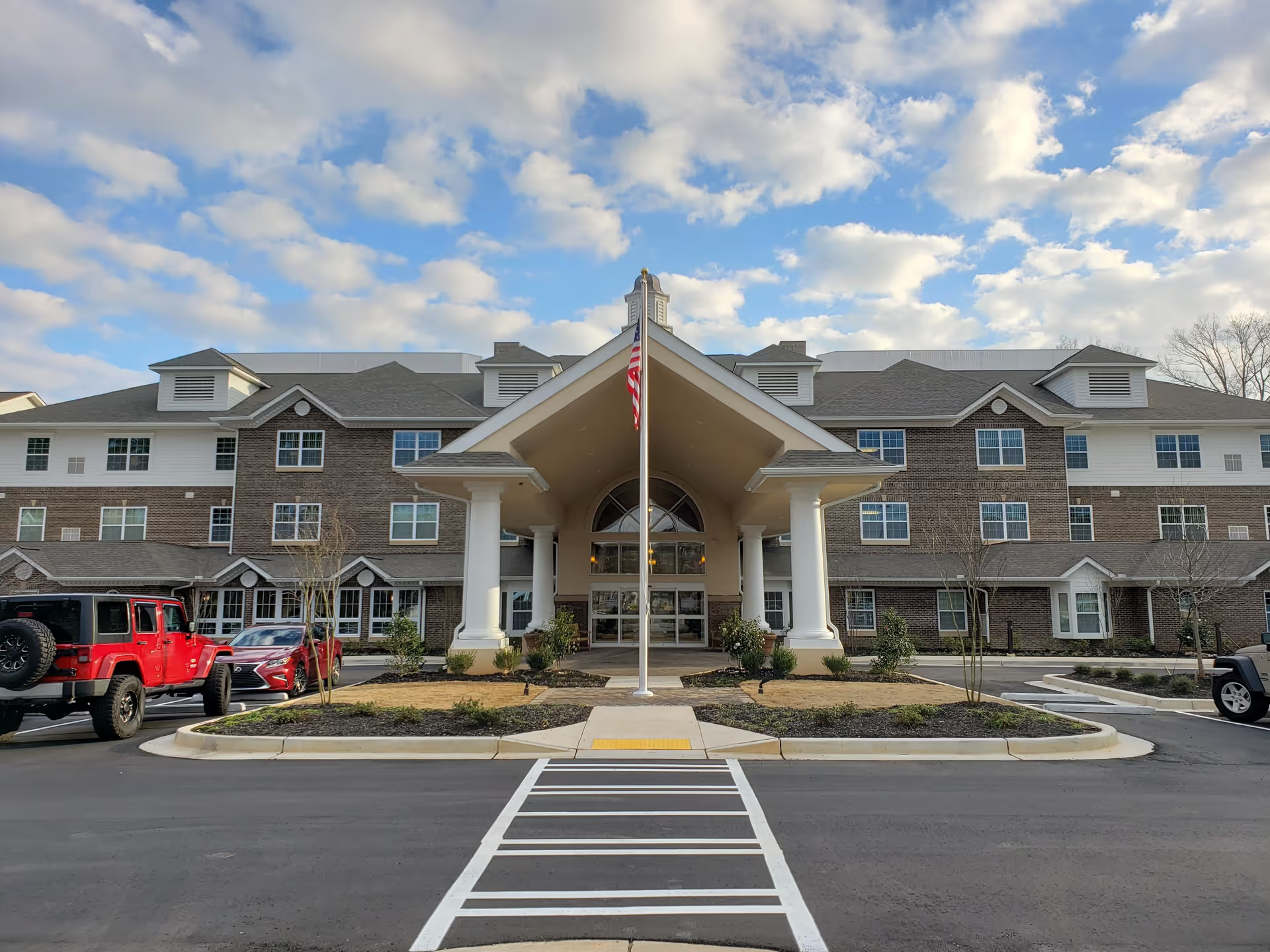
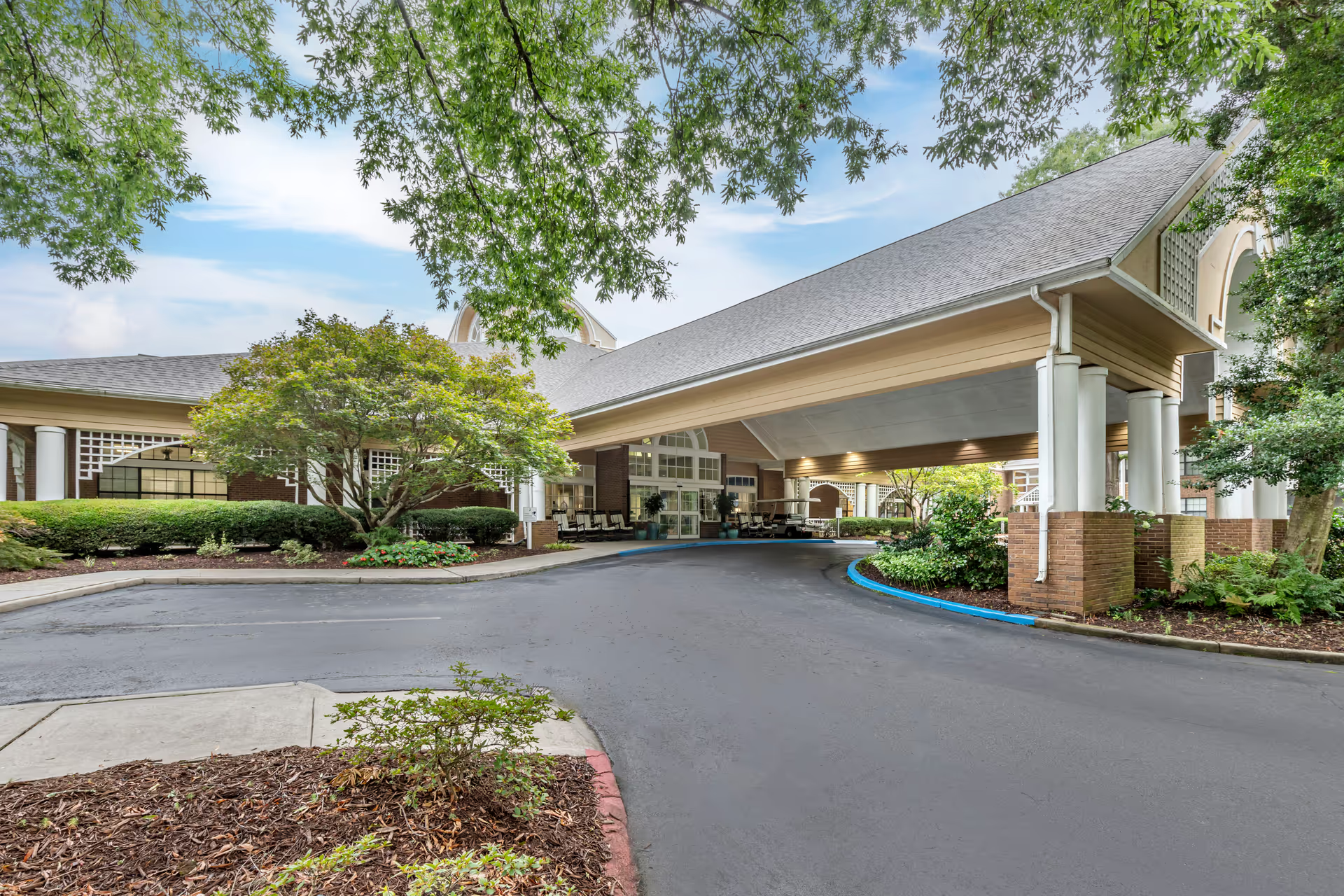
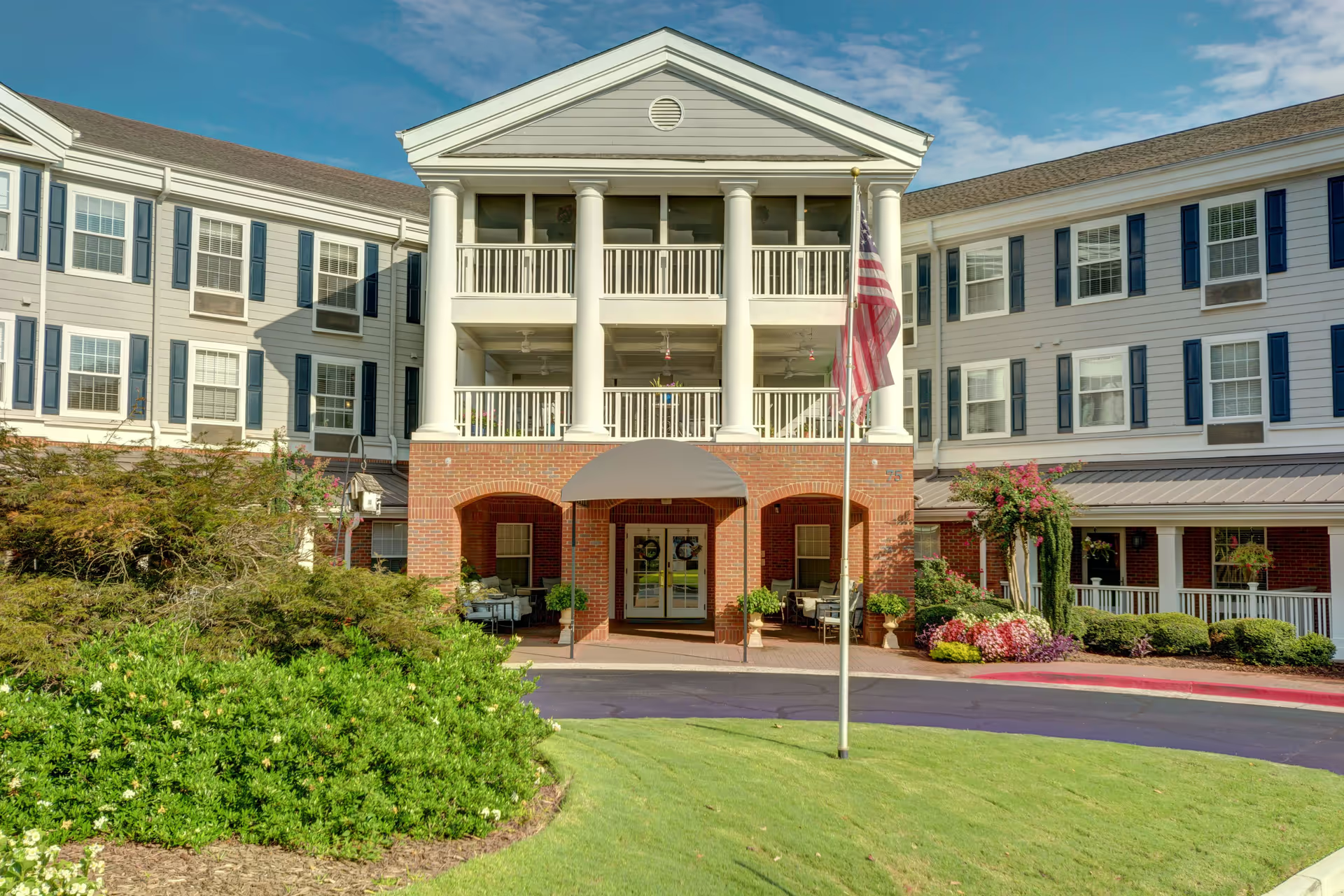
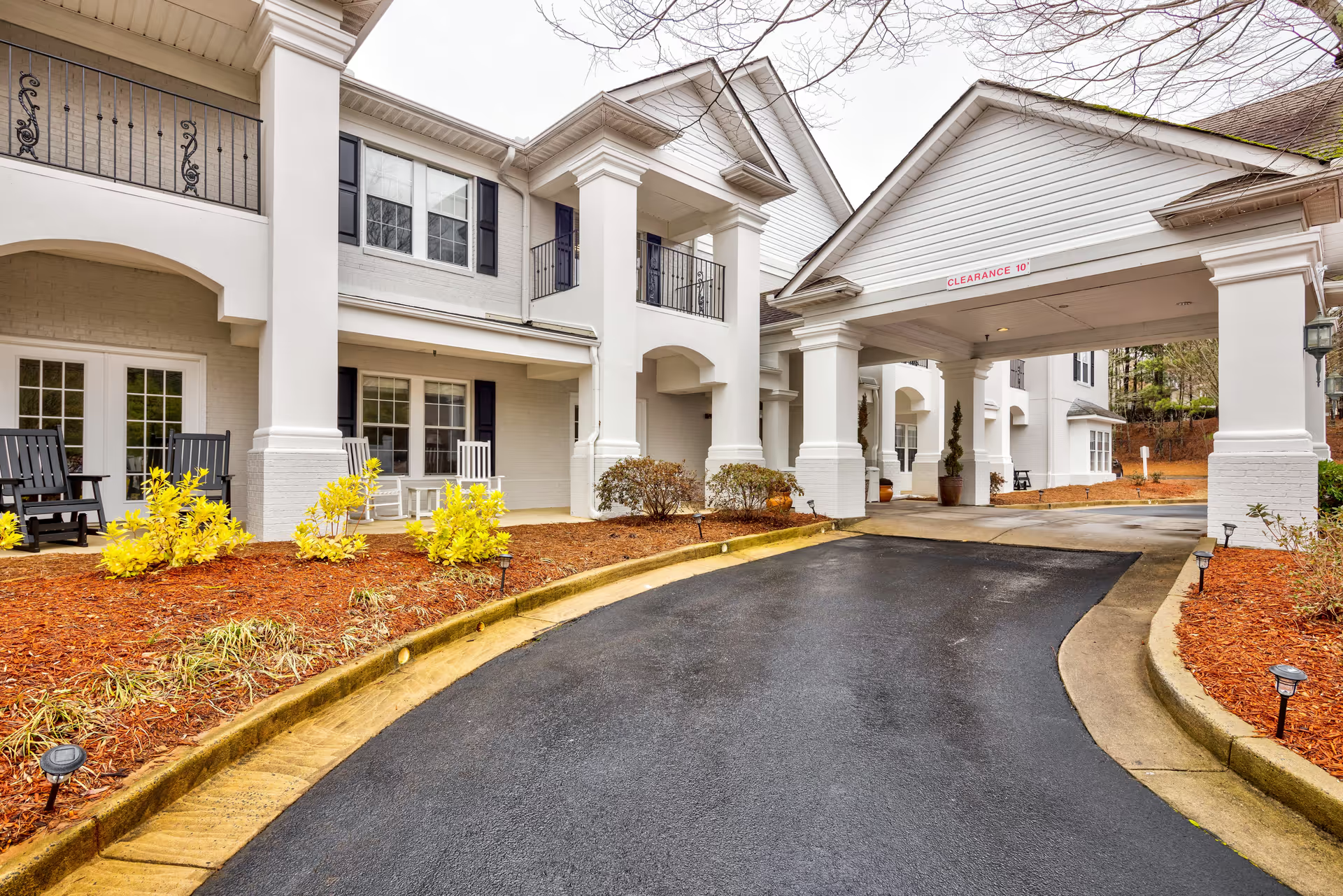
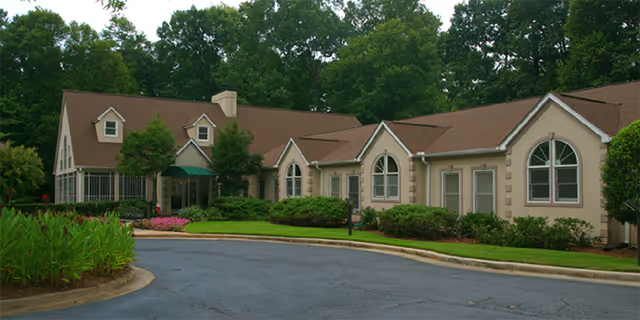
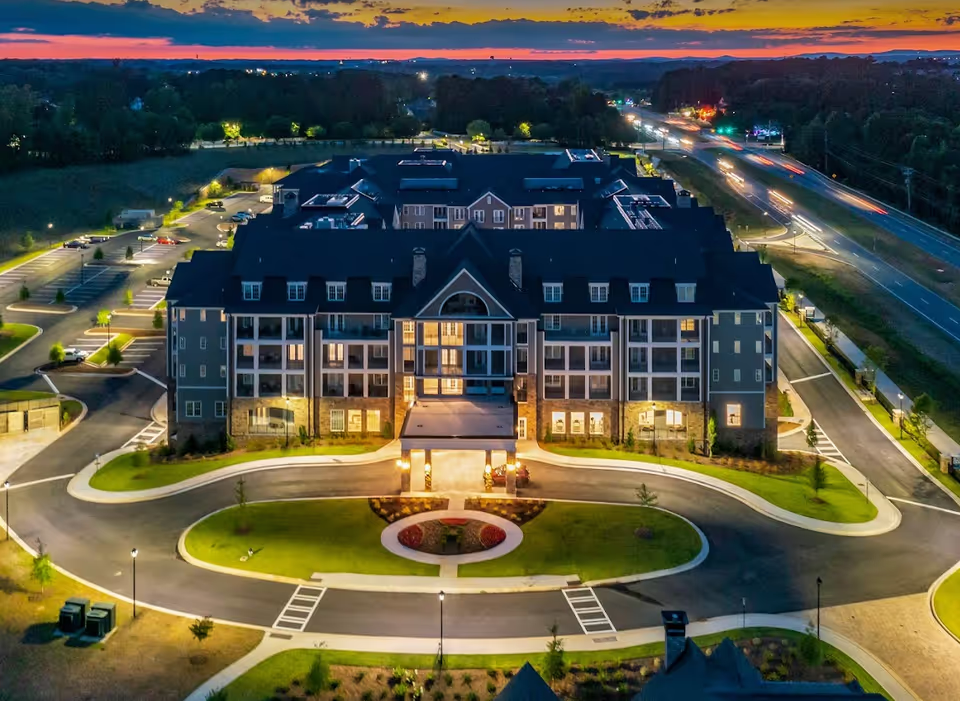
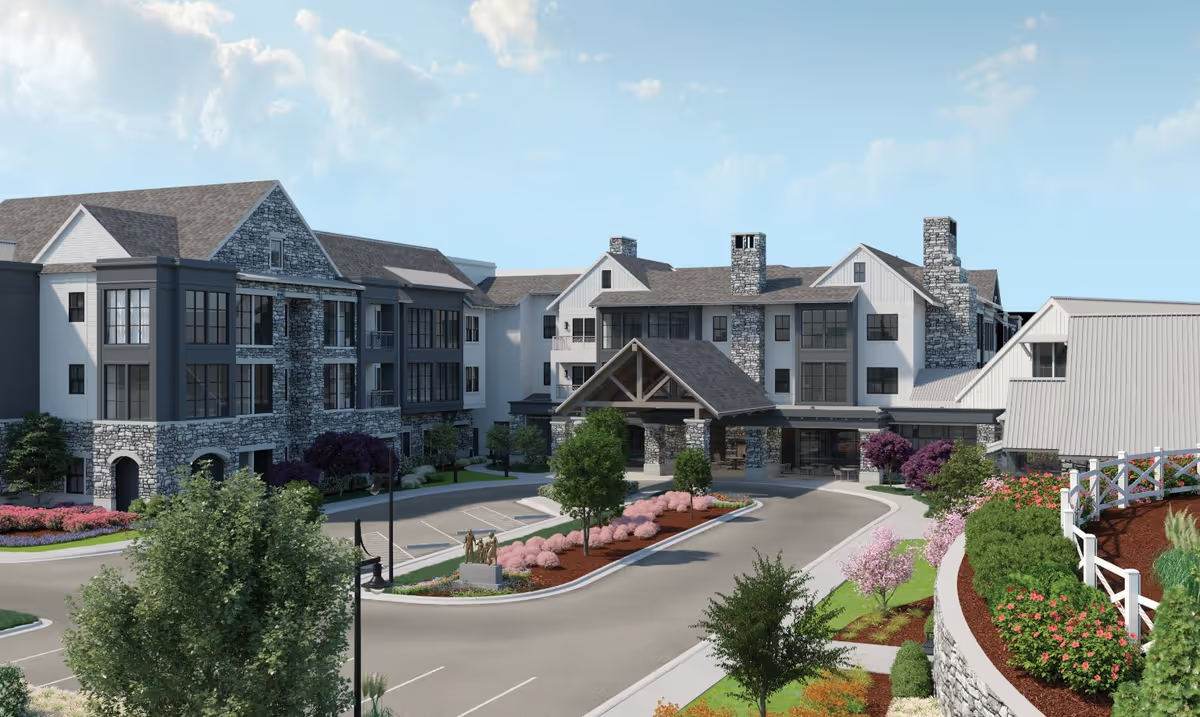
The Georgian Lakeside is consistently described as a new, upscale community with a boutique‑hotel atmosphere and extensive amenities. Reviewers regularly praise the physical environment: elegant interiors, lakefront views, spacious suites with kitchenettes, theater and bistro spaces, salon and spa facilities, and well‑kept grounds. The community’s design and common areas create a social, resort‑like setting that many families and residents find appealing.
Care and staffing draw mixed but generally favorable comments. A substantial number of families highlight compassionate, engaged caregivers, a resident‑centered culture, and strong dementia expertise supported by an Emory IMC affiliation and LPN coverage on each shift. Several accounts emphasize smooth move‑ins, individualized attention from certain staff members, and effective infection‑control practices during COVID. At the same time, reviewers describe operational weaknesses that affect care consistency: staffing variability and turnover, occasional delays in responsiveness, and examples that point to lapses in sanitation and incontinence‑care attention. A small number of reviewers described serious care‑lapse allegations; while these appear to be outliers relative to the larger positive trend, they are notable and merit direct inquiry during a visit.
Dining and activities are clear strengths for many residents. The dining program is often described as social and varied, with an active bistro scene, reserved tables, and regular outings and special events. Multiple reviewers enjoyed meals and the restaurant‑style environment; others noted uneven food quality or meal‑service continuity on occasion (processed or boxed meals and inconsistent seasoning were mentioned). The activities program is described as robust and engaging, with outings, presentations, arts and crafts, movies, and social events that support active resident life.
Facilities and safety features generally receive positive commentary: three elevators, security key fobs, a check‑in kiosk, concierge services, and an overall clean, new build. However, reviewers also point to physical‑access limitations for some residents (long distances to dining rooms, heavy doors, and challenges with two‑person lift policies), and to reliability issues with electronic access and front entrance mechanisms. Visitor monitoring and front‑desk processes were called out as an area for improvement by several families who wished for clearer policies and closer oversight.
Management and administration present a mixed pattern. Many families commend individual staff members, activity directors, and caregivers for warmth and professionalism; others express frustration with inconsistent leadership, micromanagement, billing errors, and variable family communication (including lack of routine care‑review meetings). These operational inconsistencies appear linked in some reviews to turnover and changes in management. Cost/value perceptions also vary: several reviewers accept the premium pricing in exchange for amenities and dementia expertise, while others question value when administrative or care‑consistency issues arise.
Recommendation: Prospective residents and families attracted to Georgian Lakeside’s design, amenities, and memory‑care specialization should prioritize an in‑person tour and targeted questions about staffing ratios, turnover, sanitation practices, meal‑service routines, after‑hours responsiveness, and family communication protocols. Ask for documentation of recent surveys and staffing schedules, and meet key clinical leaders. The community offers many strengths in environment, activities, and dementia programming, but operational variability identified by reviewers means due diligence is important before committing.