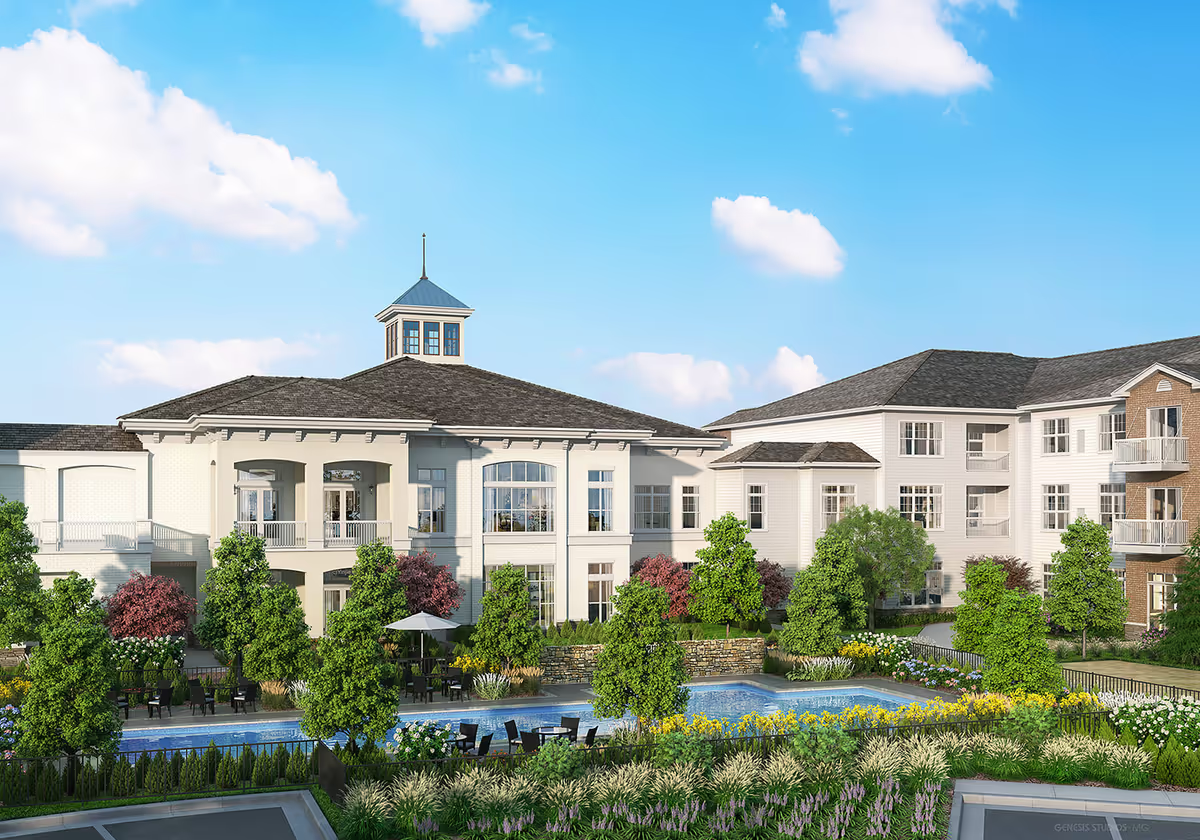
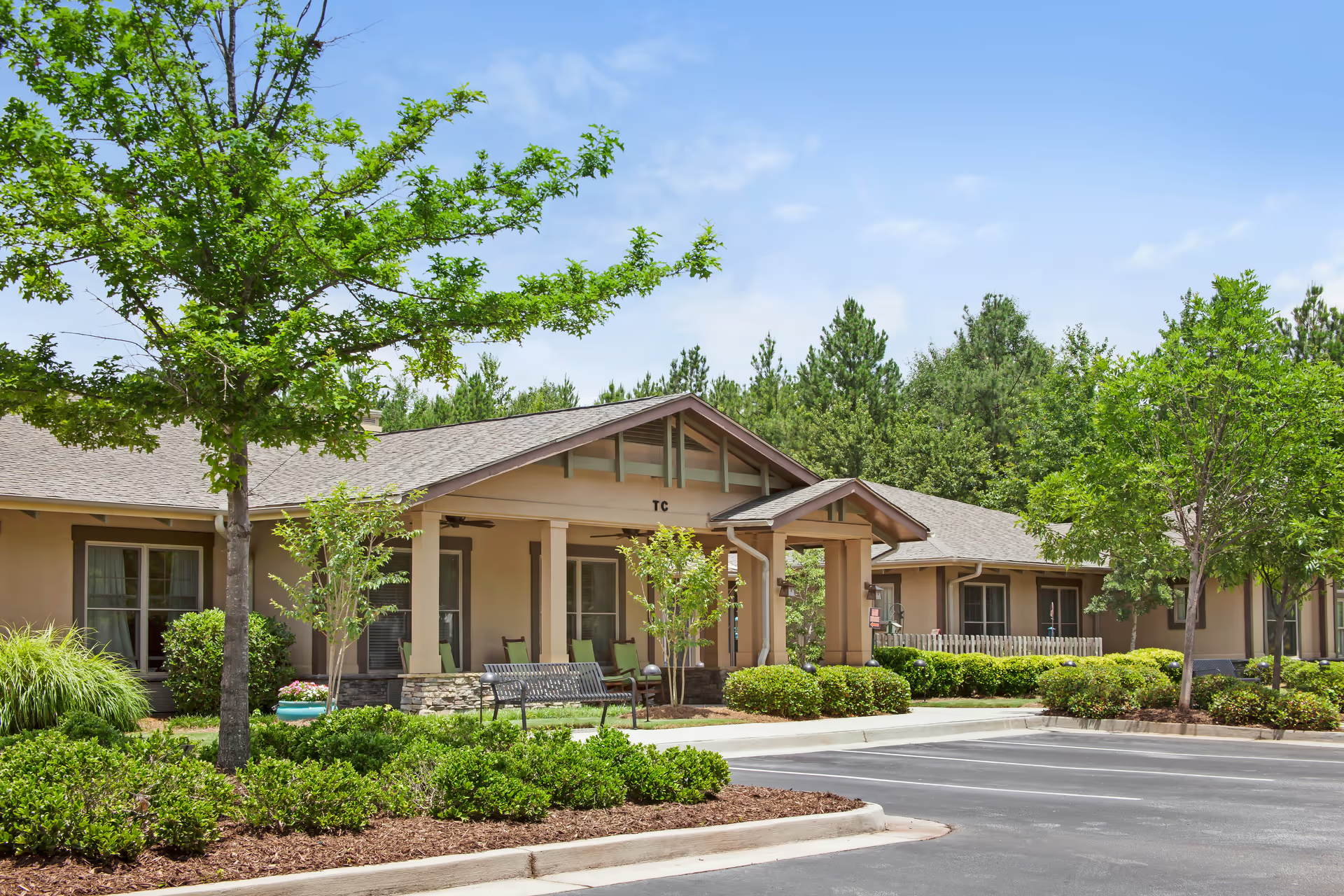
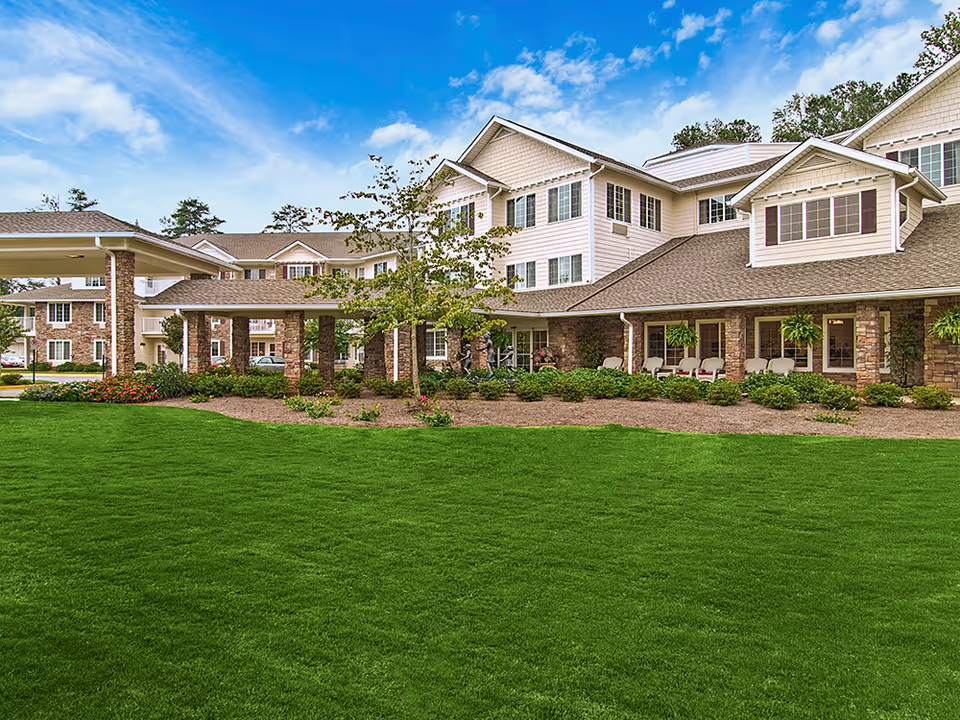
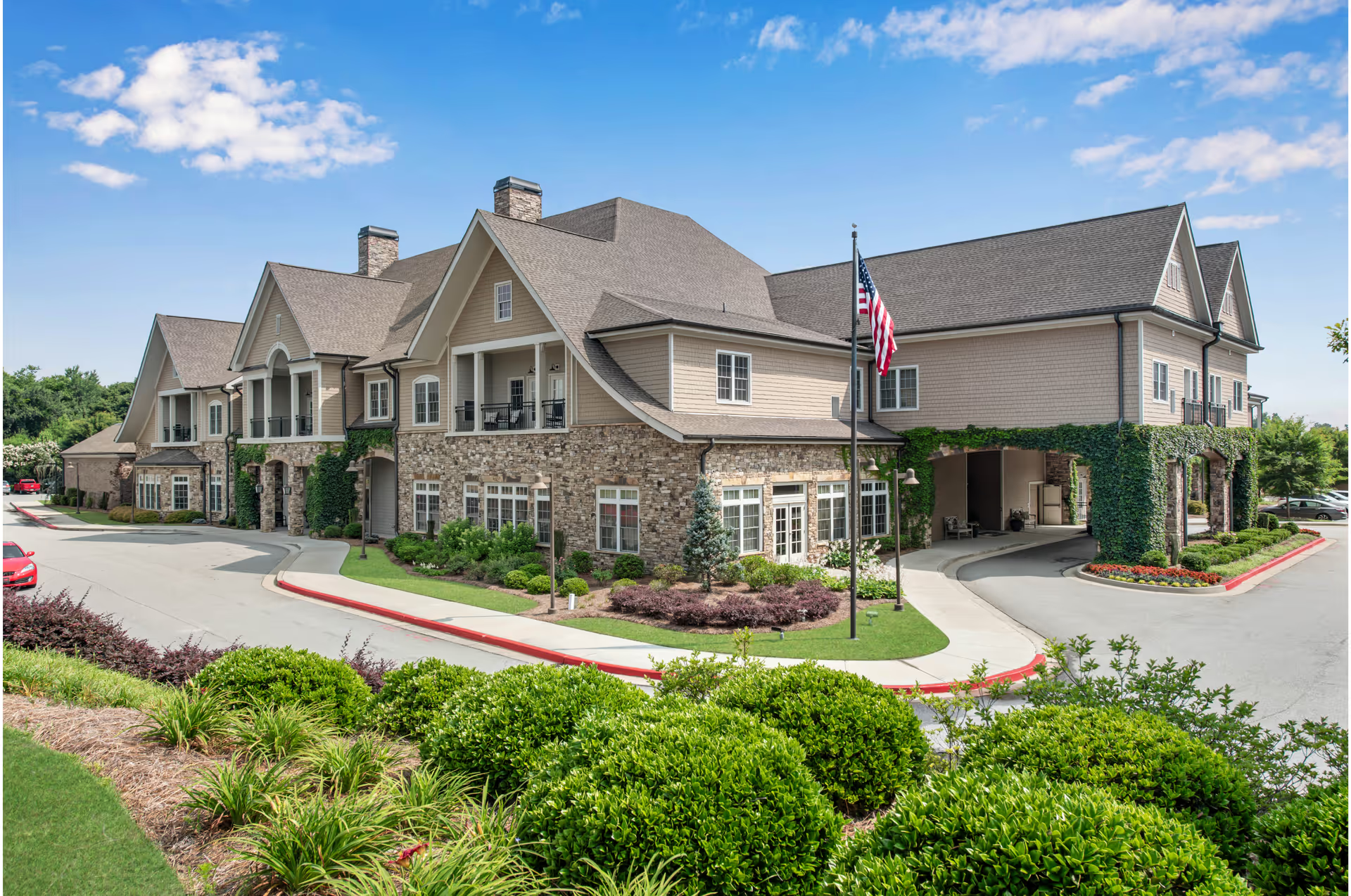
Reviews describe a facility where staff and leadership are often the strongest components of the resident experience. Many families highlight compassionate, attentive caregivers, proactive communication from directors, and an overall family‑centered approach that supports smooth move-ins and ongoing updates. Several reviewers specifically praised the memory-care programming, the Bridge to Rediscovery curriculum, and an intimate community atmosphere that fosters social connection. Common positive notes include a secure, dementia-friendly building, pleasant outdoor spaces and courtyard, communal amenities such as a salon and library/game areas, and generally clean common areas.
Care quality is described as mixed but leans positive when judged by staff interactions: reviewers repeatedly commend individual caregivers, activities directors, and executive leadership for responsiveness, warmth, and dignity-preserving care. At the same time, operational constraints affect clinical consistency. Staffing levels and coverage are a recurring concern, with limited supervisory presence on nights and weekends and reports of the RN role stretched across administrative and clinical duties. Those constraints correlate with delayed responses to call pendants and family concerns about medication administration practices and safeguards.
Dining experiences vary across reviewers. Several families enjoy attractive dining areas and praise presentation and certain meals, but a notable pattern of inconsistent food quality was described: small portions, limited menu rotation for certain items, freshness concerns, and occasional dissatisfaction compared with home cooking. The facility has a chef and some positive dining feedback, so the issue appears to be variability rather than uniform failure.
Activities are a clear strength in many accounts: there is a robust, varied calendar with arts and crafts, games, outings, and memory-stimulating programming. Reviewers note strong engagement, frequent social opportunities, and tailored activities for different ability levels. However, some families described canceled programs, virtual exercise classes that did not function well, and limited or poorly executed off-site outings, indicating occasional lapses in activity delivery and transportation logistics.
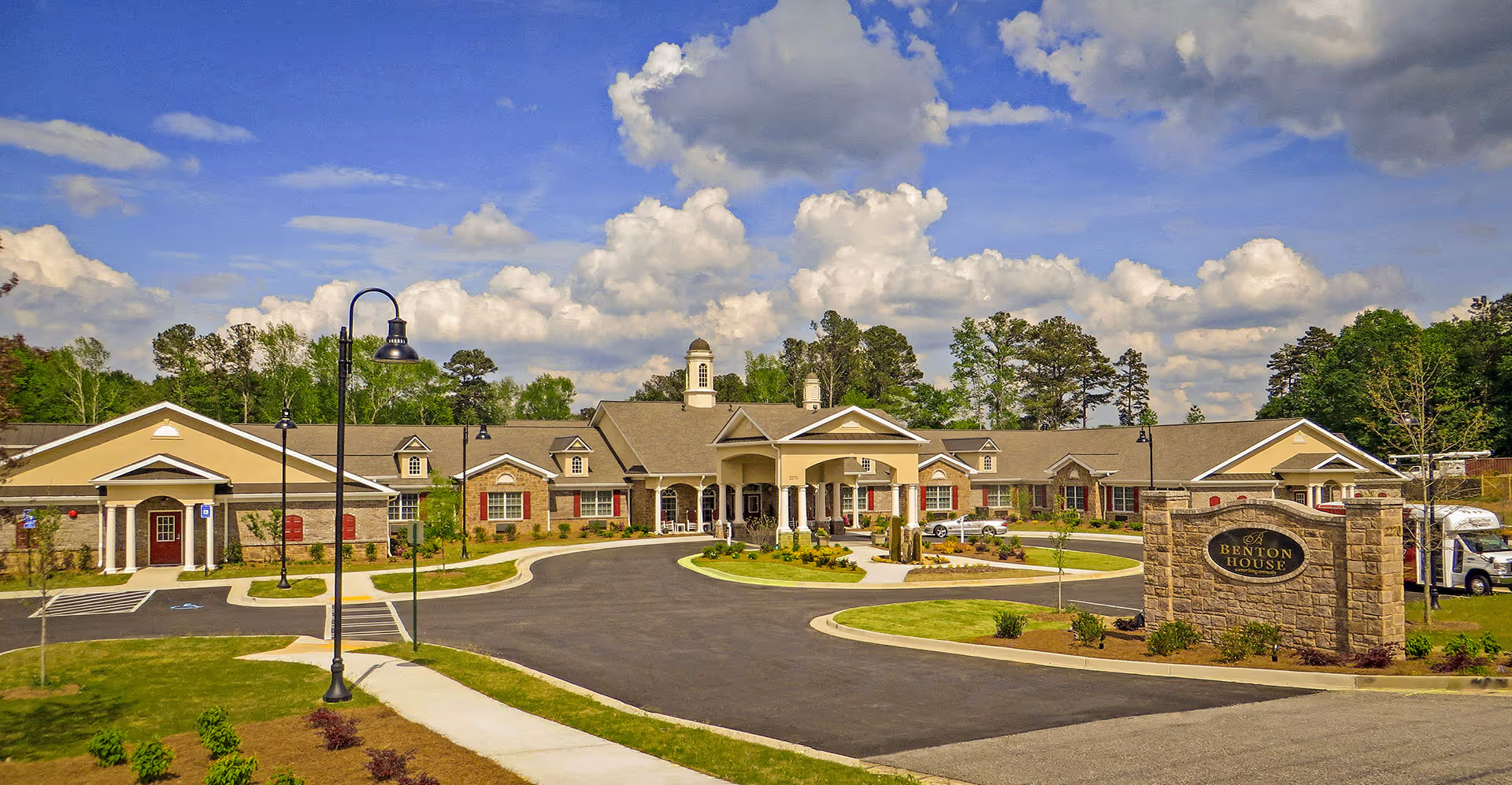
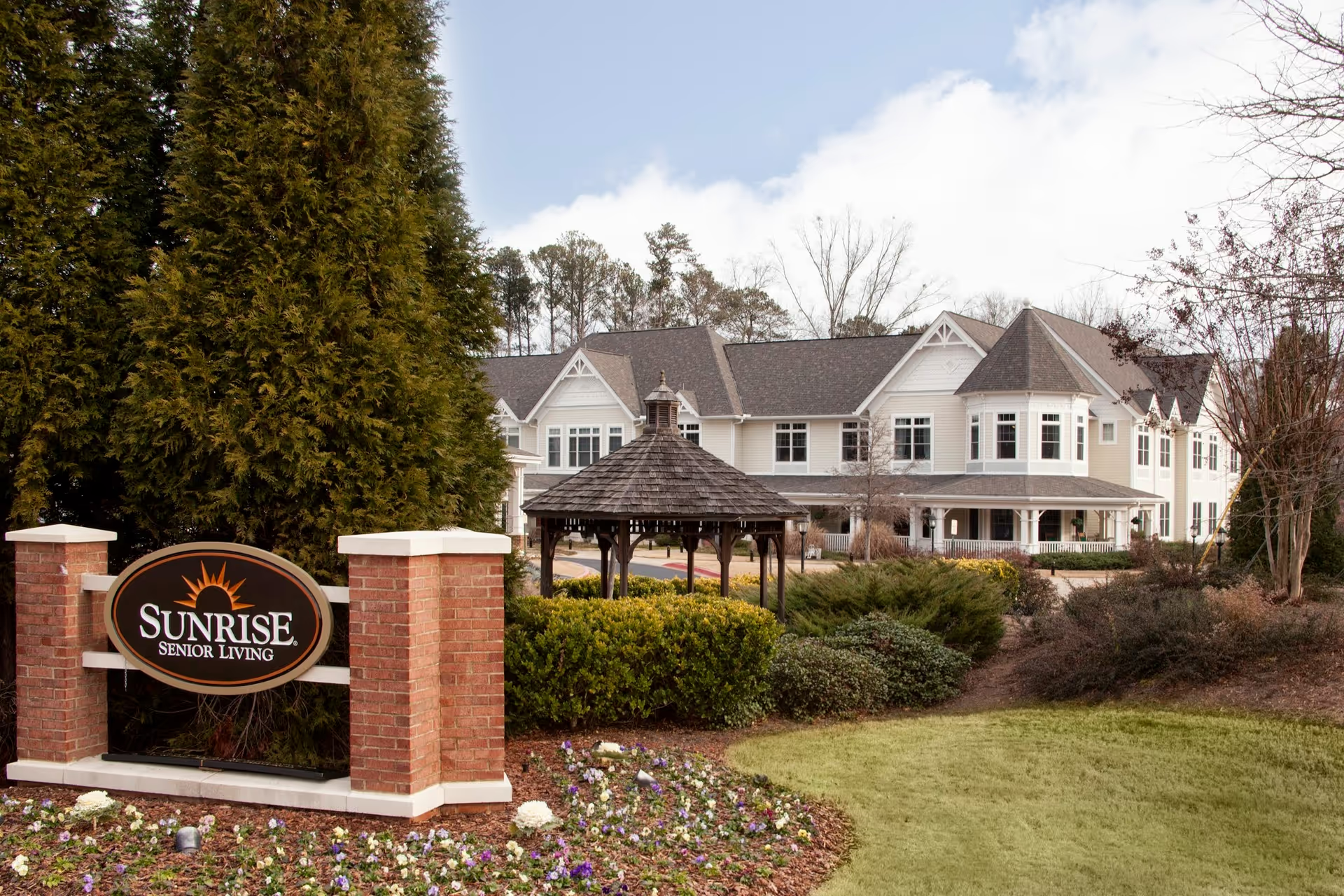
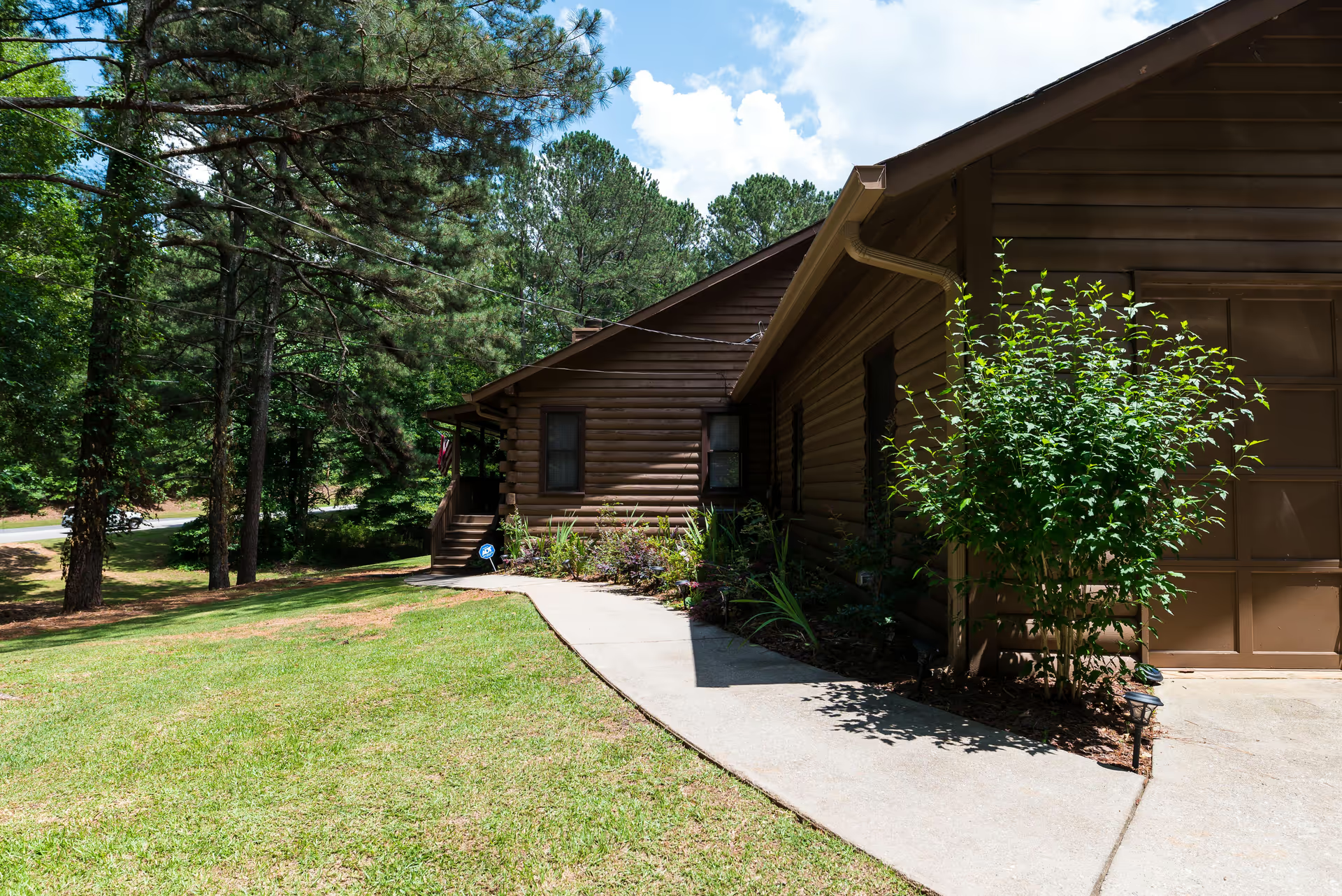
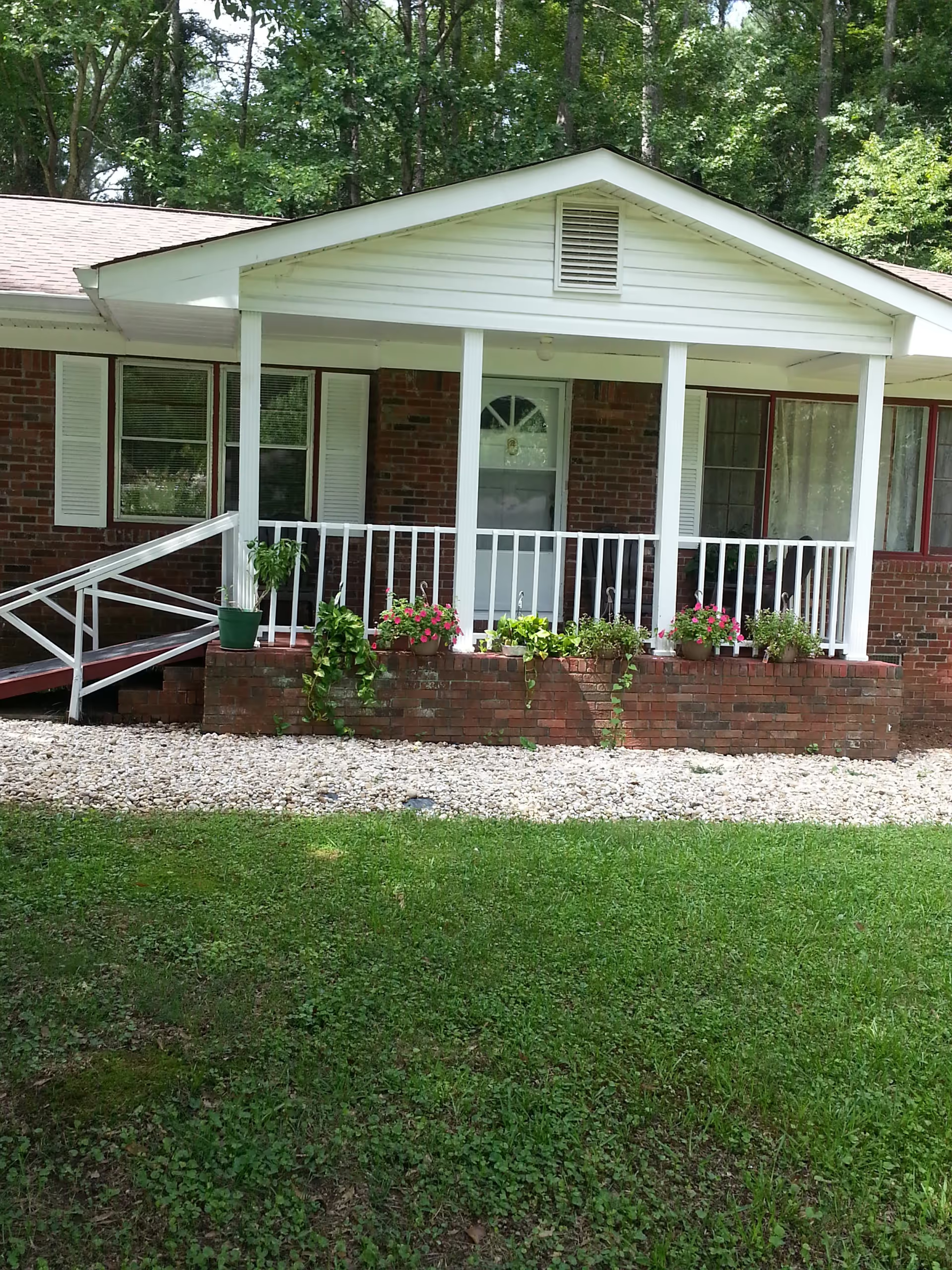
Facility and accessibility notes are mixed. The building is often characterized as clean, homelike, and secure, with attractive common spaces and garden access. That said, the property shows signs of aging in places and has ongoing renovations; some rooms are small and require resident-supplied furnishings. Importantly, several rooms lack full wheelchair accessibility (no roll-in showers, limited sink clearances), which could limit suitability for residents with higher mobility needs.
Management patterns reflect both strengths and weaknesses. Leadership and some directors receive praise for transparency, communication, and problem resolution; other comments point to limited managerial visibility after hours and weekends, and sporadic onboarding availability when vacancy is high. Notable operational patterns for prospective residents and families: the staff relationship and program engagement tend to be the facility's primary advantages, while staffing levels, medication-safety practices, dining consistency, accessibility, and transportation logistics are the areas most frequently identified for improvement. Prospective families should verify night/weekend coverage, specifics of medication administration protocols, wheelchair-accessible room availability, and current dining menus during a tour or meeting with administration.