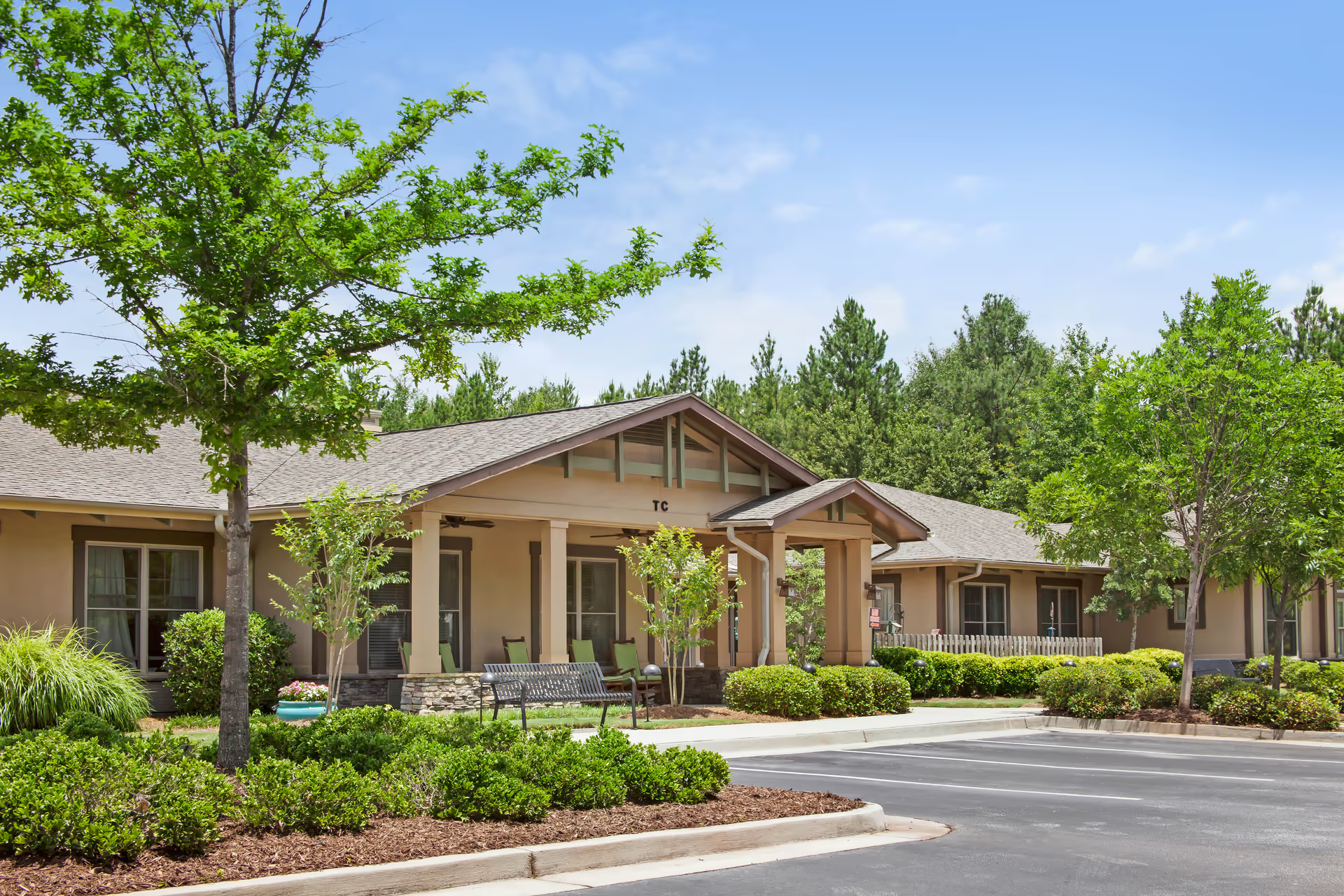
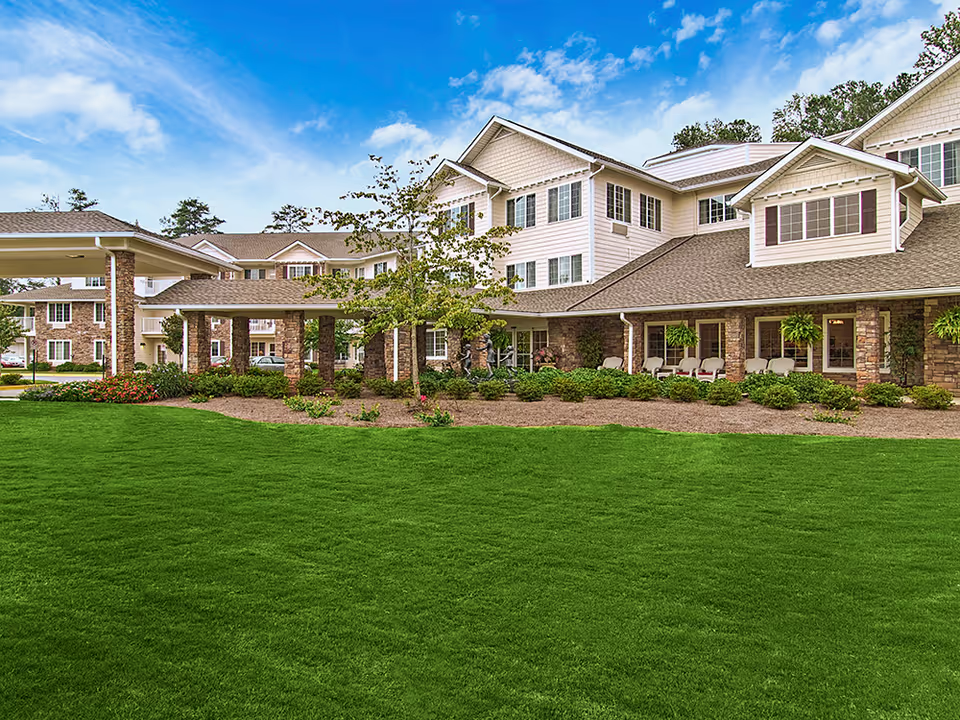
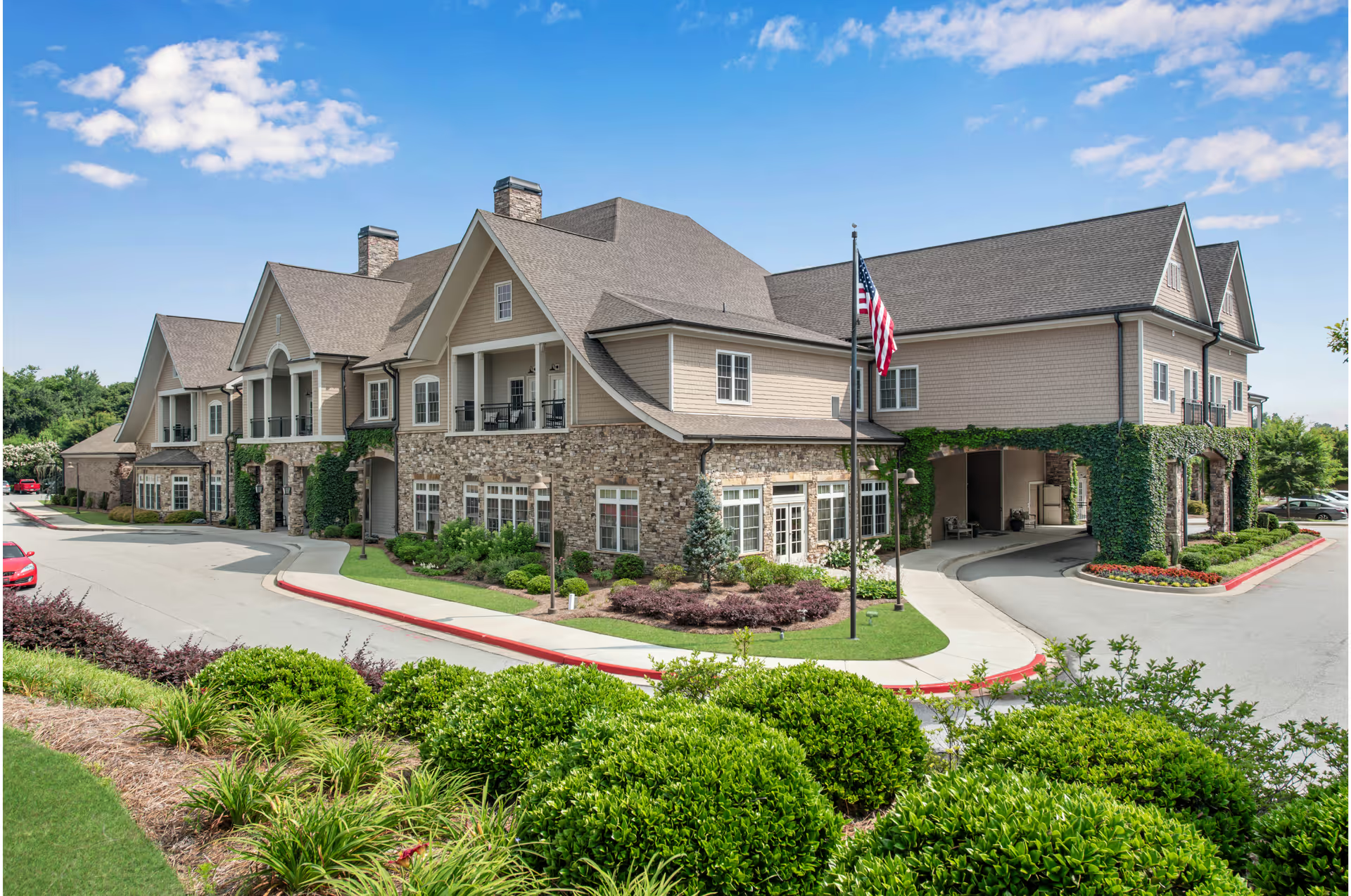
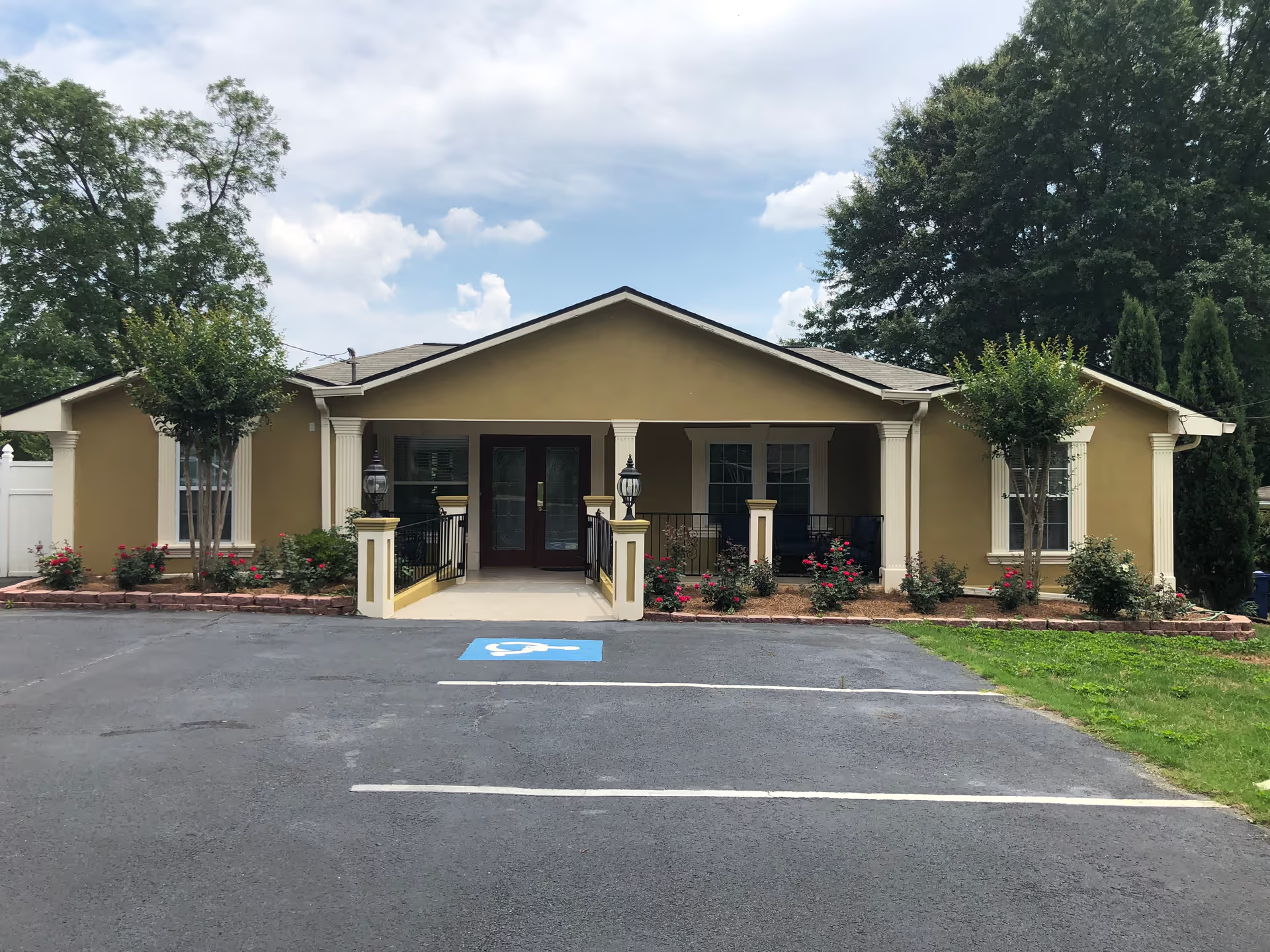
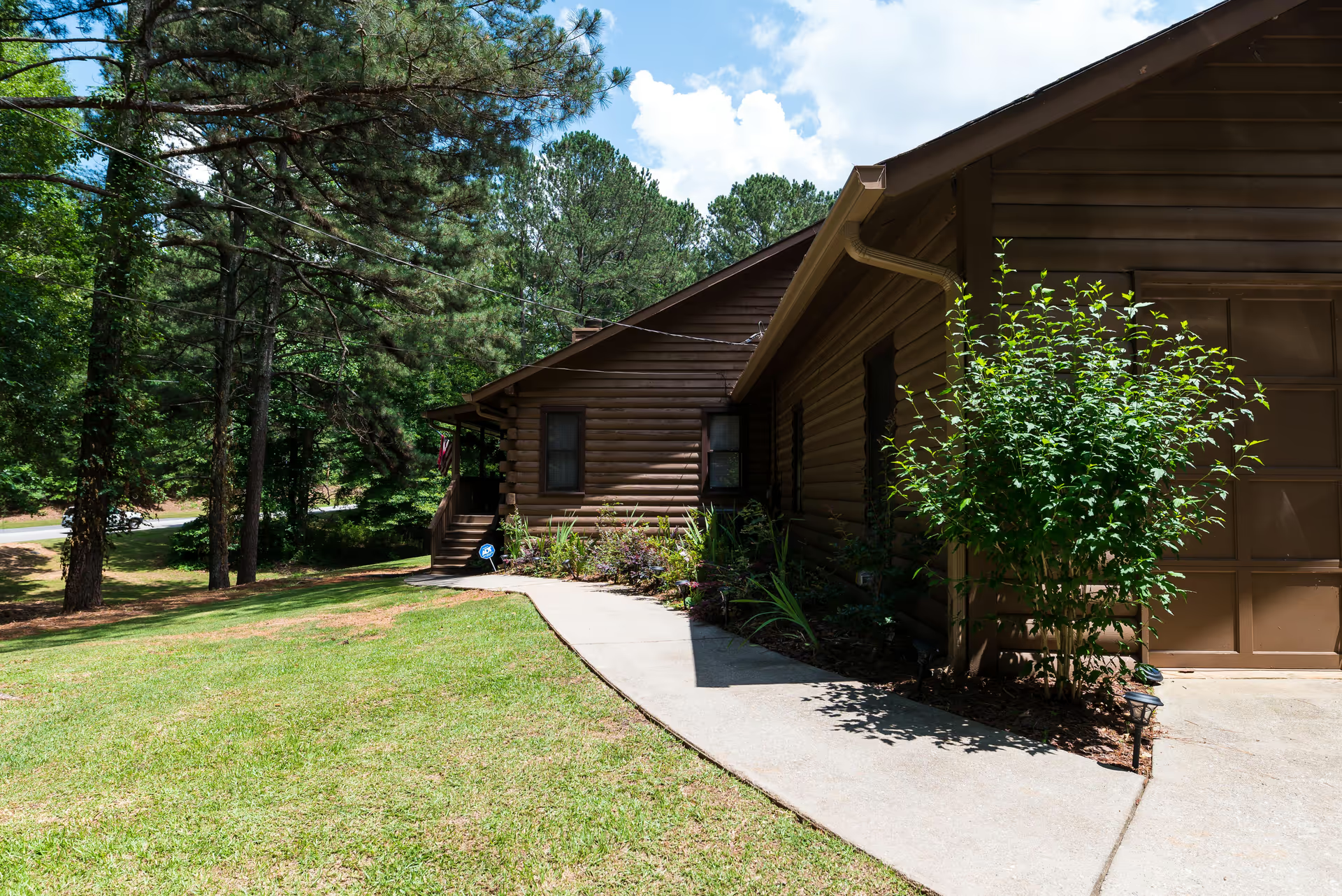
Overall impression: Sheridan at Eastside is frequently described as a modern, well-maintained senior living community with hotel-like finishes, abundant natural light, and spacious apartment options. Reviewers commonly praise the physical environment — clean common areas, attractive dining rooms, and a range of indoor and outdoor amenities (salon, gym, saltwater pool, garden beds, putting green). The property’s proximity to Piedmont hospital and the presence of on-site therapy services are routinely identified as practical advantages for families seeking a medical-supportive community.
Care and staff: The dominant theme across reviews is positive staff engagement. Many families characterize caregivers and clinical support staff as compassionate, knowledgeable, and responsive; staff are noted to learn residents’ names and provide individualized attention. Administrative and billing personnel are often described as helpful, and the community’s move-in coordination and transition supports receive favorable comments. At the same time, there is a recurring pattern of operational weaknesses: inconsistent staffing levels, slower response to call buttons or night coverage gaps, and concerns about staff prompting for daily hygiene and participation for residents who require assistance. These issues suggest variability in day-to-day staffing coverage and in the delivery of hands-on assistance for some assisted- and memory-care residents.
Dining and clinical nutrition: Dining is frequently cited as a strength — chef-driven, multi-course meals, multiple dining options, daily specials, and a restaurant-style atmosphere. Reviewers praise food quality, desserts, and the social dining experience. However, there are also consistent notes about limitations in clinical nutrition support: absence of an on-staff dietician, limited diabetic or therapeutic meal accommodations, occasional failures to deliver meals to rooms, and some staff unfamiliarity with the always-available menu. Prospective residents with strict dietary needs should verify menu accommodations and meal-delivery processes prior to move-in.
Activities and programming: Activity programming is a clear asset. The community offers a wide array of social, creative, and physical activities — bingo, arts and crafts, Sip & Paint, exercise classes, live entertainment, support groups (including Parkinson’s), and frequent social events. Activity staff receive high marks for creativity and resident engagement. A pattern noted by some families is that assisted residents or those in memory care may need more proactive encouragement from staff to participate; program access for residents who require prompting should be clarified during tours.
Management and operational patterns: Several reviews highlight strong maintenance, housekeeping, and groundskeeping services, along with useful transportation options. Conversely, there are recurrent concerns about internal communication, department handoffs, and occasional move-in coordination problems. A subset of reviews raises more serious questions about management professionalism and staff retention; some families reported breakdowns in communication or inconsistencies between sales promises and frontline delivery. There are also comments about fee transparency and when amenities require additional payment. One or two reviews include serious allegations about staff conduct; those comments would warrant direct follow-up by prospective families and verification with the provider and regulators as appropriate.
Who this fits and key considerations: Sheridan at Eastside appears well suited to families prioritizing a high-quality physical environment, robust dining, active social programming, and on-site therapy, with the convenience of a full continuum of care on one campus. Prospective residents with complex clinical nutrition needs, high-dependency personal-care requirements, or those who require guaranteed rapid overnight/call-button response should explicitly discuss staffing ratios, care protocols, and care-coordination supports (including whether a social worker or dietician is available). During touring and contracting, families should confirm admission policies, amenity fees, and documented procedures for night coverage, meal accommodations, and staff communication to ensure the community’s operations align with their expectations and care needs.