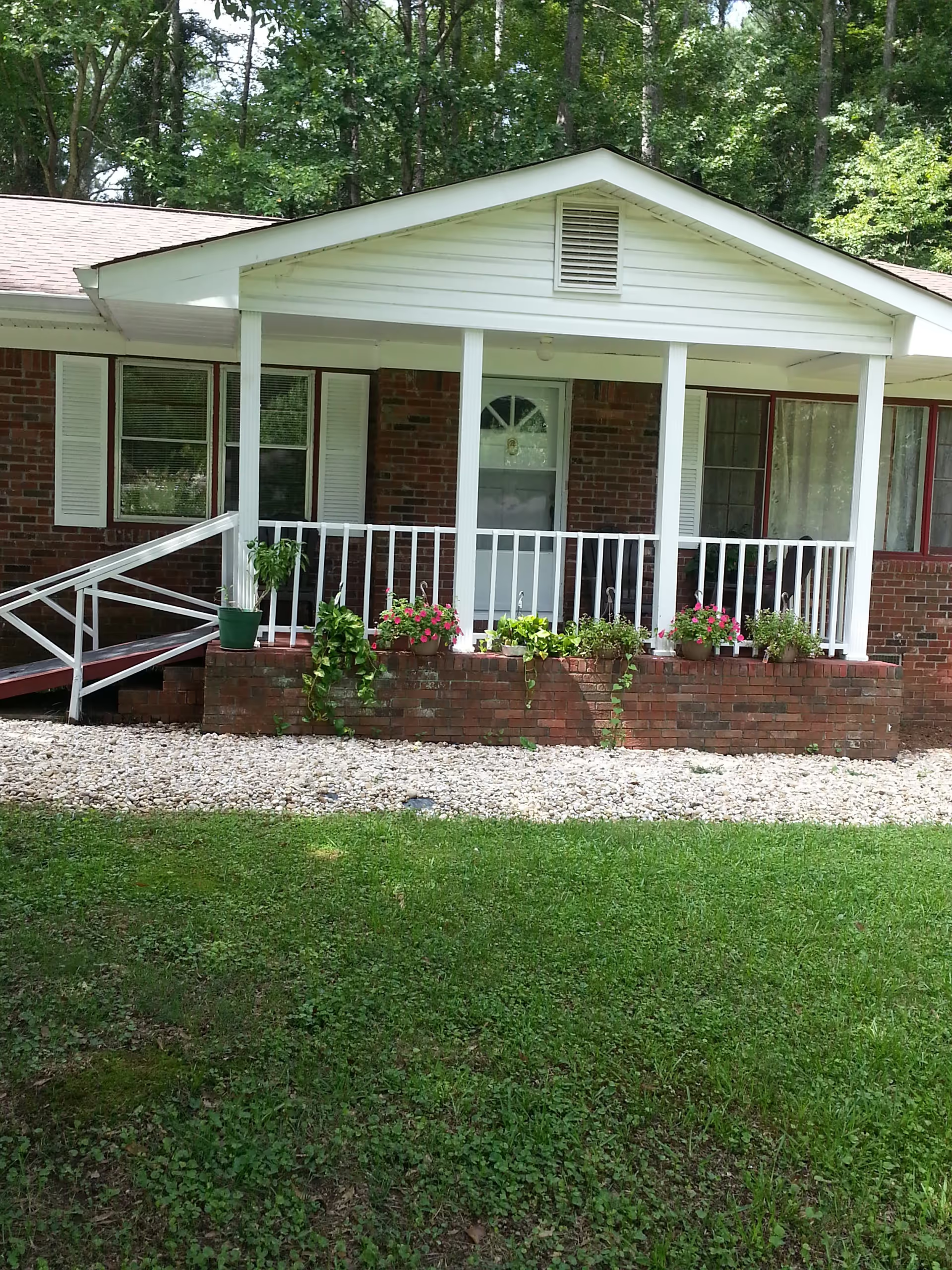
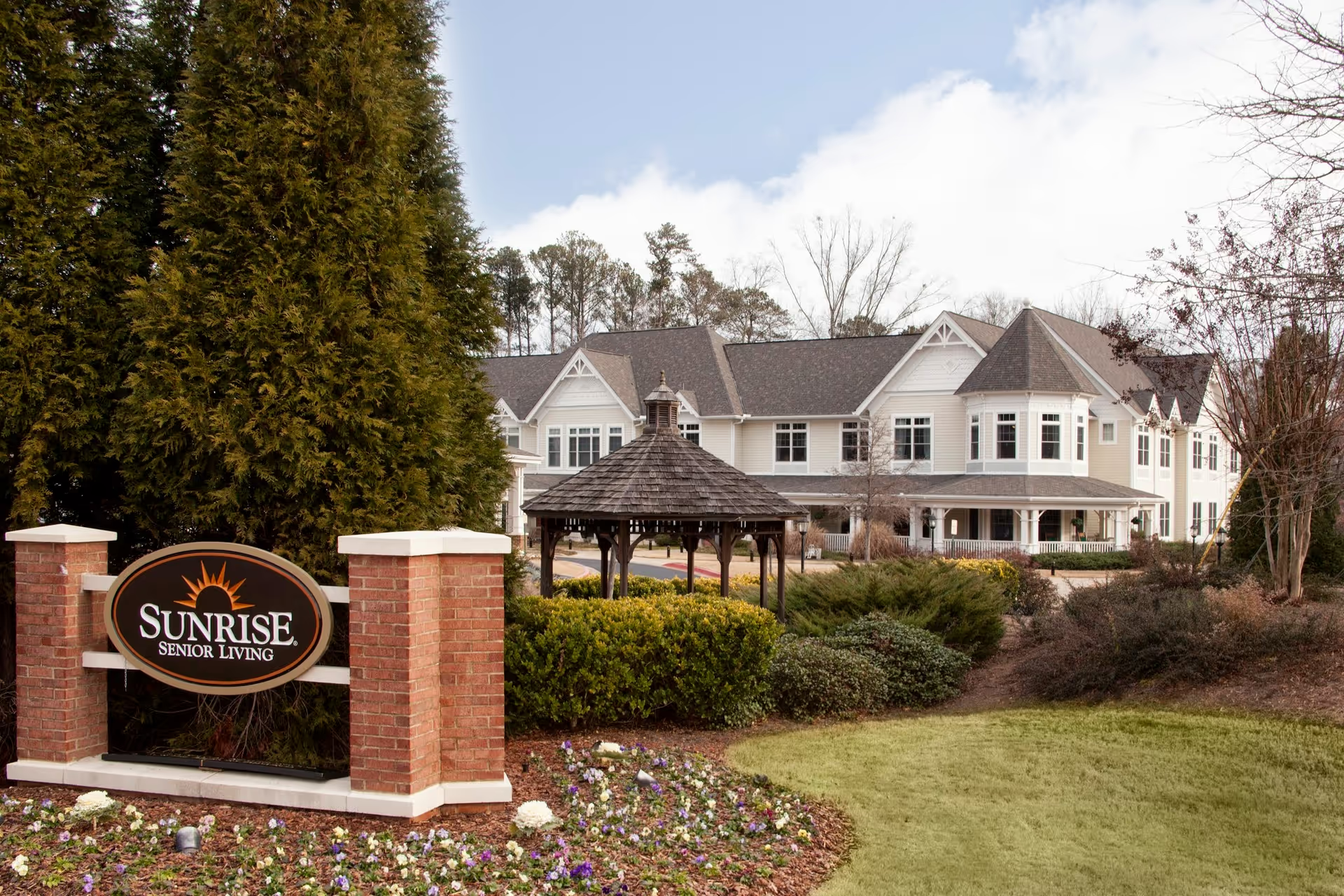
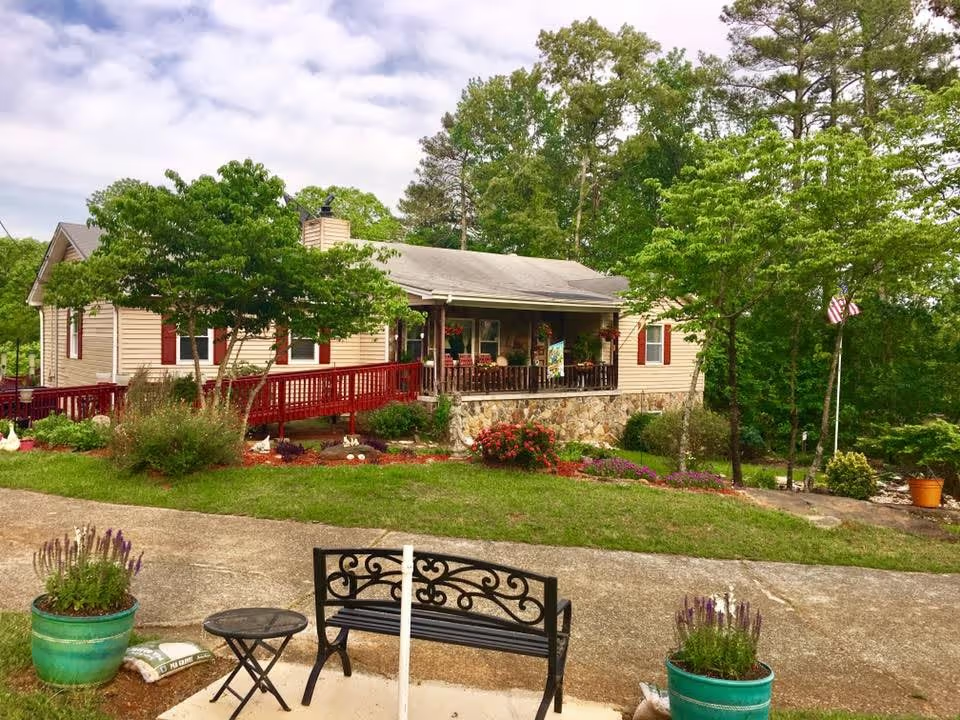
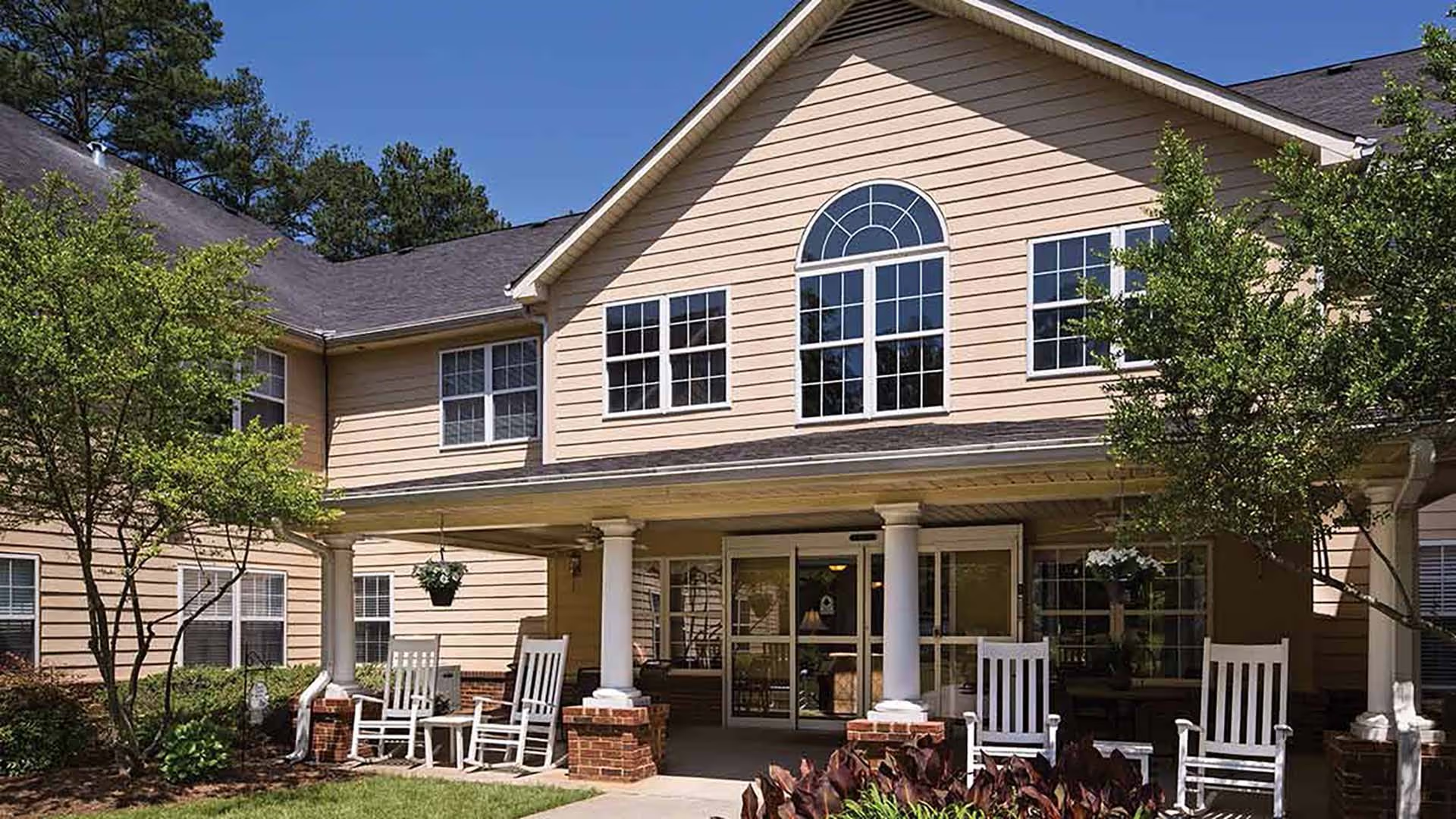
Brookside Stone Mountain elicits a wide range of experiences. Many families praise individual caregivers for being warm, helpful and attentive; staff members are frequently described as going above and beyond, and the community offers an active calendar of programs, exercise classes, holiday events and transportation for outings. Apartment units are often noted as bright and adequately sized, with a secure courtyard, salon services and a range of apartment sizes that can fit different budgets. For families seeking proximity to home and a single campus that offers both assisted living and memory care, the community’s location and service mix are attractive features.
Care quality appears inconsistent. Positive accounts highlight competent, engaged caregivers and satisfactory short-term rehabilitative stays, while negative accounts indicate chronic understaffing, skill gaps and incomplete clinical follow-through. Several narratives describe slow response times to call buttons, delays in routine care tasks, and lapses in medication administration and monitoring that required hospital visits. These patterns point to operational weaknesses in staffing levels, staff training and clinical oversight rather than uniformly poor intent by caregivers.
Dining and dietary management are mixed. Some residents and families report enjoyable meals and praised dishes, whereas others describe limited menu variety, difficulties with texture-appropriate preparation and missed dietary accommodations. The facility’s processes for individualized diet planning and menu clarity appear uneven, suggesting a need for clearer dietary management protocols and stronger oversight from a nutrition professional.
Activities and social programming are a relative strength: the community maintains regular group activities, exercise classes, outings and seasonal events that many residents enjoy and find engaging. This programming contributes positively to resident well-being and social engagement, although reviewers occasionally requested a broader or more consistently staffed activities calendar year-round.
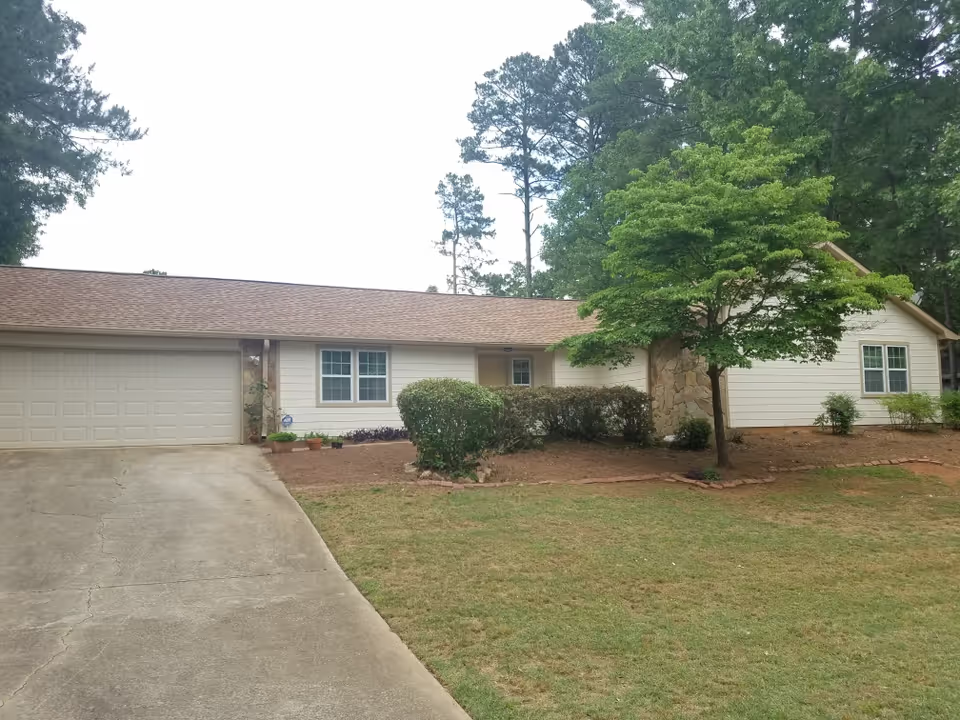
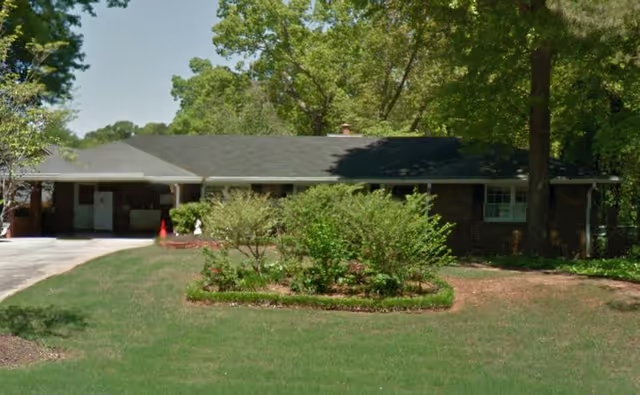
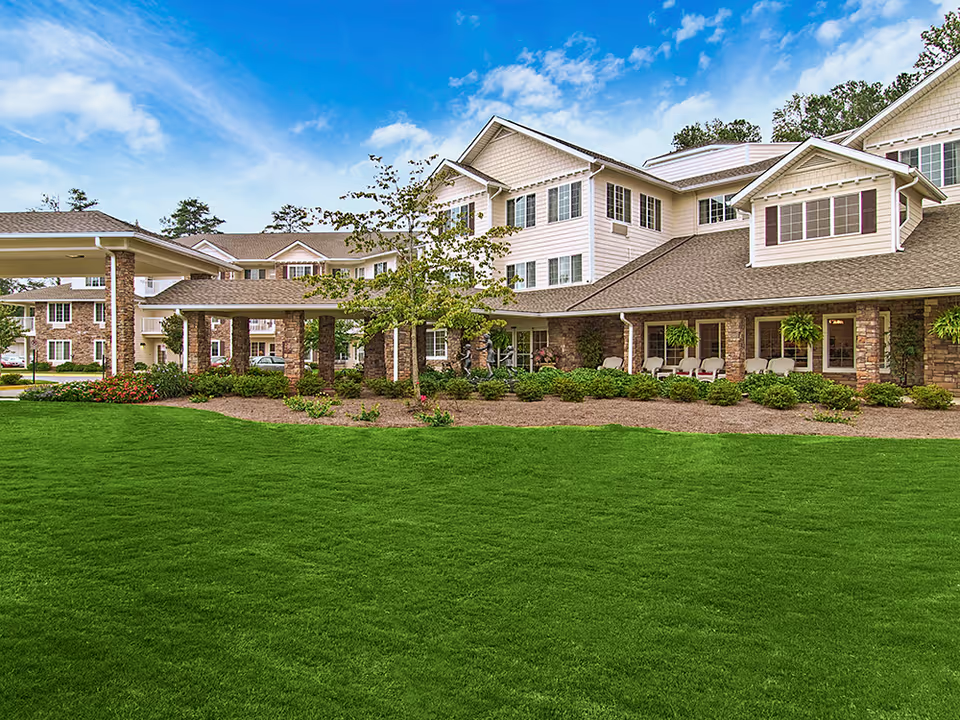
Physical plant and housekeeping feedback is variable. The property includes a maintained courtyard and some renovated areas, but reviewers also noted worn carpets, dark common spaces, and inconsistent housekeeping in resident rooms and bathrooms. These observations suggest an aging infrastructure with maintenance and sanitation backlogs that affect resident comfort and first impressions.
Management and administration show a pattern of instability. Multiple accounts reference leadership turnover, inconsistent communication, billing and coordination problems, and variable responsiveness to family concerns. Some periods of improved operation are described after management changes, but continuity of leadership and consistent administrative follow-through are recurrent concerns.
Notable patterns for prospective residents and families: the community can provide a supportive, activity-rich environment with caring staff and reasonable pricing options for many residents, but outcomes depend heavily on staffing levels and day-to-day management. Families who prefer robust clinical oversight or require high-dependency care may find gaps in monitoring and responsiveness; active family advocacy is commonly described as necessary to ensure consistent care. Prospective residents should evaluate current staffing ratios, ask about recent leadership changes, review dietary-management protocols, and tour memory-care spaces to assess suitability for higher-acuity needs.