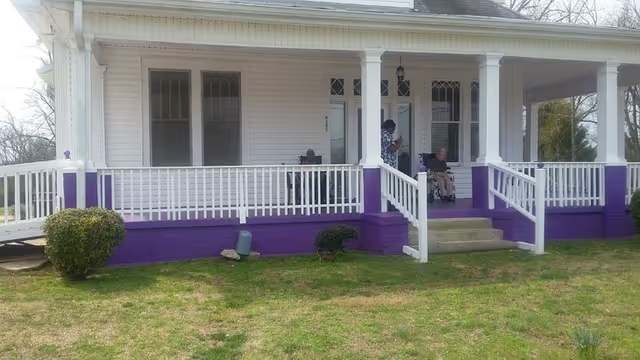
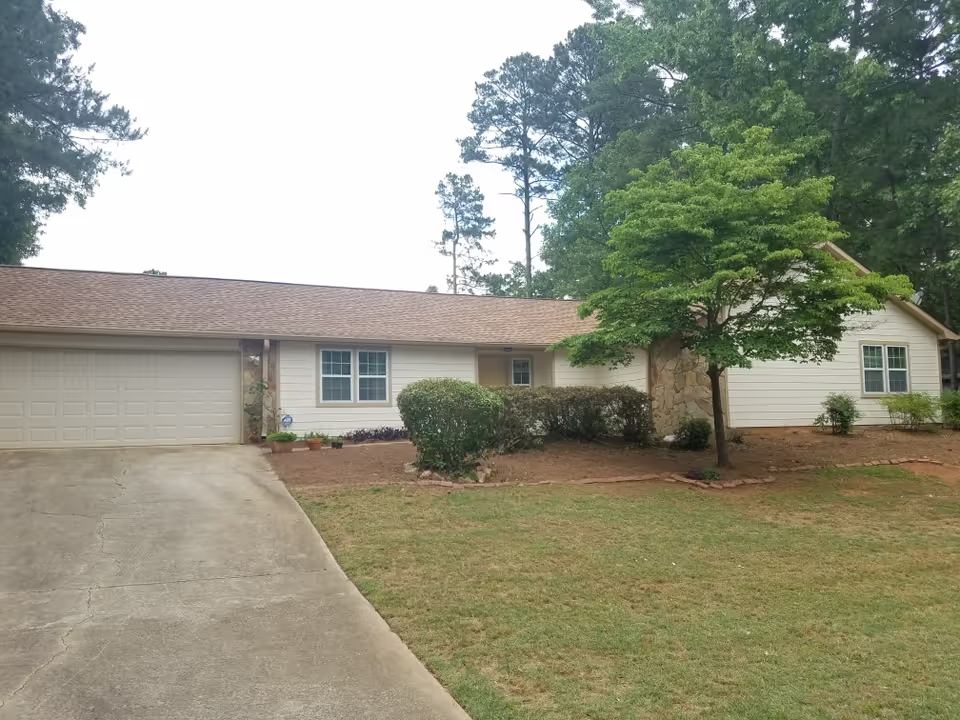
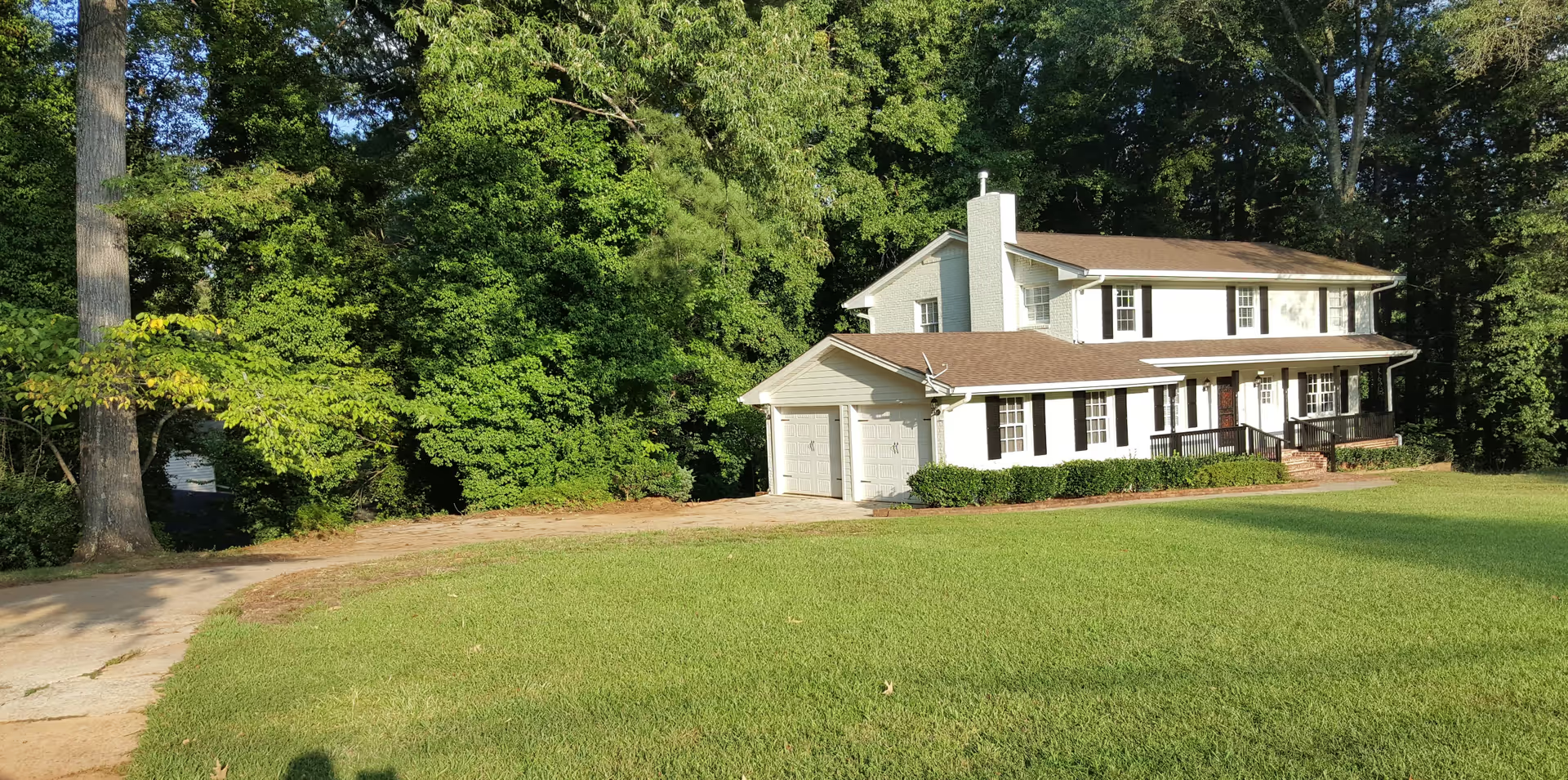
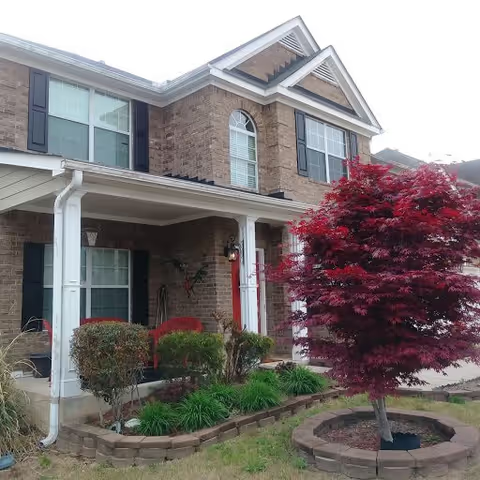
Patron Place PCH presents as a small, home-style care home with a strong emphasis on a domestic environment and individualized attention. The facility is RN-owned, maintains 24-hour CNA coverage, and advertises memory-care capability; reviewers commonly noted visiting physician services and a structured daily program. The six-resident capacity and apartment-style rooms support close family access and a home-like atmosphere, and security-camera monitoring and an attentive administrator were cited as operational strengths.
Care and staffing received generally positive assessments: many accounts describe professional, engaged staff who provide prompt updates and address concerns. The RN ownership and hands-on administrator are seen as sources of clinical oversight and responsiveness. However, the care model is consistent with a residential PCH rather than a nursing-home level provider; several families moved residents when higher-dependency skilled nursing was required. The small-staffing model that supports a close-knit environment can also produce variability in service continuity and activity availability.
Dining and daily programming are frequently praised. Home-cooked meals, a full three-meal plan plus two snacks, and a clean, spacious dining area were mentioned as positives. Recreational offerings include arts-and-crafts, jewelry making, bingo, card games, garden time, and entertainment visits; participation was generally good. That said, reports on activity frequency vary—some describe regular, engaging programming while others note limited scheduled activities—so programming intensity appears inconsistent across accounts. Weekend adult-day services are currently limited, with weekday coverage and stated plans to expand to Saturdays.
Facility condition and logistics are strengths: reviewers described a clean, odor-free environment, tidy common areas, and options for private or shared rooms and bathrooms. Privacy trade-offs exist with shared-room or shared-bathroom arrangements. Communication patterns are largely positive, with families receiving timely updates; contrasting accounts indicate inconsistent family access and interaction with staff in some cases.
A small number of more serious concerns are present and should be explored during any visit. A few reviewers raised allegations of confrontational staff interactions and decisions perceived as financially driven, including aggressive discharge practices. These assertions are not consistent with the majority of accounts but are significant enough to warrant direct inquiry about billing, discharge policies, staff conduct training, and grievance procedures.
Recommendation: prospective residents and family members should tour the home, observe mealtime and activity periods, confirm staffing ratios and clinical oversight for the resident’s anticipated level of need, review visitation and billing/discharge policies, and ask about weekend programming and contingency plans for higher-acuity transitions. These checks will help reconcile generally positive day-to-day impressions with the occasional serious concerns noted by others.