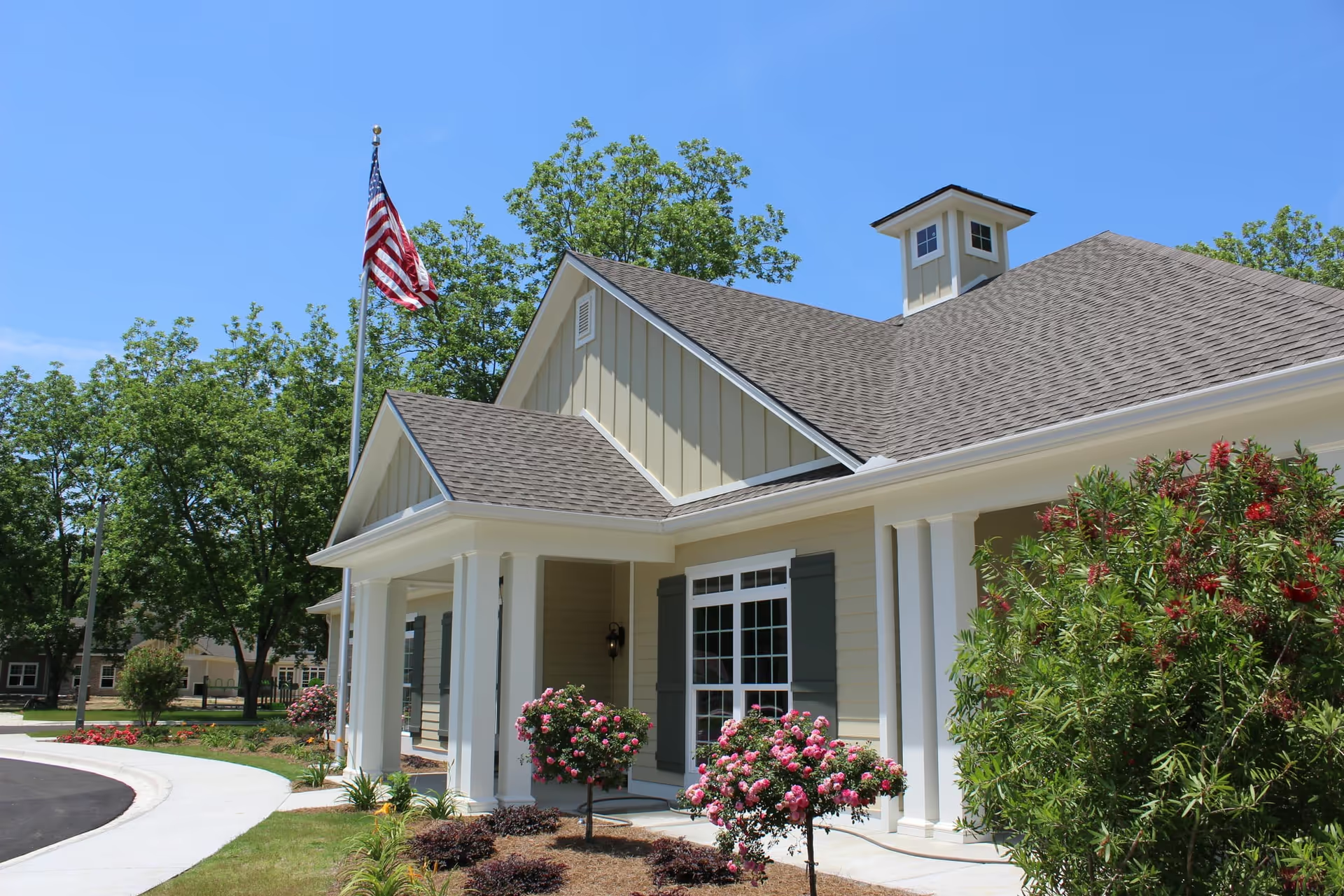
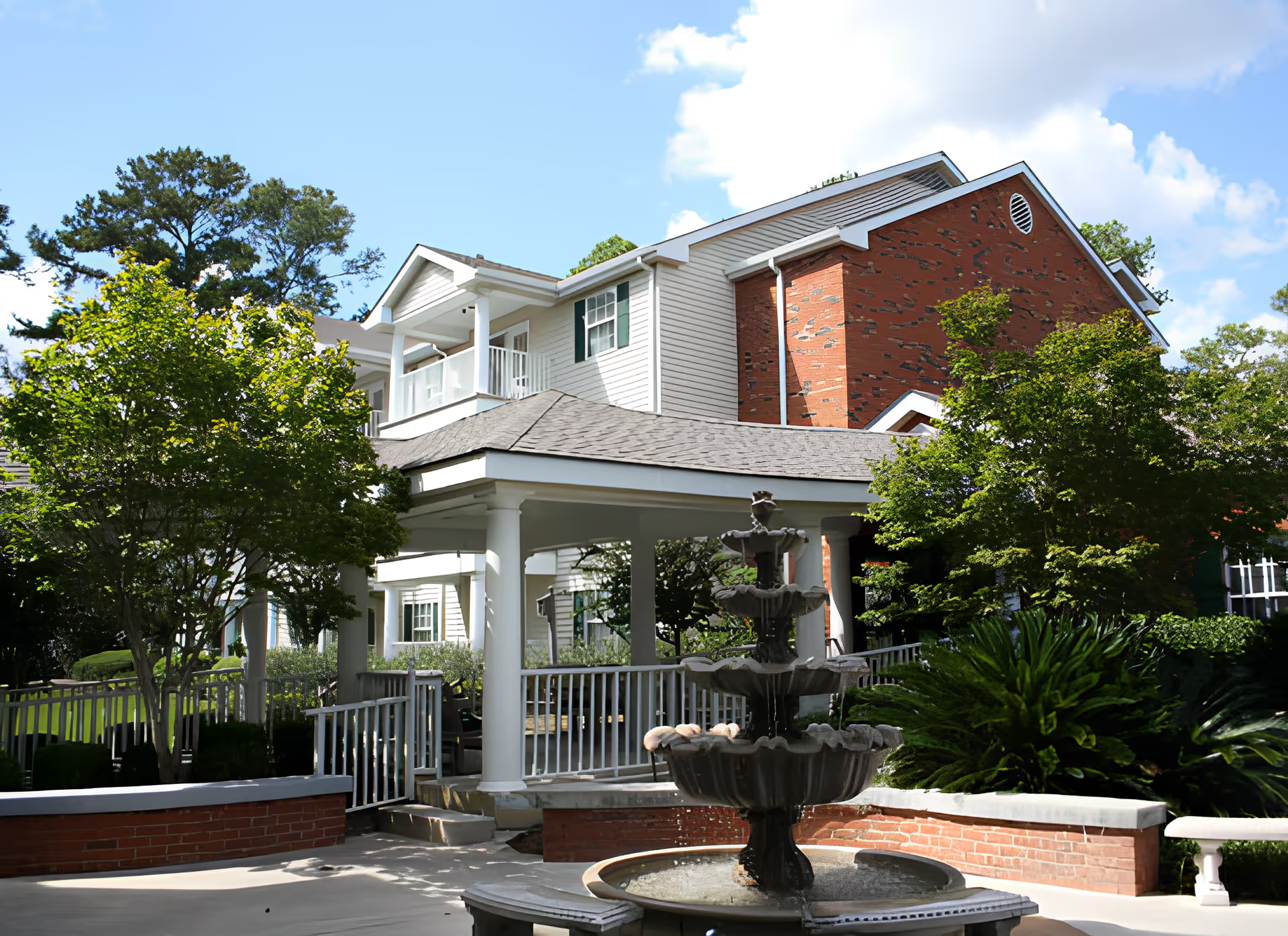
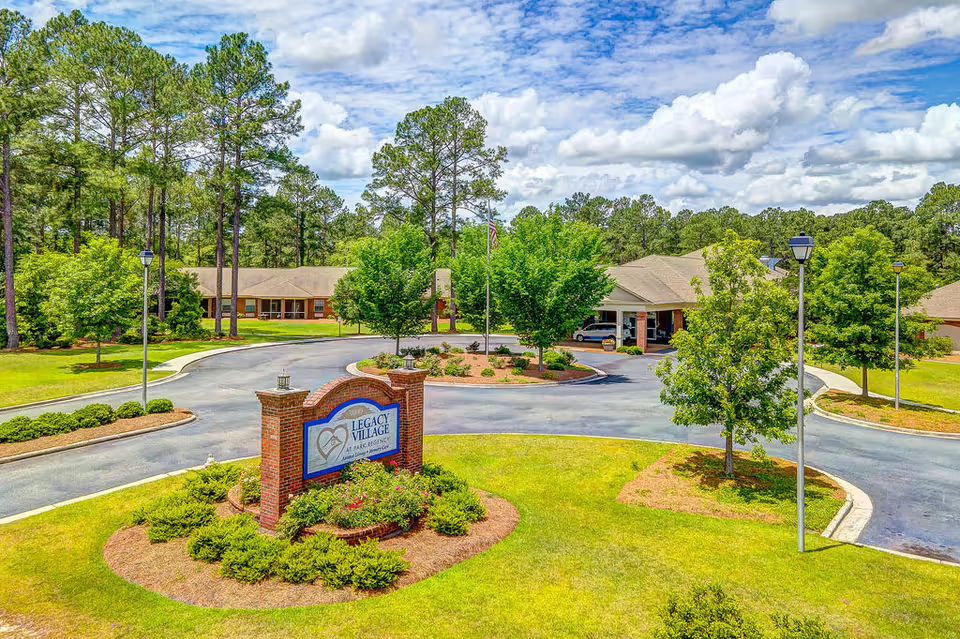
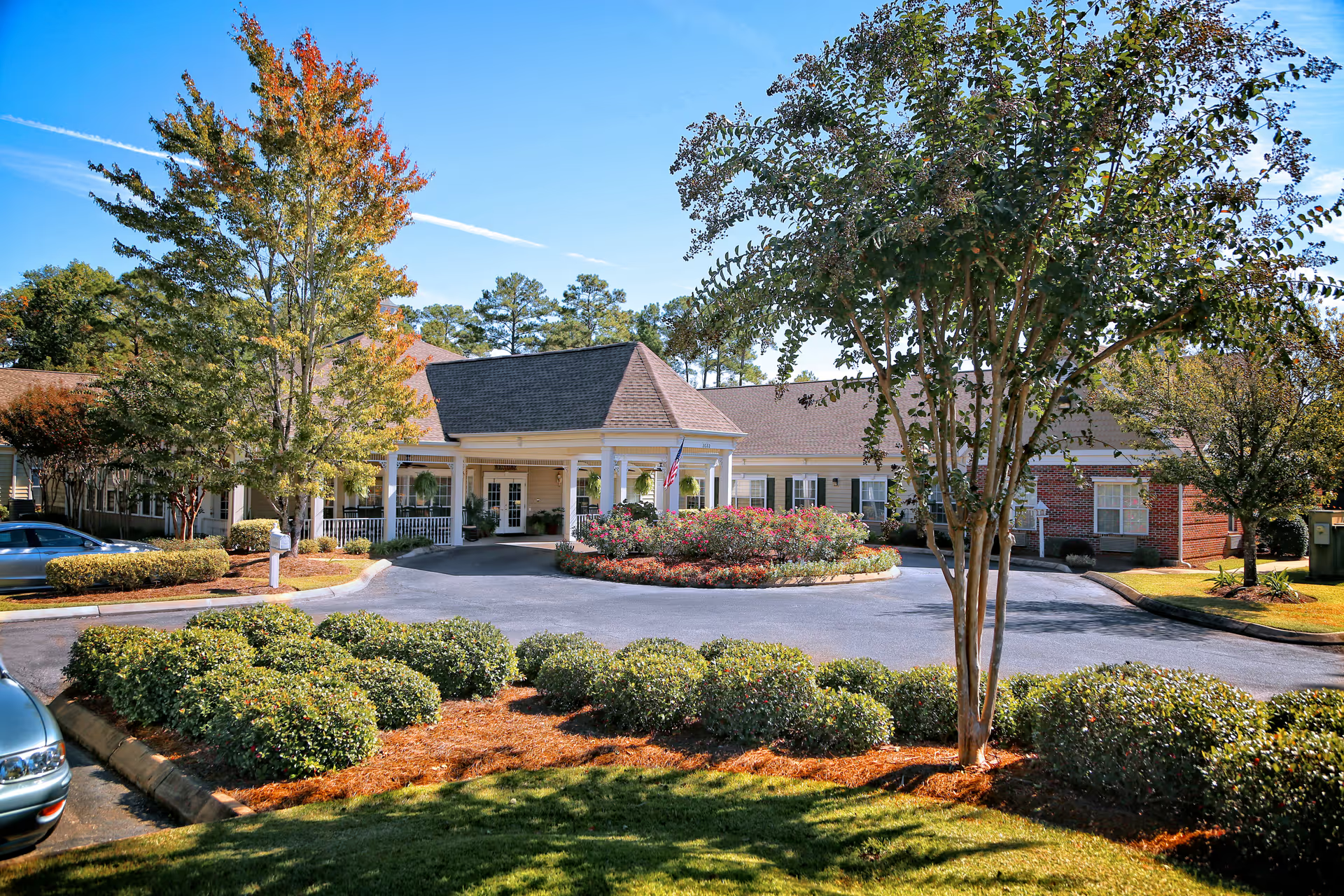
The Fellowship Brookside Assisted Living Community elicits a mixed but clarifying set of impressions. Many families describe a warm, family-style atmosphere with caregivers who are compassionate, attentive, and personally engaged; reviewers frequently praise specific staff and managerial figures for supportive communication and transition assistance. The facility has several tangible strengths: a remodeled and secure memory-care unit, spacious private rooms, bright and well-lit common areas, a comfortable dining room and lounges, on-site amenities such as a small movie theater and chapel, and attractive grounds that residents and visitors find pleasant.
Care quality appears uneven. Positive accounts emphasize committed, patient-centered caregiving, strong end-of-life support, and partnerships with Medicare-certified home health and podiatry services. At the same time, recurring operational concerns indicate gaps in clinical oversight — including instances where medication administration and other clinical tasks were handled by personnel perceived as insufficiently trained. Several reviewers noted delays in staff response to resident calls and situations that suggest weaknesses in resident-response protocols and transfer/fall-safety practices. These patterns point to variability in day-to-day care reliability despite pockets of strong, compassionate practice.
Staffing and management are central to the divergent experiences. The facility’s culture is frequently described as welcoming and family-oriented, and some administrators and directors receive specific commendation. However, reviewers also describe inconsistent staffing levels, relatively high turnover, and variability in professionalism and communication. Families are advised to ask about staffing ratios, training programs, and supervisory oversight when evaluating placement. Management is family-owned and appears open to expanding services, but there are also comments about inconsistent or unclear information regarding available services and activities — suggesting that marketing materials and on-site explanations may not always align with actual offerings.
Dining and activities present a similar contrast. The dining environment and furnishings are frequently praised, and many residents enjoy social programming such as bingo, sing-alongs, and occasional outings. Conversely, meal service quality and presentation are described as inconsistent, and some families noted a lack of structured physical-activity programming. Prospective families should observe a meal service and request sample activity calendars to assess fit, especially if nutrition or exercise are priorities.
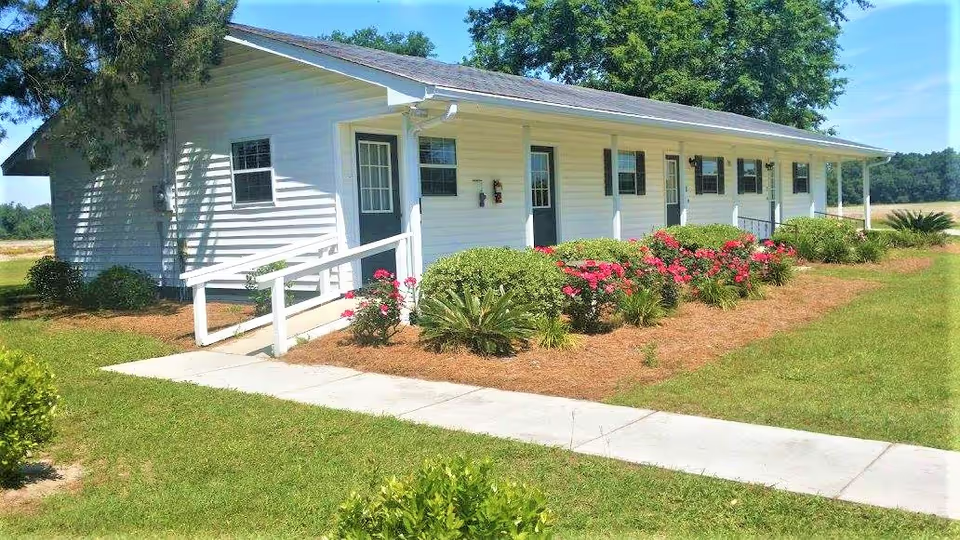
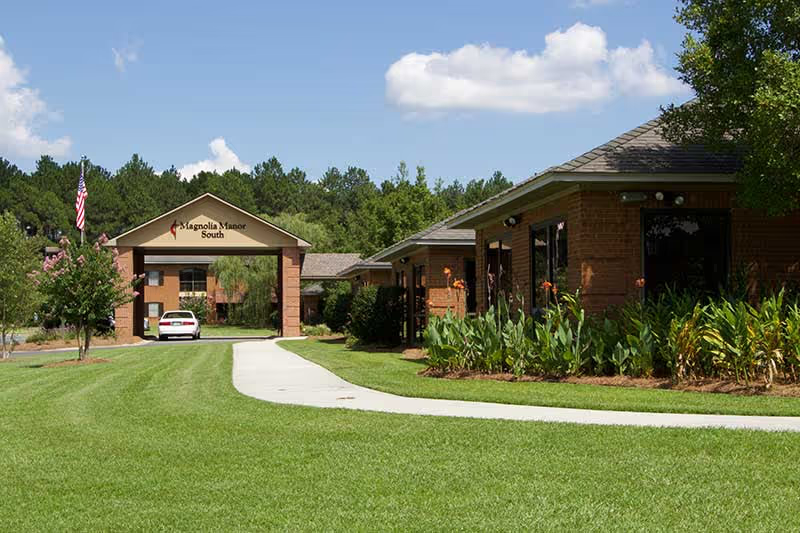
Facilities are generally regarded as modernized, clean, and pleasant, with bright day rooms, comfortable seating, and large windows. The secure memory-care wing and the presence of additional services (home health, podiatry) are strengths for residents with clinical needs. Operational issues such as misplaced laundry and occasional maintenance or remodeling needs were also reported and may reflect variability in housekeeping and property management processes.
Notable patterns are polarization of experiences and a mix of commendations for staff compassion with consistent operational concerns around staffing, training, communication, and infection-control practices. Prospective residents and families should plan an in-person visit to observe staff–resident interactions, mealtime operations, and activity participation; request written policies on medication administration, staff training, and infection control; and confirm how the facility documents and communicates incidents and care updates to families. Those steps can help determine whether Fellowship Brookside’s strong interpersonal culture aligns with the operational reliability your loved one requires.