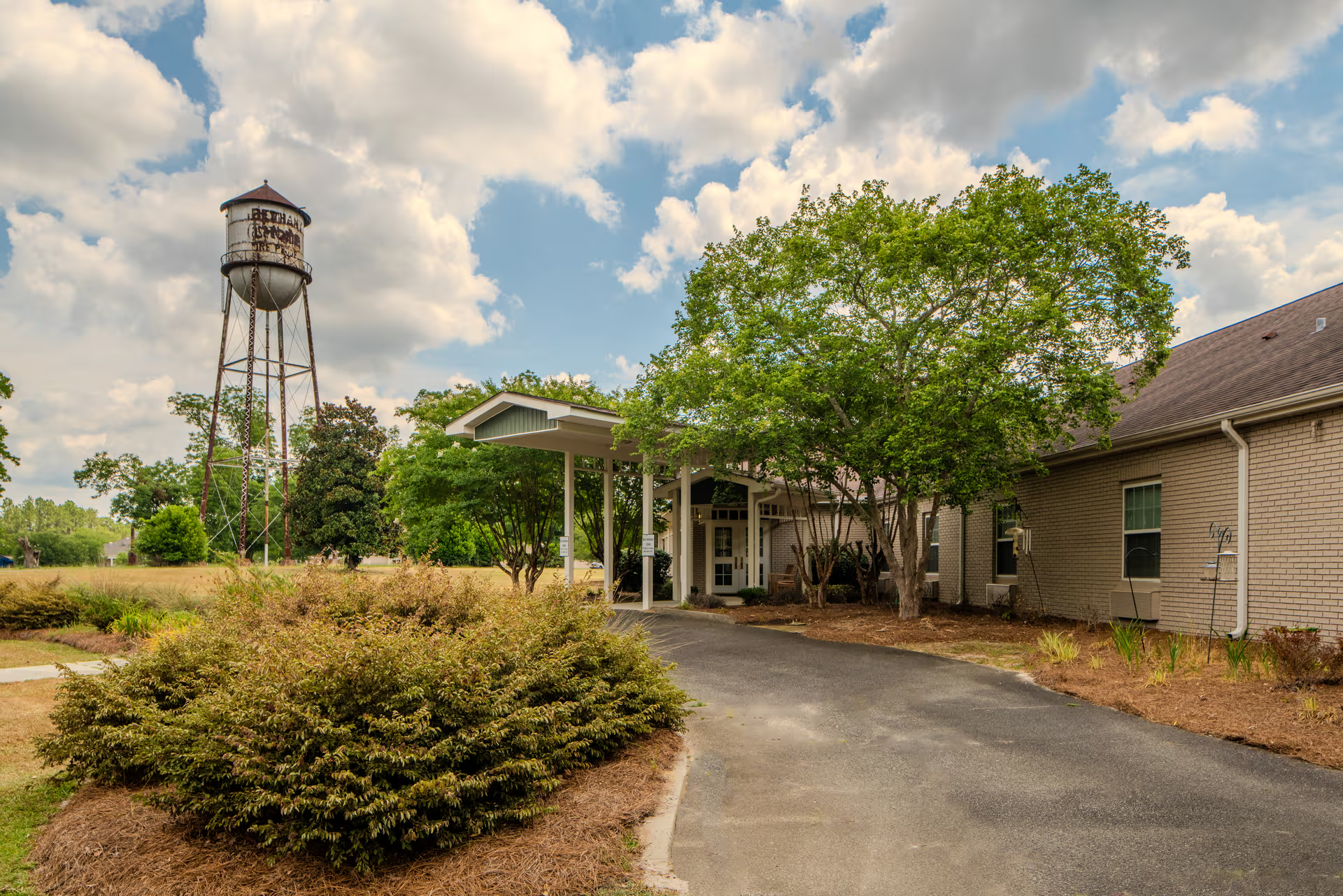
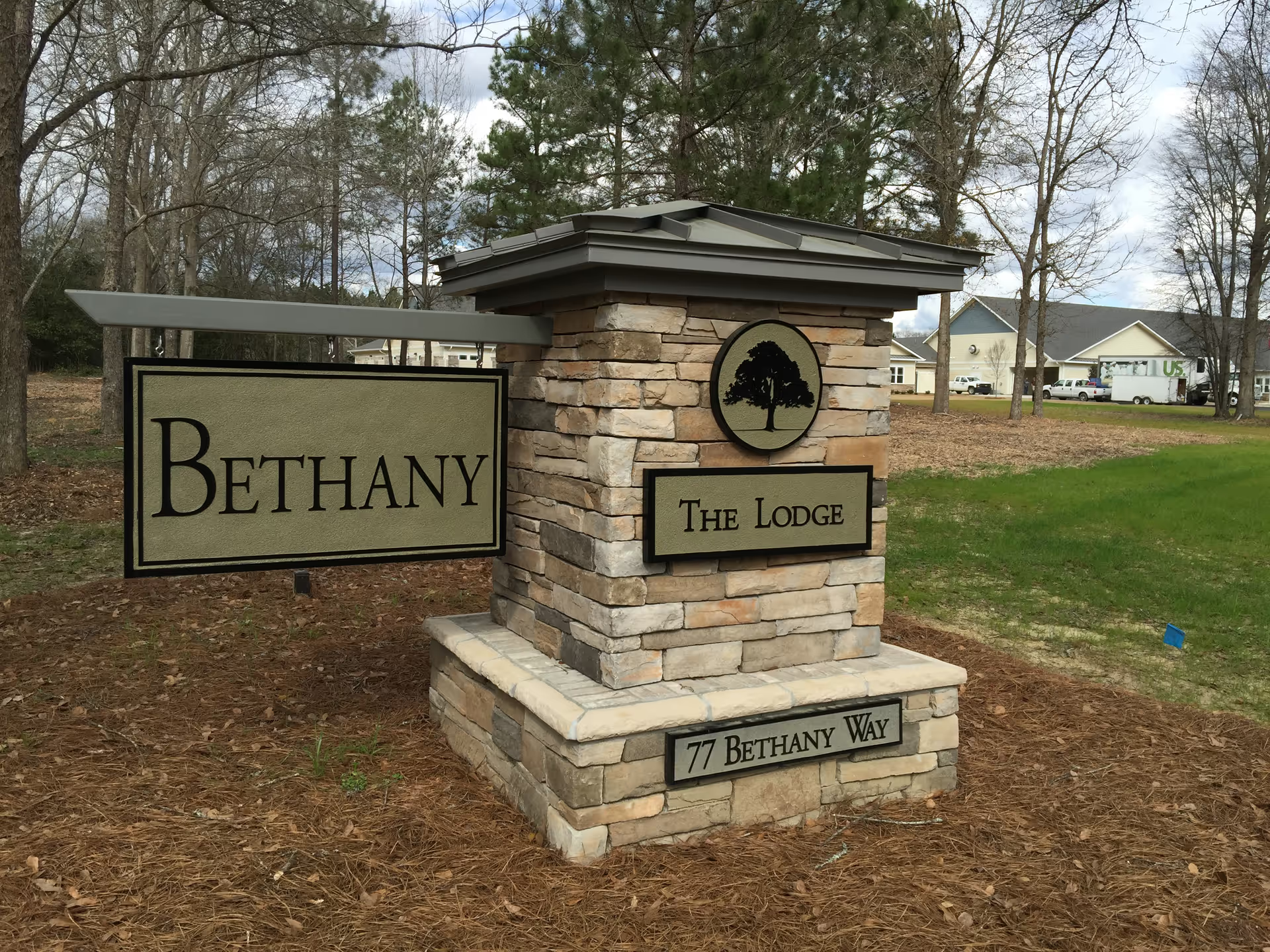
The reviews for The Oaks - Bethany present a mixed but consistent pattern: many families and residents praise dedicated direct-care staff and therapy services, while others report operational and management shortcomings that affect daily living and clinical oversight.
Care and staff: A frequent strength cited is the compassion and clinical competence of direct-care personnel — nurses, CNAs and therapy teams receive repeated positive mention for attentive care, rehab outcomes, and one-on-one responsiveness. At the same time, there are recurrent reports of inconsistent staffing levels (particularly on early and night shifts) that translate into delays in assistance, infrequent nurse rounding on certain units, and concerns about safety oversight when acuity is high. These contrasting accounts suggest pockets of strong staffing and individualized attention coexisting with episodes of understaffing or uneven shift coverage.
Dining and dietary management: Dining is another area of divergence. Several accounts describe hot, palatable meals and staff willing to honor special requests and dietary restrictions. Conversely, there are repeated concerns about variability in meal quality, unmet allergy or religious dietary needs, and food returned uneaten. These statements point to operational inconsistency in kitchen execution and meal monitoring rather than a uniform program failure.
Activities and social environment: The facility receives consistent positive feedback for activities, resident engagement, and a welcoming, family-oriented atmosphere. Reviewers note extensive programming, background music, and social events that contribute to a homelike environment. Admissions and social-work staff are also frequently described as helpful during transitions, particularly for short-term rehab stays.
Facilities and housekeeping: Many reviews compliment clean, tastefully decorated common areas and efficient laundry and maintenance services. However, others describe sanitation concerns, odor control issues in specific resident rooms and bathrooms, and deferred maintenance in parts of the building. This suggests variability in environmental upkeep across units and a need for more consistent housekeeping and facilities monitoring.
Management, communication, and billing: Management impressions are polarized. Some reviewers praise visible, responsive leadership and an open-door policy; others report communication breakdowns, slow or absent callbacks, and frustration with dispute resolution. Financial and billing processes are a recurring concern: families describe confusing billing or authorization procedures and, in a few cases, allegations of charges not aligning with delivered services. These patterns point to opportunities to clarify billing workflows and improve family-facing communication protocols.
Safety, infection control, and incident response: Infection-control events (including flu and COVID-related transfers) and episodes of delayed clinical notification are described in multiple accounts. Reviewers expressed concern about the timeliness of incident notifications (falls, transfers, or changes in condition) and coordination of follow-up care. Strengthening protocols for clinical monitoring, family notification, and outbreak management would address several of the safety-related themes that recur in the feedback.
Overall impression and actionable themes: The Oaks - Bethany demonstrates clear areas of strength—compassionate direct-care staff, strong therapy/rehab services, engaging activities, and effective housekeeping in many areas. Counterbalancing those strengths are operational inconsistencies: staffing variability, uneven sanitation and maintenance in parts of the building, communication and billing gaps, and variable meal execution. Prospective residents and families should weigh the facility’s strong clinical and social services against these operational considerations, and when evaluating placement, ask targeted questions about current staffing ratios, recent infection-control practices, room-level cleanliness audits, billing procedures, and how the facility communicates incidents and care-plan changes to families.