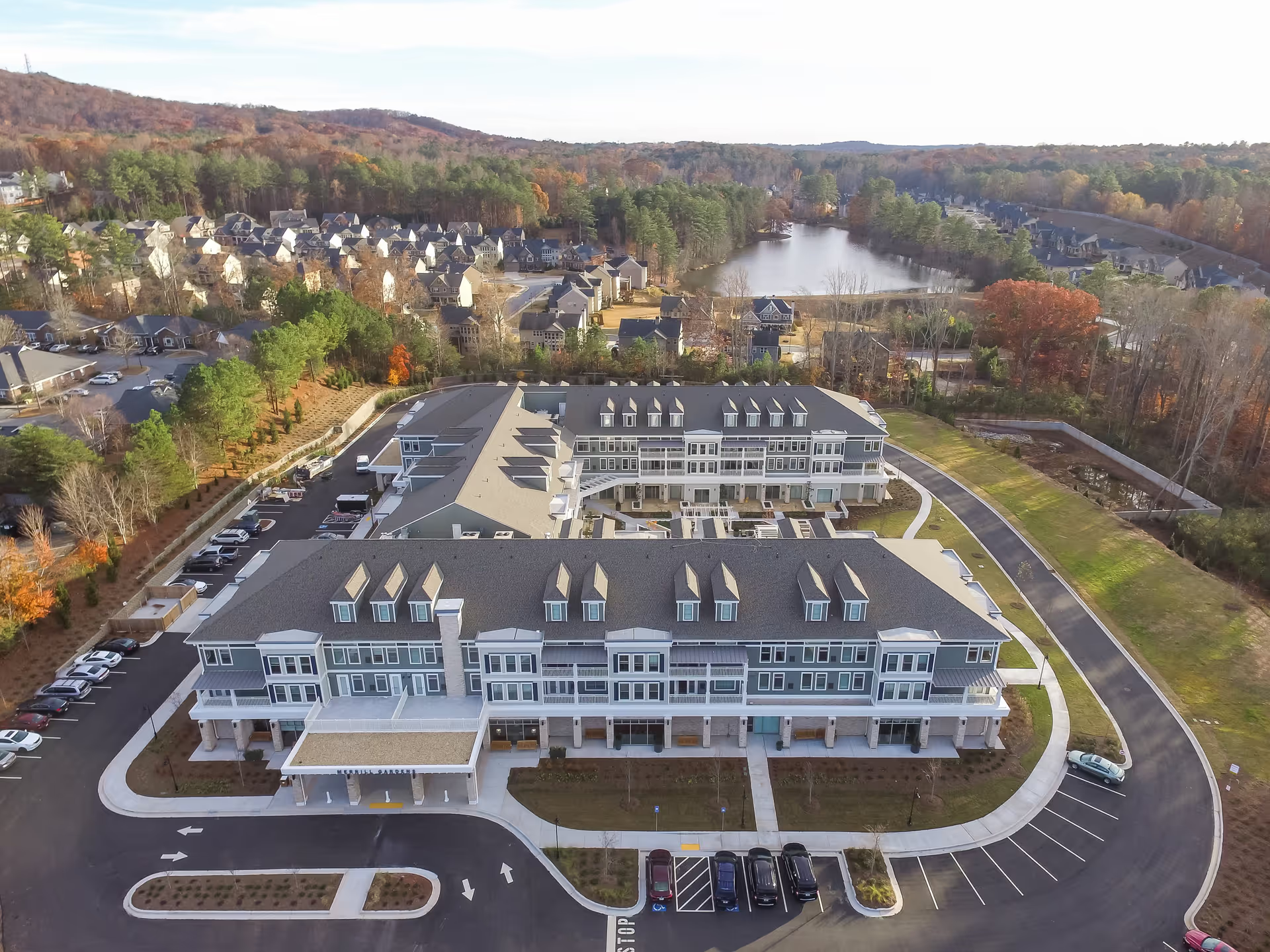
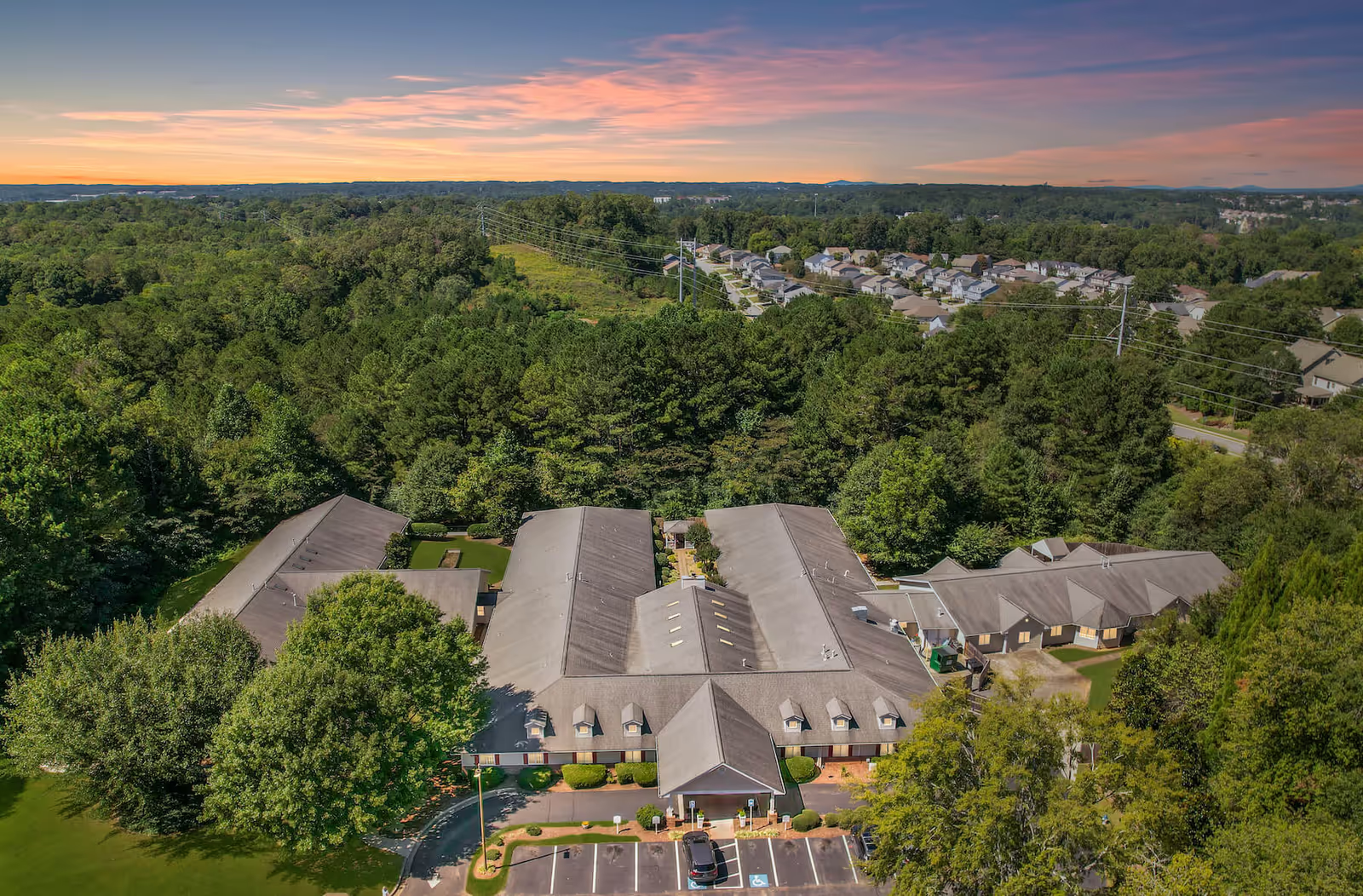
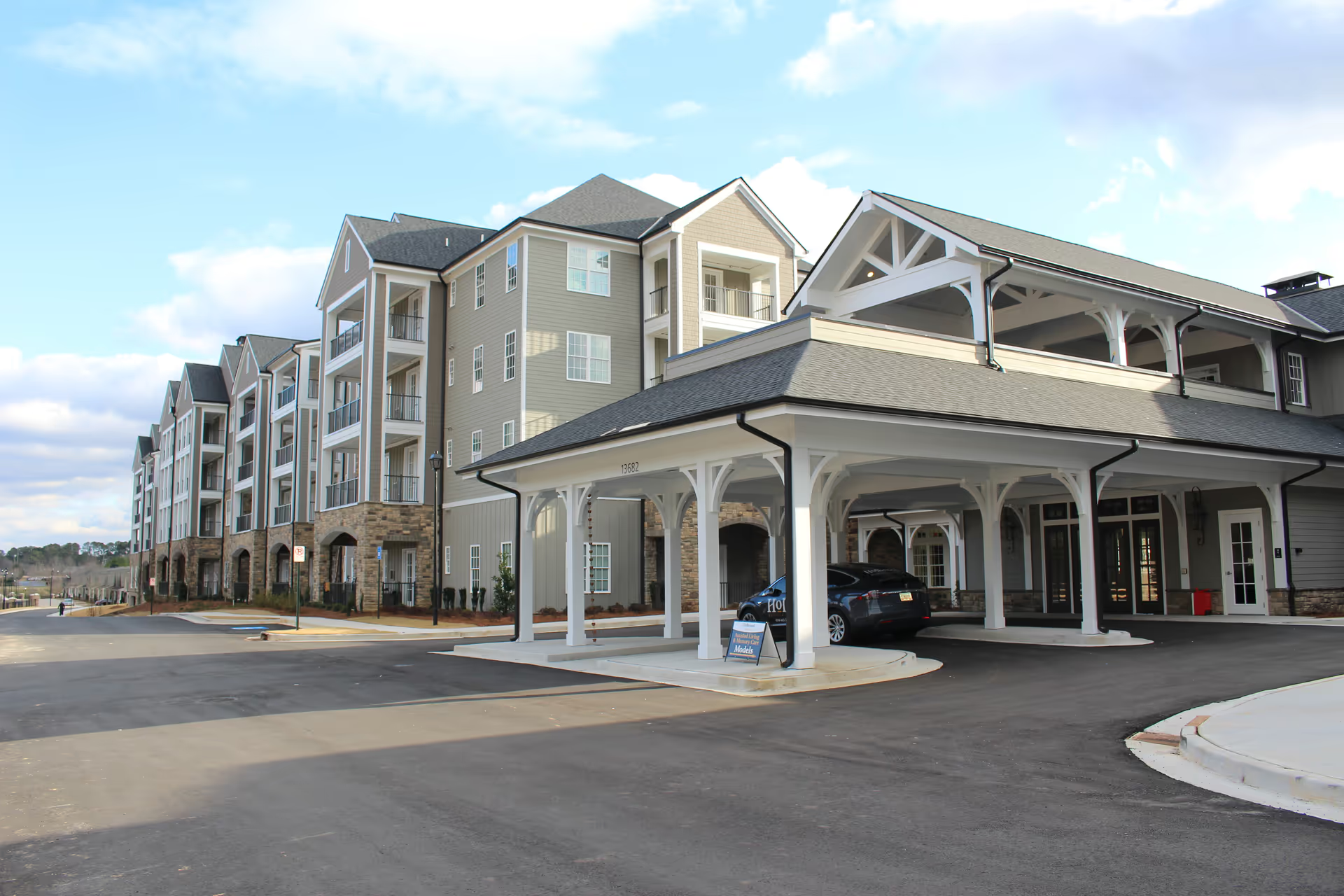
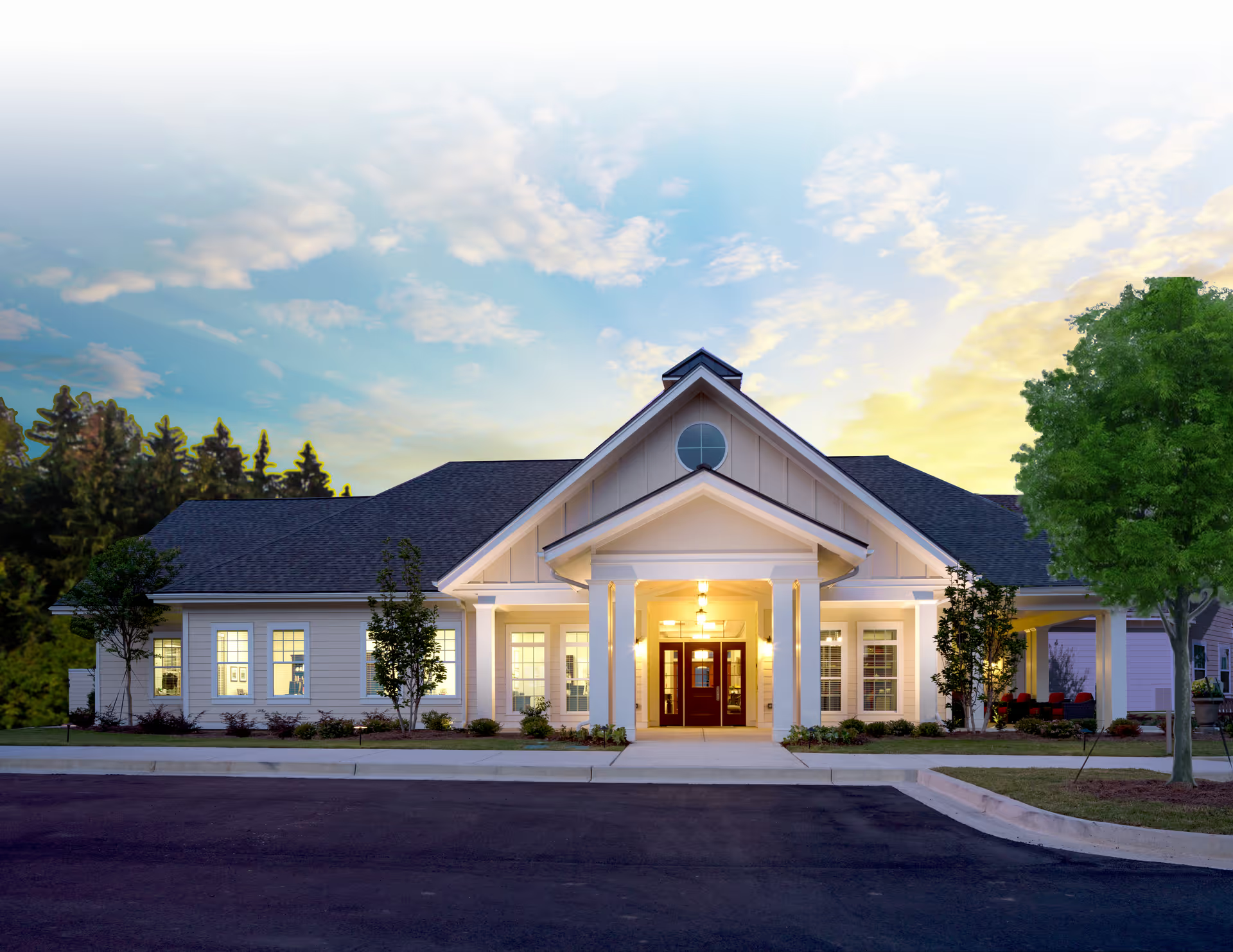
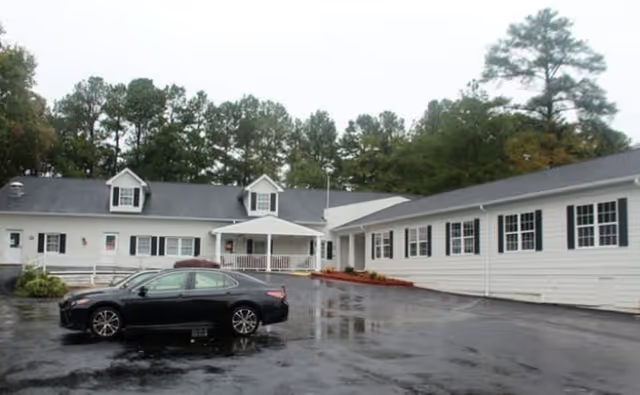
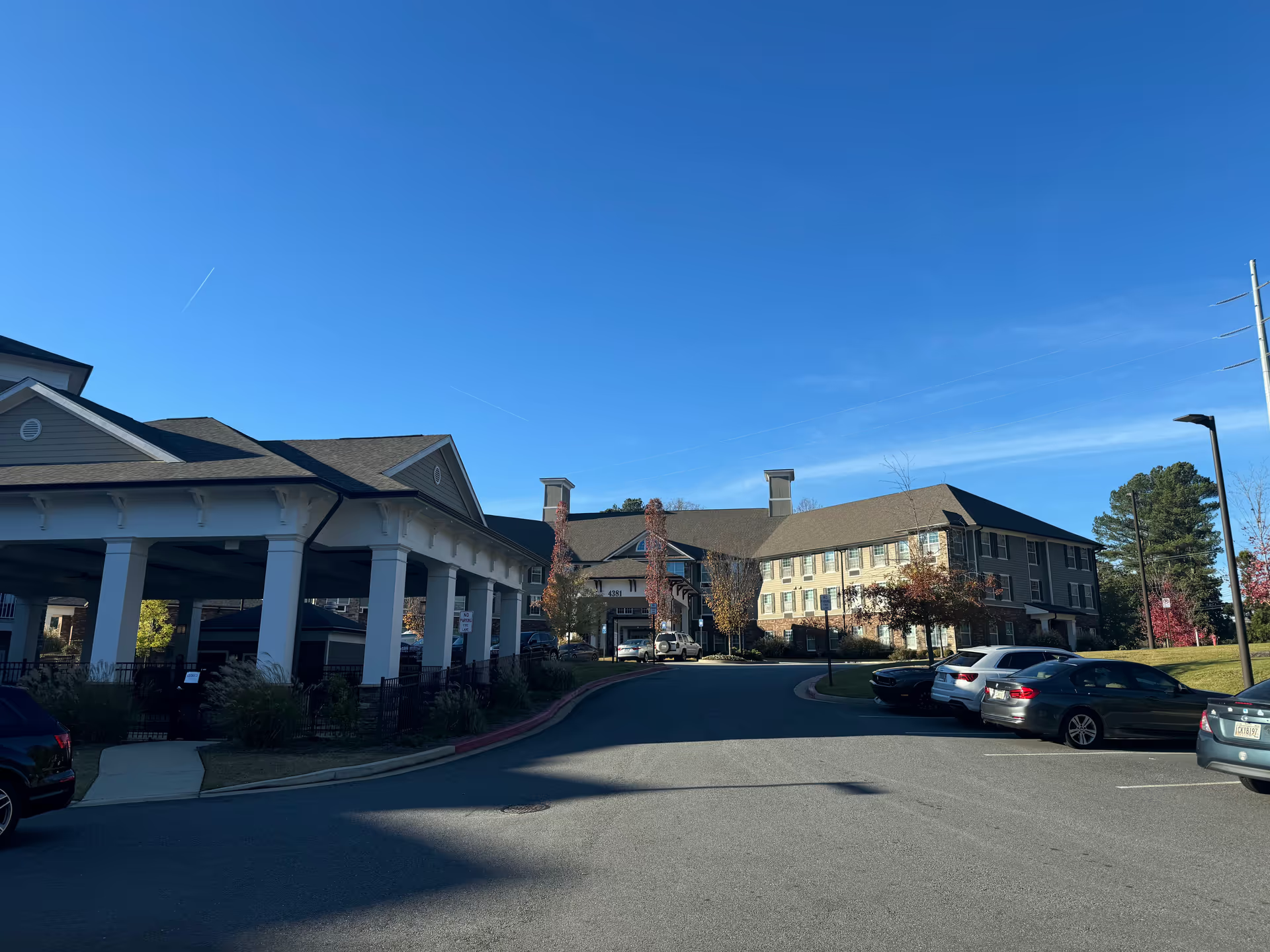
Overall impression: Benton House of Woodstock presents as a smaller, home‑like assisted living community with a number of features families find attractive: single‑level layouts in portions of the building, private patios or courtyard‑facing rooms, a chapel and salon on site, and a bus for outings. Many reviewers highlight the facility’s memory‑care capability and on‑site clinical presence (physician and nurse practitioners), as well as availability of furnished short‑term stays and assistance with VA benefit paperwork. These structural and programmatic elements support a resident experience that many families describe as comforting and personalized.
Care and staff: The dominant positive theme is compassionate, attentive caregiving. Reviewers frequently note staff who check in often, respond to needs, and provide supportive end‑of‑life care. Several families named activity and nursing leaders as particularly effective, and many attributed improvements in resident wellbeing to staff engagement. That said, reviews indicate variability in staff professionalism and training; some families report strong, consistent performance while others experienced lapses that suggest uneven staff onboarding, coverage, or retention. Staffing coverage gaps—most notably on weekends or at the front desk—were cited as an operational weakness that can affect visitor experience and access to timely assistance.
Dining and housekeeping: Dining receives mixed feedback. Multiple reviewers praised certain meals and social dining experiences, but there is a recurring concern about inconsistent meal quality and food temperature at service. Housekeeping is generally described as adequate, with weekly laundry offered, but there are also comments about laundry handling and misplaced personal items that point to process weaknesses in belongings management and inventory control.
Activities and social life: Activity programming and social opportunities are a clear strength for many residents. Families reported active schedules, outings, and a robust memory‑care activity set that keeps residents engaged. There are, however, occasional mismatches between advertised and actually delivered outings or frequency of trips; prospective residents should clarify current outing schedules before committing.
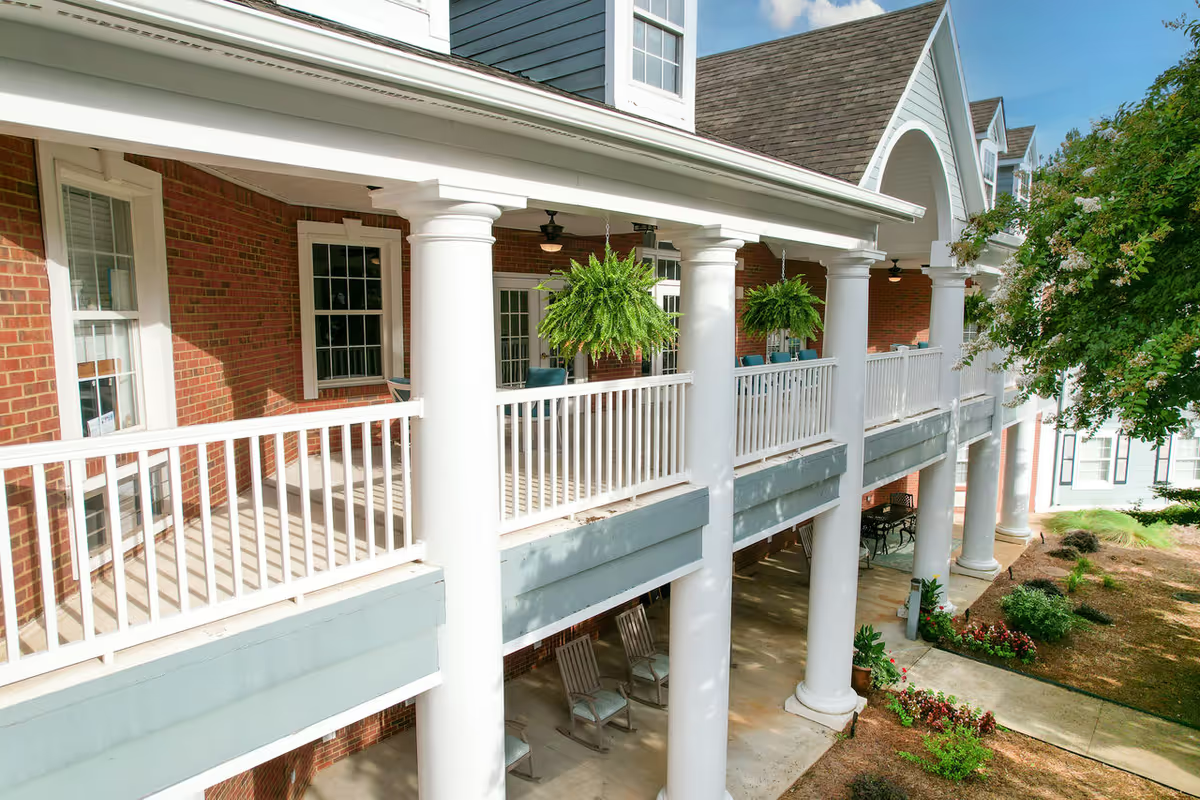
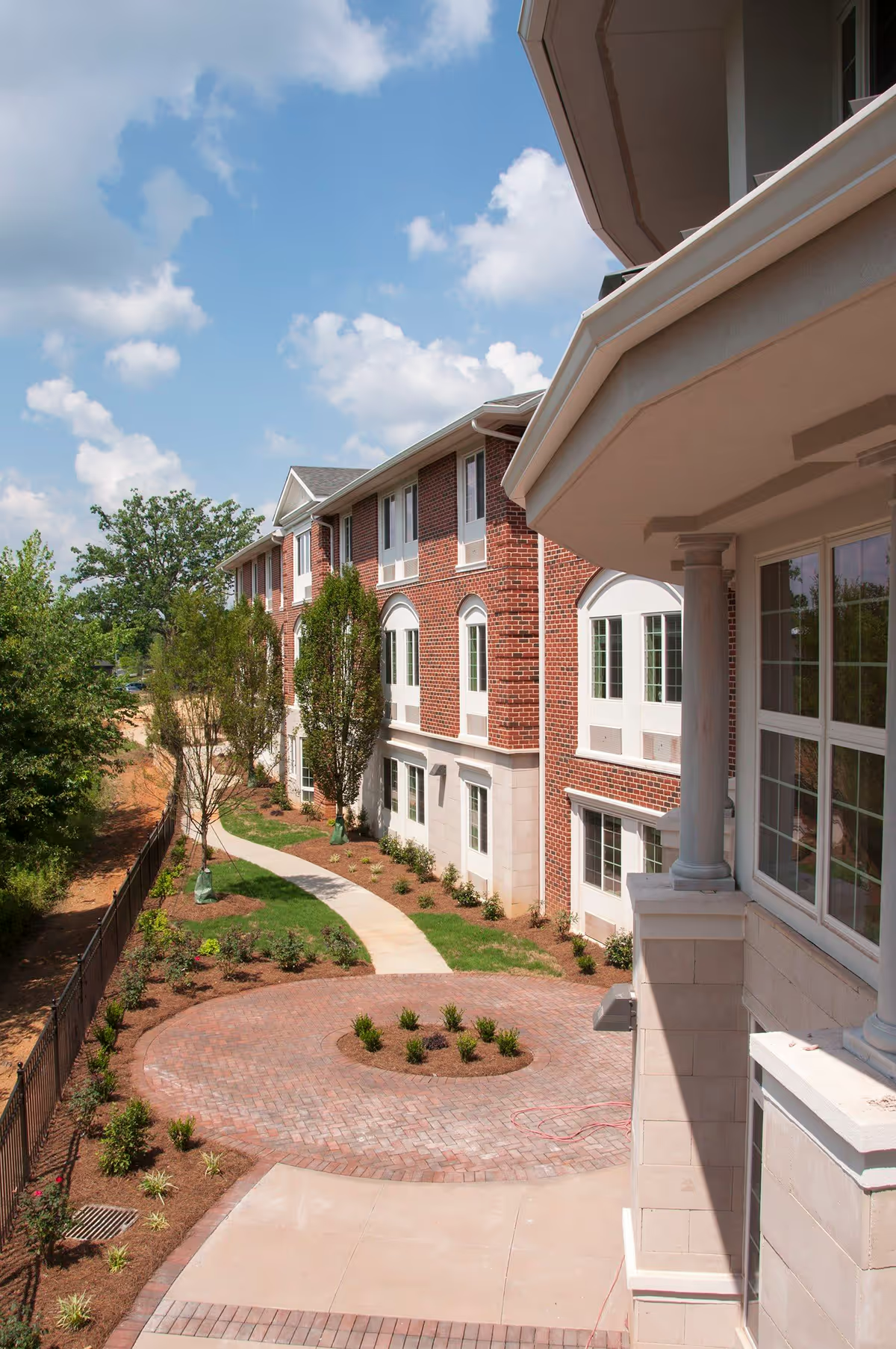
Facilities and cleanliness: The facility’s physical environment is often described as clean and well kept, with a homelike ambiance in many areas and attractive outdoor spaces that residents enjoy. A smaller footprint contributes to a family‑like atmosphere but also means limited common areas in some parts of the building. A minority of reviewers mentioned sanitation and odor concerns in certain areas; these comments indicate areas for ongoing environmental quality monitoring.
Management and operations: Management gets mixed evaluations. Some families praised strong communication and responsiveness from leadership; others described inconsistent follow‑up, unclear information during tours, and operational disorganization (for example, unattended front desk or poor weekend tour handling). There are also reports of clinical coordination problems, including communication breakdowns about medical decisions; one review referenced an allegation of an unsafe medical decision, which underscores the need for clear clinical oversight and family communication protocols.
Notable patterns and recommendations for prospective families: Benton House of Woodstock appears well suited to families seeking a small, community‑oriented setting with strong dementia support, engaged activities, outdoor access, and staff who can provide compassionate day‑to‑day care. Prospective residents should, however, verify specifics that emerged as recurring concerns: current meal service quality and hot‑service procedures, weekend and front‑desk staffing plans, processes for handling laundry and personal belongings, practices for clinical decision‑making and family notification, and the current availability of rooms (limited availability was frequently mentioned). Also confirm pricing details and what the all‑inclusive package covers, and ask about any recent operational changes (staff turnover, kitchen leadership, or infection‑control policies) that could affect experience.
In summary, the facility demonstrates strong person‑centered strengths and active memory‑care programming, balanced against operational inconsistencies in dining, staffing coverage, and certain logistical processes. An in‑person visit focusing on the specific operational questions above will help determine whether the community’s strengths align with a particular family’s priorities.