The review set presents a polarized picture of Regency at Hualalai: many families and residents praise the community’s staff, amenities, dining, and activities, while other accounts describe operational inconsistencies and more serious service gaps. Overall impressions cluster around two core experiences — a well-appointed, active campus with strong social programming and culinary strengths, and recurring administrative and care-process weaknesses that can affect daily living and clinical reliability.
Care quality and clinical operations: Numerous comments highlight compassionate, attentive caregiving and an engaged wellness office that provides regular updates and family involvement. At the same time, reviewers point to inconsistent execution of care plans, slow nurse responses, and variability in medication management practices (including an associated dispensing fee). There are specific concerns about continuity of care stemming from high staff turnover and occasional delays or lack of follow-through on planned care. In the memory-care unit reviewers identified particular shortcomings related to unit design, small resident spaces, and insufficient staff time for residents with higher needs; those concerns suggest gaps between advertised level-of-care and on-the-ground support.
Staff and management: Staff are frequently described as friendly, caring, and effective at social integration, and certain clinical leaders (for example, a head nurse) received strong praise. However, administrative responsiveness is uneven: communication from administrative and frontline staff can be inconsistent, requests may be slow to be addressed, and families reported difficulties getting reliable updates. Billing practices and transparency are another recurring theme — reviewers describe unexpected upcharges, double charging, and confusion about meal and service fees. There are also reports of governance and access-control problems that indicate a need for clearer policies and stronger oversight; in a few cases allegations of financial misconduct and security incidents were raised, pointing to the importance of thorough due diligence.
Dining and activities: Dining is one of the facility’s strongest features for many residents — reviewers mention a chef-driven menu, themed meals, and a variety of appealing offerings. Conversely, some accounts note pressure to dine in the main dining room, additional charges for delivered meals, and occasions when paid deliveries were not consumed, indicating inconsistent meal-service handling and charge practices. Activities are consistently described as robust and effective at promoting socialization and mobility: musical events, water aerobics, dances, and daily programming were repeatedly cited as positive contributors to resident quality of life.
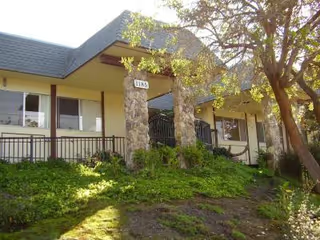
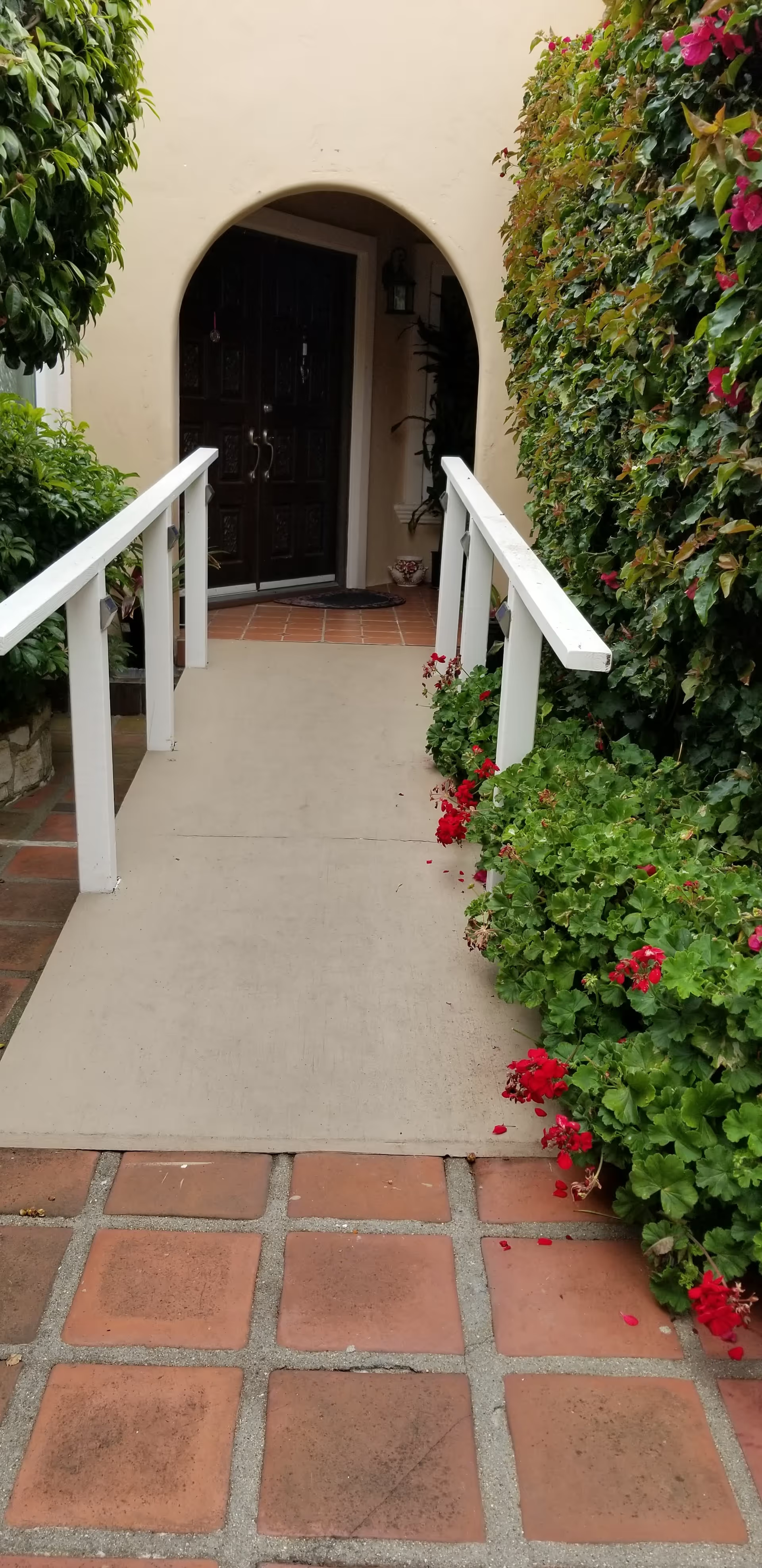
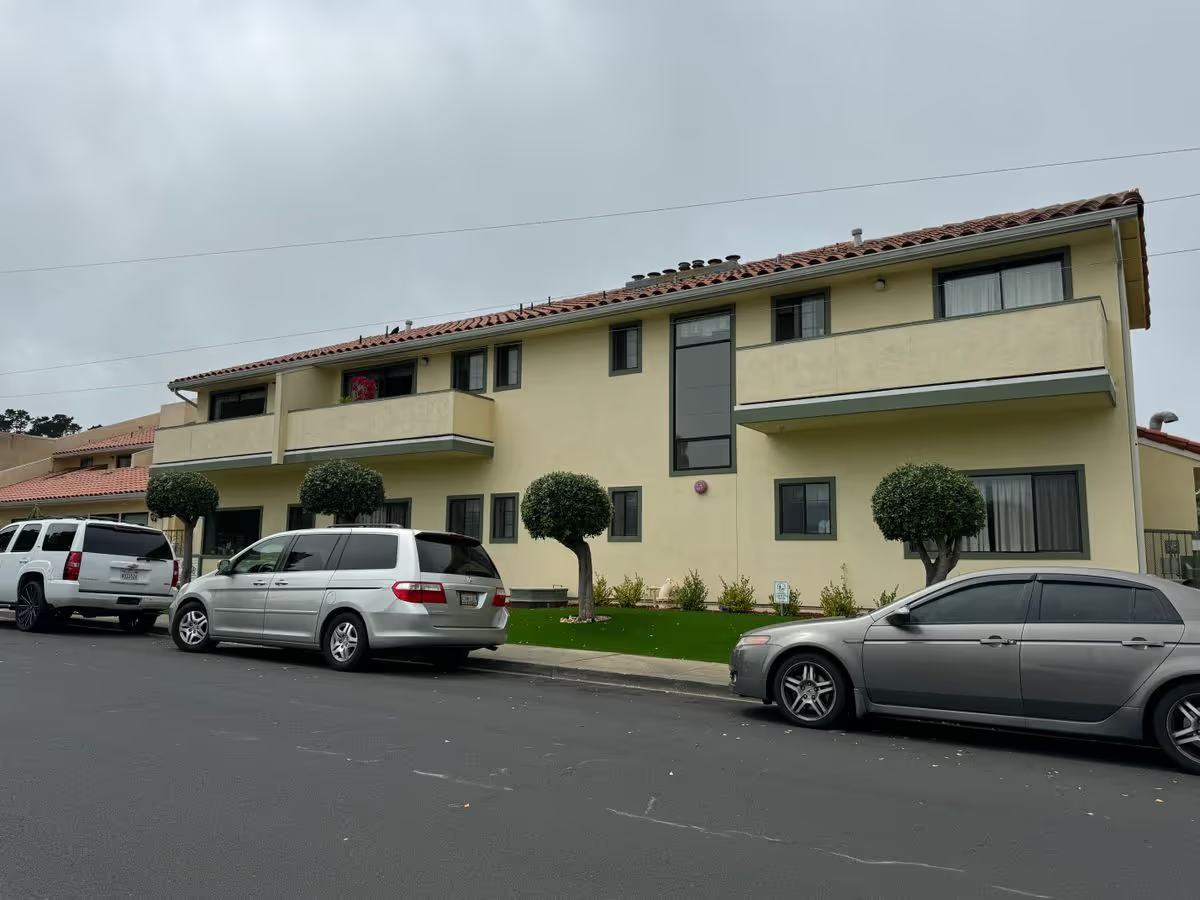
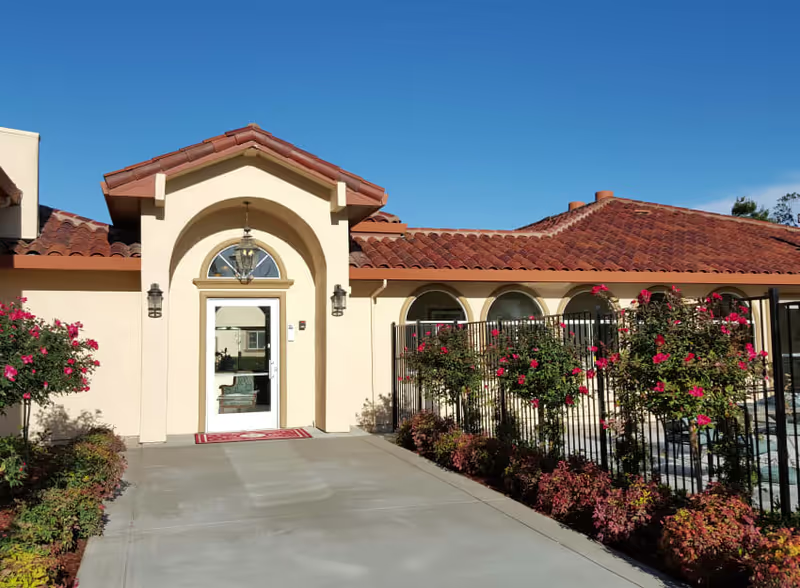
Facilities and amenities: The campus is frequently described as clean, modern, and hotel-like with attractive common areas, exercise facilities, pool, and scenic views. Several reviewers praised facility upkeep and planned remodels. Nevertheless, there are intermittent housekeeping and sanitation issues reported in specific areas and units, as well as odor concerns in parts of the community; these point to variability in environmental services rather than a uniform standard.
Notable patterns and guidance for prospects: Reviews are markedly mixed — many strongly recommend the community for independent and assisted living needs, while others advise caution, particularly regarding memory care, billing transparency, and operational consistency. Prospective residents and families should verify current staffing ratios, ask for detailed medication-management and incident-response protocols, review billing and extra-fee policies in writing, inspect memory-care room sizes and common-space ventilation, and ask how security and access are managed. An in-person visit focused on both the social environment and specific operational practices will best clarify whether this community’s strengths align with an individual’s care needs and expectations.