Overall impression: The facility consistently receives strong praise for its clinical and rehabilitative care, with many families and visitors describing nursing, CNA, and therapy teams as compassionate, professional, and effective. Physical and occupational therapy are a repeated strength, with measurable improvements in mobility and confidence noted during rehabilitation stays. Reviewers commonly cited successful return‑to‑baseline outcomes after short‑term rehab and specific praise for therapists who provided individualized attention.
Care and staff: Nursing and caregiving staff are frequently described as attentive and caring; CNAs and nurses are credited with providing day‑to‑day support, grooming and bathing assistance, and medication administration. At the same time, recurring operational patterns indicate staffing pressure — caregivers are often described as overworked, and that workload appears to contribute to inconsistent responsiveness and occasional delays in checking on residents. There is variability in staff interpersonal tone: many staff are described as warm and welcoming, while some encounters were characterized by short temper or brusque communication. Families valued regular updates and found clinical teams and social workers informative and organized when communication channels were used effectively.
Dining and daily living: The dining program, kitchen team, and hospitality elements receive mixed but generally positive comments. Several accounts praise meal quality, accommodating requests, and helpful dining staff; others note inconsistencies in food service and suggest the kitchen could be evaluated for reliable delivery and menu consistency. Common‑area amenities such as dayrooms and lounges are used for music, movie programming, and social events. Noise level in dining areas (for example loud TVs) and variability in room climate control (humidity/warmth in some rooms) were occasional inconveniences mentioned by visitors.
Activities and social environment: The campus offers an active schedule including music, singing, ukulele, spiritual programming, and exercise classes; these activities are frequently credited with improving resident mood and engagement. Nonetheless, a pattern emerged that some residents experience limited social interaction and loneliness, indicating uneven participation or outreach. Volunteer involvement, spiritual visits, and family‑friendly visiting policies (including generous visiting hours and technology access for remote greetings) were highlighted as strengths that support connection.
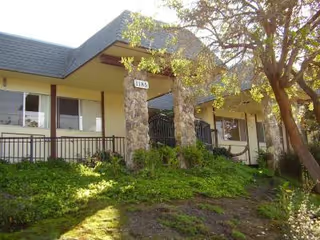
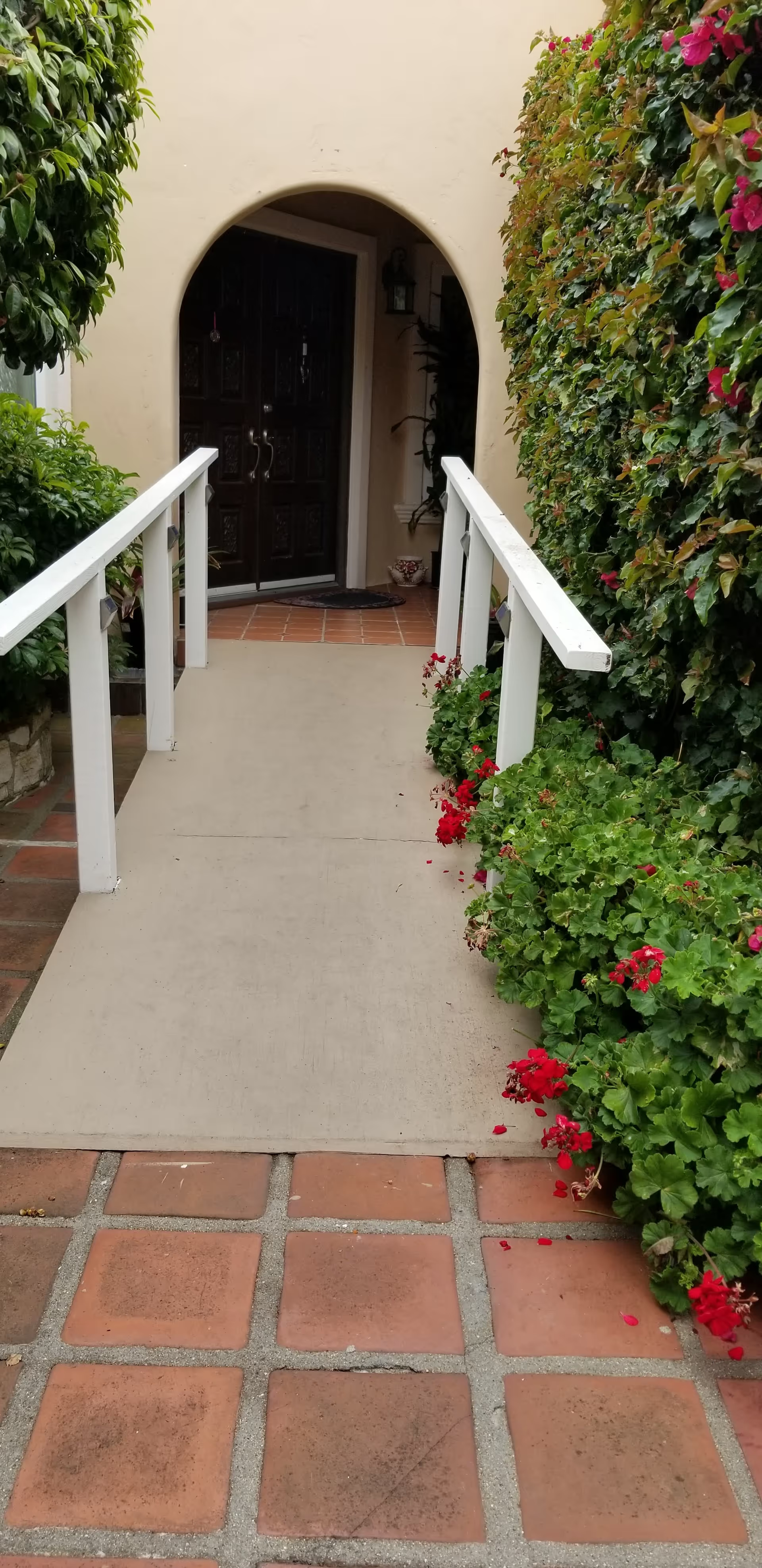
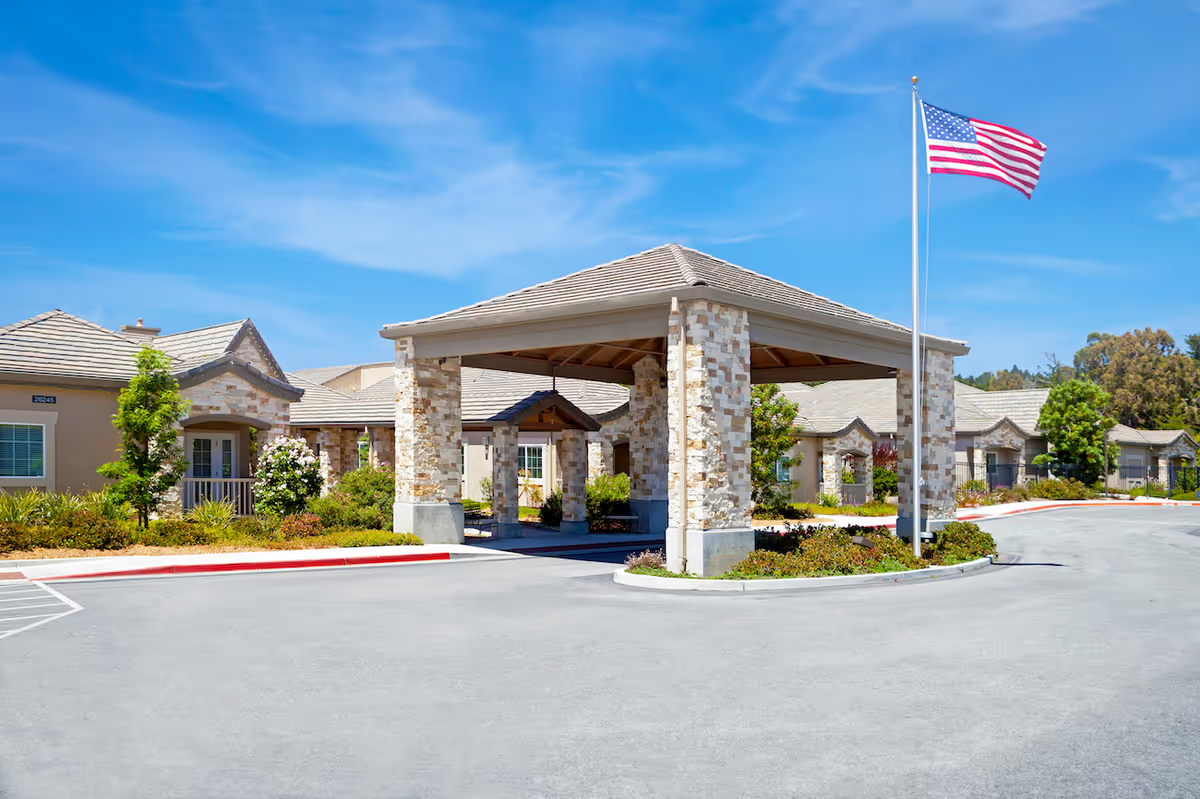
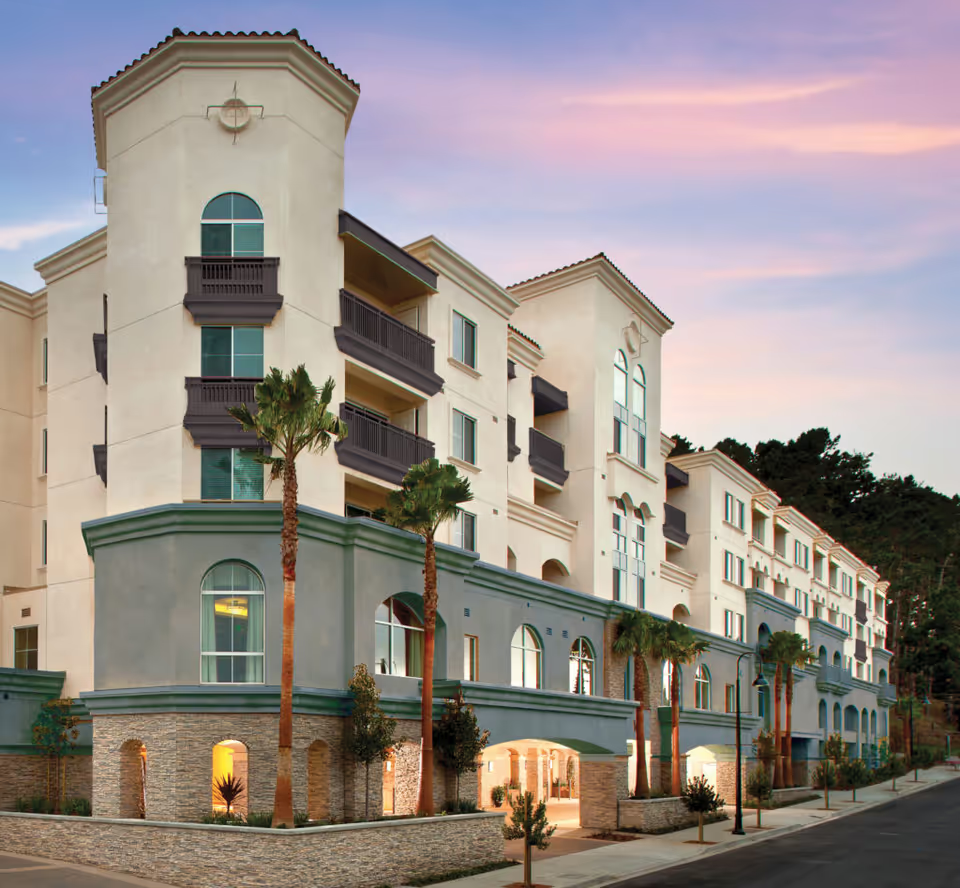
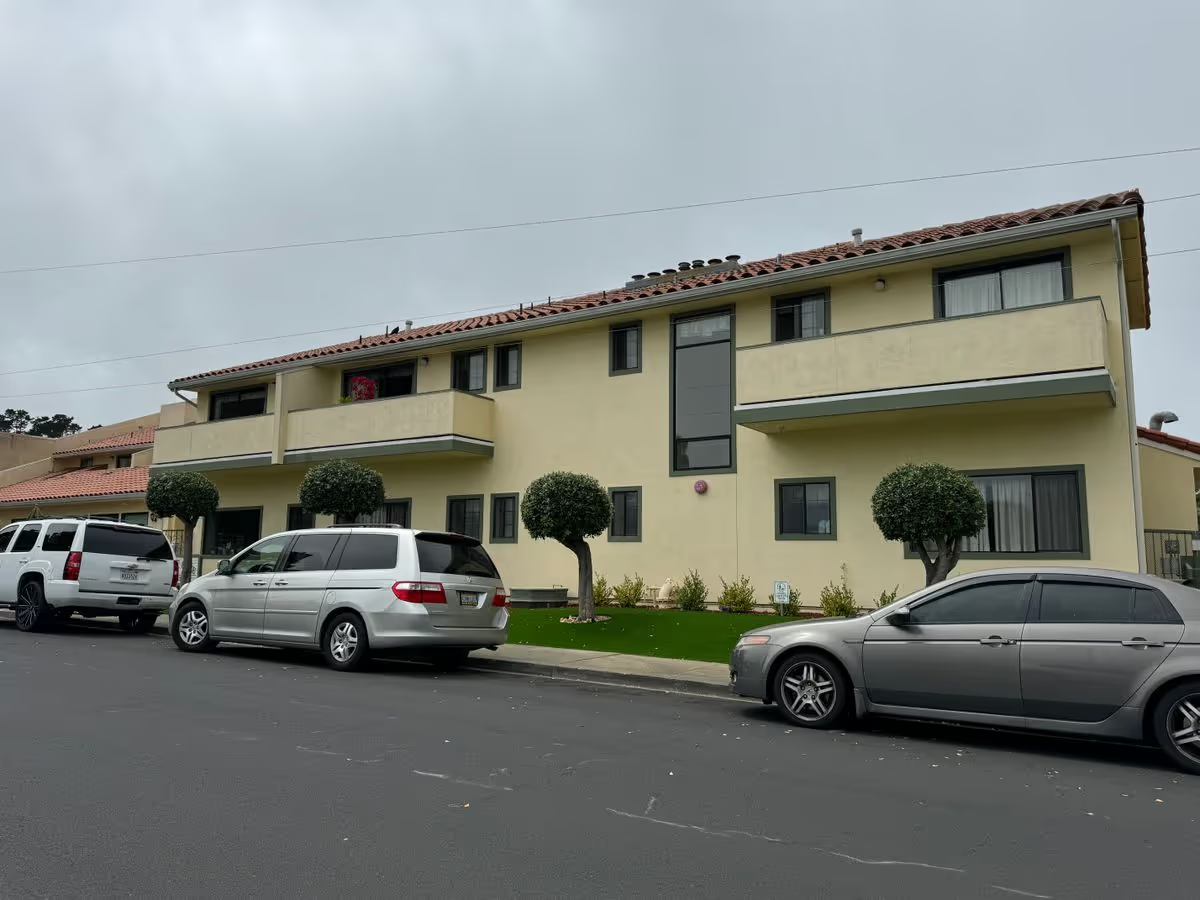
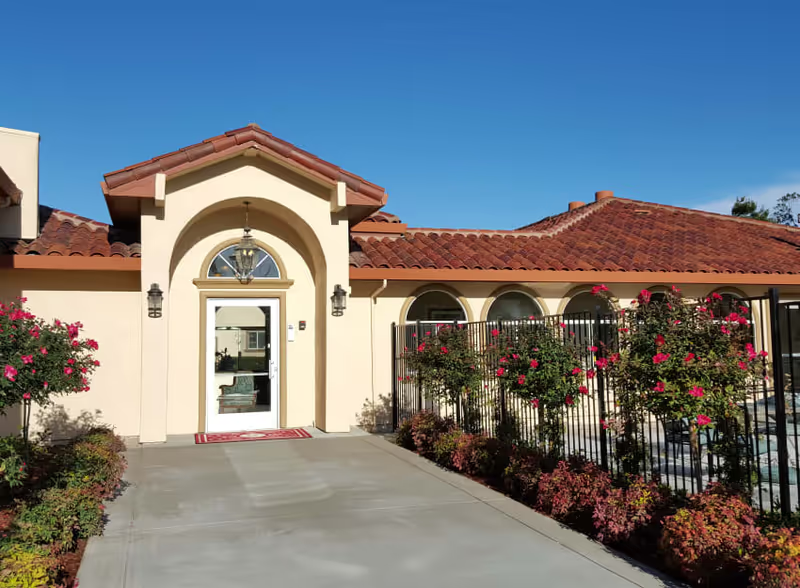
Facilities and management: The physical environment is generally described as clean, well‑maintained, and secure, with positive mentions of maintenance, janitorial responsiveness, and organized intake procedures (including kiosk check‑in). Management and clinical leadership receive credit for efficient coordination and for handling infection‑control events, though COVID‑era operational impacts were noted. Operational weaknesses reported include occasional front‑desk communication lapses, technical glitches at check‑in, and service inconsistencies that appear linked to staffing levels. Families advised prospective residents to ask about current staffing patterns, social‑engagement programming, and food‑service protocols during touring and admission discussions.
Conclusion: Life Care Center of Hilo projects a strong clinical and rehabilitative profile with a caring staff base, robust therapy services, and an engaging activity program. Prospective residents and families should weigh these strengths against operational considerations — staffing pressure, responsiveness consistency, and some variability in food service and room climate control — and clarify expectations about social programming, staffing ratios, and communication practices during their visit.