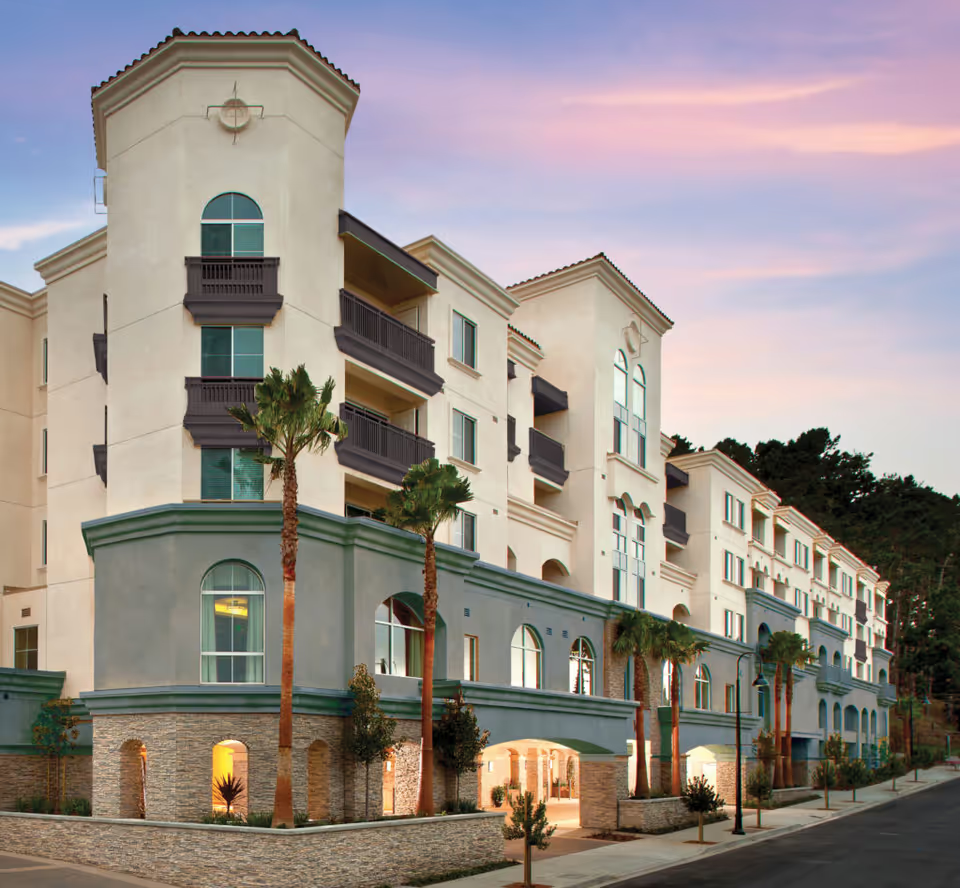
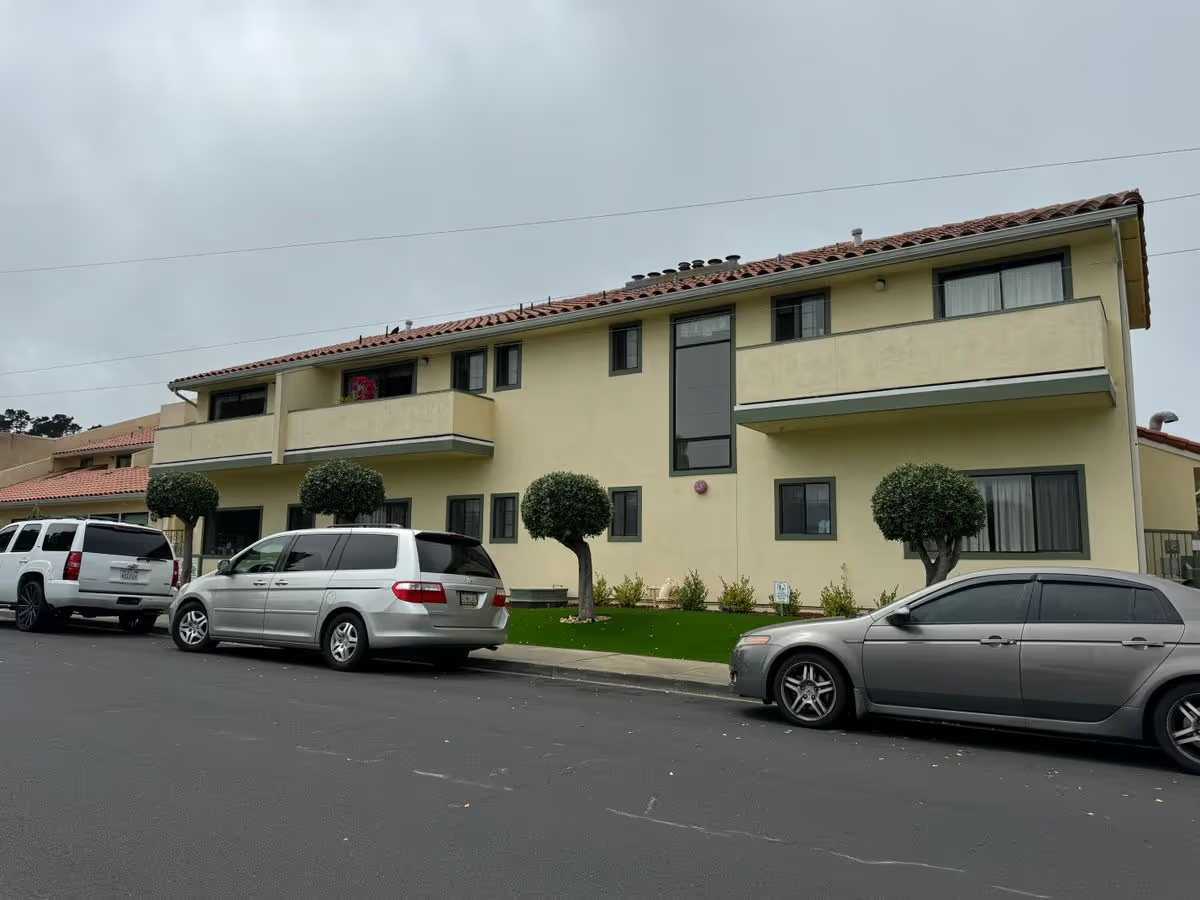
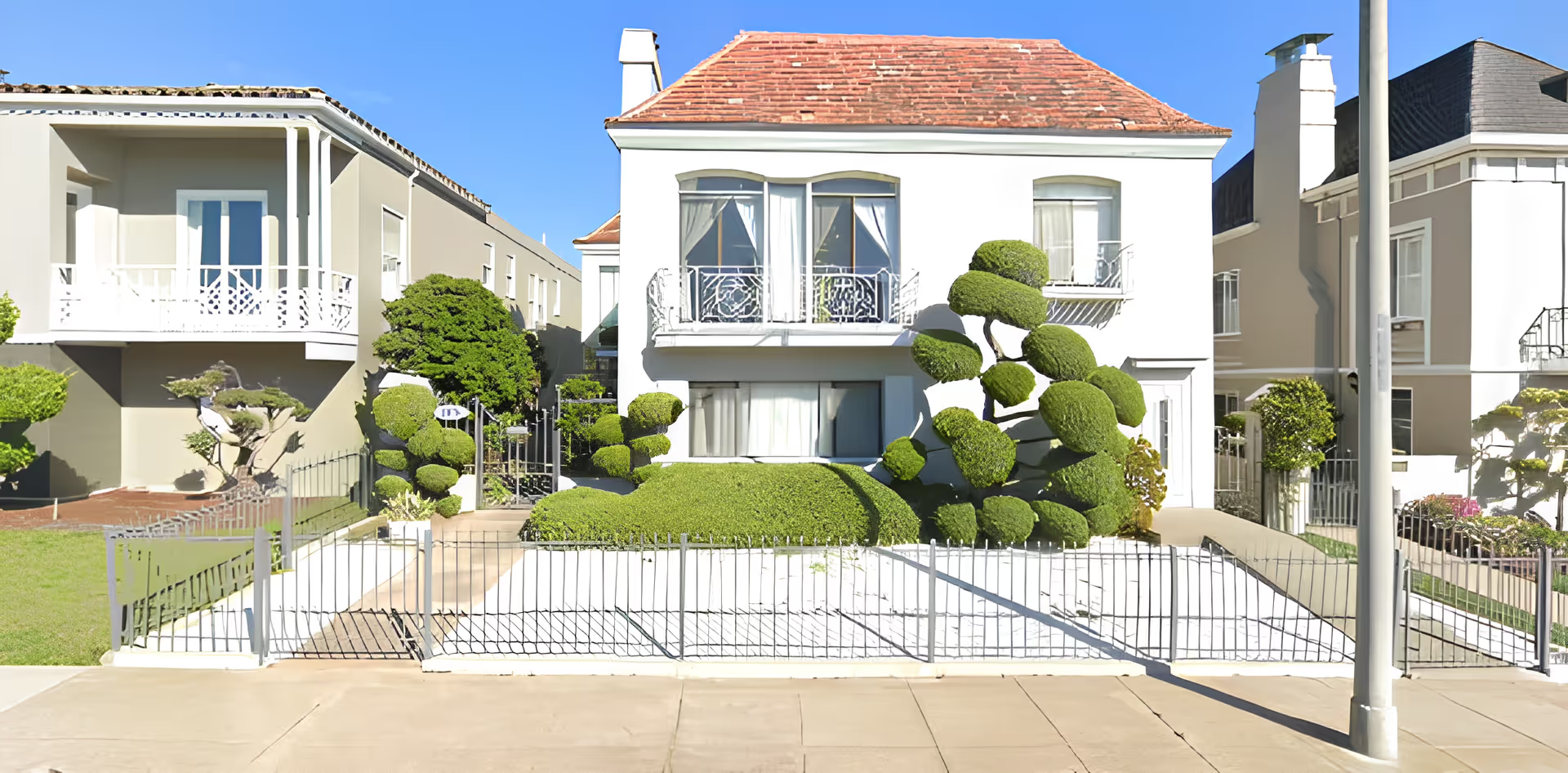
Peninsula Reflections presents as a smaller, homelike senior community with a clear emphasis on personalized caregiving and an active social program. Multiple comments describe staff as warm, attentive, and experienced with dementia care; families commonly highlighted individualized attention, timely introductions to family members, and engagement of residents in activities. The facility handles same-day hospital discharges and higher-acuity admissions in some cases, and several accounts describe positive immediate-care experiences during those transfers.
Staff and care quality are frequently described as strengths. Reviewers emphasize compassionate interactions, respectful treatment, and staff who take time to learn residents’ needs. Memory-care capability is noted, and families report that the team is comfortable working with dementia-related behaviors and with integrating residents into social programming. At the same time, there is some variability in post-incident follow-up: while some families praised timely communication, others described lapses in family notification and coordination following medical events. Prospective residents should ask the administration about their typical communication protocols for clinical incidents and hospital transfers.
Dining and nutrition receive mixed but generally appreciative comments. Reviewers acknowledged the chef’s effort and enjoyed special meals and holiday menus; events such as themed dinners are a positive feature. A recurring operational issue is the need for better texture-modified meal preparation—specifically, improved blending and consistency for residents who require modified diets. Families should verify how the kitchen manages special-diet requests and texture standards.
Activities are a clear asset. The community runs an active calendar with a dedicated activity coordinator (named praise in reviews), regular live musicians, karaoke, and holiday celebrations. These programs appear to contribute to residents’ enjoyment and to the community’s social atmosphere. The smaller size supports a less institutional feel and more personable programming.
Facilities and safety show a mix of strengths and weaknesses. Living spaces are described as clean and comfortable, and the overall environment is regarded as homelike rather than institutional. Conversely, some reviewers pointed to operational safety gaps—most notably practices that allow doors to be propped open or otherwise bypass secure access controls, creating potential exit or entry vulnerabilities. For memory-care residents and wander-risk mitigation, this is an important operational concern to raise with management during a tour.
Management and administration earn praise for friendliness and a supportive reception, but administrative processes have room for improvement. Billing and invoicing were described as confusing by at least one family, making it difficult to determine payments and balances; clarity and transparency in financial documentation would be advisable. Given mixed reports on family communication and a documented billing concern, prospective families should review the facility’s billing statements, discharge/transfer notification procedures, and expectations for family updates.
Overall, Peninsula Reflections appears to deliver compassionate, dementia-capable care within a small, activity-rich setting. Strengths include engaged staff, a strong activities program, and a homelike feel; notable operational issues to verify in person are secure-door controls, billing transparency, and consistency of family communication during clinical events. An on-site visit focused on those specific areas—observing door-control measures, asking for sample billing statements, and discussing communication protocols—would help families assess fit for their loved one.