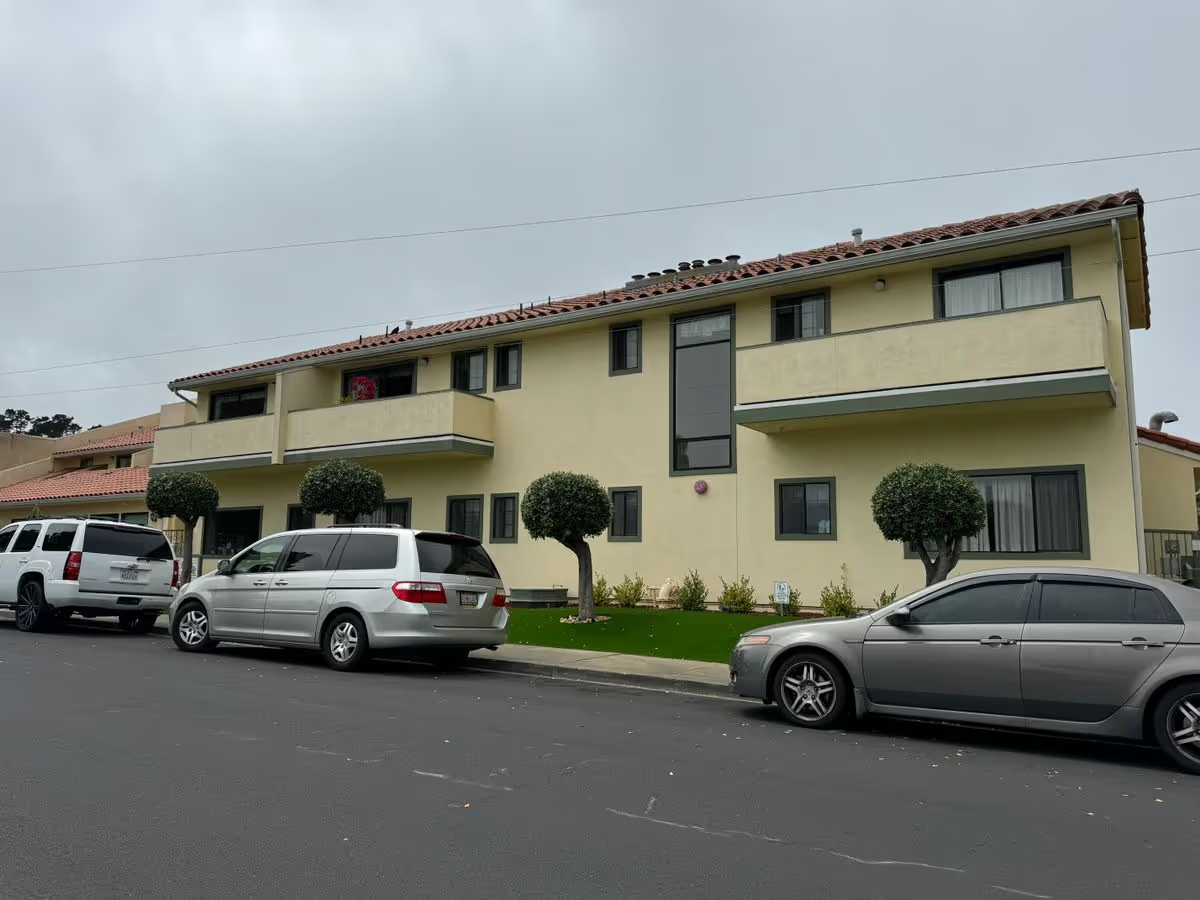
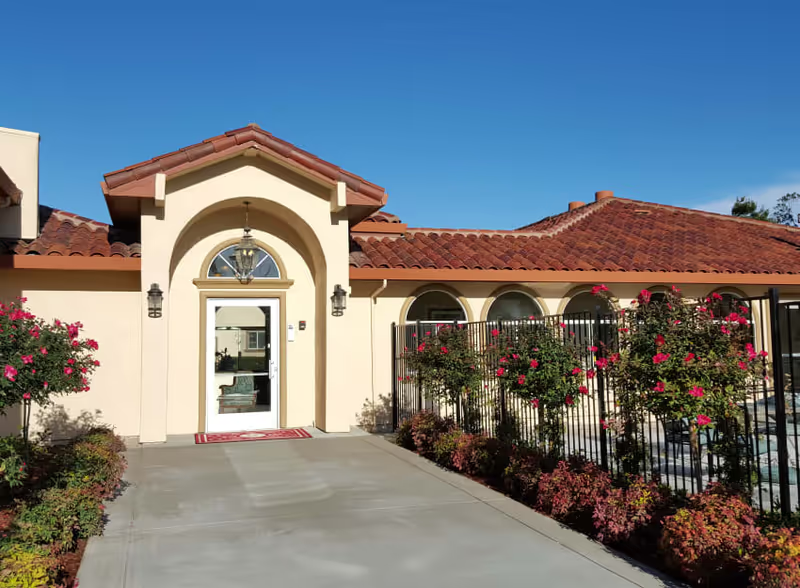
Overall impression: Mission Villa Senior Living presents as a clean, well‑lit community with a homelike atmosphere and a visible focus on memory care. Families and visitors frequently describe bright, airy common areas, thoughtfully designed dining and lounge spaces, and outdoor courtyards with gardens and animal programs that contribute to a welcoming environment. The facility’s layout and many accessibility features (wide hallways, wheelchair‑accessible bathrooms, walk‑in showers with benches and handrails) are repeatedly cited as strengths for residents with mobility and memory needs.
Care and staff: Many reviewers highlight compassionate, personalized caregiving and solid clinical support from nurses and med‑tech staff. Staff who learn residents’ preferences, use names, and maintain active family communication (including virtual visits and social‑media updates) are commonly praised. The community is also credited with effective emergency coordination and supportive end‑of‑life/palliative engagement. However, there are recurring concerns about staffing consistency — families describe variable responsiveness, occasional delays attending to resident needs, and the operational impact of staff turnover. These items suggest that quality of care can be strong but uneven depending on shift coverage and staffing stability.
Dining and nutrition: Dining is a consistent positive in the feedback. Reviewers note chef-prepared, palatable meals, fresh fruit and desserts, and regular meal service that many families find nutritious and satisfying. A few comments indicate inconsistencies or questions about what supplies are included in price packages, and one area to clarify during tours is how dietary preferences and culturally specific hair/beauty care needs are accommodated.
Activities and social programming: The facility runs a robust activities program with music, religious services, outings, themed dining areas, and day‑to‑day engagement. An experienced activities director is frequently named as a core strength. That said, some families note limited or less engaging programming for residents with higher dependency or different activity interests, and the physical space for activities is not always described as separate or ample; in some units activities occur in dining areas or common lounges rather than dedicated rooms.
Facilities and operations: The physical plant earns steady praise for cleanliness, ventilation, and maintenance of public spaces; many families describe no odor issues and regular housekeeping/laundry. Outdoor spaces, patios, and small gardens are commonly viewed as assets. Contrasting comments point to occasional maintenance gaps (e.g., out‑of‑order bathrooms for extended periods) and inconsistent housekeeping outcomes. Prospective residents should confirm room sizes and the availability of private versus shared rooms, as smaller/shared configurations are in use.
Management, policies, and notable patterns: Admissions and move‑in experiences are often described as supportive, with written pricing confirmations and helpful staff. At the same time, there are multiple, recurring concerns about administrative consistency: price increases after admission, billing or refund delays, communication breakdowns, and restrictive or inconsistently enforced visitation policies. There are also serious, individual claims that rise to the level of administrative misconduct and regulatory concern; families should review state inspection records and request written clarification of admission, eviction, and billing policies before committing. Language and cultural‑care gaps are also noted and may affect specific service areas such as hair care and culturally appropriate programming.
Bottom line and guidance for families: Mission Villa appears to offer many of the strengths families seek in a memory‑care community — compassionate staff, clean and accessible facilities, strong dining, and an active activity calendar. However, patterns of inconsistent staffing, variable administrative practices, and occasional maintenance or communication lapses mean that quality can vary over time. Prospective residents and families should: schedule multiple visits (including observing shift changes and mealtimes), request written pricing and service inclusions, ask for staff‑to‑resident ratios and turnover information, clarify incontinence and personal‑care protocols, and review recent state inspection and complaint records. These steps will help align expectations with the community’s operational realities and the individual needs of the resident.