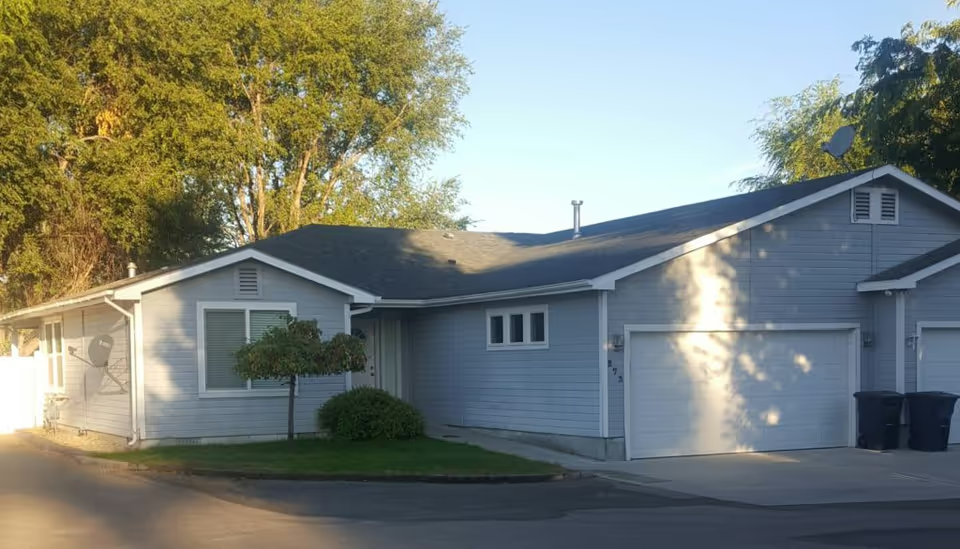
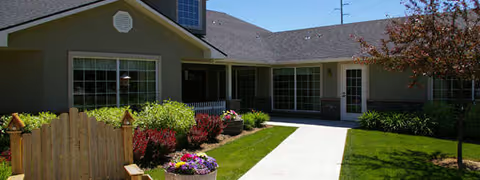
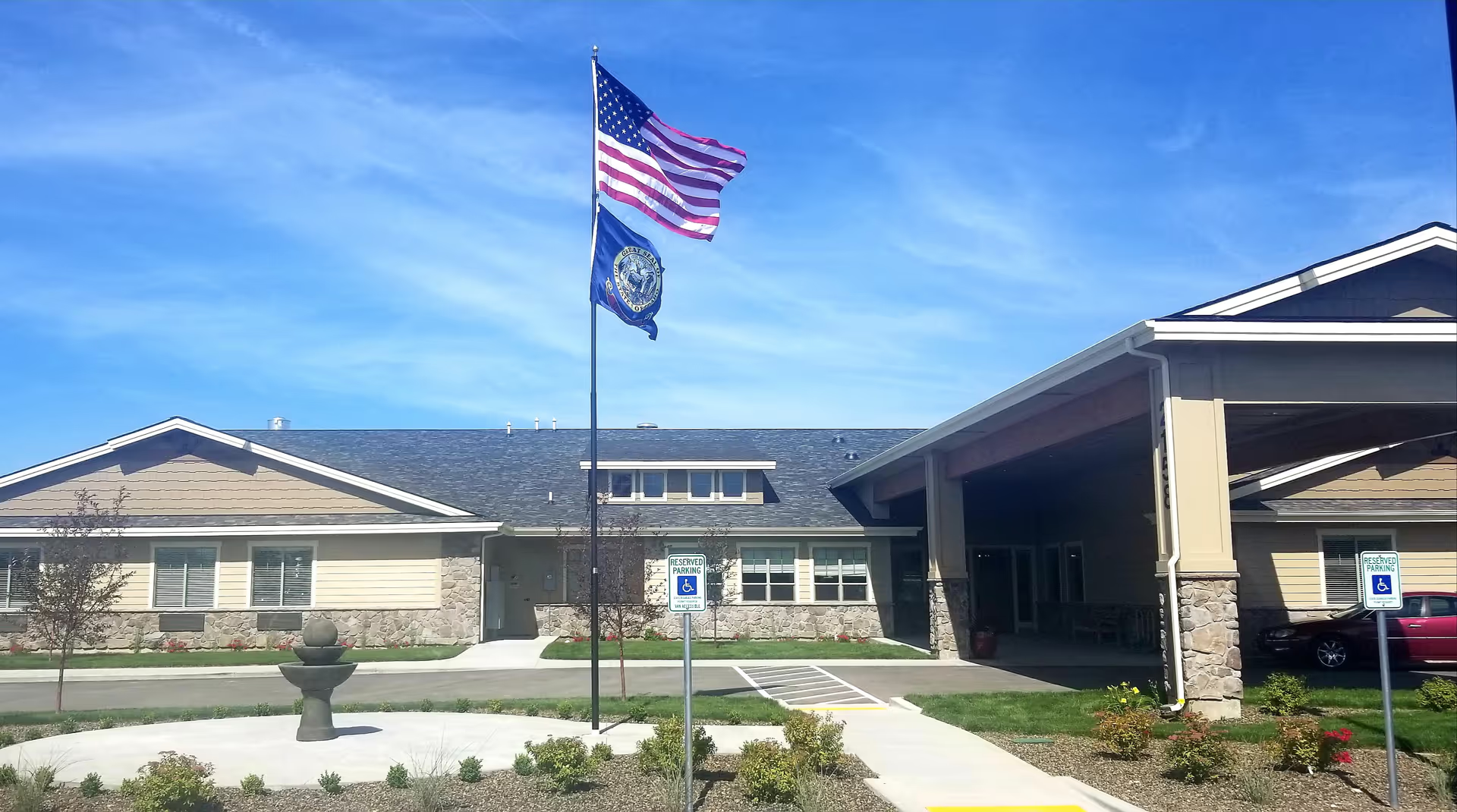
Overall impression: Reviews present a mixed but informative picture. Many families emphasize strong day-to-day caregiving, a clean, home-like environment, and effective coordination of care, while a subset of reviewers identify operational weaknesses that warrant verification during a pre-placement visit. The facility is described as having a warm, family-style atmosphere with staff who are frequently characterized as kind, respectful, and helpful.
Care quality and staff: Multiple accounts highlight compassionate direct-care staff, consistent personal grooming and presentation of residents, and smooth admission or transition processes. Care coordination is frequently cited as a strength, including communication among staff around care plans and organized transitions. At the same time, some reviewers raised concerns about staffing levels and CNA availability; one review described a high caregiver-to-resident ratio that contributed to delays in attention. Prospective families should confirm current staffing ratios, shift coverage, and how the facility manages peak-demand periods.
Dining and activities: Commentary on dining is mixed. Several reviewers described meals as adequate or “okay,” but at least one reviewer expressed that meals did not meet nutritional guidelines. This discrepancy suggests variability in food quality or menu planning over time; families may wish to review recent menus, dietary accommodations, and nutrition oversight. Activity programming is generally noted as engaging and appropriate for memory-care residents, though a few comments suggested limited variety or opportunities. Asking for an activity calendar and observing a program session can clarify resident engagement levels.
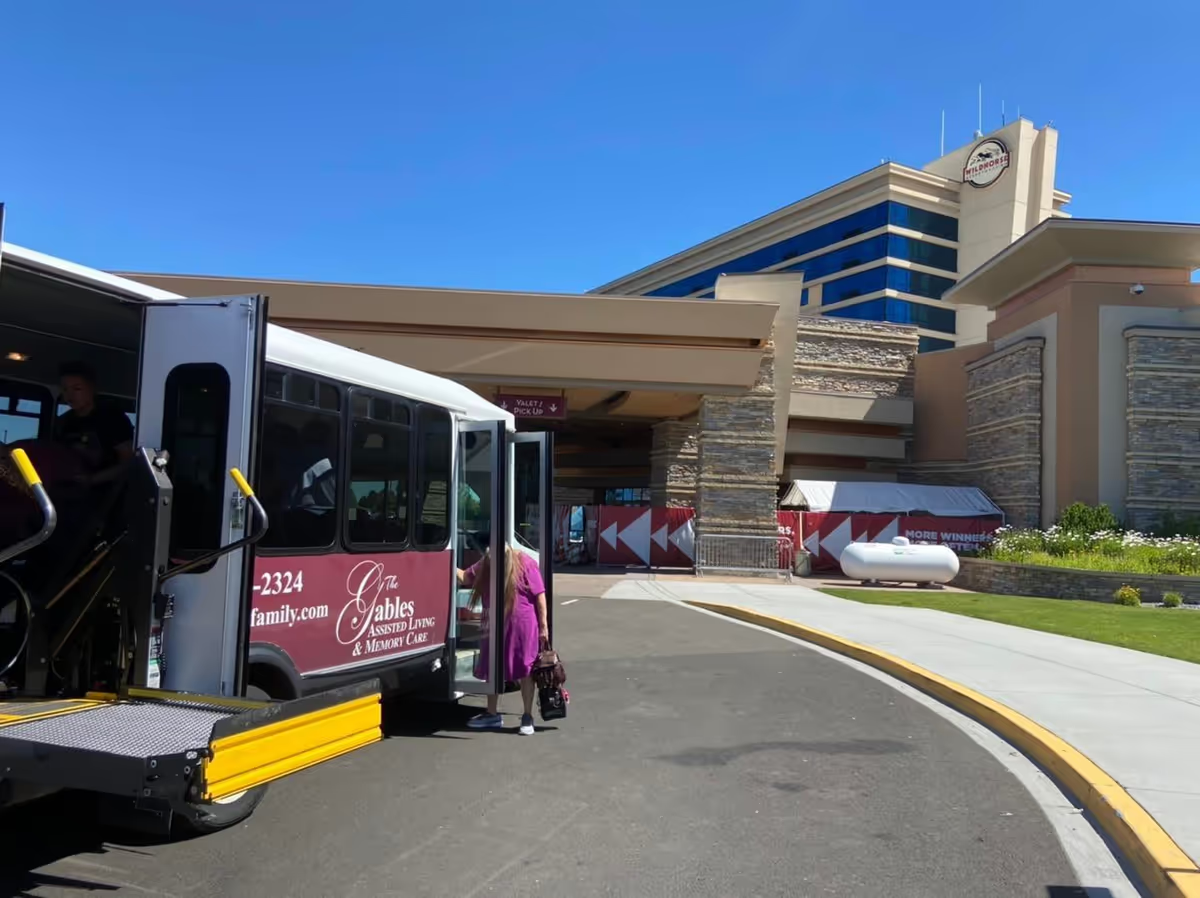
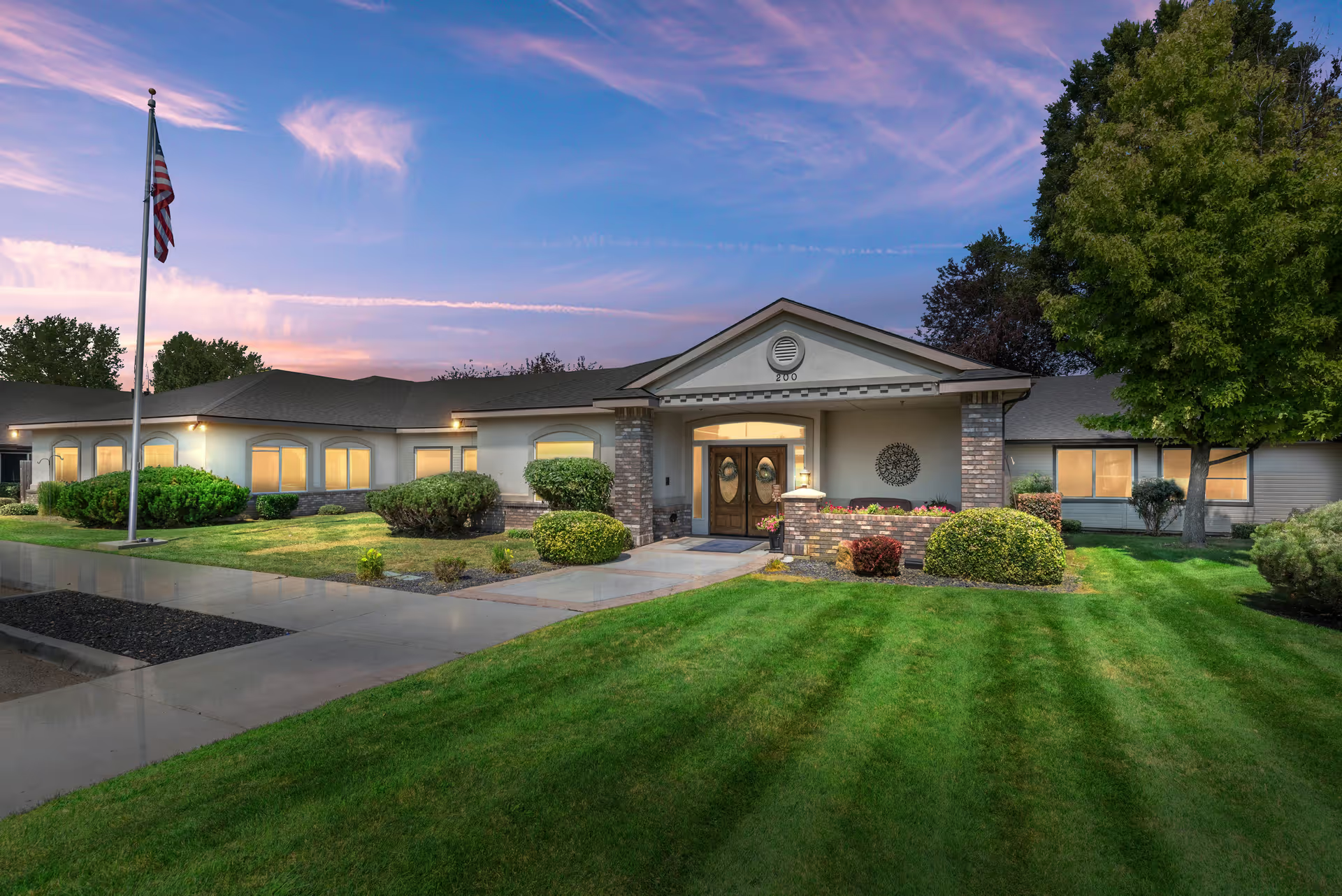
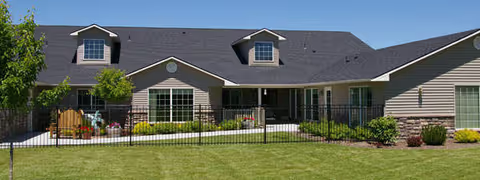
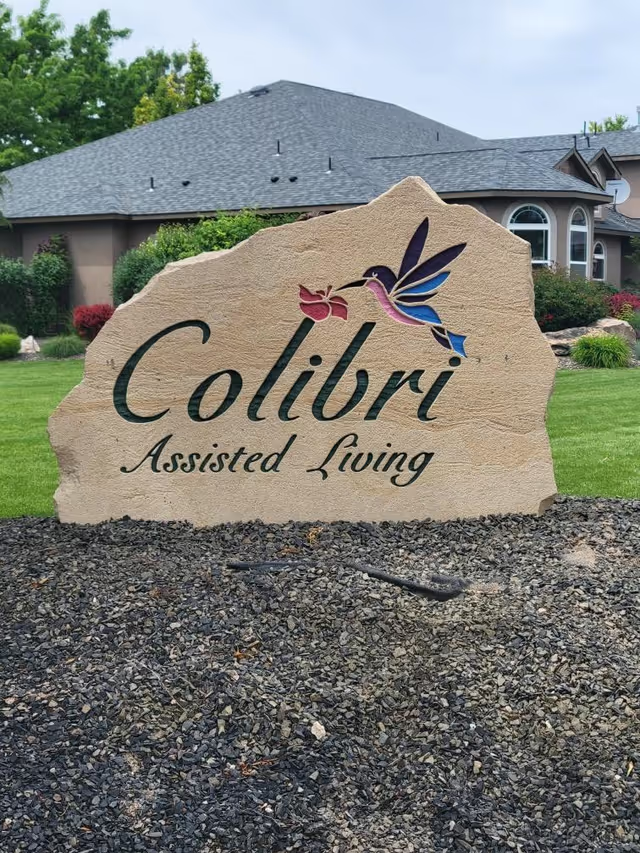
Facilities and environment: The facility is portrayed as clean, well-maintained, and homelike. Reviewers consistently mentioned orderly common areas and attentive grooming for residents. A practical limitation noted is parking; the site relies on street parking, which may affect visits and deliveries.
Management and communication: Perceptions of leadership are mixed. Some reviewers praise organized, long-tenured administration and timely coordination; others describe non-responsiveness, poor administrative follow-up, and calls for leadership change. Communication with families about care updates also appears inconsistent across accounts. These divergent impressions point to variable management performance over time or between shifts; verifying the facility’s family-communication protocols, escalation pathways, and administrator tenure will be important.
Notable patterns and recommendations: Strengths center on staff compassion, cleanliness, and a homelike atmosphere with solid care coordination in many cases. Recurrent operational concerns are understaffing at times, inconsistent management responsiveness, variable meal quality, and limited parking and activity breadth. For families considering placement, recommended questions include current caregiver-to-resident ratios by shift, examples of recent menu cycles and dietitian oversight, the activity schedule, protocols for family updates and complaints, and parking/logistics for visitors. Observing the facility during a mealtime and an activity period will help corroborate written information and clarify whether the positive patterns described are consistent with current operations.