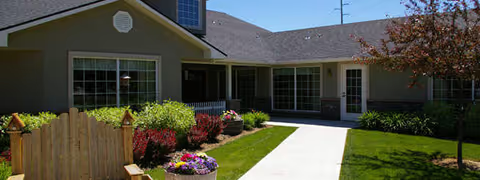
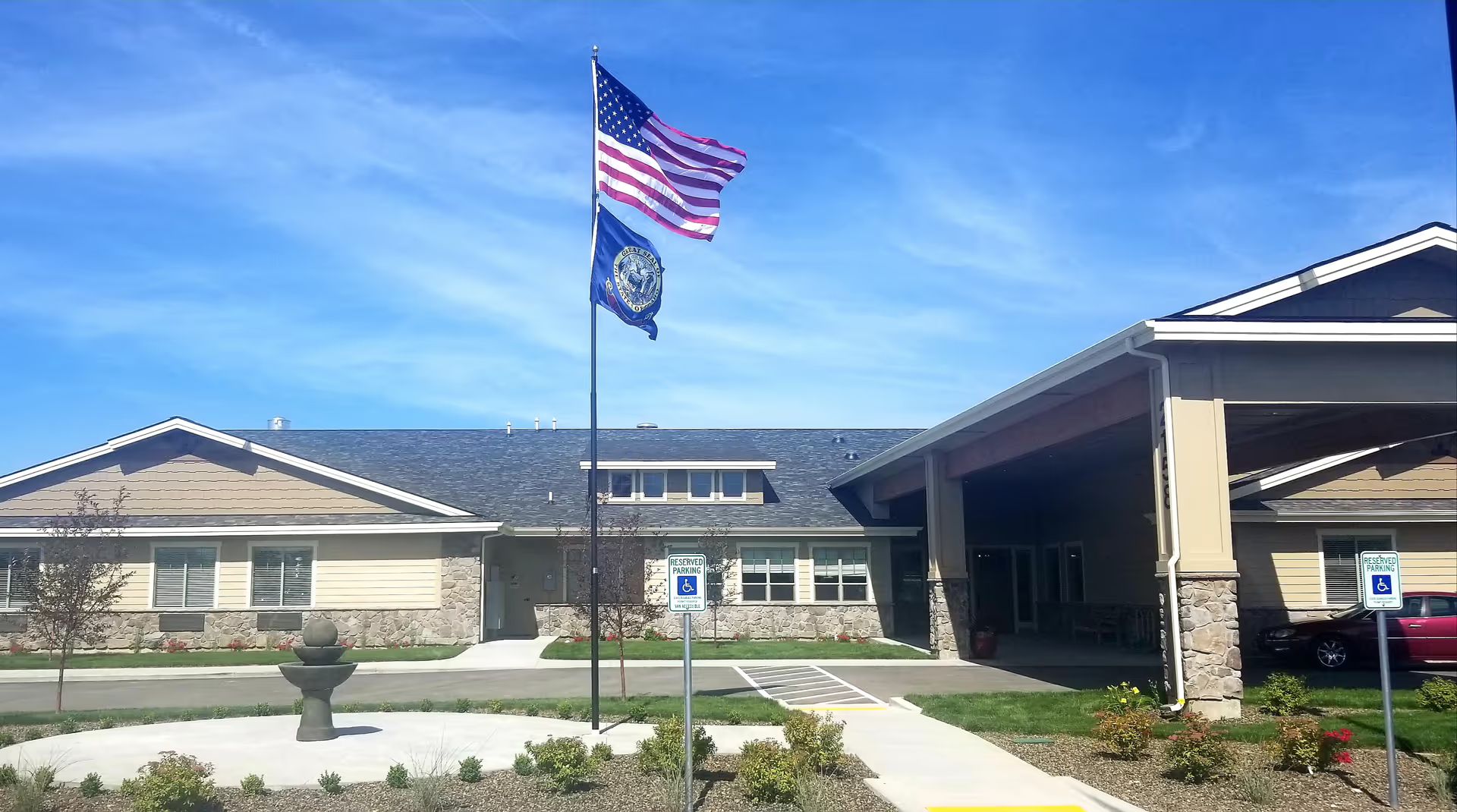
Autumn Wind Assisted Living elicits a mix of strongly positive and concerning accounts that cluster into consistent operational themes. Many families and visitors describe a warm, hotel-like atmosphere with well-kept grounds, tasteful common areas, and apartment-style rooms available in multiple layouts. The facility offers an array of amenities — an onsite salon, courtyards with water features, indoor walking paths, and a central activity space — that support socialization and mobility for residents who participate.
Staff and direct care are the most frequently cited strengths. Numerous accounts highlight friendly, attentive caregivers and nurses who know residents by name and provide personalized attention. Several reviewers praised specific staff and leadership for compassionate transition support and ongoing communication. The memory-care program is often noted as thoughtfully organized into smaller pods, with staff who are specially assigned to those units. Respite care options and 24/7 staffing are also identified as operational features that families appreciate.
Dining and programming tend to be strengths when present: the community emphasizes restaurant-style dining with a chef, three meals per day, entrée alternatives, and some flexibility in portion sizes. Activity offerings described include exercise classes, music performances, bingo, arts and crafts, holiday events, Bible study, and outings. When activity leadership is engaged, residents are described as social and participatory; reviewers often mention a lively, cruise-ship–style dining room and regular themed programming.
However, the positive picture is tempered by recurring operational concerns. Staffing consistency and turnover are common themes; reviewers describe periods of under-staffing, long shifts, and variability between shifts and individual caregivers. Those staffing patterns connect to reports of delayed responses to call lights, inconsistent attention to personal-care tasks, and uneven clinical coordination. A subset of comments raises concerns about medication- and doctor-communication processes, which suggests opportunities to strengthen clinical handoffs and family notification protocols.
Dementia and memory-care delivery show a split pattern: while several families report high-quality, engaged memory-care staff and an appropriate pod structure, other accounts describe gaps in dementia-specific training, limited resident engagement, and inconsistent care routines in some units. Similarly, housekeeping and sanitation are described positively in many areas but flagged elsewhere for occasional odor concerns or inconsistent room maintenance, indicating variability in housekeeping performance across the campus.
Administrative and management issues appear as another consistent area for improvement. Reviewers reference transitions in ownership and plans for room renovations, and while some families praise transparent administrators, others cite communication gaps, unclear billing or add-on fees, and occasional confusion around admissions and move-in approvals. Limited Wi‑Fi coverage, variable meal quality in certain instances, and portions of the building that retain an older interior aesthetic were also noted as operational negatives that prospective families may want to verify in person.
In summary, Autumn Wind presents as a facility with many concrete strengths: personable caregiving staff, an active dining program, a variety of amenities, and structured memory-care pods. At the same time, reviewers point to operational inconsistencies—most notably in staffing reliability, dementia-care consistency, housekeeping, and administrative transparency—that can materially affect resident experience. Prospective residents and family members should prioritize an in-person tour focusing on current staffing levels, dementia-care staffing and training, examples of clinical communication protocols, and the specific unit condition and Wi‑Fi/access arrangements before making a placement decision.