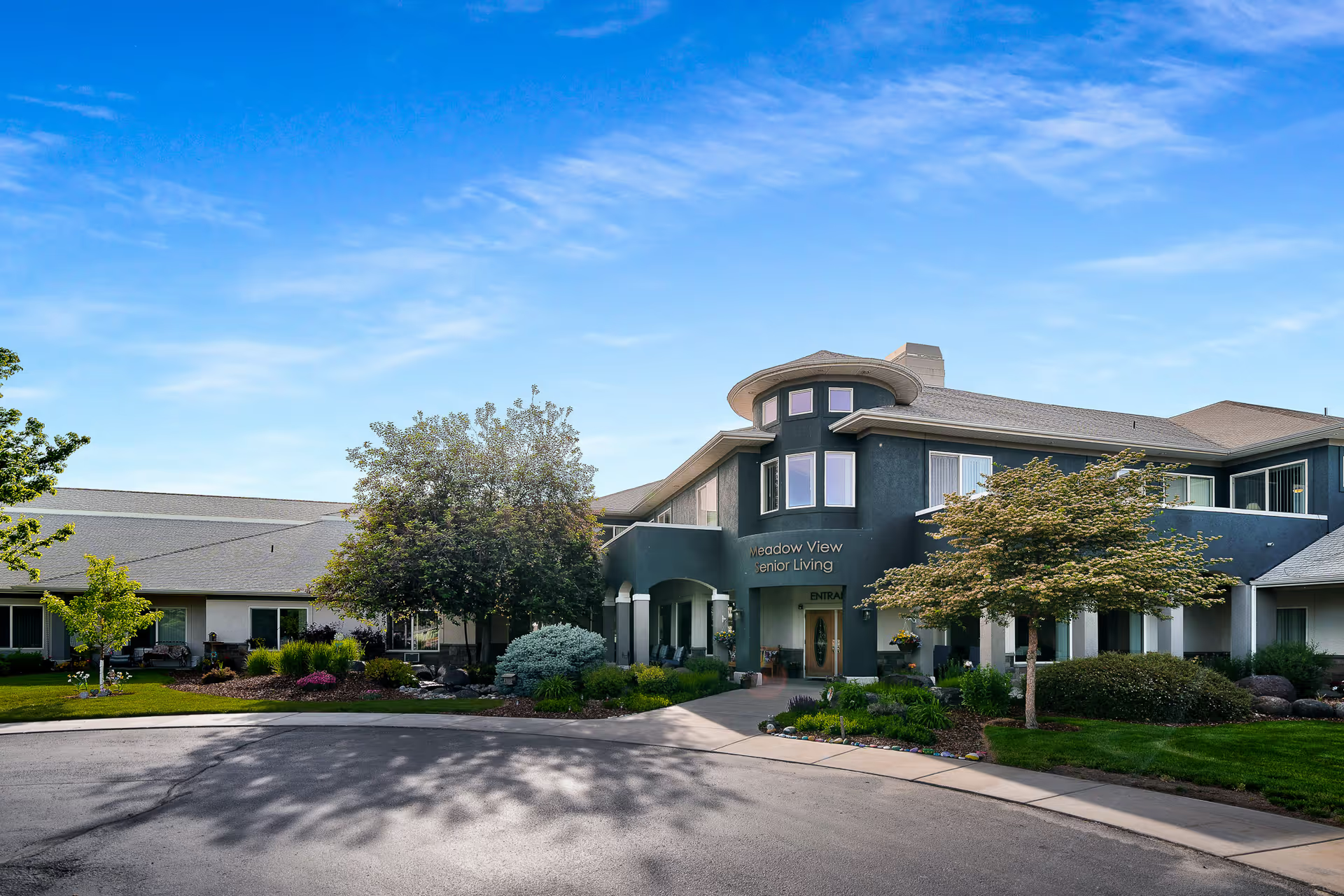
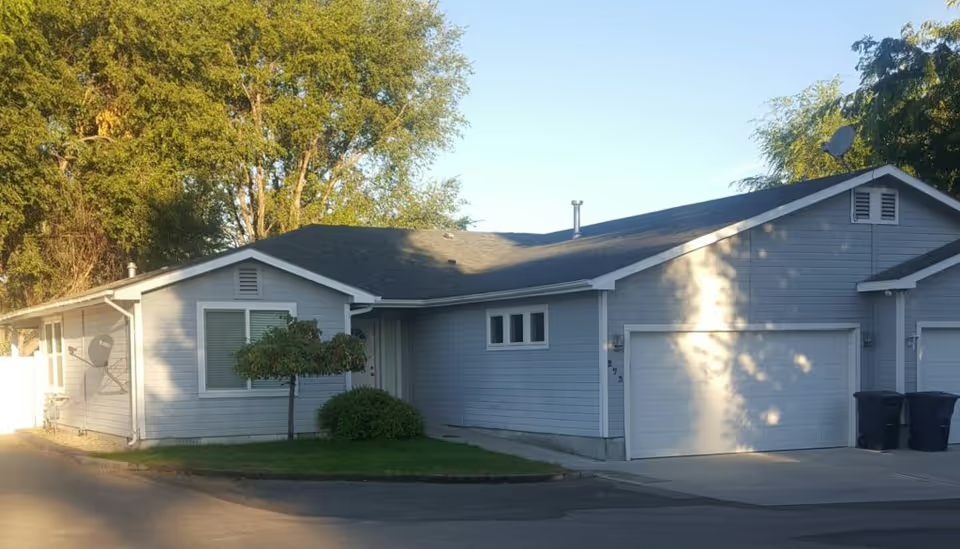
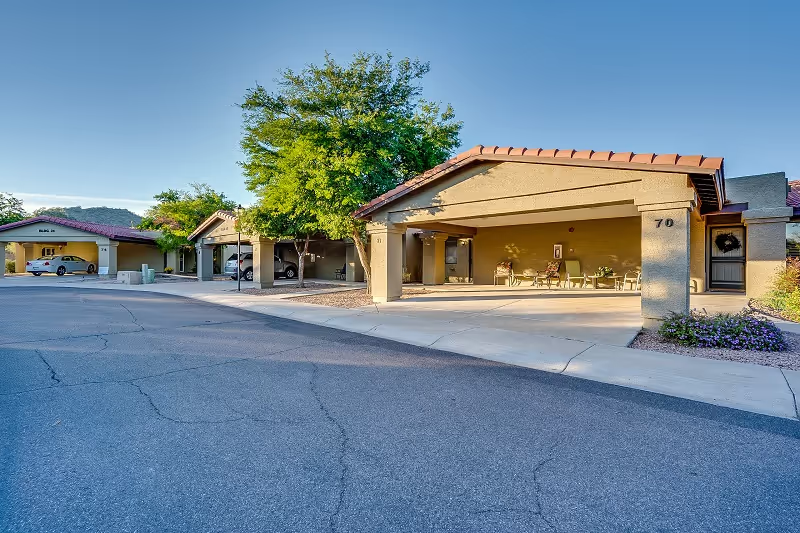
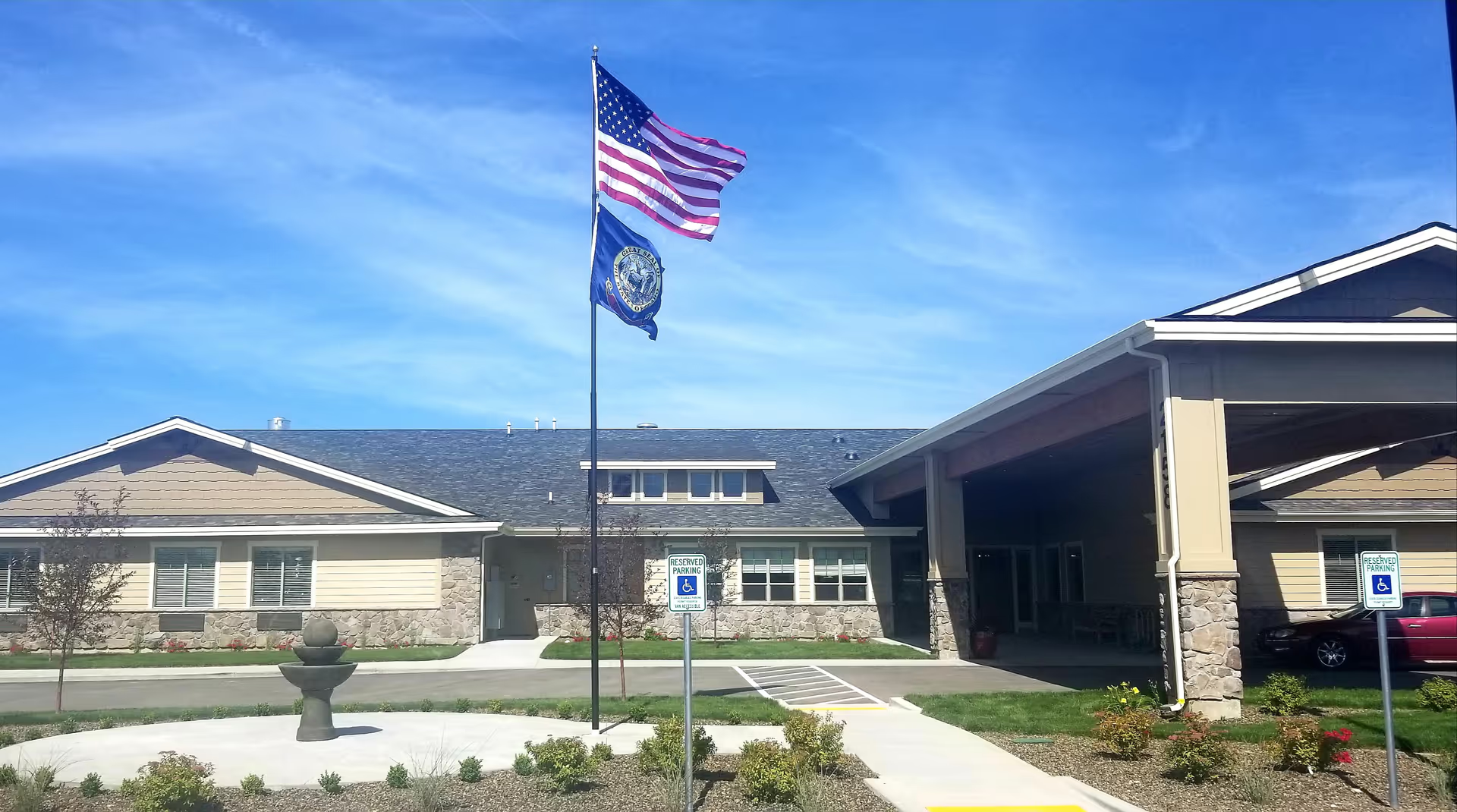
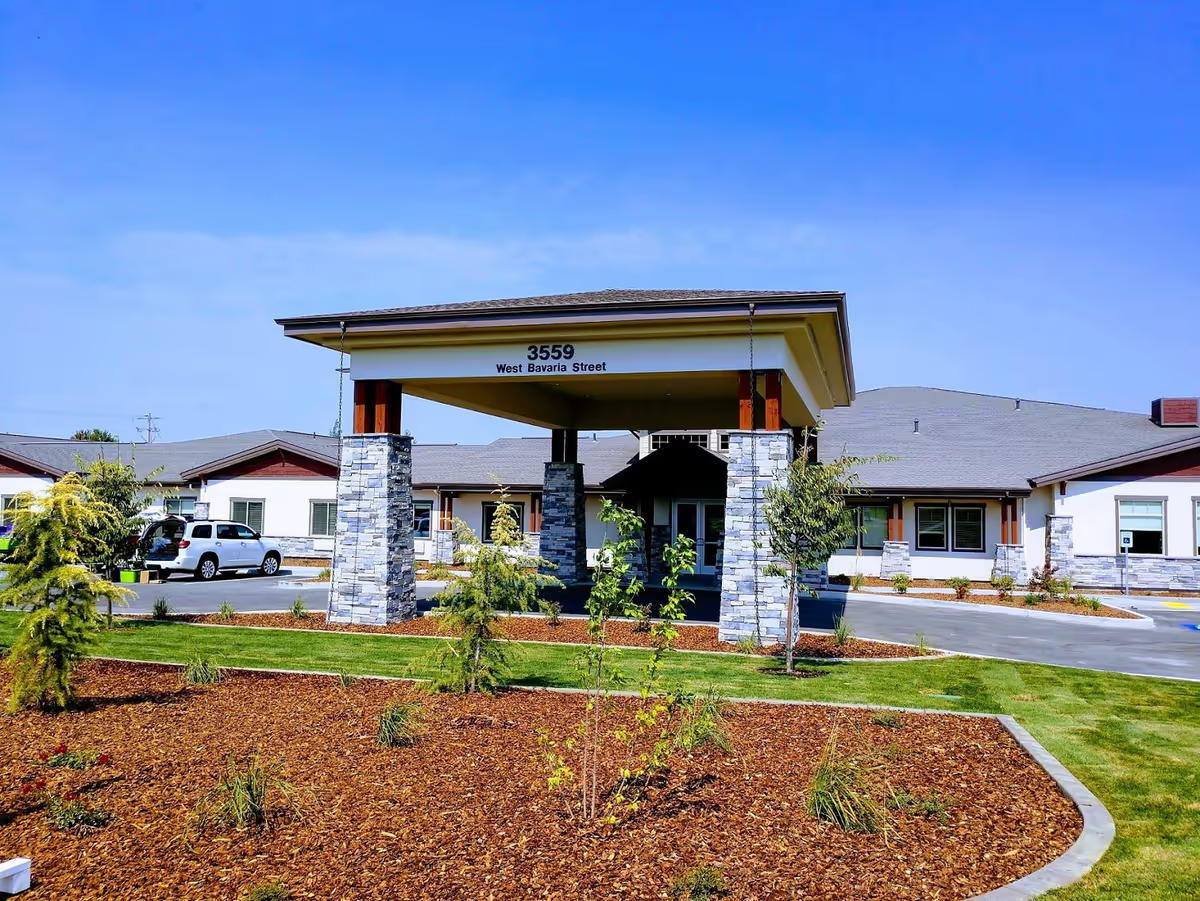
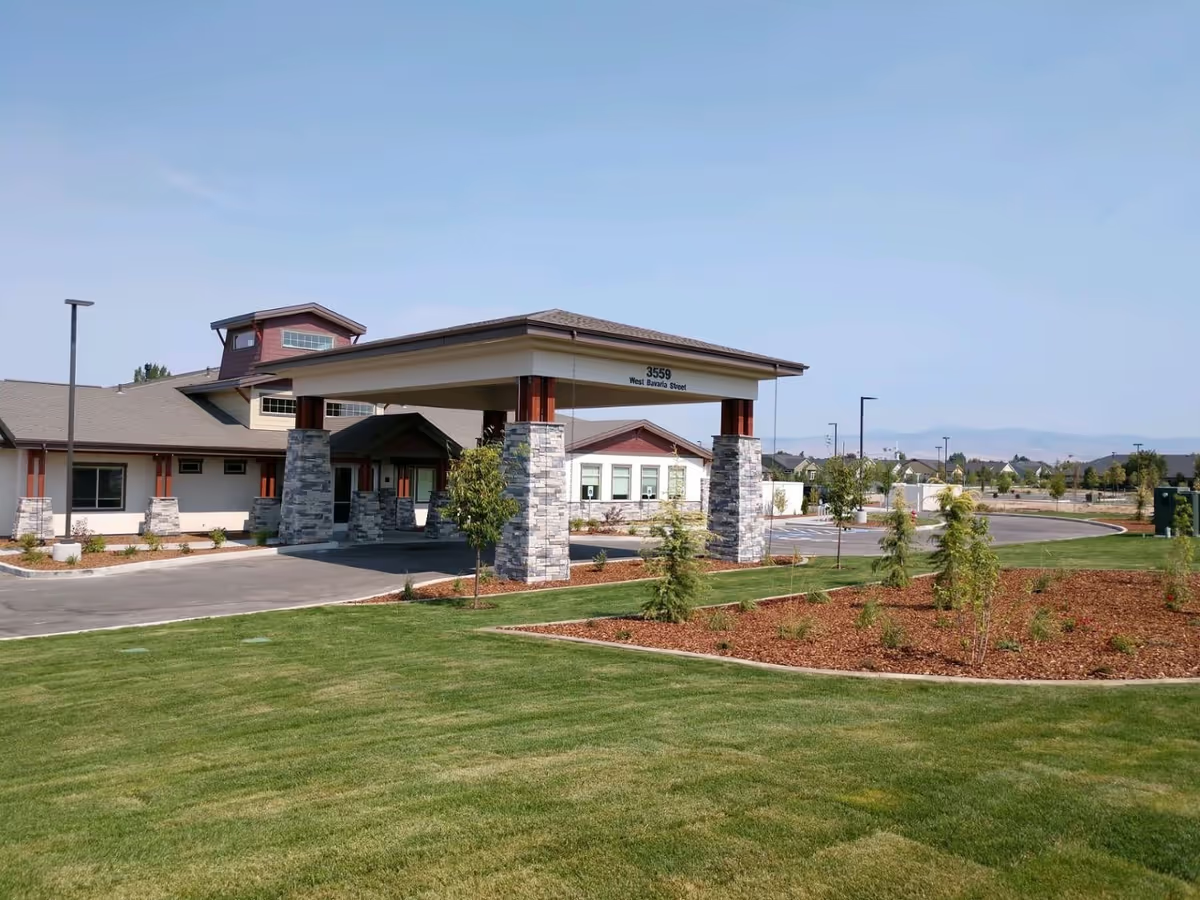
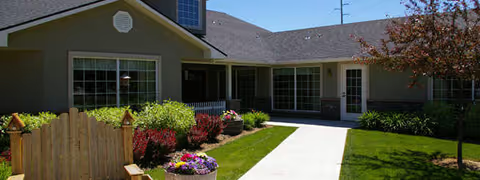
The Cottages Assisted Living & Memory Care - Emmett elicits a mixed but clearly patterned set of impressions. Many families and visitors praise the interpersonal side of care: reviewers frequently describe caregiving staff as compassionate, attentive, and personable, and they note a small, home-like atmosphere that some residents and families find comforting. The facility offers freshly prepared, homestyle meals made by a chef, on-site personal services (hair and manicures), a transportation van for appointments, and visible clinical support including a full-time nurse and an on-site physician presence. Physical spaces are often described as bright, with spacious rooms, climate control, and well-kept grounds.
Care quality and staffing present a split picture. Positive accounts emphasize staff dedication and timely assistance, whereas critical accounts raise concerns about staffing levels, staff turnover, and the consistency of staff engagement—especially for residents who are less mobile or in memory-support areas. There are underlying concerns about delayed response to clinical incidents and the facility’s follow-up communication with families; some reviews reference serious incidents and regulatory scrutiny, indicating a need for prospective families to ask specifically about incident response protocols and staffing ratios.
Dining and activities are strengths in many assessments: meals from scratch, snacks between meals, and a variety of social and therapeutic offerings (music, crafts, games, parties, outings) are reported. At the same time, several reviewers describe uneven activity access—some residents benefit from frequent programming while others, particularly those with mobility or cognitive challenges, receive limited interaction. Multiple reviews identify an engaged activities director, but also note administrative restrictions or rule enforcement that can limit participation (examples cited include curfews, limitations on phone access, and halted family-engaged events).
Facility condition and safety features draw broadly positive notes for cleanliness, bright rooms, and secure entry systems, but there are also isolated sanitation and room-cleaning concerns and occasional odor concerns in common areas. Locked doors and safety systems are present and valued by some families for security; other families find those measures restrictive. Prospective residents should inspect specific rooms for move-in readiness and ask about routine cleaning and odor-control practices.
Management and policy issues are recurring themes. Several reviewers describe rigid or inconsistent administrative enforcement of rules, communication shortfalls between management and family, and perceptions of favoritism among staff. Financial and contract terms draw criticism: the facility operates with a private-pay structure that some find expensive (examples cited included a base rate figure and point-based nursing charges) and a long private-pay contract term that creates concern about Medicaid rollover and exit flexibility. Given the variability in experiences reported, families should review contract language closely and request clear explanations of fee structures and contingencies.
Overall, the pattern is one of clear strengths in interpersonal care, dining, and a home-like environment, paired with notable operational risks tied to management consistency, staffing adequacy, memory-care programming, cleanliness in some areas, and contract terms. For families considering The Cottages of Emmett, an in-person visit is advisable to observe staff–resident interactions, review the memory-care plan, tour specific rooms and common areas, discuss staffing ratios and incident-response procedures, and review the contract and fee schedule in detail.