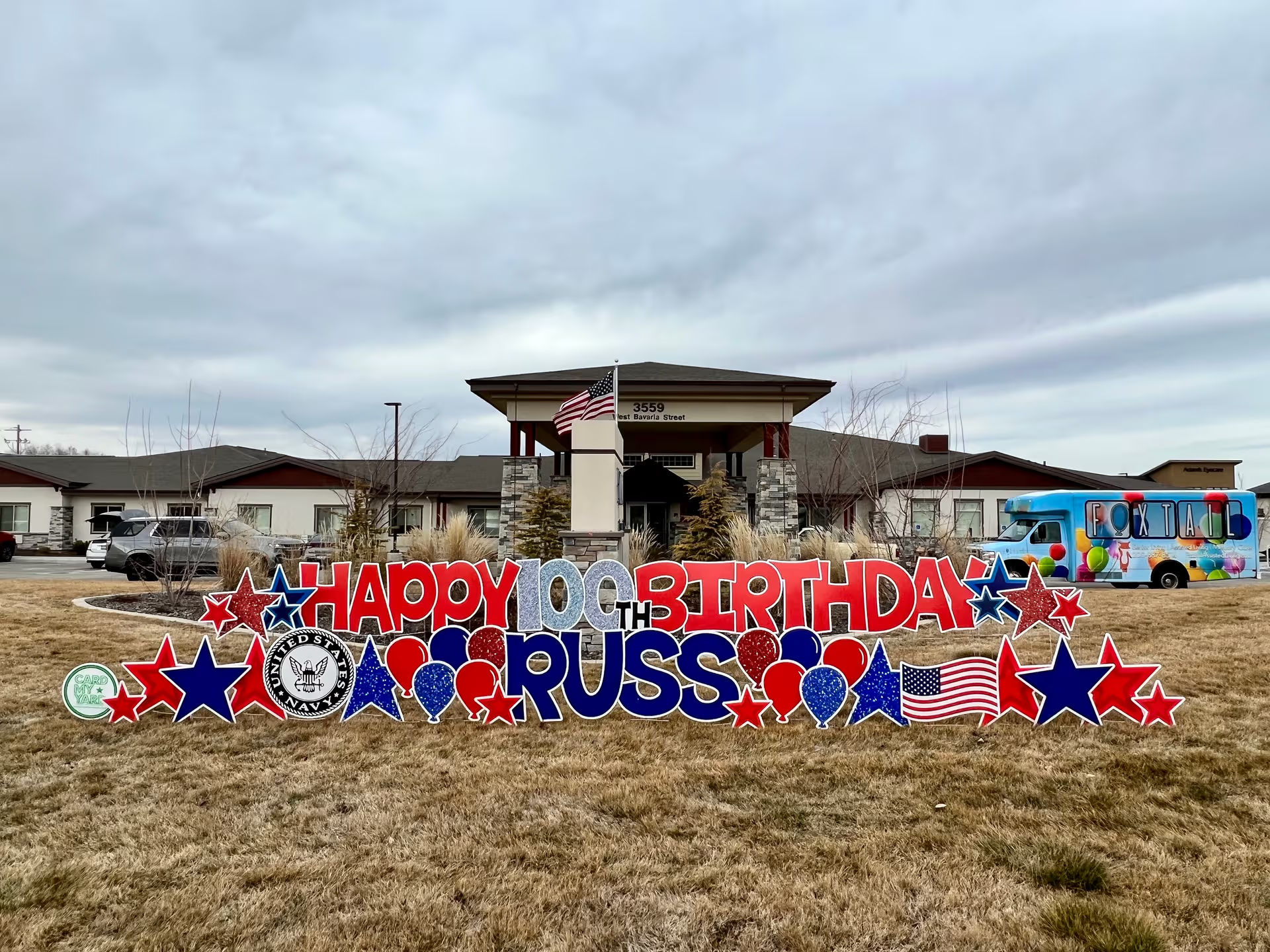
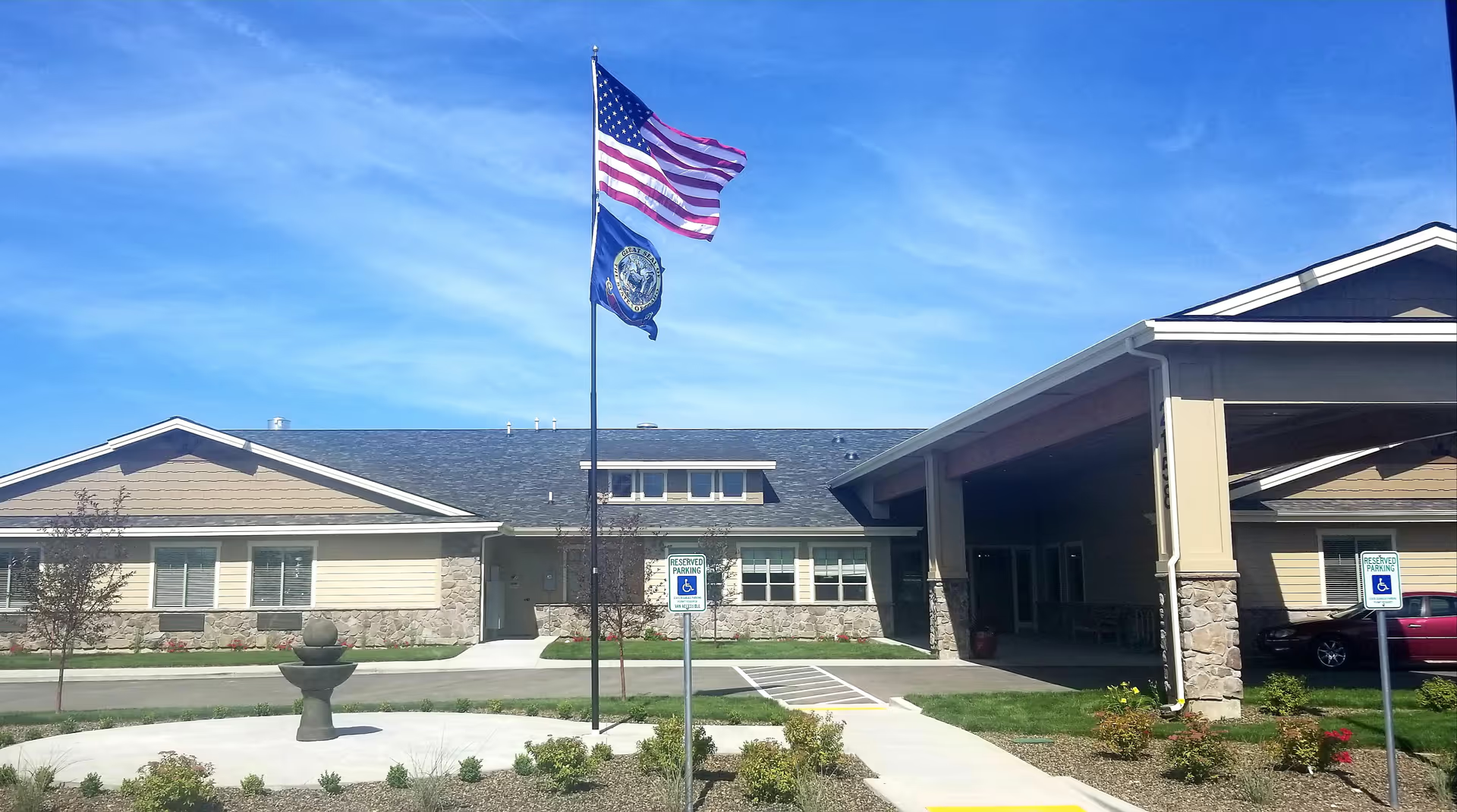
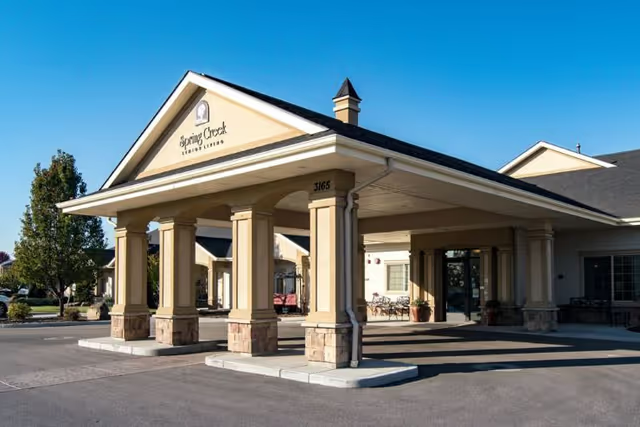
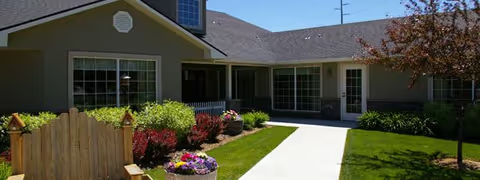
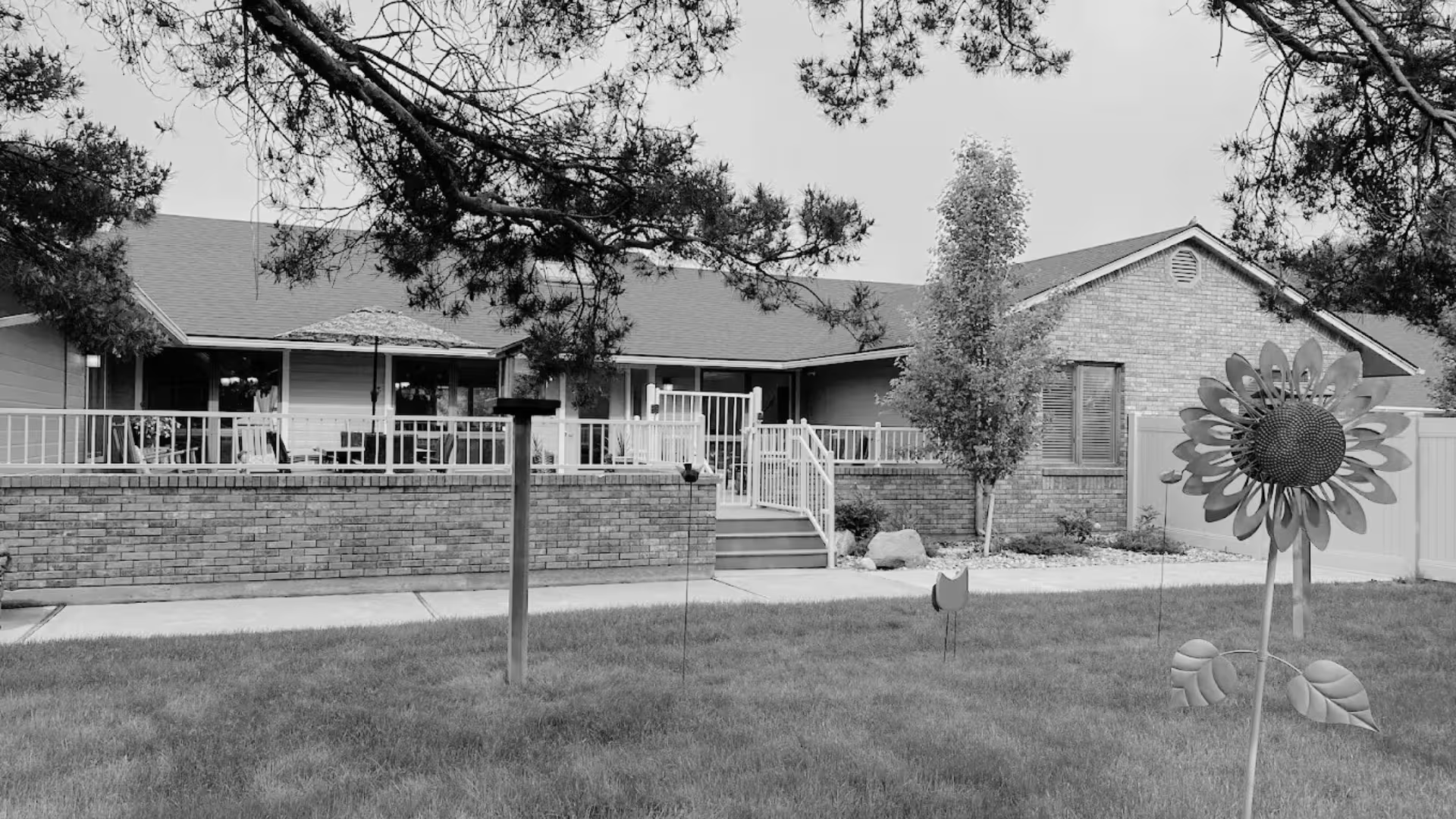
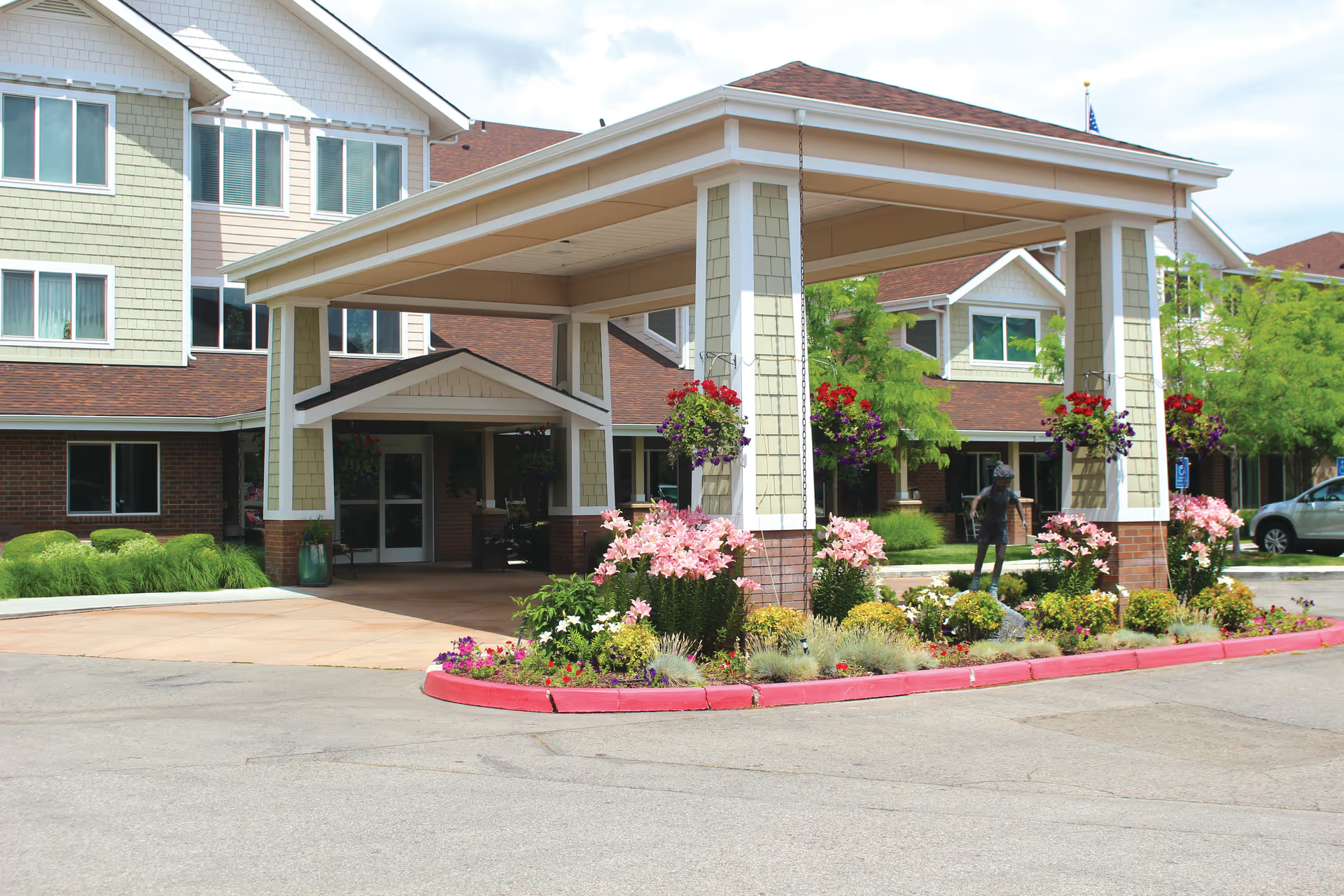
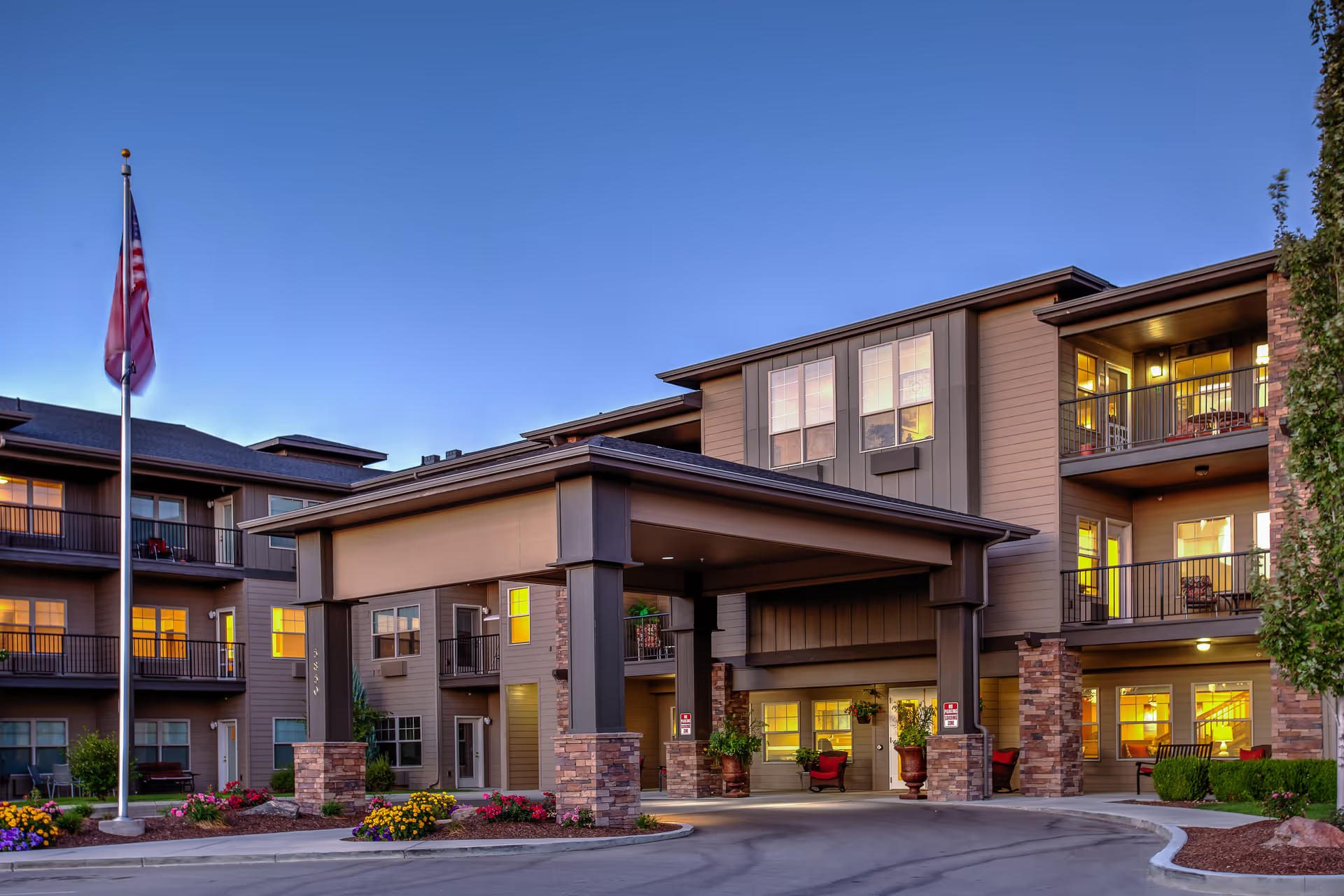
Table Rock Senior Living at Paramount elicits strongly mixed impressions across reviewers. Many families and visitors emphasize the facility’s physical strengths: a modern, well-kept building, spacious private rooms with en-suite bathrooms, attractive common areas, and a bright, home-like atmosphere. Activity programming and memory-care offerings receive frequent praise — residents are described as engaged by planned events, outings, live entertainment, and focused life-enrichment opportunities. Several accounts also highlight positive collaboration with home health and hospice partners and supportive bereavement practices.
Care and staffing are consistent points of divergence. A substantial number of comments describe caregiving staff as compassionate, attentive, gentle, and professional; these families credit staff with timely medication administration, frequent check-ins, and going above and beyond for residents and visitors. At the same time, there is a recurring pattern of operational weaknesses: high staff turnover, understaffed shifts, and perceptions that floor staff are under-supported by management. These factors are linked in some accounts to delays in assistance, missed tasks, and inconsistent continuity of care. Medication-administration and tracking are generally cited as adequate by many, but a smaller set of accounts raises concerns about lost medications and lapses in medication processes.
Dining and housekeeping impressions are similarly mixed. Several reviewers praise the meals, calling food "excellent" and noting positive dining experiences; others characterize meal quality as frozen or low-value, indicating inconsistency in kitchen execution. Housekeeping and appearance of the building are overwhelmingly positive: the community is described as clean, bright, and well maintained. Activities and social programming are frequently singled out as a strength, particularly in memory-care units where staff-led programming and community outings contribute to resident engagement.
Management and organizational patterns are a principal source of variation in experience. Some families attribute recent improvements to new, proactive local leadership and recommend the community highly; others associate declines with ownership or corporate decisions, citing abrupt management changes, reduced hours for longstanding employees, rent increases, and a perceived shift in priorities. Communication gaps — especially slow or unreturned phone calls and uneven responsiveness to family concerns — appear across multiple accounts and are linked to frustration. A small number of more serious claims raise concerns about staff conduct and resident safety; these are isolated in the dataset but warrant follow-up by prospective families and regulators as appropriate.
In sum, Table Rock Senior Living at Paramount presents a facility with strong physical attributes, active programming, and many instances of excellent hands-on caregiving. However, prospective residents and families should weigh these positives against operational patterns flagged in several accounts: turnover and staffing stability, inconsistent food and service delivery, communication responsiveness, and occasional safety or conduct concerns. A recommended approach is to visit in person, meet day and evening staff, review staffing ratios for the intended unit, ask about recent management changes and retention initiatives, and request written policies on medication management and family communication to assess how current operations align with your expectations.