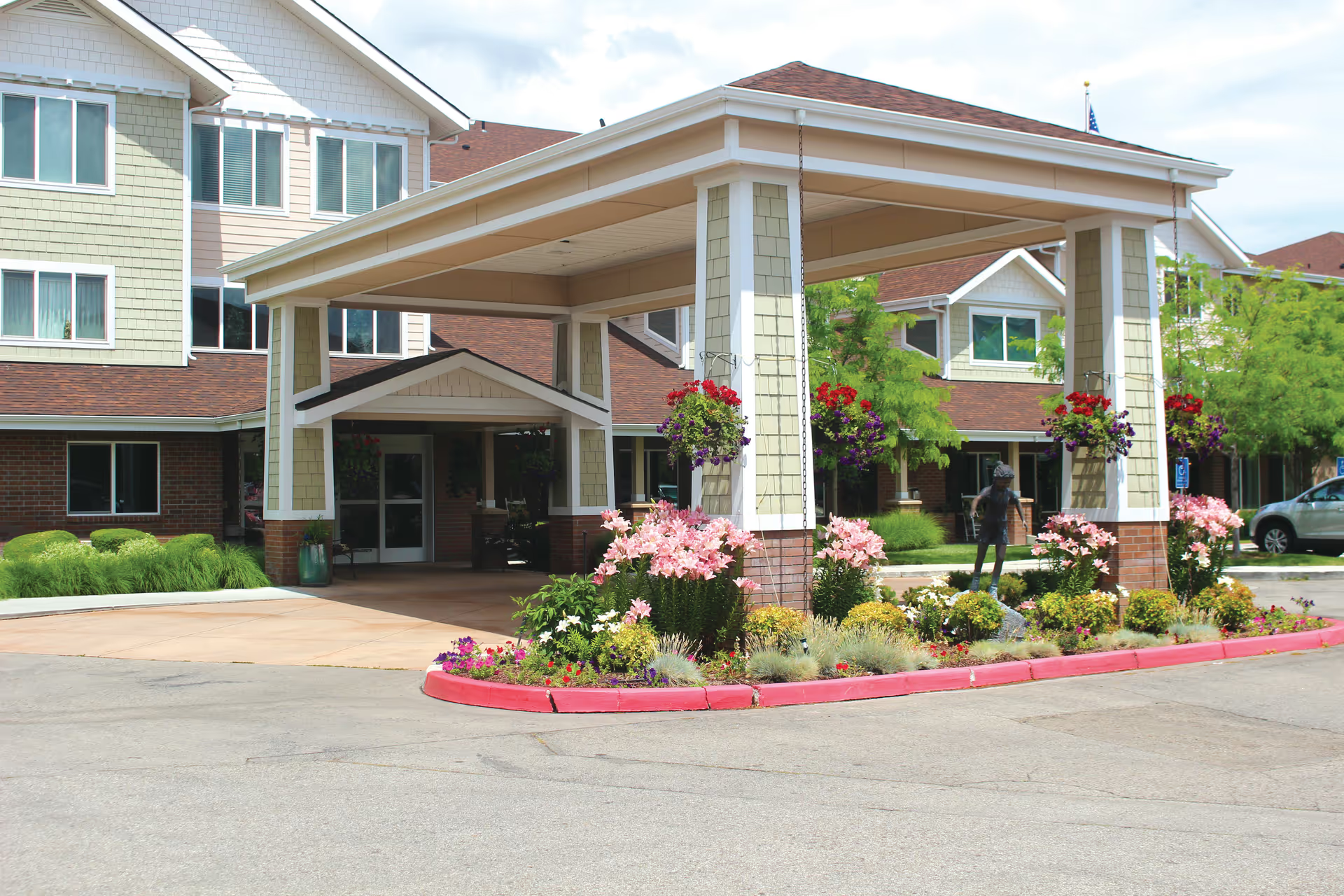
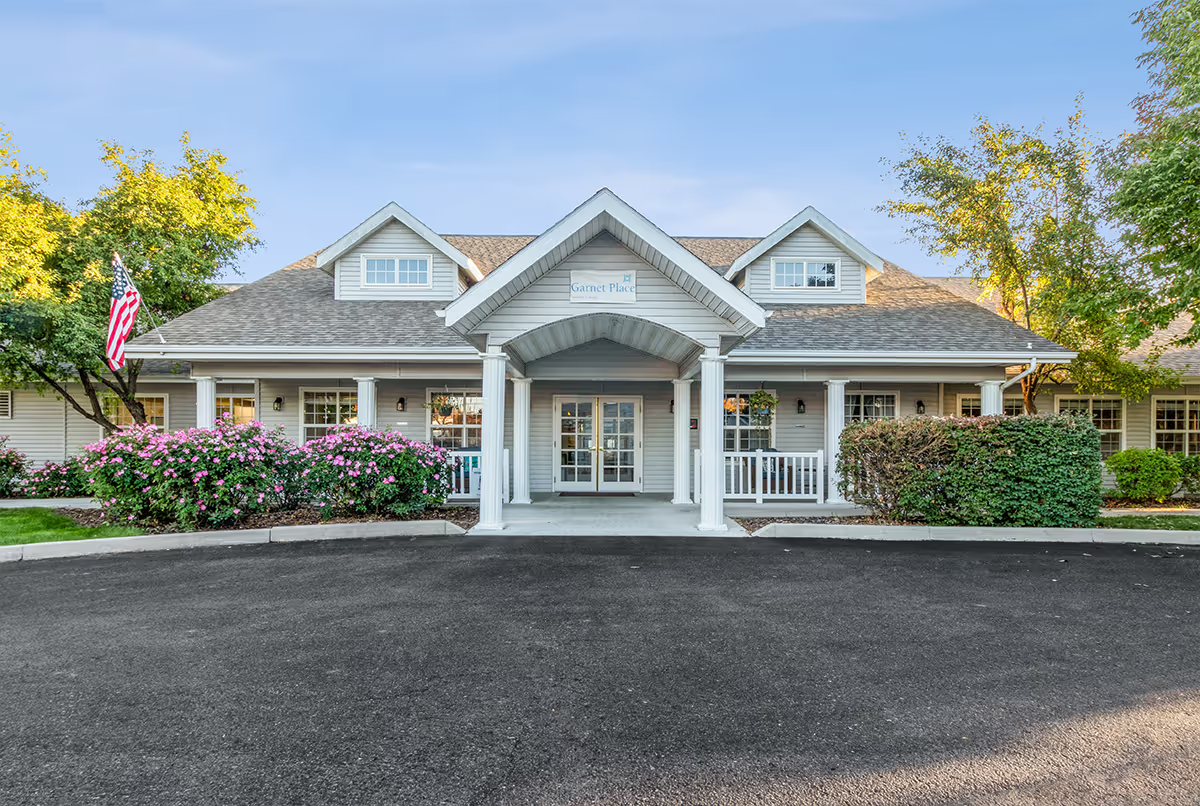
Overall impression: MorningStar Senior Living of Boise presents as a well-appointed, activity-rich senior living community with many strengths in staffing, programming, transportation, and the built environment. Multiple reviewers describe a warm, home-like atmosphere, active Life Enrichment programming, frequent on‑ and off‑site outings, and extensive on‑campus amenities that support social engagement. The campus and many apartments are described as clean, bright, and attractively maintained, and independent-living units frequently include full kitchens, good natural light, and adequate storage.
Care and staff: Staff performance is the facility's most consistently praised element. Reviewers highlight compassionate, resident-focused caregivers, reception and support teams who know residents by name, and 24-hour staffing that contributes to a sense of safety and responsiveness. Several accounts describe strong leadership and a staff-first culture that yields high family satisfaction; conversely, there are also reports of variability in management responsiveness and front-desk tone. Clinically, most families describe attentive care, but a subset of reviews raises concerns about clinical-incident coordination and family notification during acute events; these indicate opportunities to standardize escalation and transfer communication protocols.
Dining and nutrition: Dining is a clear mixed area. Many reviews praise excellent meals, generous portions, and special-event dining; others describe inconsistency in meal quality, slow service at times, and the impact of chef turnover on menu continuity. The facility's meal-plan structure (meals included in monthly rent with limited crediting for unused meals) is viewed by some as inflexible and creates perceived value concerns. Housekeeping and dining-service execution also show variability, with isolated accounts of cold meals and service interruptions linked to operational issues.
Activities and lifestyle: The community offers a broad, active calendar—frequent live entertainment, movies, fitness classes, arts and crafts, and regular shopping and cultural outings are commonly cited. Life Enrichment staff are described as proactive and the community fosters social connection, with many residents engaging in volunteer and ambassador programs. Fitness offerings exist but equipment availability in the gym is occasionally described as limited relative to demand.
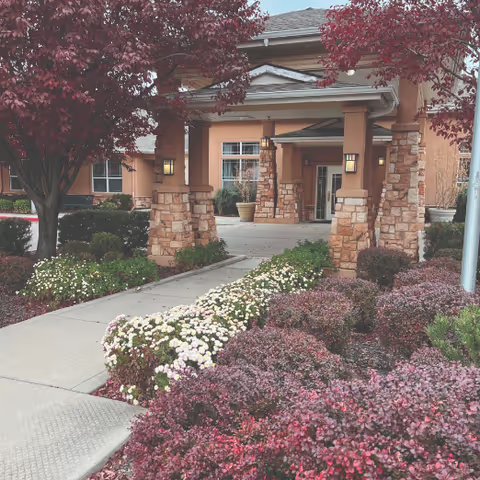
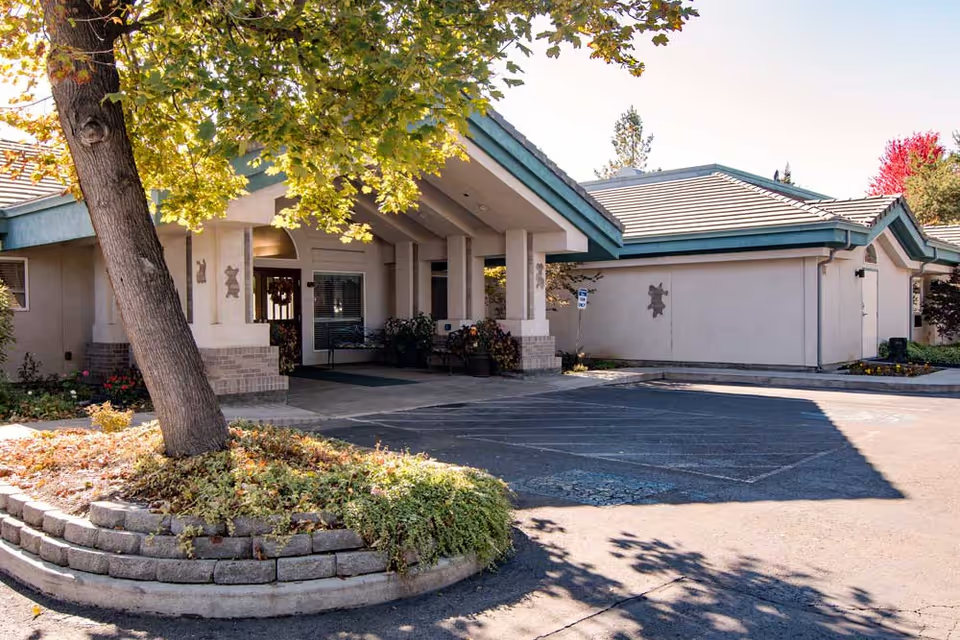
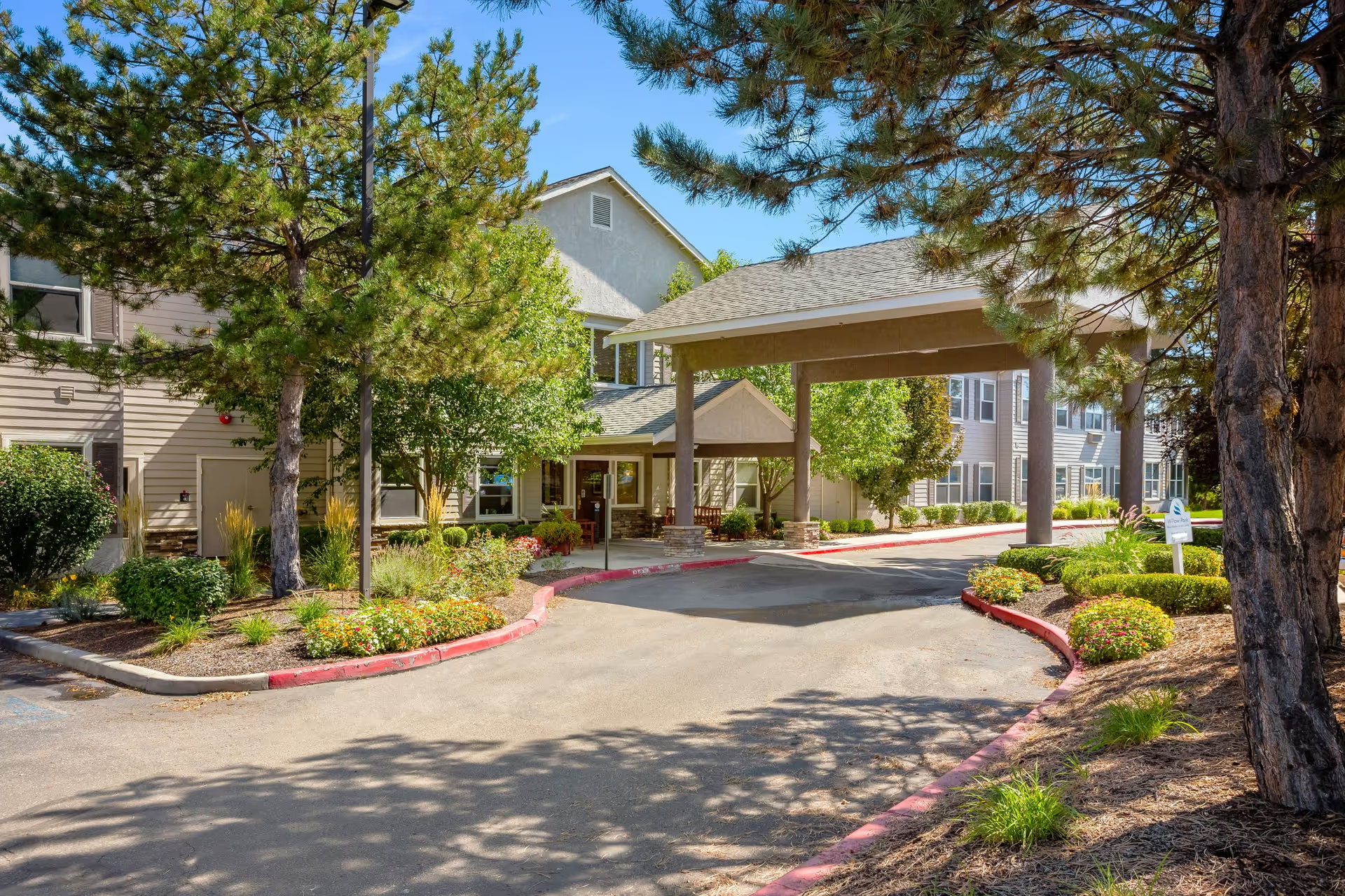
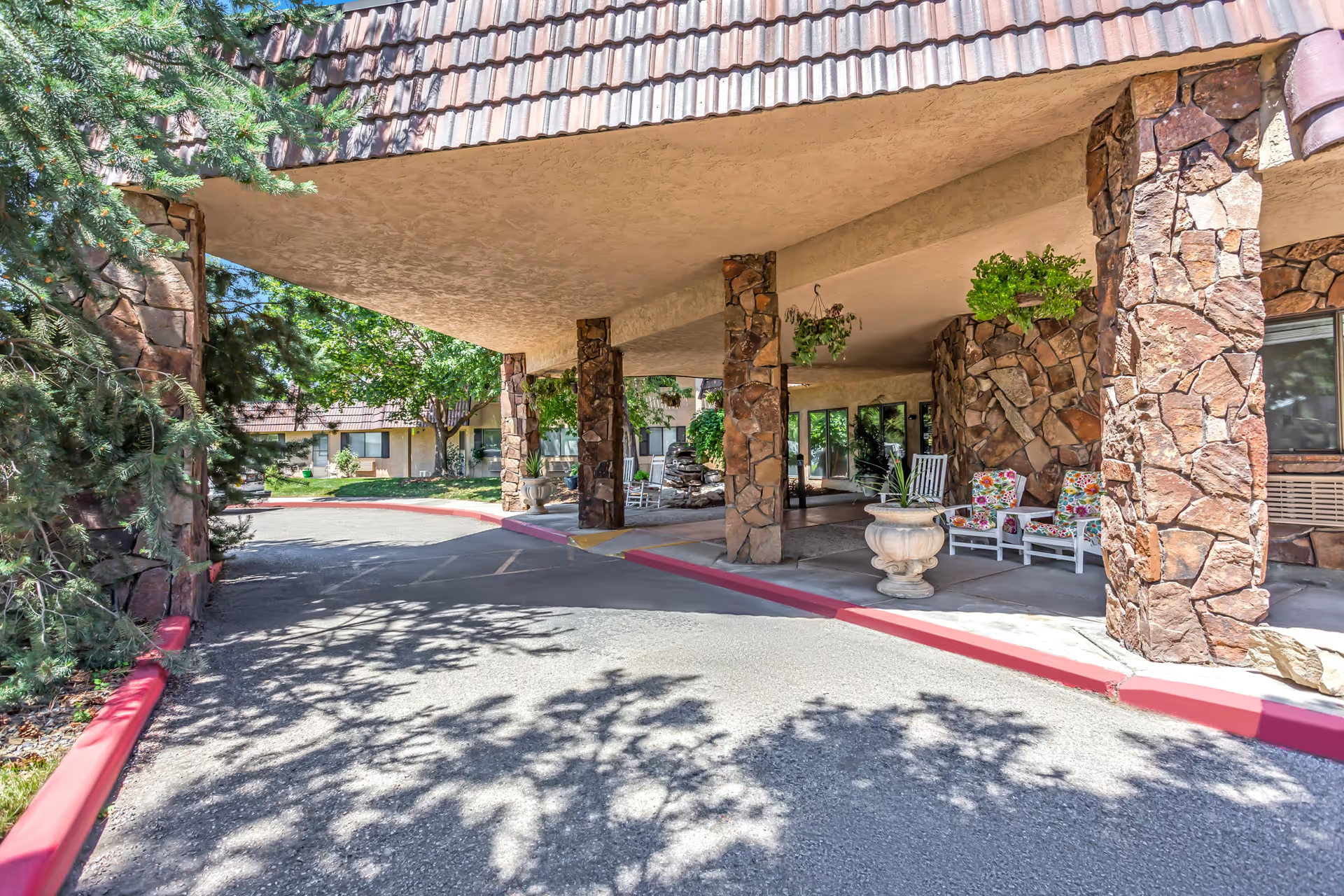
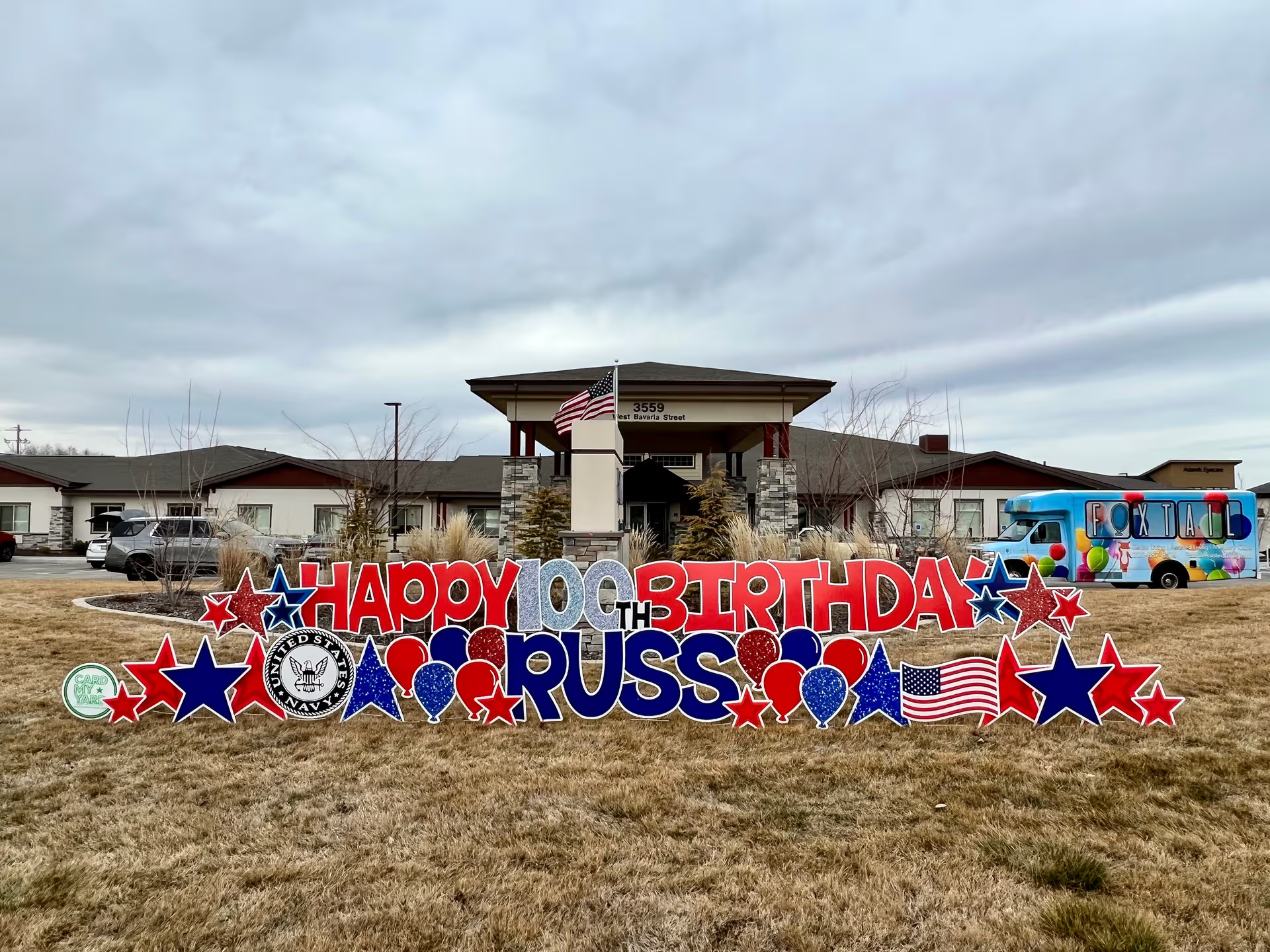
Facilities and operations: The physical plant is frequently commended: bright dining rooms, well-kept landscaping, accessible bathrooms and rooms suited to mobility needs, and multiple communal spaces. Transport services (including a wheelchair-accessible van) and seven‑day scheduling for appointments and shopping are notable operational strengths. Areas for operational improvement include parking logistics, some recurring maintenance items (burned‑out hallway lights, delayed repairs), and technology infrastructure (TV, Wi‑Fi, phone issues). Housekeeping frequency and thoroughness are uneven across reports, with requests for more regular deep-cleaning in some areas.
Management and patterns to watch: Reviews indicate a polarized experience with management — many families praise attentive, mission-driven leadership and clear communication, while others report poor communication, perceived pressure around unit moves or relocations, and concerns about billing practices and ancillary fees. A small but serious subset of reviews raises allegations of theft and financial-conduct concerns and notes lapses in transfer coordination that resulted in distressing experiences for families; these accounts point to the need for transparent financial practices and stronger family-notification protocols. Memory care capacity is described as limited, which may affect residents who later require higher-level support.
Bottom line: For prospective residents and families, MorningStar Boise appears to offer a high level of social programming, on-site amenities, and a generally attentive caregiving culture in an attractive campus setting. Key due-diligence items before move-in should include clarifying the meal-billing policy and options for dietary accommodations, confirming housekeeping and maintenance service schedules, reviewing technology and parking arrangements, assessing memory‑care availability, and discussing the facility's protocols for clinical incidents, transfers, and family communication. Requesting written examples of escalation and notification procedures, a current copy of ancillary fee schedules, and recent staffing/chef continuity information will help families weigh the strong lifestyle and staffing attributes against the operational variability reported by some families.