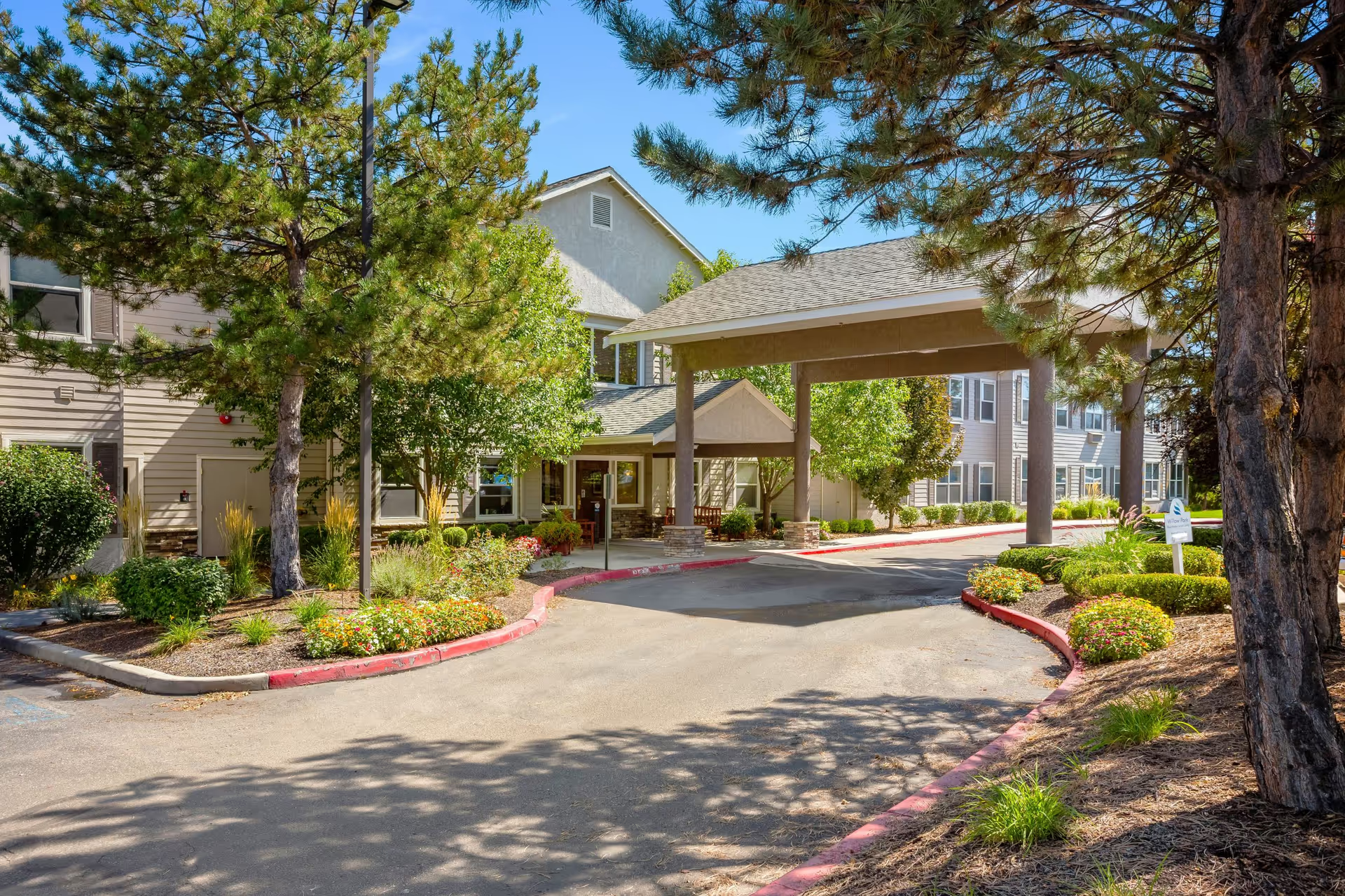
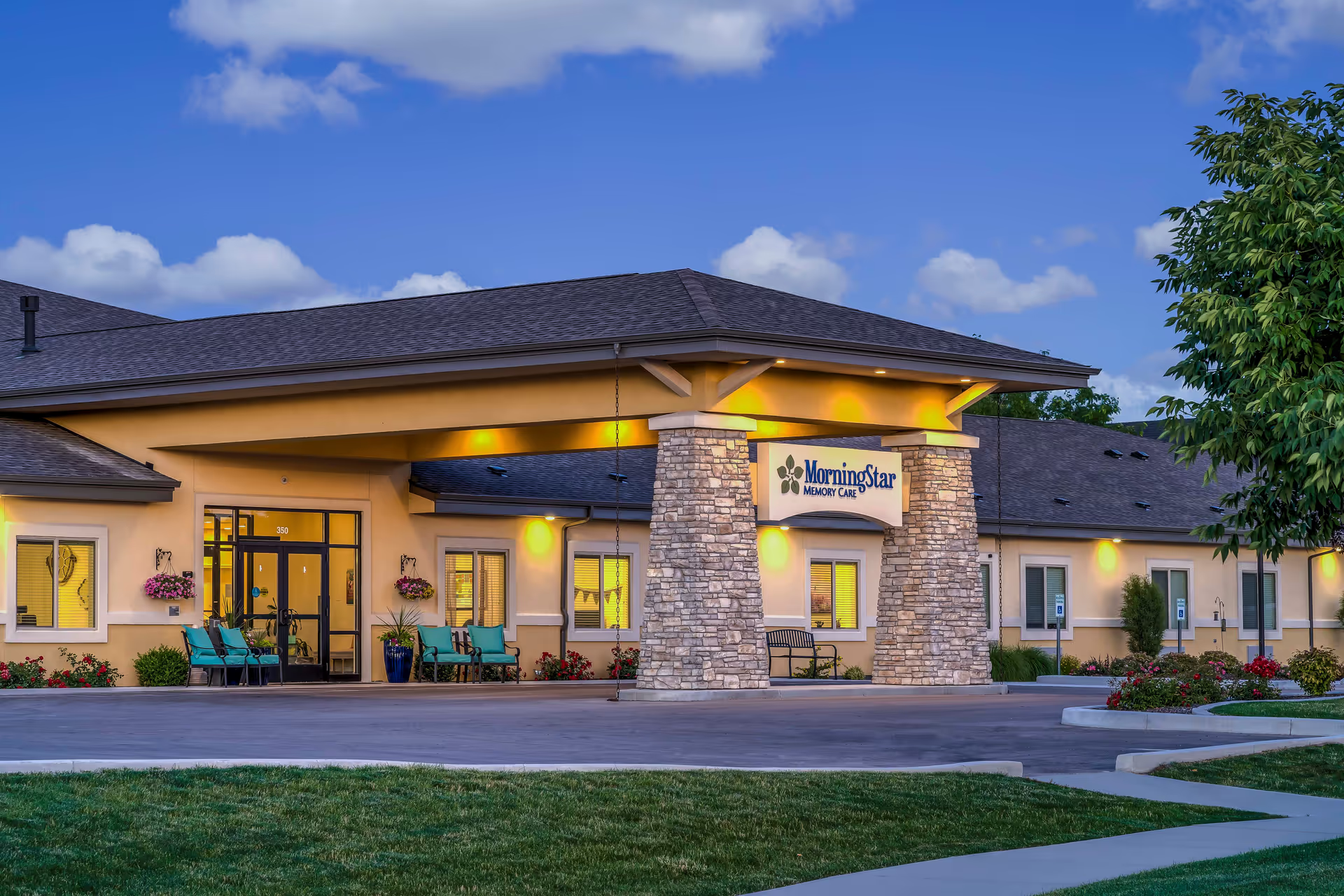
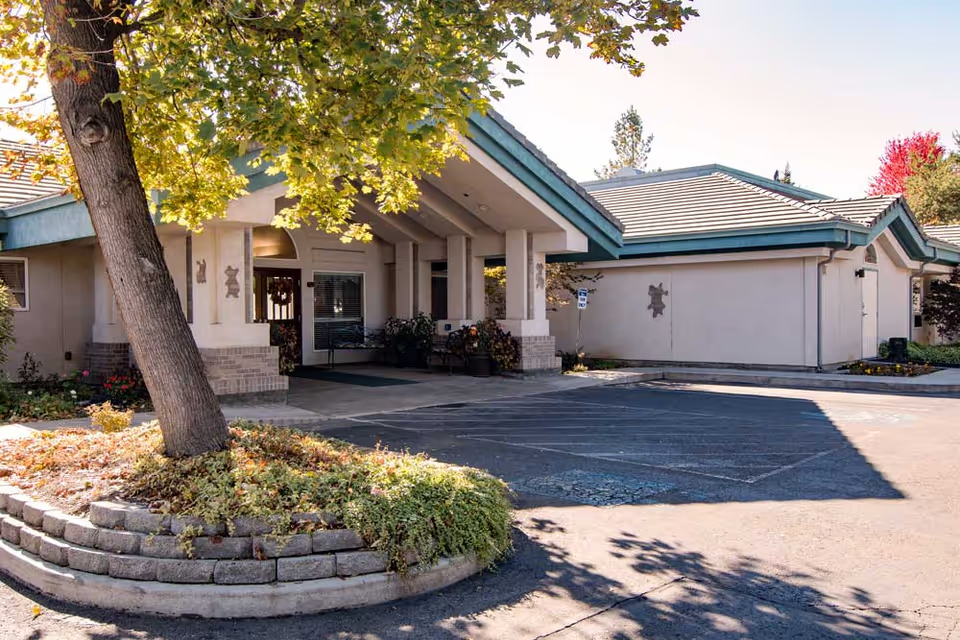
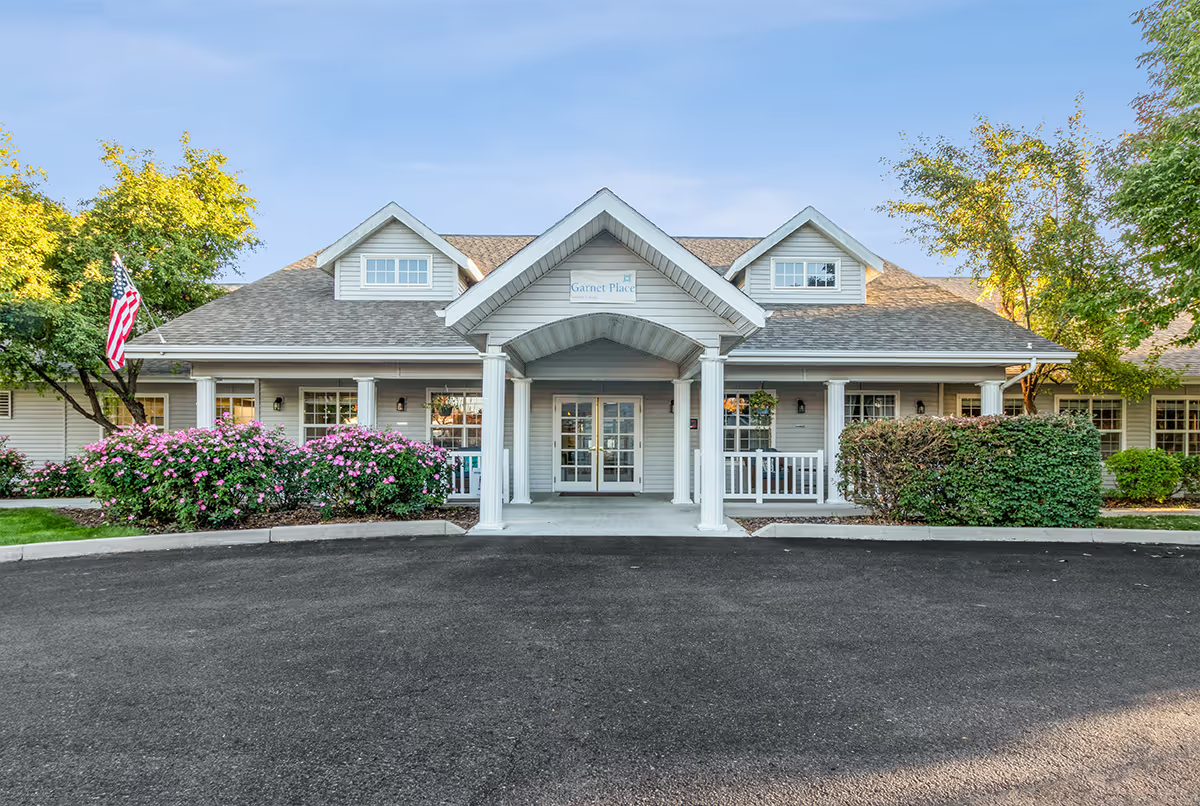
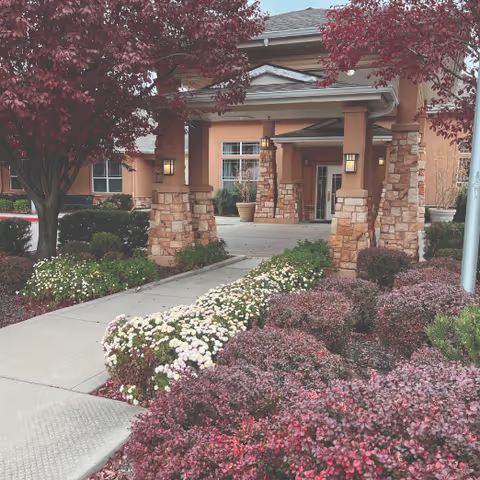
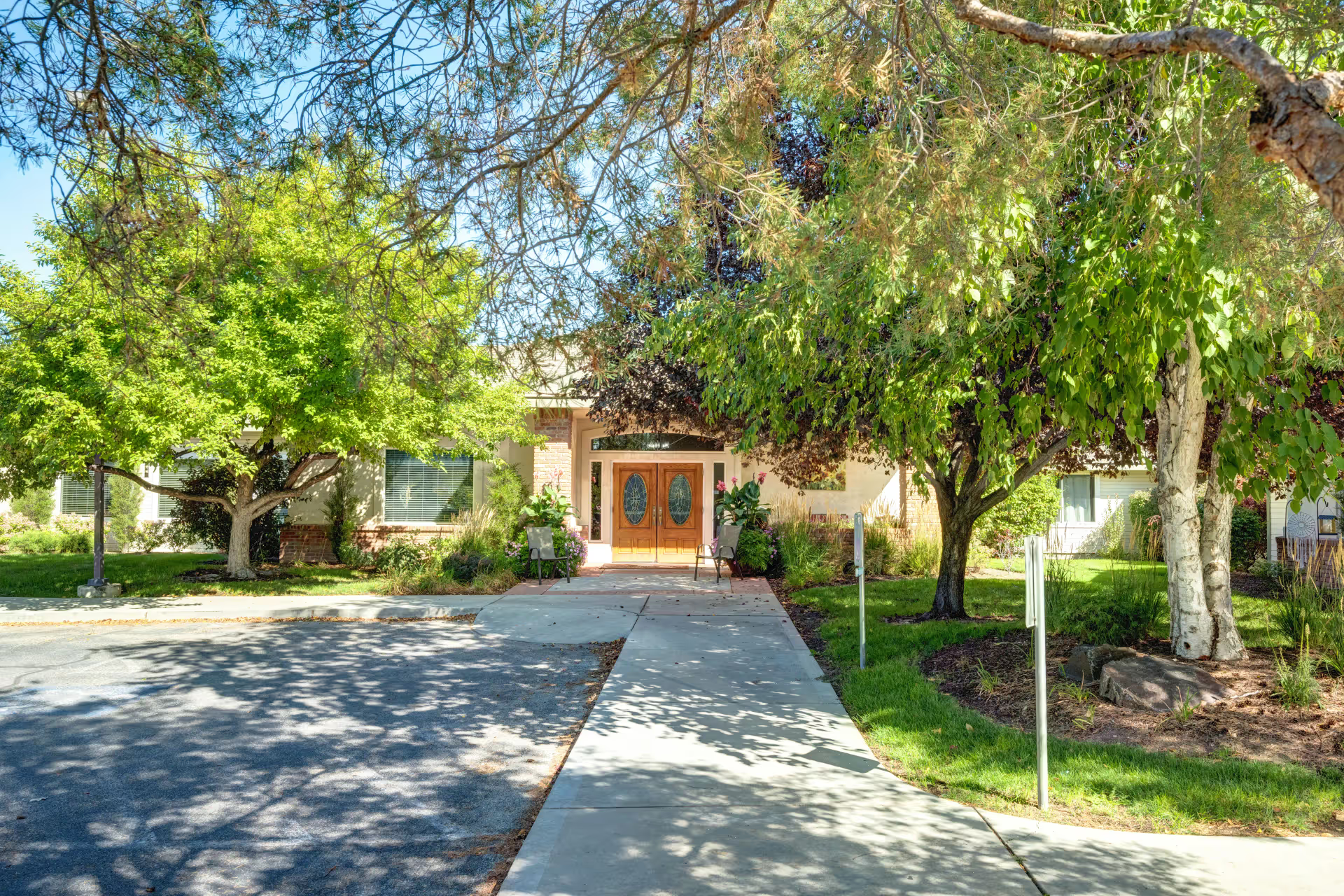
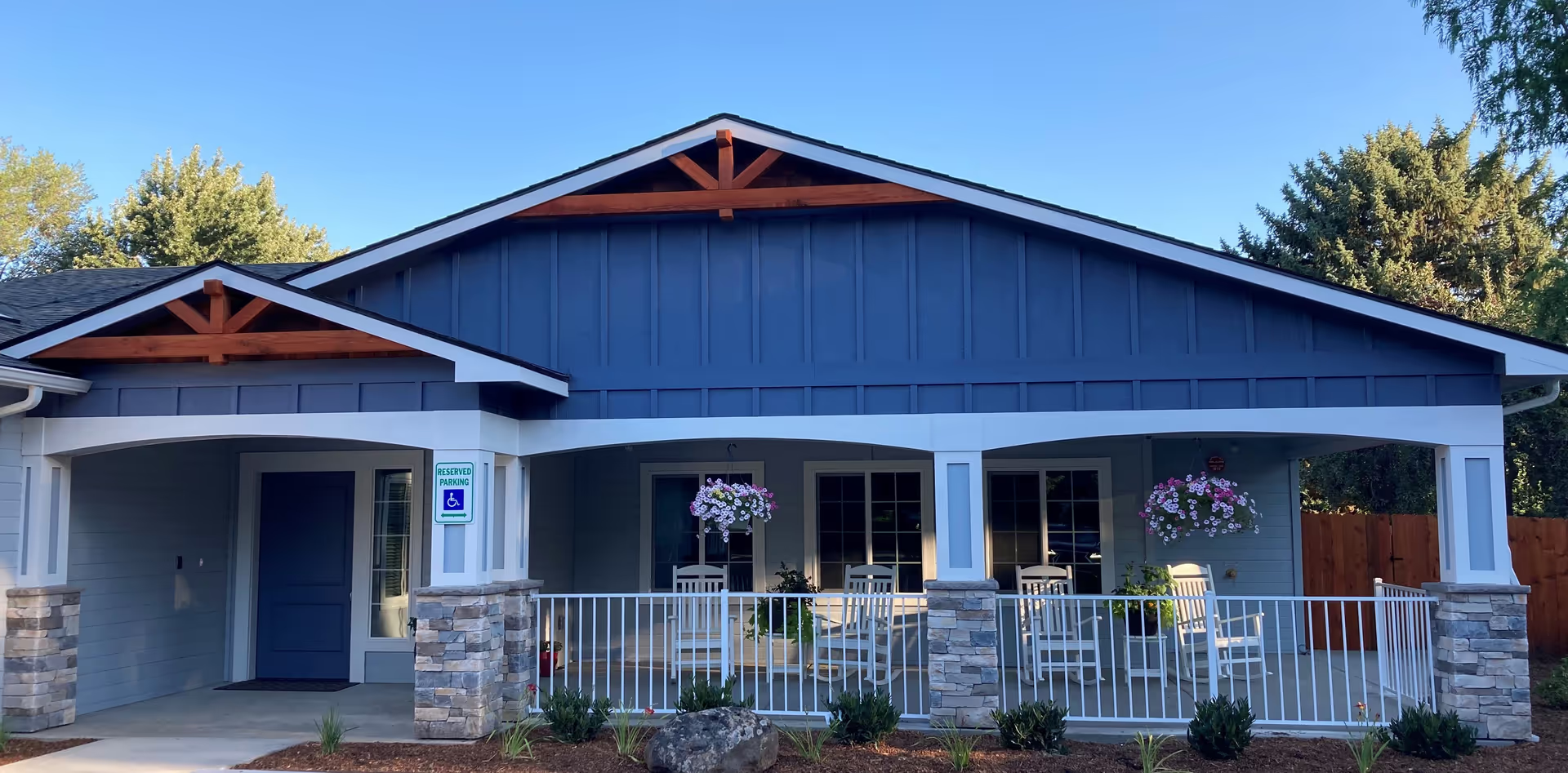
Overall impression: Chateau de Boise presents as a residential, community-oriented independent living option with many strengths around staff engagement, social programming, and basic services. Reviewers frequently describe a warm, home-like atmosphere, friendly residents, and staff who know residents by name and provide personalized touches. The campus offers a mix of main-building apartments and stand-alone cottages, outdoor patios and walking paths, and nearby shopping and transit access — all of which support independent living and social interaction.
Care and staff: Staff behavior is the facility’s most consistently praised attribute. Families and residents commend compassionate, attentive caregivers and servers, regular check-ins, and individualized attention such as remembering beverage preferences and accommodating meal requests. At the same time, several accounts highlight operational gaps that affect care continuity: variable staffing levels, occasional delays in responding to calls, and at least one concern about medication administration. These issues suggest inconsistent staffing coverage and uneven clinical oversight at times; prospective residents with higher medical needs should evaluate clinical protocols and on-site nursing availability.
Dining and nutrition: Dining is a central feature and often described as restaurant-style with three meals daily, weekly housekeeping, and an ample menu. Many reviewers praise the dining room, servers, and chef-prepared meals. However, there is a recurring pattern of inconsistent food quality and limited menu variety for some tastes; comments include carb-heavy offerings, weak diabetic accommodations, and periodic perceptions of repetitive or lower-quality entrees. Prospective residents who prioritize specialized diets or high culinary variety should sample meals and discuss dietary accommodations before moving in.
Activities and social life: The community supports an active social calendar — games, music, outings, shopping trips, garden visits, and volunteer-run events are commonly available. Many residents report rapid social integration and wide participation. That said, some residents would like more frequent outings, male-oriented activities, and broader programming; pandemic-era restrictions also temporarily reduced activity offerings. Activity intensity and variety can appear uneven depending on staffing and management emphasis.
Facilities and services: Physical accommodations include a range of apartment sizes, cottages with full kitchens, patios, and common spaces such as a dining room, library, and fitness area. Common areas are frequently described as clean and well kept. Conversely, the facility is an older property in parts: reviewers cite aging infrastructure, limited elevator access, occasional odor concerns in common areas, and mixed experiences with maintenance responsiveness. Transportation services are provided for appointments and shopping, but service days and accessibility (for example, wheelchair-lift availability) can be limited.
Management and administration: Admissions and move-in processes are often cited as smooth and welcoming, and some families appreciate price-lock features and perceived value. However, there is a notable pattern of administrative instability in certain accounts: frequent management turnover, billing errors, undisclosed or unclear fees, and contract or billing disputes. These operational weaknesses have, in several instances, produced significant family dissatisfaction. Prospective residents should review contracts closely, confirm fee disclosures in writing, and inquire about billing and grievance processes.
Overall recommendation: Chateau de Boise appears to be a strong option for seniors seeking independent living in a community-focused, affordable setting with many social opportunities and routine services included. Strengths center on staff rapport, communal dining, and the availability of cottages and apartment configurations. Important caveats include variability in food quality, staffing consistency, housekeeping and maintenance responsiveness, and administrative stability. Families should prioritize in-person meal sampling, clarification of clinical and medication protocols, written fee disclosures, and verification of transportation and assisted-living pathways when evaluating whether this community fits their needs.