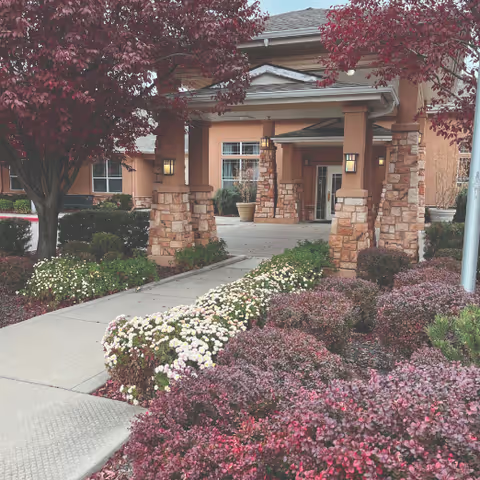
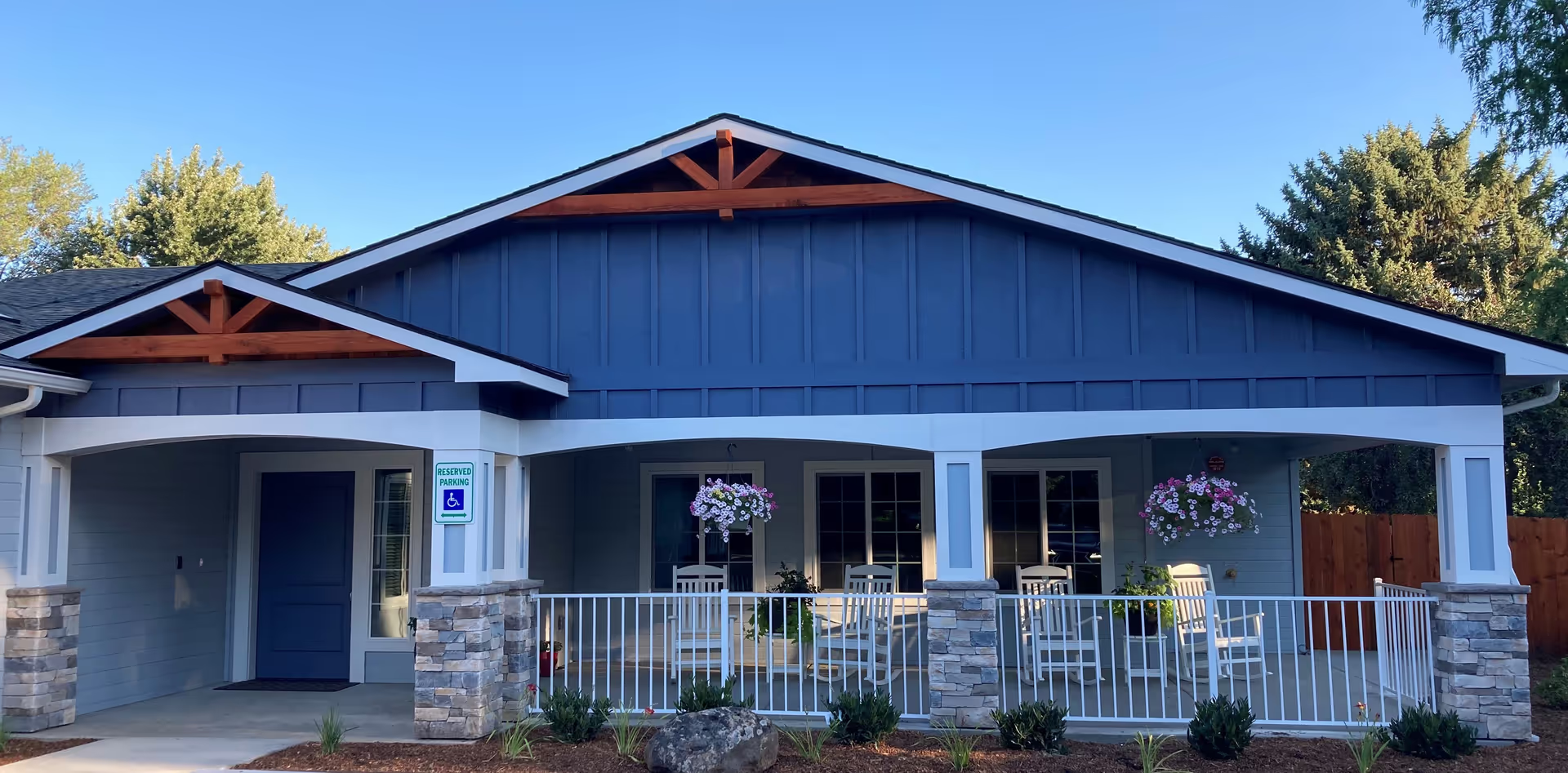
Avista Senior Living Garden City presents as a small, well-kept assisted-living community with many strengths balanced by some operational inconsistencies. The property and grounds are frequently described as clean, recently refreshed, and comfortably furnished; landscaping and enclosed courtyards are highlights. Apartments are often characterized as home-like, with accessible features such as kitchenettes and walk-in showers. The setting—single-floor, intimate, and small in scale—appeals to families seeking a quieter, community-oriented environment.
Staff and care are the most commonly praised elements. Numerous accounts emphasize compassionate, attentive caregivers who learn residents’ names, provide individualized attention, and foster warm relationships. Leadership and management involvement are frequently noted, with directors and managers described as hands-on and engaging. Many families reported smooth move-ins and supportive transition assistance. At the same time, reviewers describe variability in staff responsiveness and tone; some families experienced delays in addressing concerns or inconsistent follow‑through, and a few operational incidents suggest room for strengthened protocols around transfers and wandering prevention.
Dining and social life are central to resident experience. The facility operates an on-site kitchen and many reviewers appreciated meal presentation, special-event lunches, and the social nature of dining. The activity program is another clear strength: a full calendar, outings, painting classes, bus rides, and community-building events were repeatedly cited as meaningful engagement opportunities. However, food quality and culinary consistency appear variable across time and shifts—some reviewers sought more fresh produce or a different cook—and the dining room can feel crowded during peak service.
Clinical scope and accommodations merit careful consideration relative to resident needs. Avista appears well-suited to residents who require assisted living level supports but not advanced medical or mobility-dependent care. Several reviewers noted limitations for wheelchair users or higher-acuity needs and described waitlists for specific unit types. There are also accounts of inconsistent personal-care delivery (for example, bathing and linens) and incontinence-care delays; these point to operational areas that would benefit from reinforced staff training and monitoring. A small number of reviewers raised serious personnel-management concerns, including allegations about employee-management conflict; these are isolated in the dataset but significant and worthy of inquiry during a tour or regulatory check.
Management and administration receive mixed feedback. Many families praised responsive leadership and an inviting admissions process; others reported administrative hiccups such as extra charges, billing issues, or trash-service problems. Communication gaps between staff and families—particularly around activity availability and promised services—emerge as a recurring theme. Prospective families should verify memory-care availability, unit size and layout, staffing ratios, and contract terms during on-site visits.
Overall, Avista Senior Living Garden City is described as a personable, activity-rich assisted‑living community with strengths in staff engagement, facility upkeep, and social programming. Prospective residents and their families should weigh those strengths against noted variability in meal quality, certain aspects of personal-care consistency, and limitations for residents requiring higher-acuity or wheelchair-dependent care. Recommended next steps include multiple visits at different times of day, conversations with current residents and families, and a review of the facility’s incident history and staffing practices with the administration and relevant regulators.