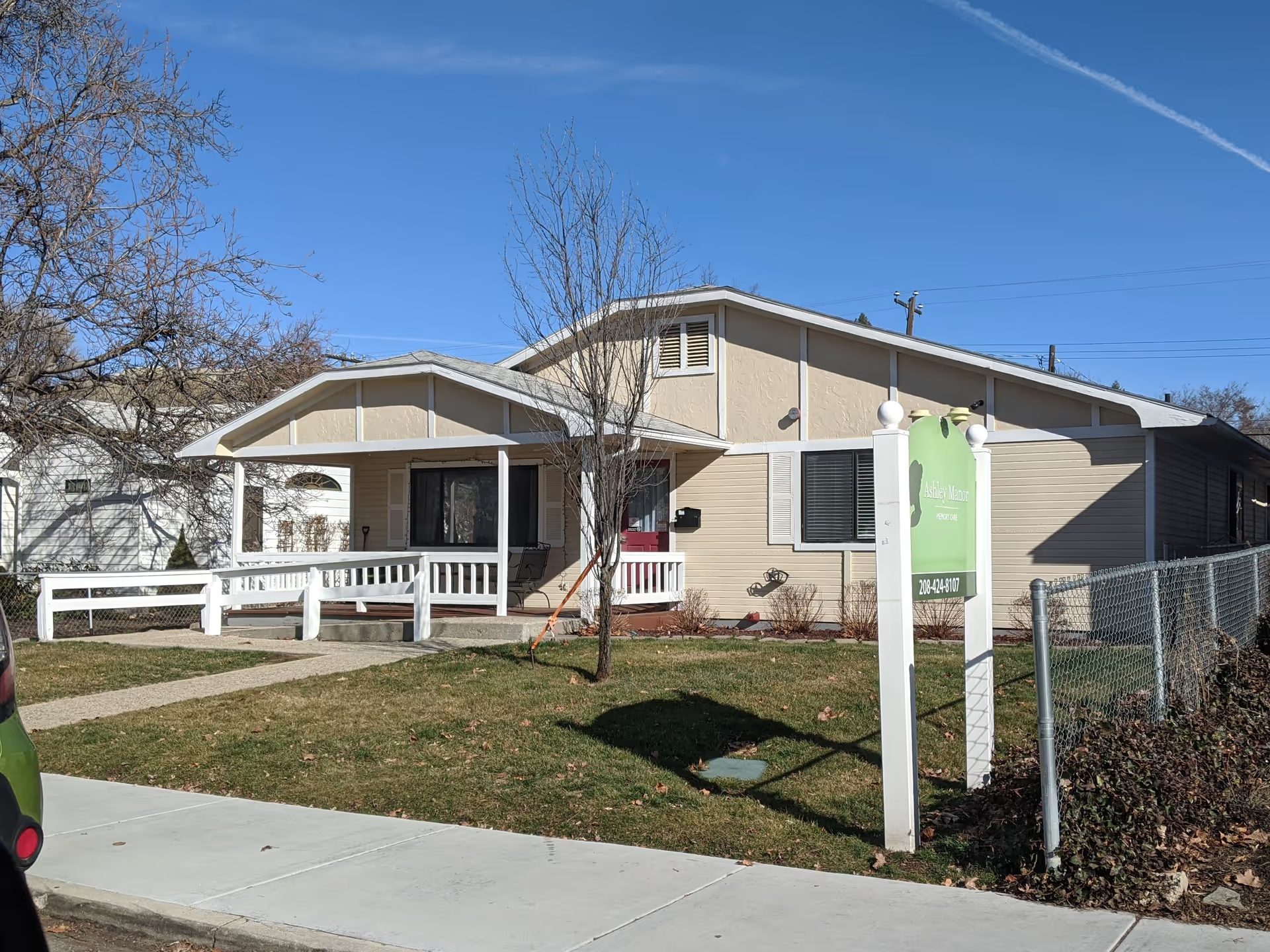
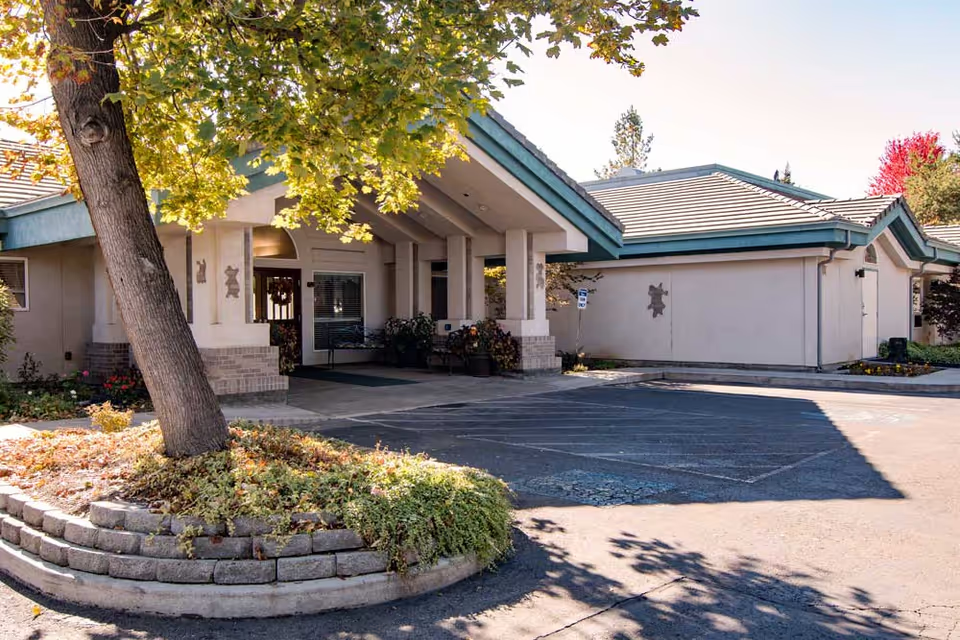
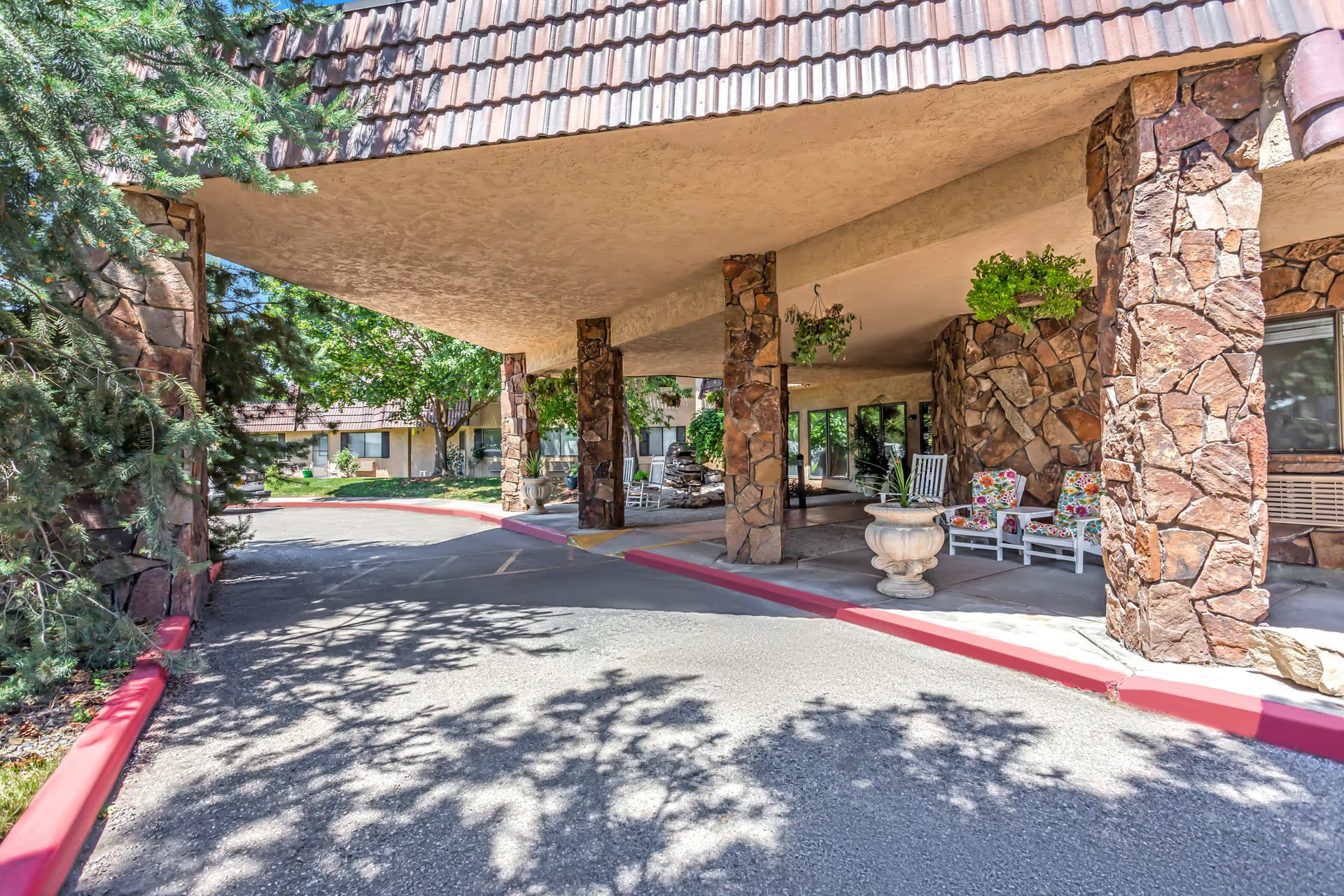
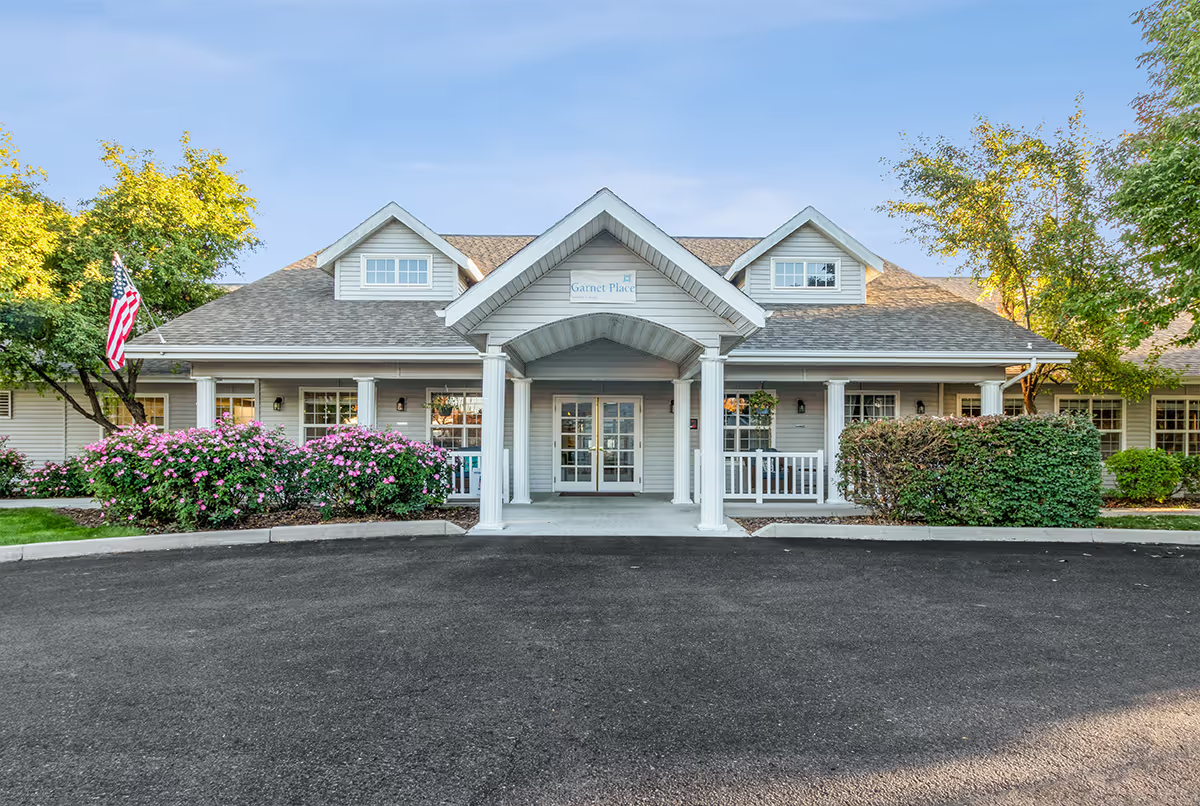
Overall impression: Review summaries indicate a facility that emphasizes homelike amenities, individualized memory-care programming, and close clinical oversight. Many families and observers praised the facility’s atmosphere, the quality of the built environment, and the warmth of caregiving interactions. At the same time, a small set of operational weaknesses appears repeatedly enough to merit inquiry by prospective residents and their families.
Care quality and clinical coordination: Reviewers consistently noted comprehensive, individualized care plans and active coordination with an external Keystone health team, which suggests an organized clinical approach and attention to medical needs. Attentive nursing and caregiver interactions were highlighted, and the facility’s staffing ratio was described as favorable for personalized attention. These strengths support a memory-care program that is both clinically oriented and family-facing, with open lines of communication to relatives.
Staff and management: Caregivers are described as friendly and caring, and families report transparent communication from management. However, staffing continuity emerged as a recurrent operational concern: turnover and rotation patterns can reduce consistency of assignment and may affect routine continuity for residents. Prospective families should ask about current staff-stability metrics, primary-assignment practices, and how the facility manages handoffs to preserve individualized care.
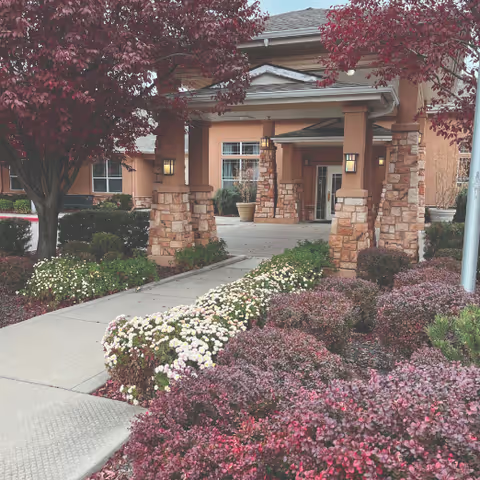
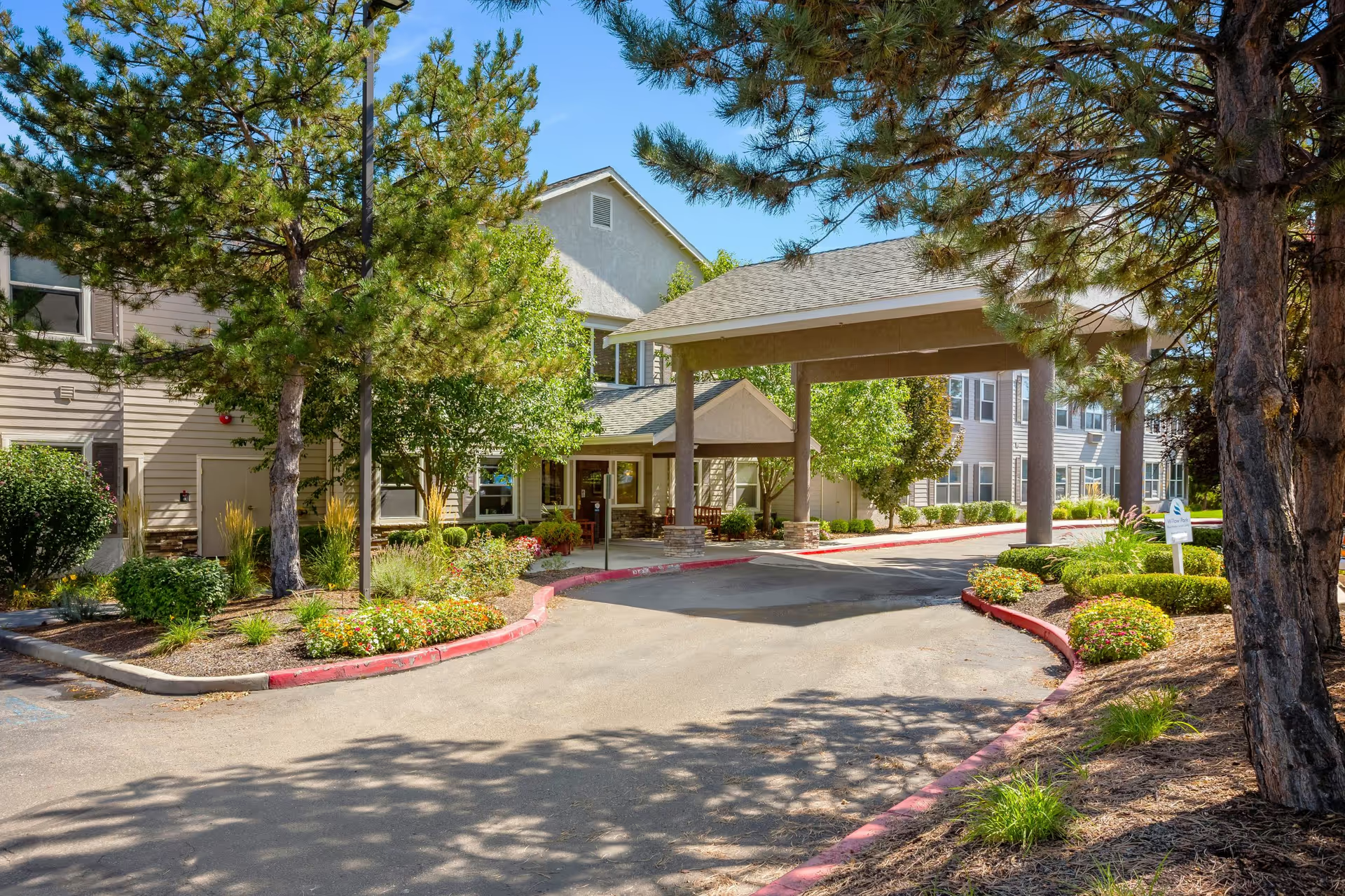
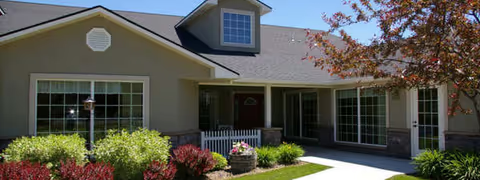
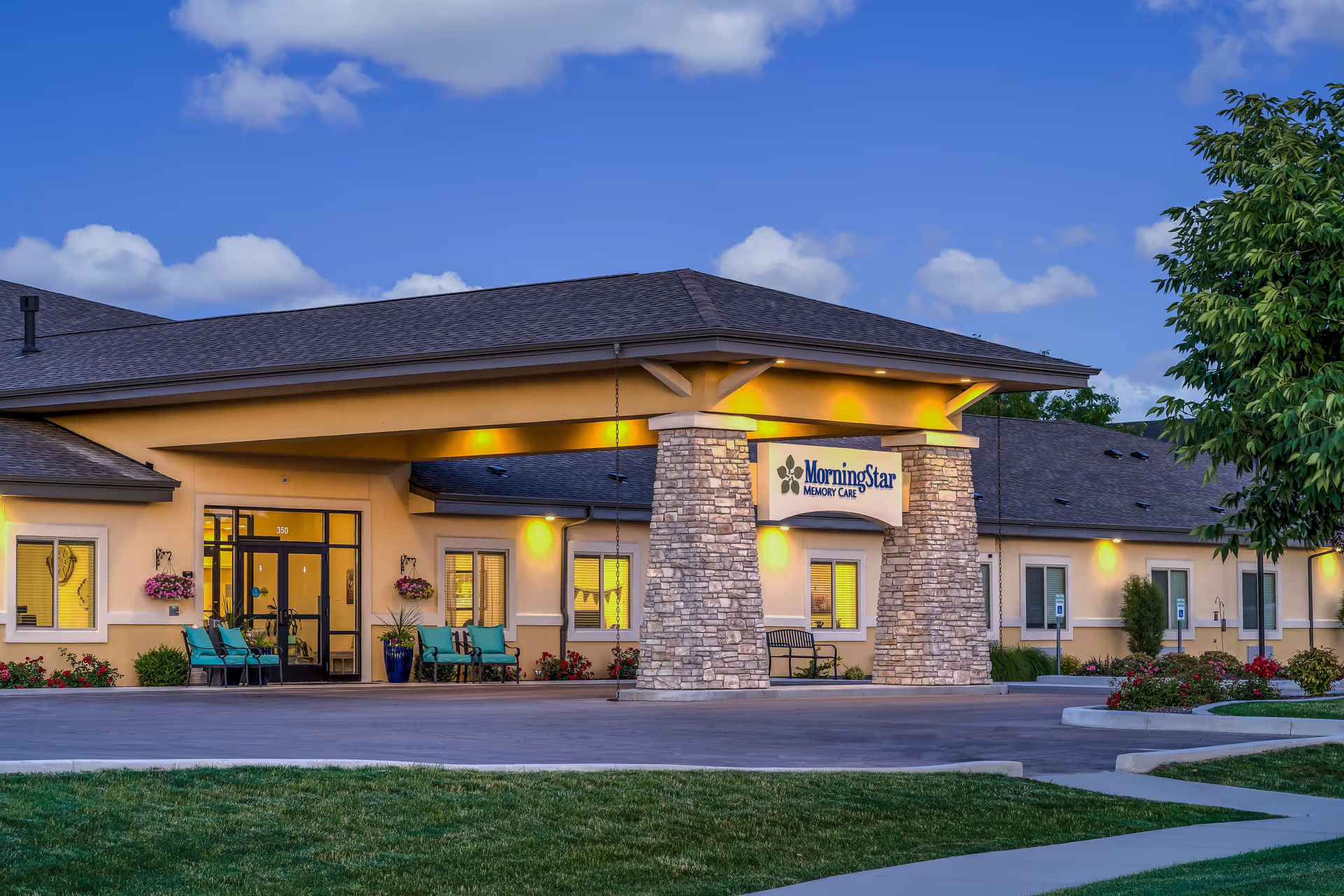
Dining, activities, and daily life: Dining is a clear strength—meals prepared from scratch, hearty portions, accommodations for dietary needs, and fresh-baked items were noted. Activity programming appears tailored to memory-care needs, with engaging, personalized options. Common spaces such as a sunroom, backyard, patios, and visiting areas are described as comfortable and well maintained, and the facility’s design contributes to an overall positive atmosphere.
Safety, sensory support, and cost considerations: Several summaries referenced occasional falls and gaps in hearing-aid support; these were framed here as system-level issues rather than single incidents. The implied operational gaps include fall-prevention and mobility-support protocols and limited in-house hearing-aid management. Additionally, the facility’s self-pay pricing model was mentioned and may be an affordability constraint for some families. Prospective families should request specific information on fall-prevention measures, sensory-assist services, and a clear breakdown of costs and financial options.
Bottom line: BrightStar Care Homes Memory Care at Taft is presented as a well-designed, clean, and personable memory-care setting with strong dining, activity, and clinical-coordination features. The principal operational areas to evaluate further are staffing continuity, fall-prevention practices, hearing-aid/sensory-assist services, and the financial model. Asking targeted questions about these topics during a visit will help families determine whether the facility’s strengths align with a resident’s needs.