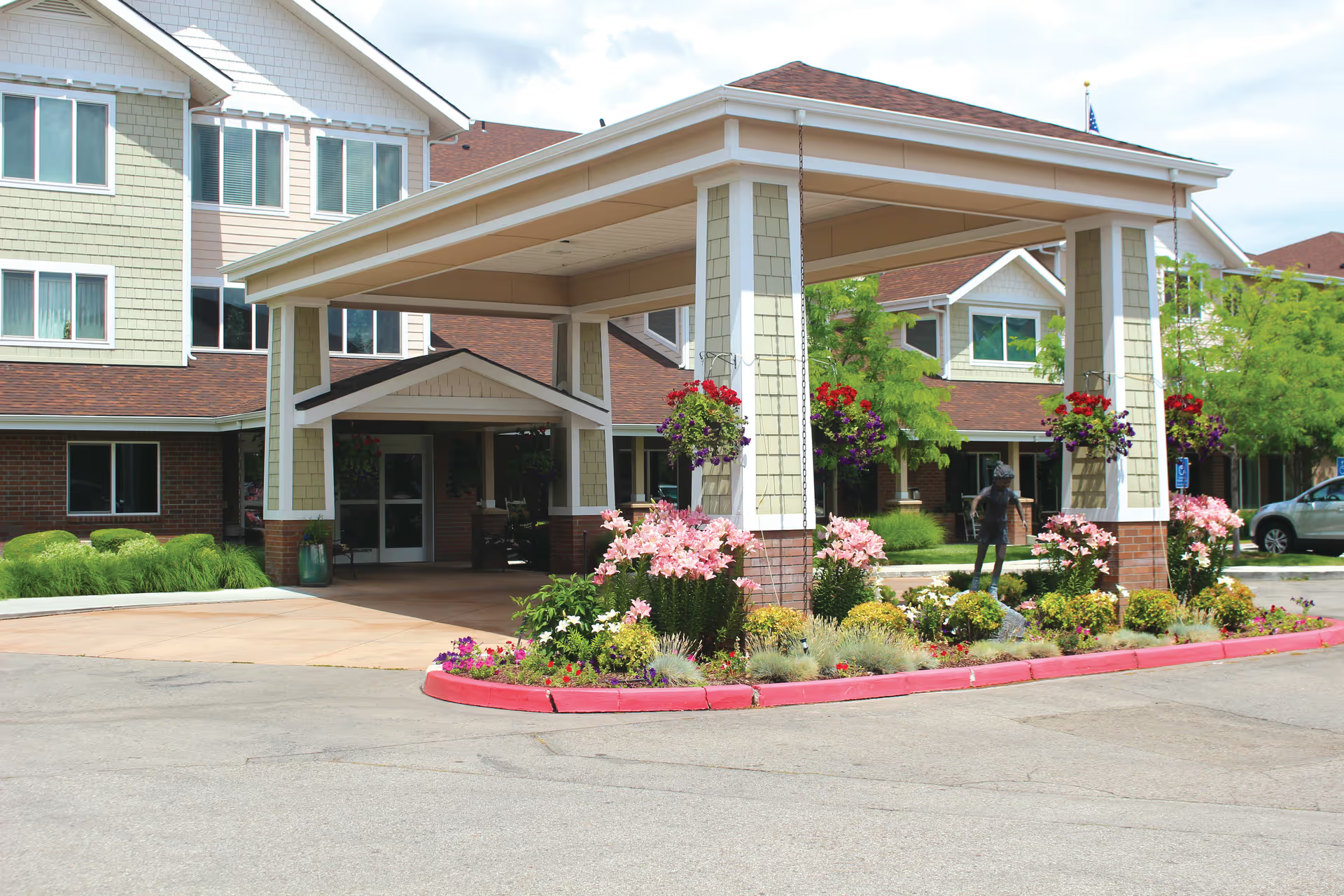
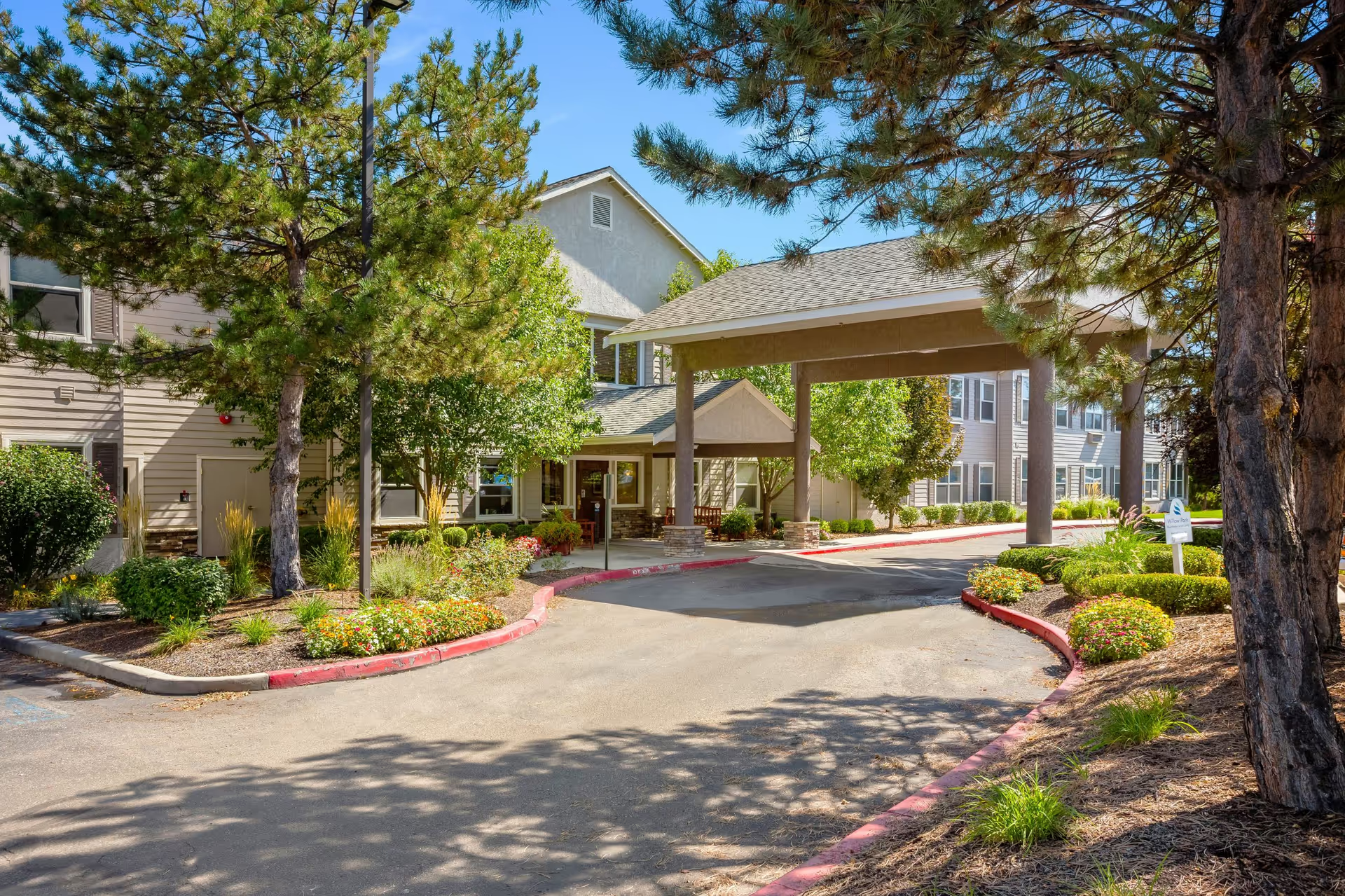
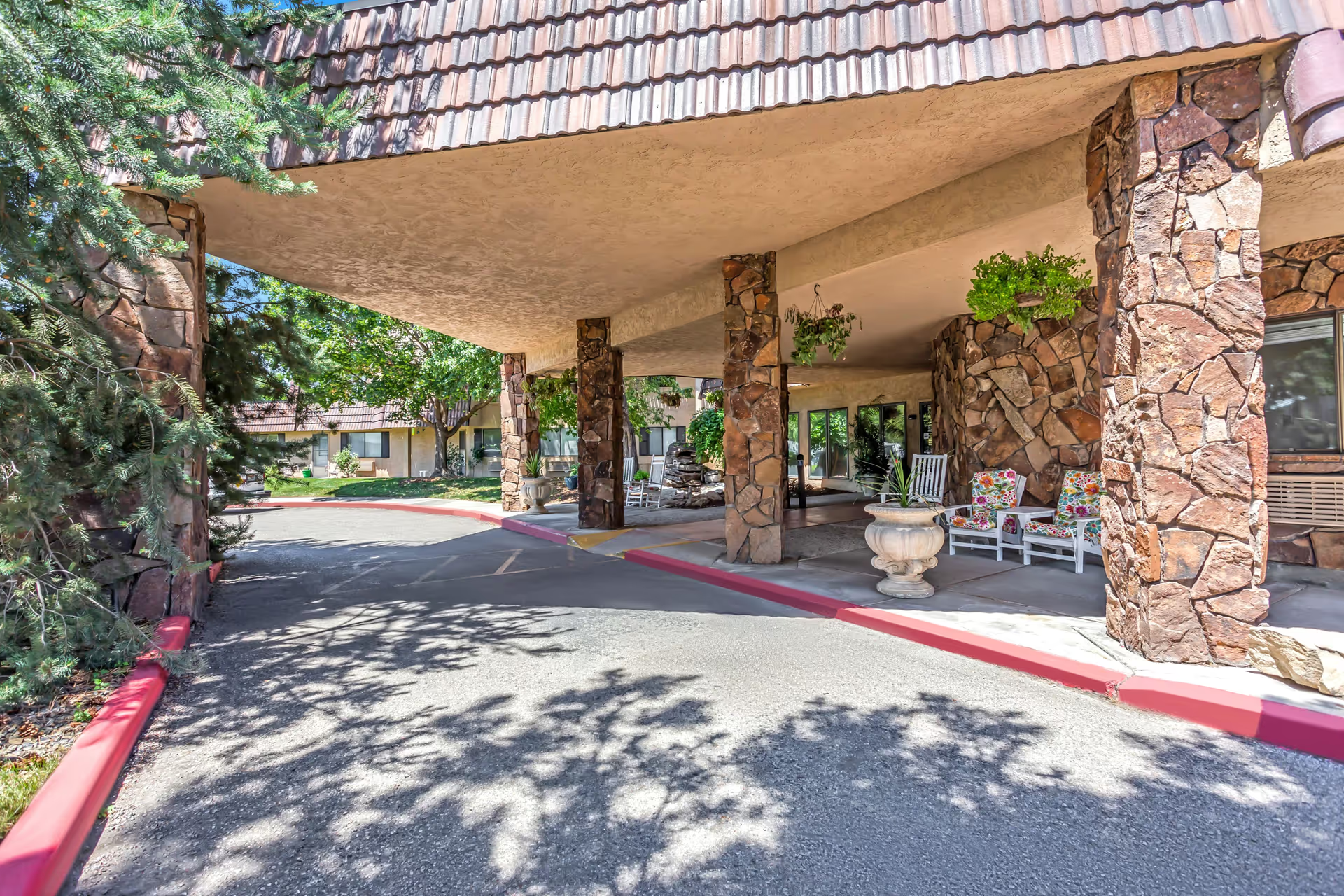
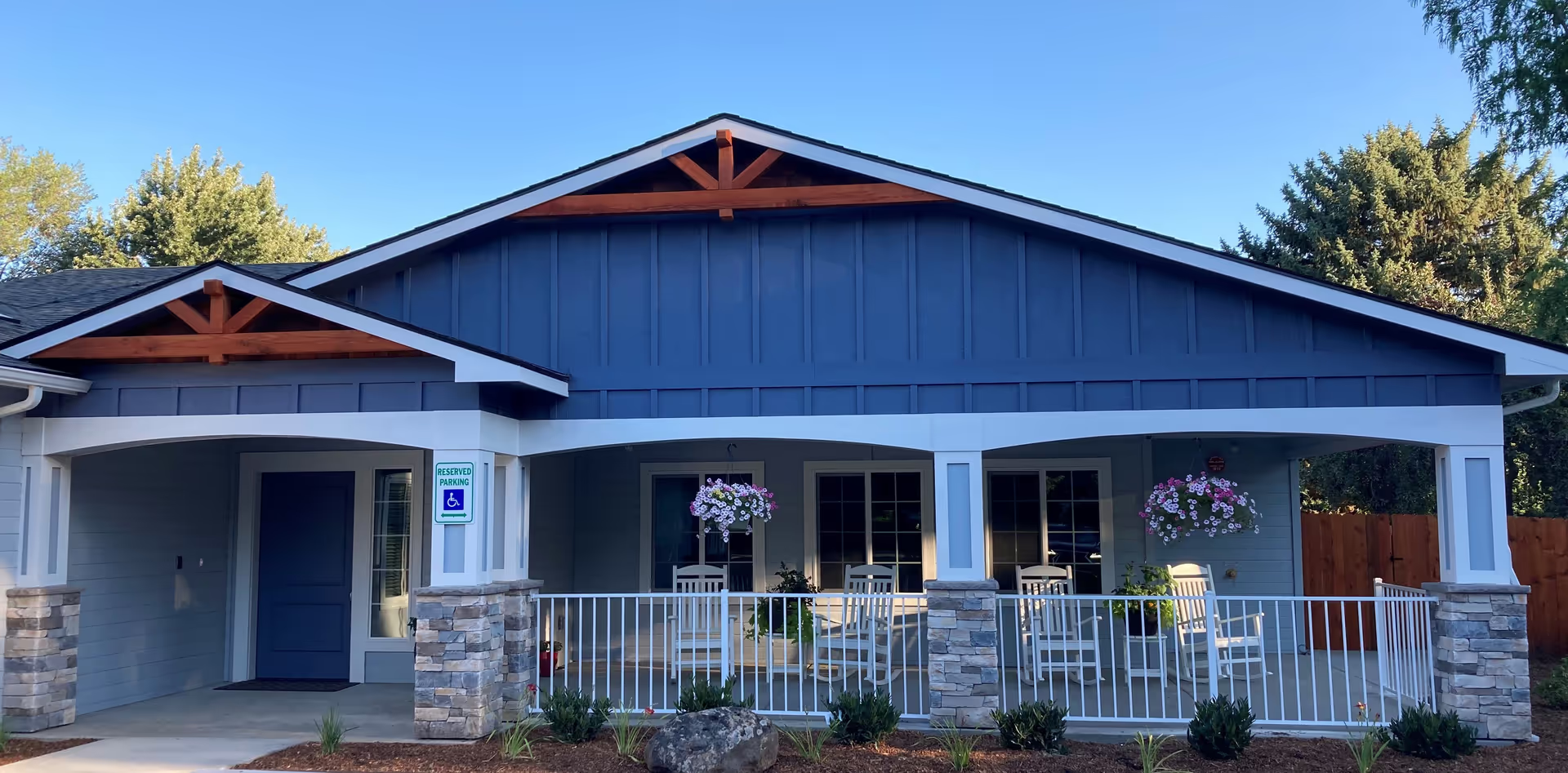
Overall impression: The Cottages Assisted Living and Memory Care in Boise is frequently described as a small, home-like community with many strengths in interpersonal care and facility presentation. Reviewers commonly highlight a clean, well-maintained environment, private rooms with en-suite bathrooms, a bright remodeled memory-care wing, and ample space for activities. The facility’s smaller size is associated with highly personalized attention: residents are described as receiving one-on-one time from staff and activities coordinators, and families often note that staff appear to know residents well.
Care quality and staff: Many accounts emphasize compassionate, experienced, and safety-minded staff — including CPR-certified caregivers and clinically attentive personnel. Management and named leaders receive positive mention for responsiveness, personal involvement, and supportive transitions from independent living. At the same time, a consistent pattern of operational strain appears: staffing shortages, turnover, and occasional low morale were reported. Those issues translate into variability in daily care consistency for some residents. There are also recurring concerns about the facility’s medication-management and behavioral-assistance processes that families should review directly with administrators.
Dining and housekeeping: Dining is frequently described as home-cooked and improving, with several families praising meal quality and increased appetite in residents. However, there are also comments about limited meal variety, occasional lapses in mealtime coverage, and inconsistent attention to serving every resident. Housekeeping and room upkeep are generally noted as strengths, but a subset of accounts describes inconsistent cleaning of some rooms and periodic maintenance gaps; these appear to be linked in part to staffing fluctuations.
Activities and programming: The community is noted for a broad range of activities — bingo, painting, music, salon visits, and frequent outings — and for having ample indoor/outdoor activity space. Several families appreciated photo updates and celebratory events that engage residents. Conversely, some families experienced limited or inconsistent activity engagement for certain residents, describing programming that can feel half-hearted or insufficiently tailored. Activity consistency seems to track with staffing levels and coordinator availability.
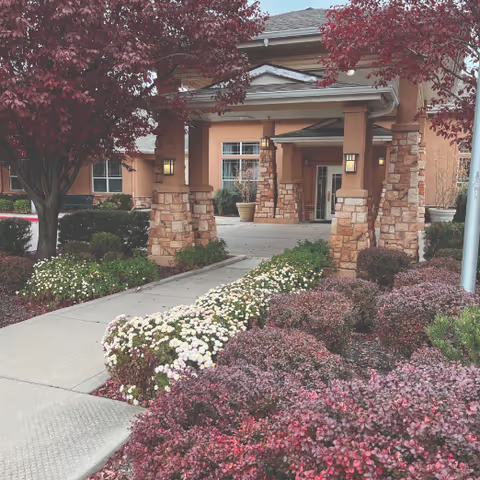
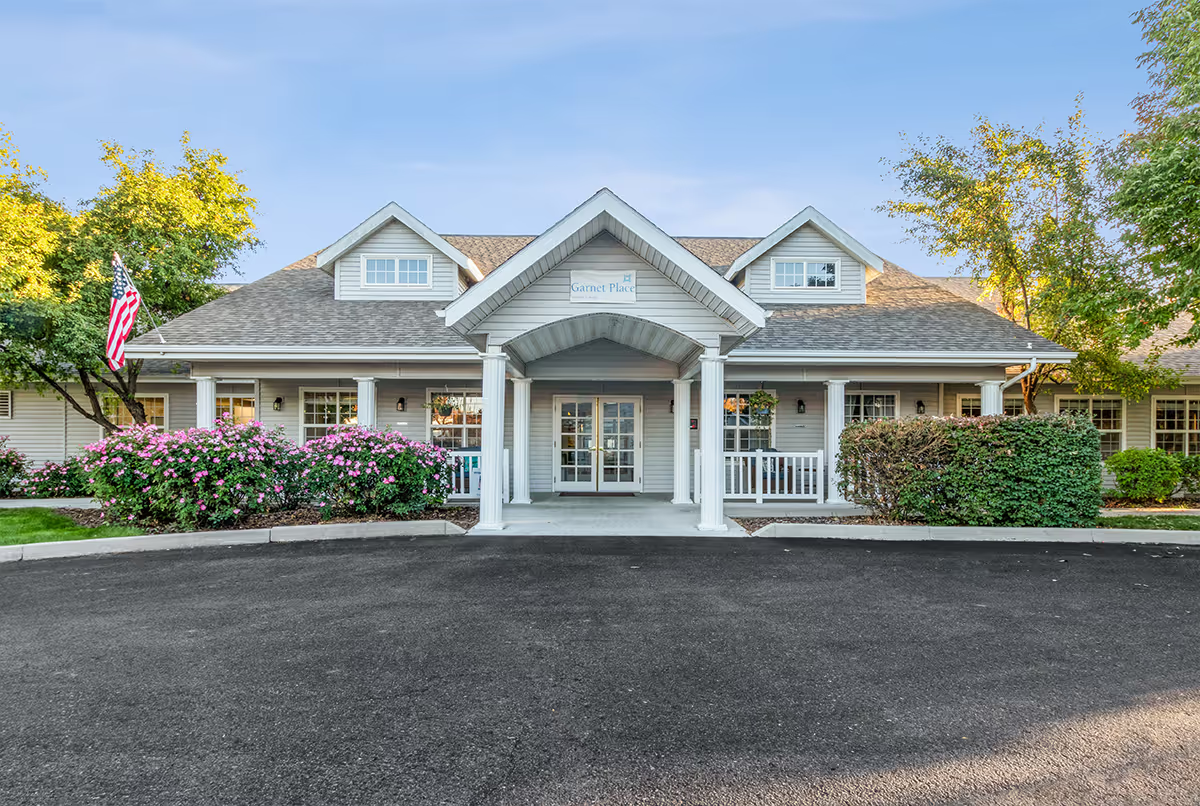
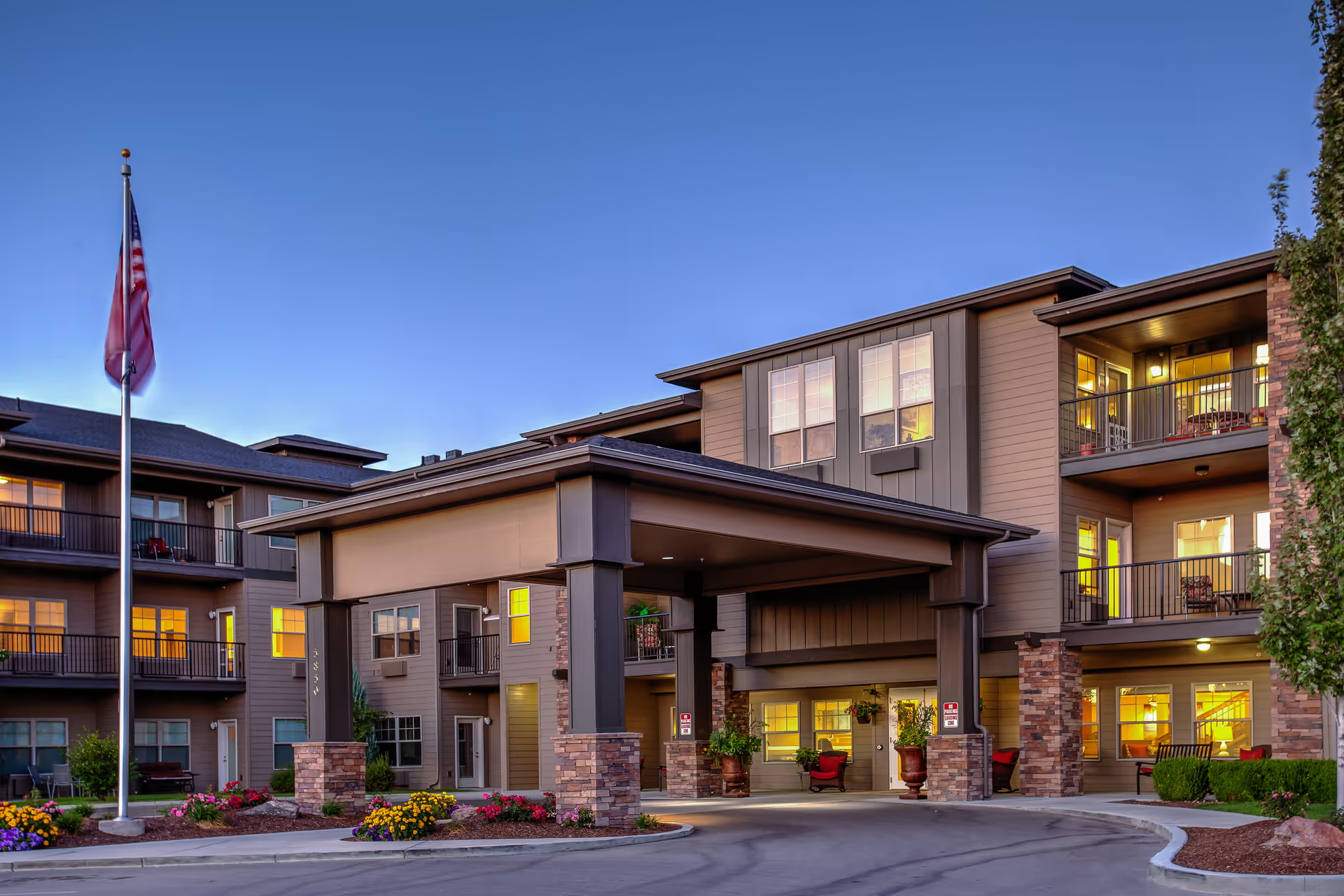
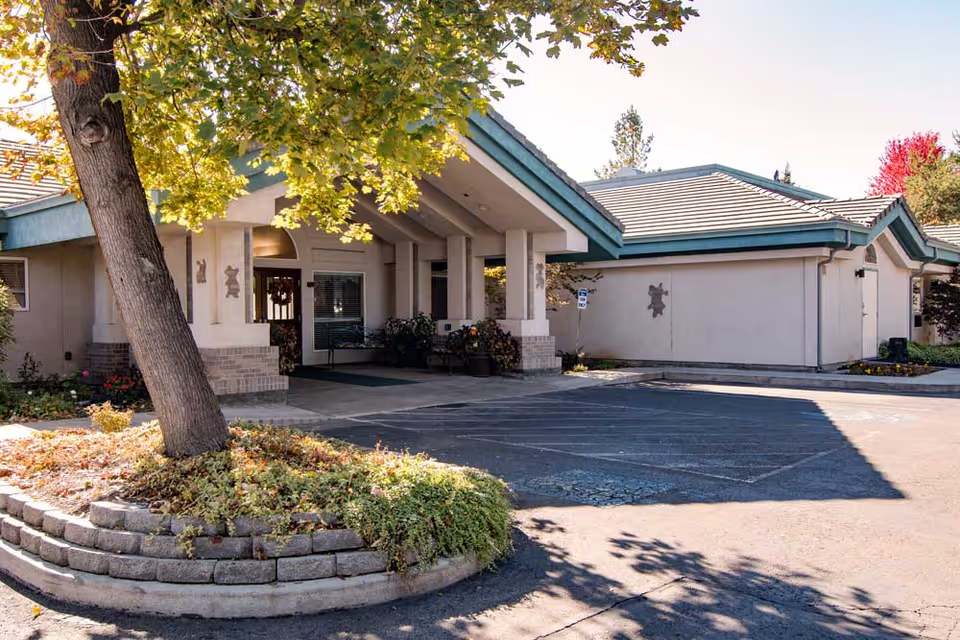
Facilities, environment, and logistics: Physically the property is described as welcoming, clean, and furnished in a higher-end, homey style. Memory-care renovations and an airy layout are positive features, yet reviewers also point to limited natural light in parts of the building and space constraints for double-occupancy situations. Coordination with external services such as the VA has been identified as an area for smoother administrative handling. Several families raised concerns about pricing transparency and perceived value — for example, room-pricing discrepancies in double rooms — so prospective residents should request full written cost breakdowns.
Management and notable patterns: Leadership is often cited as a strength when managers are present and hands-on; communication, timely photo/phone updates, and individualized responsiveness are repeatedly praised. At the same time, inconsistent follow-through, communication lapses at shift change, and documented regulatory findings in at least one account point to operational vulnerabilities. The overall pattern is polarized: many families express strong satisfaction and recommend the community, while others experienced significant service shortfalls tied to staffing, communication, and compliance issues.
Recommendation for families touring: The facility offers many of the qualities families seek for a small, personalized assisted- or memory-care setting, particularly when staff and management are stable. Given the variability noted across reviews, visitors should ask about current staffing ratios and turnover, medication-management protocols, recent regulatory history, sample activity schedules, meal-planning approaches, and a detailed fee schedule before deciding. Direct observation of a mealtime, an activity, and current resident–staff interactions during a tour may help assess whether the community’s operational practices align with a prospective resident’s needs.