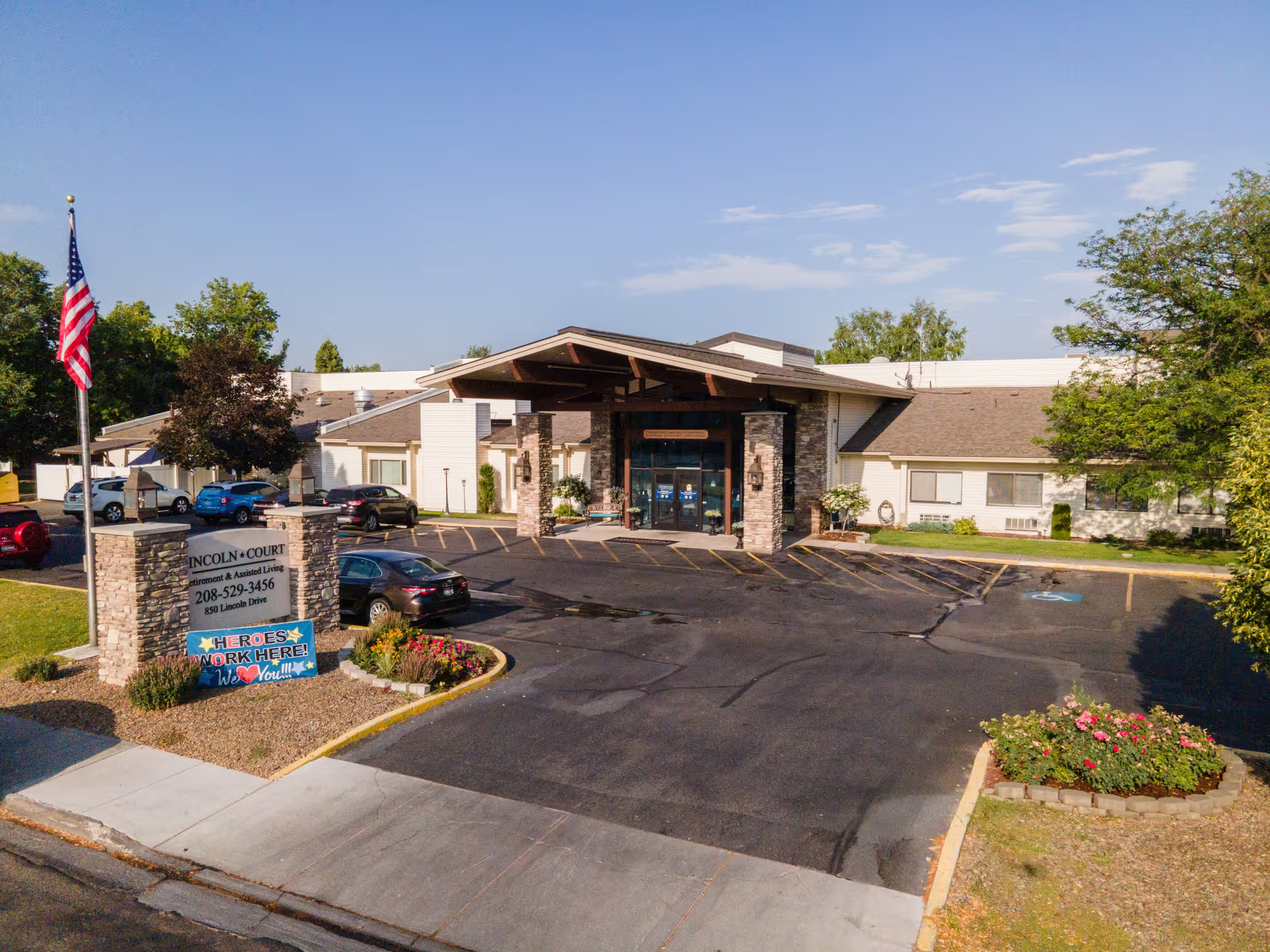
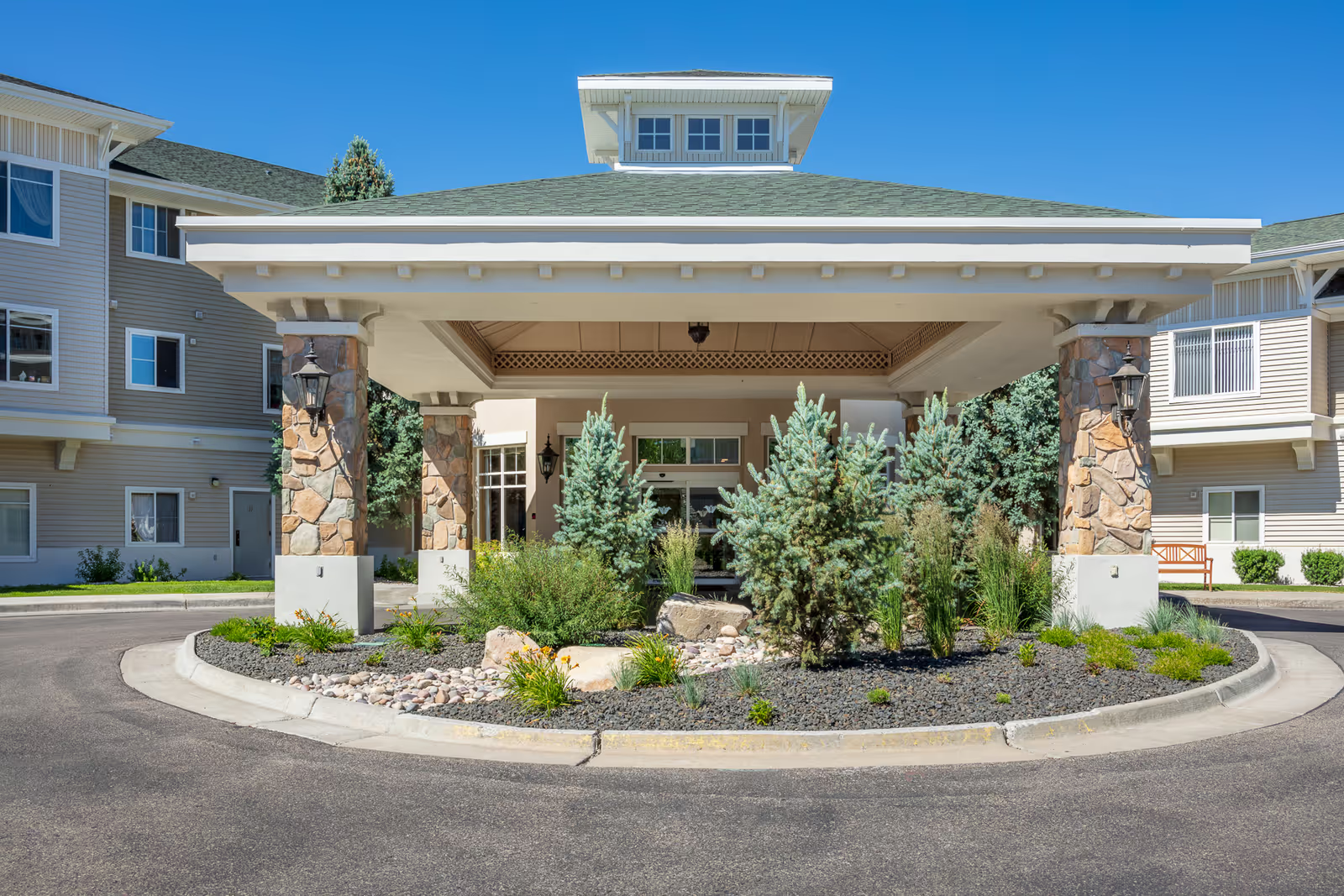
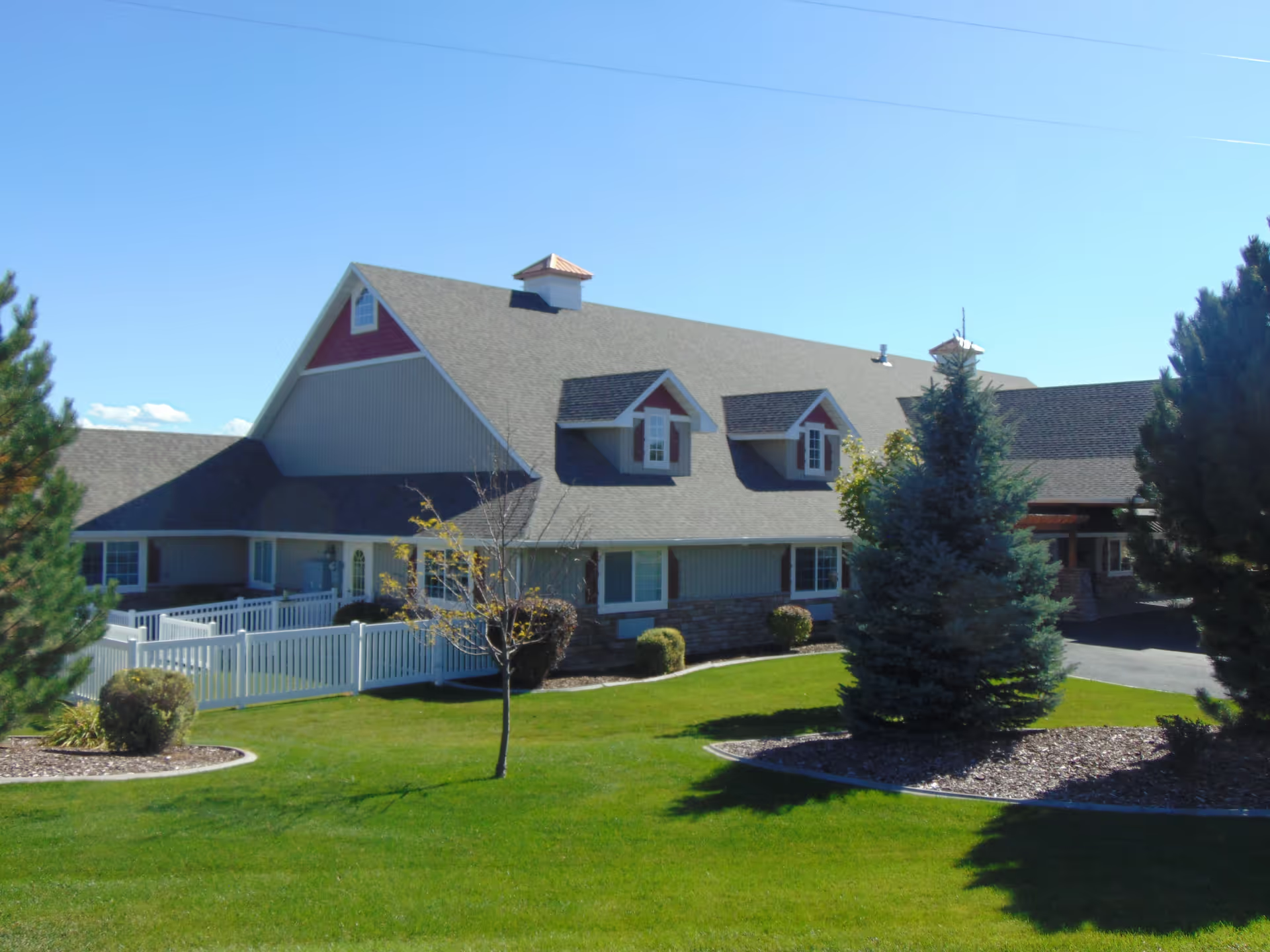
Overall impression: Reviews describe a facility with many strengths around direct care and resident life but also recurring operational weaknesses that families should evaluate closely. Praise centers on warm, family-like caregiving, attentive one-on-one support, wide activity offerings, and a clean, home-like physical environment. Those elements are repeatedly framed as providing residents with comfort, social engagement, and peace of mind.
Care and staff: Many families highlight compassionate, attentive caregivers and strong coordination with hospice and clinical staff. Reviewers emphasize personalized relationships, staff who know residents by name, and a small-community size that enables more individualized attention. At the same time, there are consistent concerns about high turnover, staffing shortages, and limited training for some aides. These personnel patterns may lead to variability in skill levels and in how consistently care protocols are followed; prospective families should ask about staff retention, training programs, and typical staff-to-resident ratios.
Dining: Dining impressions are mixed. Several reviewers describe plentiful portions, varied menus, and generally good meals, while others report uneven meal preparation and quality control issues in the kitchen. That inconsistency suggests meal service can be a strength but may depend on staffing or management oversight on a given day. Visitors should taste meals during a tour and inquire about kitchen supervision, dietary accommodations, and meal-quality monitoring.
Activities and social life: Activity programming is a clear strength. Multiple accounts cite a diverse calendar of events, regular seasonal outings and special events (for example summer gatherings), and staff who are engaged in delivering meaningful programming. The small size and community feel appear to support strong participation and frequent one-on-one engagement in activities.
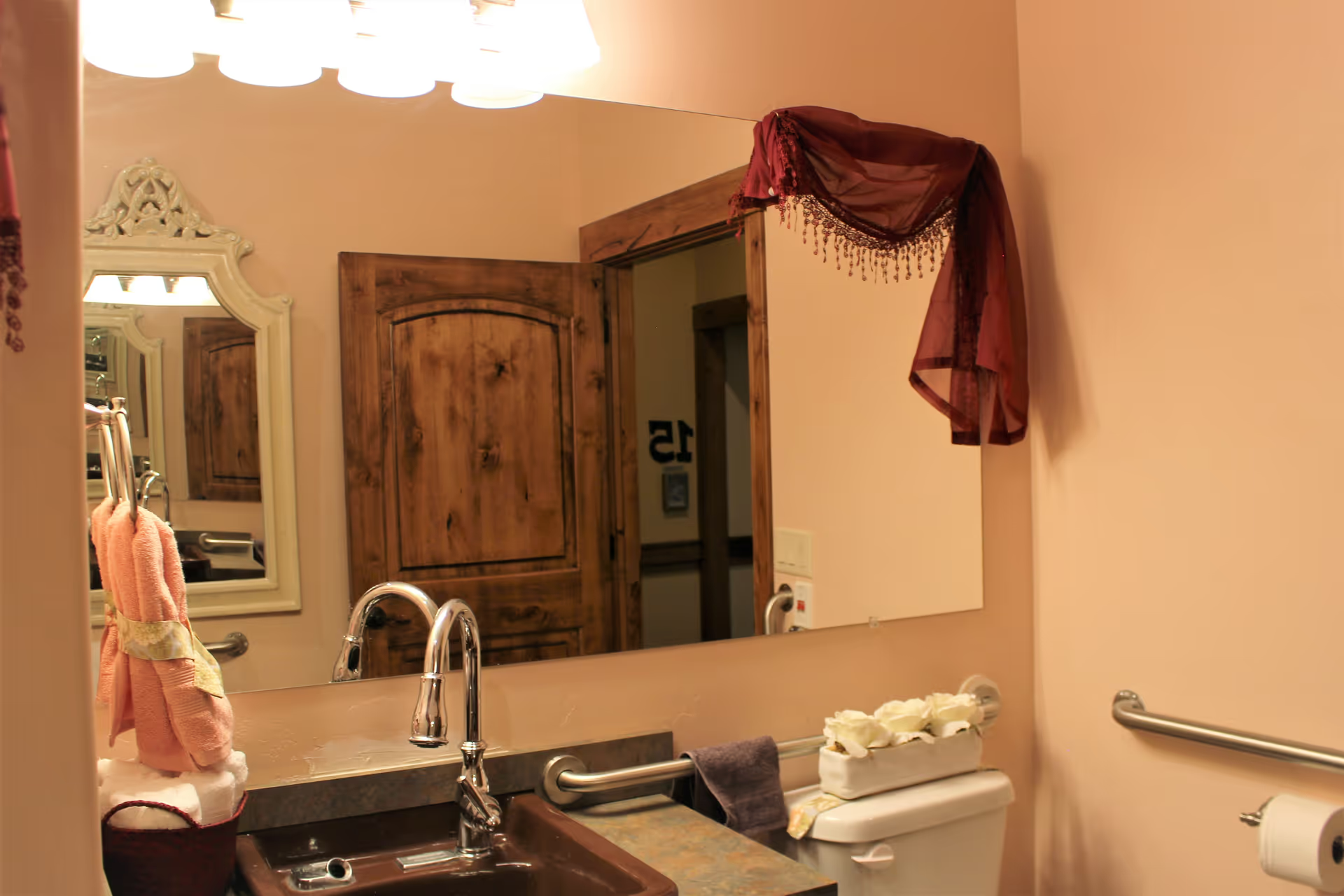
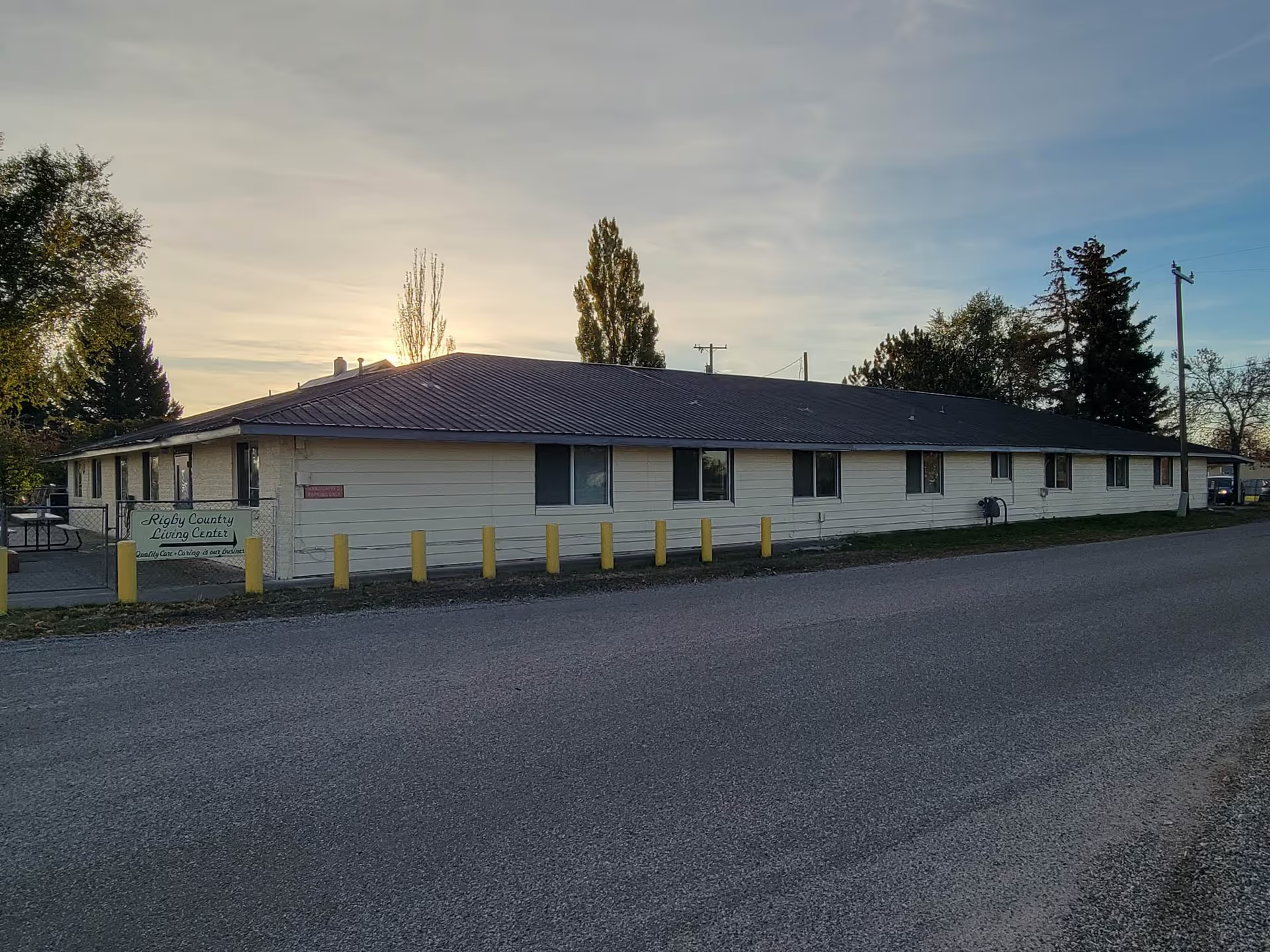
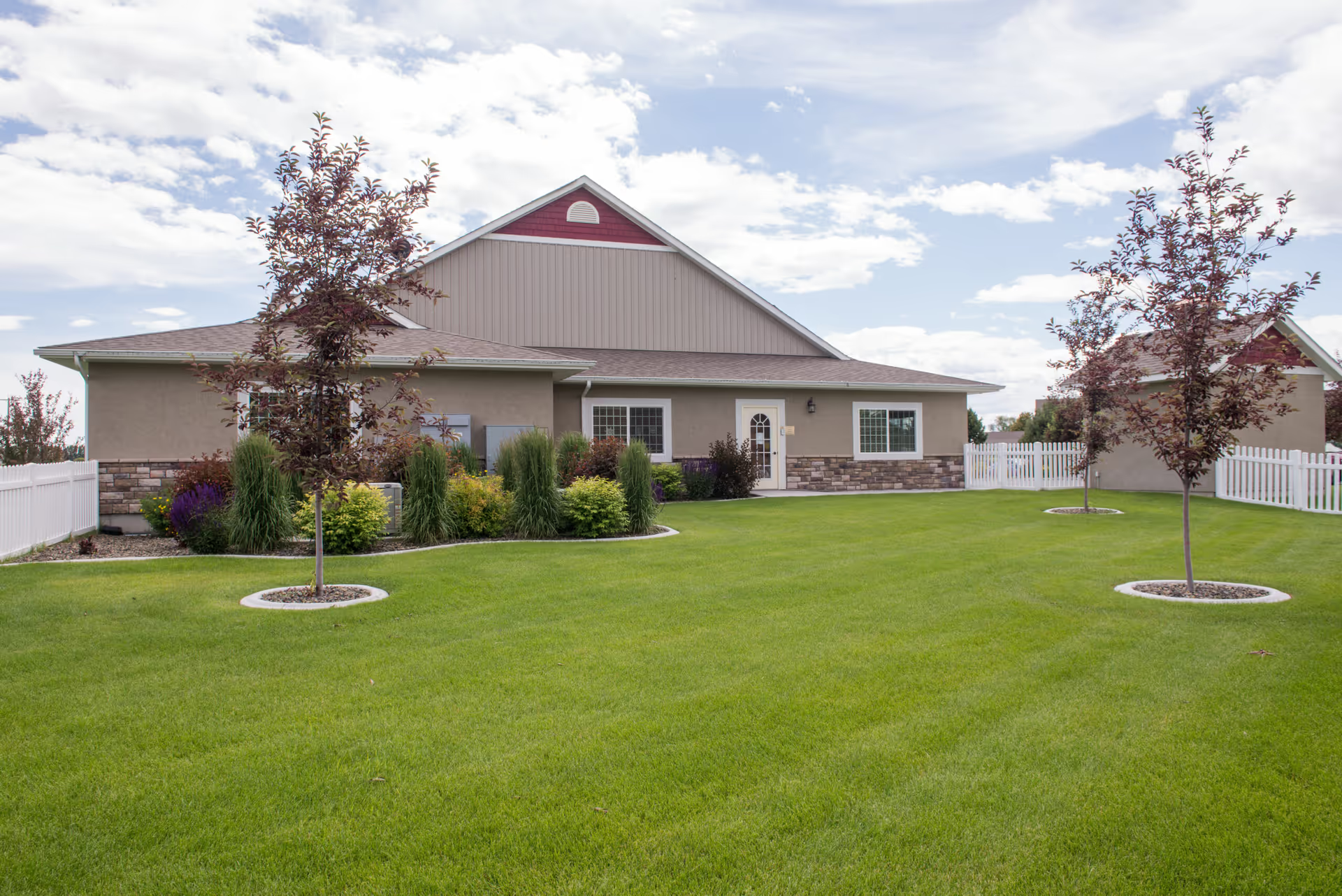
Facilities and cleanliness: Many reviewers describe a clean, well-maintained, home-like environment with private apartment options and the ability to personalize living space. That said, some reports raise pest-control and related sanitation concerns in certain resident areas and suggest that some maintenance or deep-cleaning needs have emerged intermittently. Prospective visitors should inspect resident rooms and common areas and ask about routine housekeeping, pest-control contracts, and inspection logs.
Management and operations: Management feedback is mixed. Several families praise responsive, accessible directors who communicate well and accommodate requests. Conversely, others describe frequent administrative turnover, policy changes perceived as financially driven, and instances of abrupt admission/discharge decisions. There are also notes about uneven managerial involvement on the floor and inconsistent communication. These items point to operational instability that can affect continuity of care and family confidence. Ask for written policies on admissions/discharges, subsidy handling, staffing contingency plans, and recent leadership changes.
Notable patterns and recommendation: The dominant pattern is one of strong day-to-day caregiving and an active, pleasant living environment tempered by operational risks tied to staffing, training, management stability, and facility maintenance oversight. Families who prioritize compassionate staff, engaging activities, and a small residential atmosphere may find this facility a very good fit. Those who are particularly concerned about consistent clinical skills, kitchen quality control, pest-control measures, or stable administrative policies should perform targeted due diligence: schedule multiple visits, meet nursing and activity staff, review training and staffing metrics, sample meals, and request written policies on admissions, transfers, and subsidy changes before making a placement decision.