Reviews present a mixed but focused picture of care at Citadel of Bourbonnais. Many families praised the caregiving teams for compassion, warmth, and personalized attention: nurses, CNAs, aides, therapists and nutrition staff are frequently described as attentive and invested in residents' comfort. Several accounts highlight strong hospice and end-of-life support, including spiritual accompaniment and family-oriented comfort measures. Rehabilitation and therapy services are noted positively in multiple reviews, and specific clinical aspects such as wound care and diligent nursing are called out as strengths.
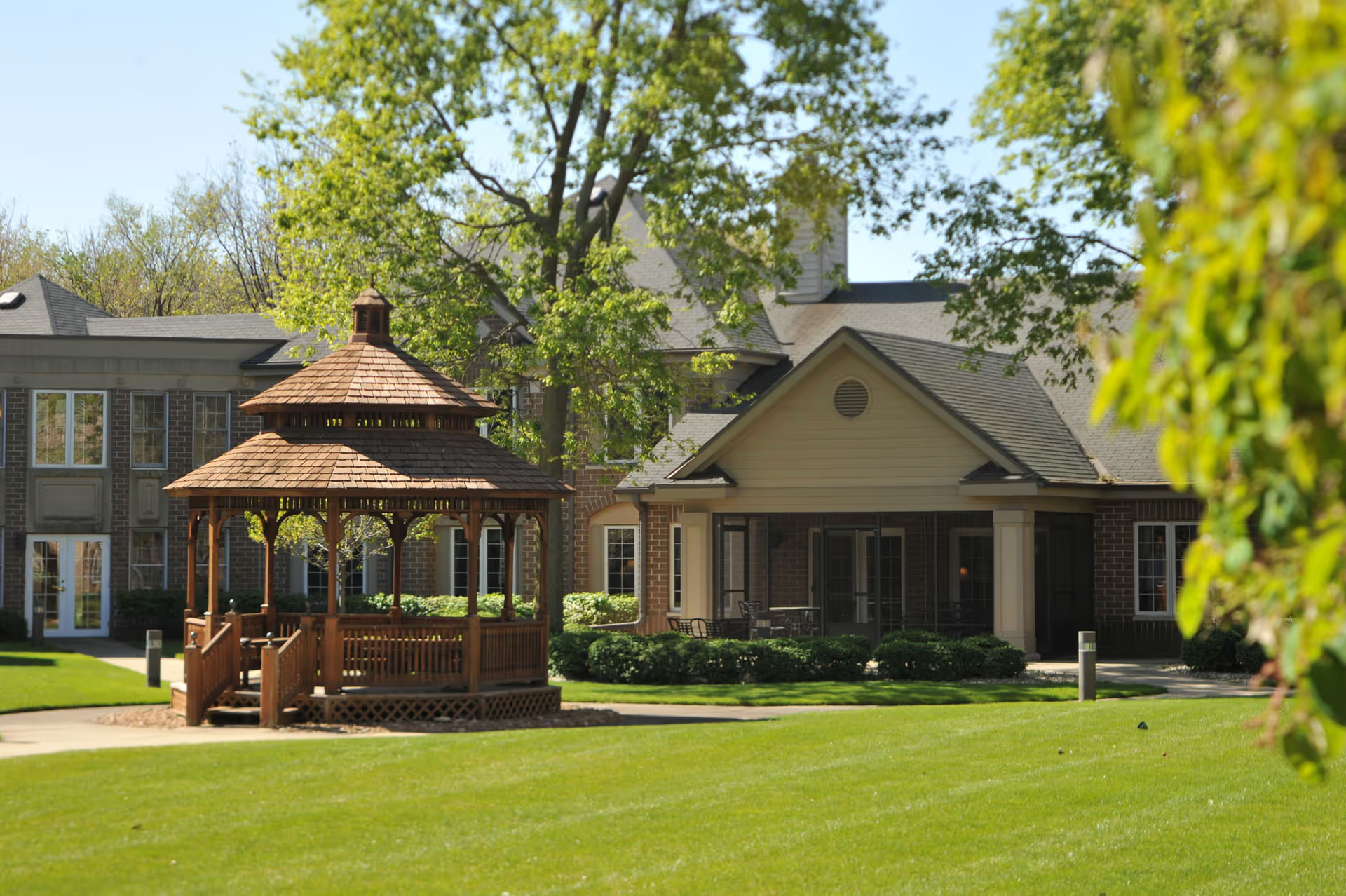
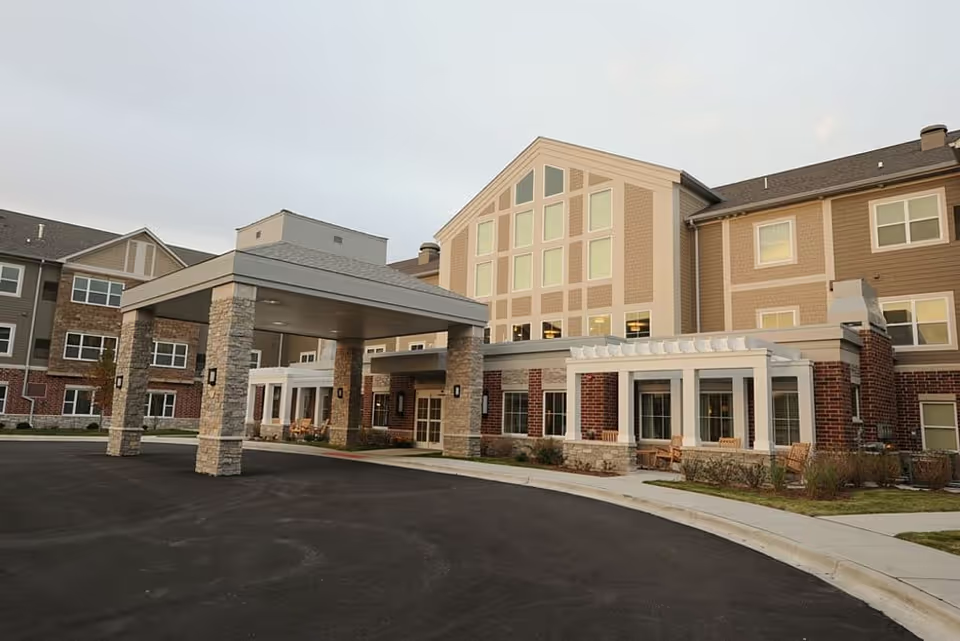
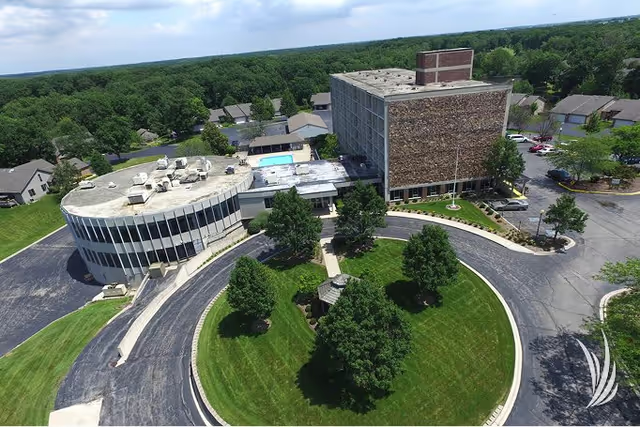
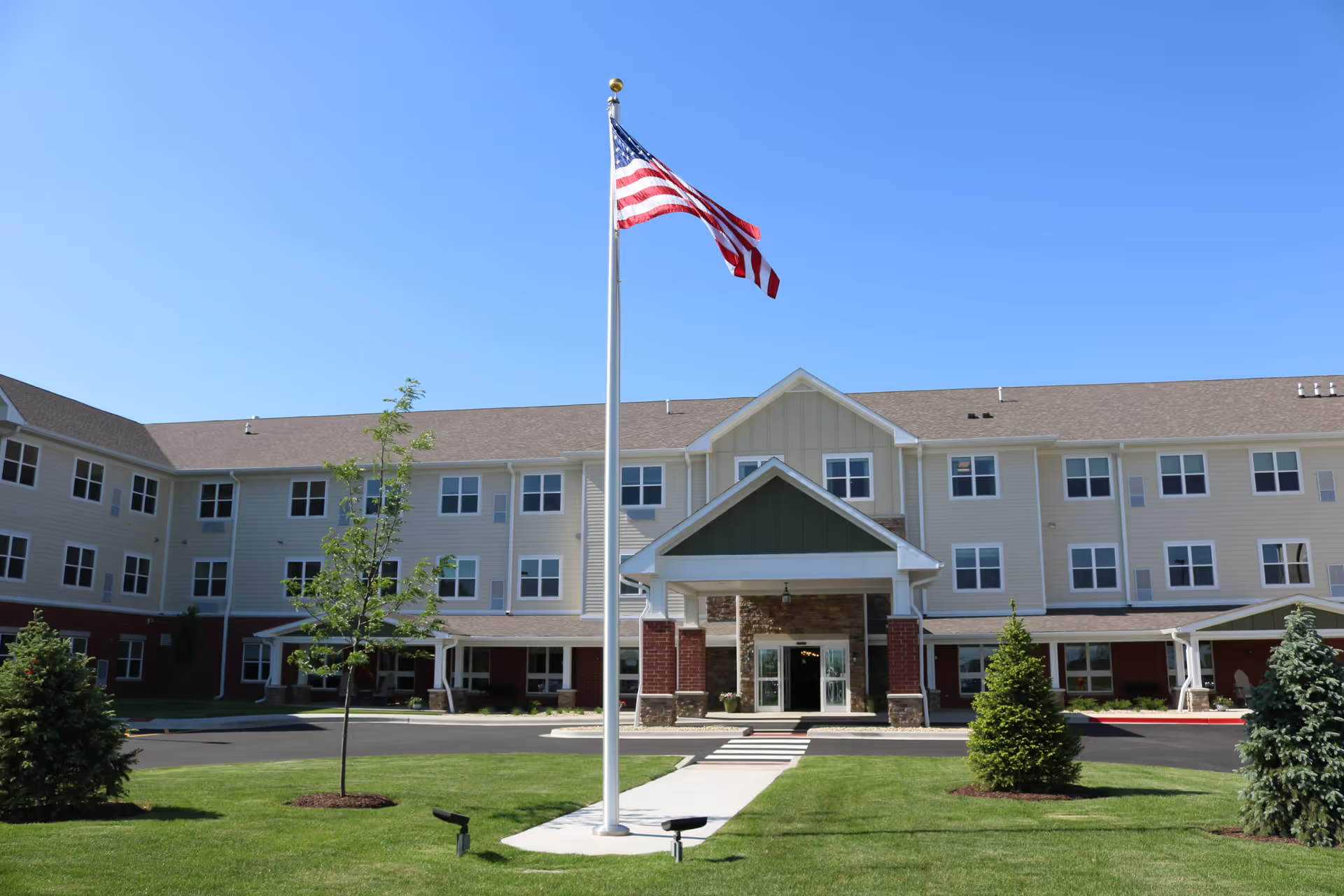
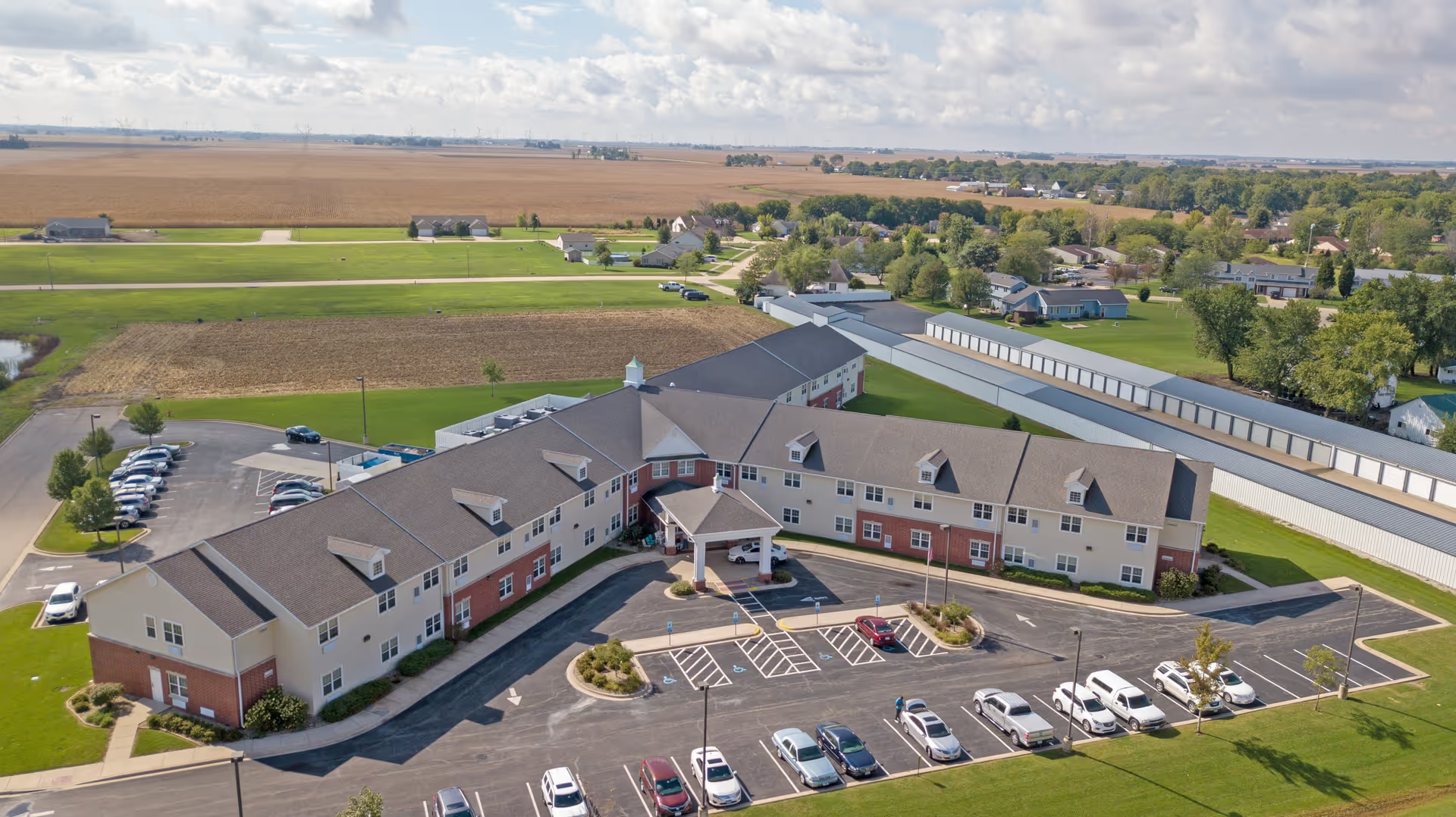
Facility environment and programming are also commonly cited as positives. The building and units are described as clean and well-maintained, with a home-like atmosphere. Activity programming, group outings, hair salon access and transportation are emphasized as meaningful quality-of-life features. Dining receives favorable mentions for variety and an ability to accommodate preferences and snacks. Proactive family outreach from certain administrative staff and a dedicated customer-service liaison contributed to peace of mind for many families.
However, a consistent theme in critical feedback is uneven operational performance. Communication and notification procedures are a recurrent concern: families cite delays or lack of notice regarding hospital transfers, unclear responses to medical information requests, and inconsistencies in how visitation or POA access is handled. These issues are tied to broader administrative clarity gaps, including processes for authorizations and documentation. Several reviews describe incidents that indicate inconsistent enforcement of visitation policies and variable access for authorized representatives.
Clinical-operations weaknesses appear in patterns as well. Reviewers describe variability in staff responsiveness to urgent clinical requests, delayed or inconsistent medication and IV administration, and gaps in controls over medications and personal items. Personal-care scheduling (for example bathing and hygiene assistance) and therapy availability are sometimes inconsistent from day to day. A few accounts referenced safety concerns that prompted formal complaints or external welfare checks; these suggest the need for clearer incident-response and de-escalation protocols.
In summary, Citadel of Bourbonnais shows notable strengths in compassionate caregiving, hospice support, rehabilitation services, facility upkeep, and activity programming. Those strengths are tempered by operational inconsistencies in family communication, visitation policies, medication and personal-item management, and occasional lapses in staff responsiveness and conduct. Prospective residents and families will likely find strong interpersonal care and programming there, but should ask specific questions about communication channels, visitation/access procedures, medication controls, and contingency protocols to assess fit and to mitigate the operational concerns described by some families.