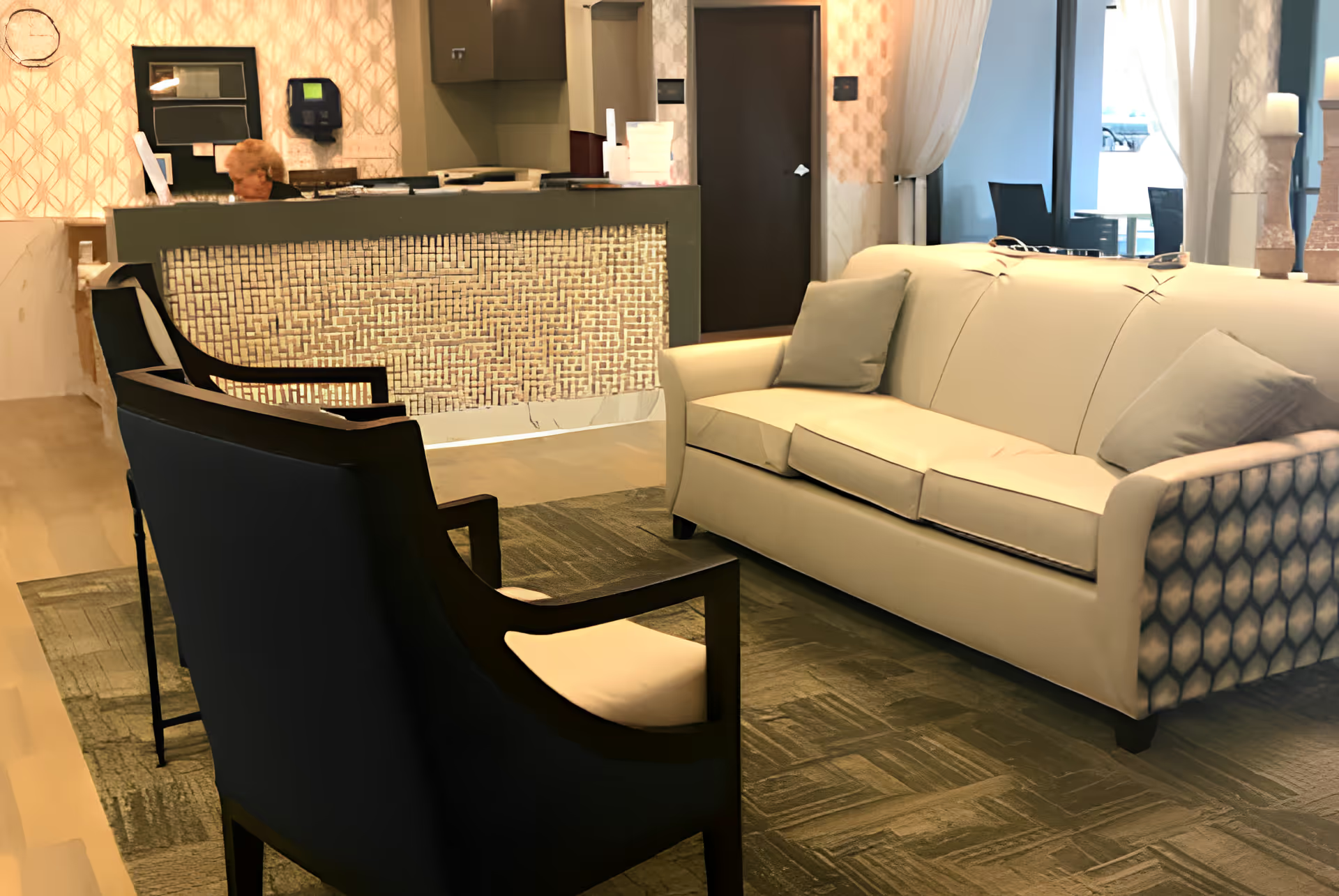
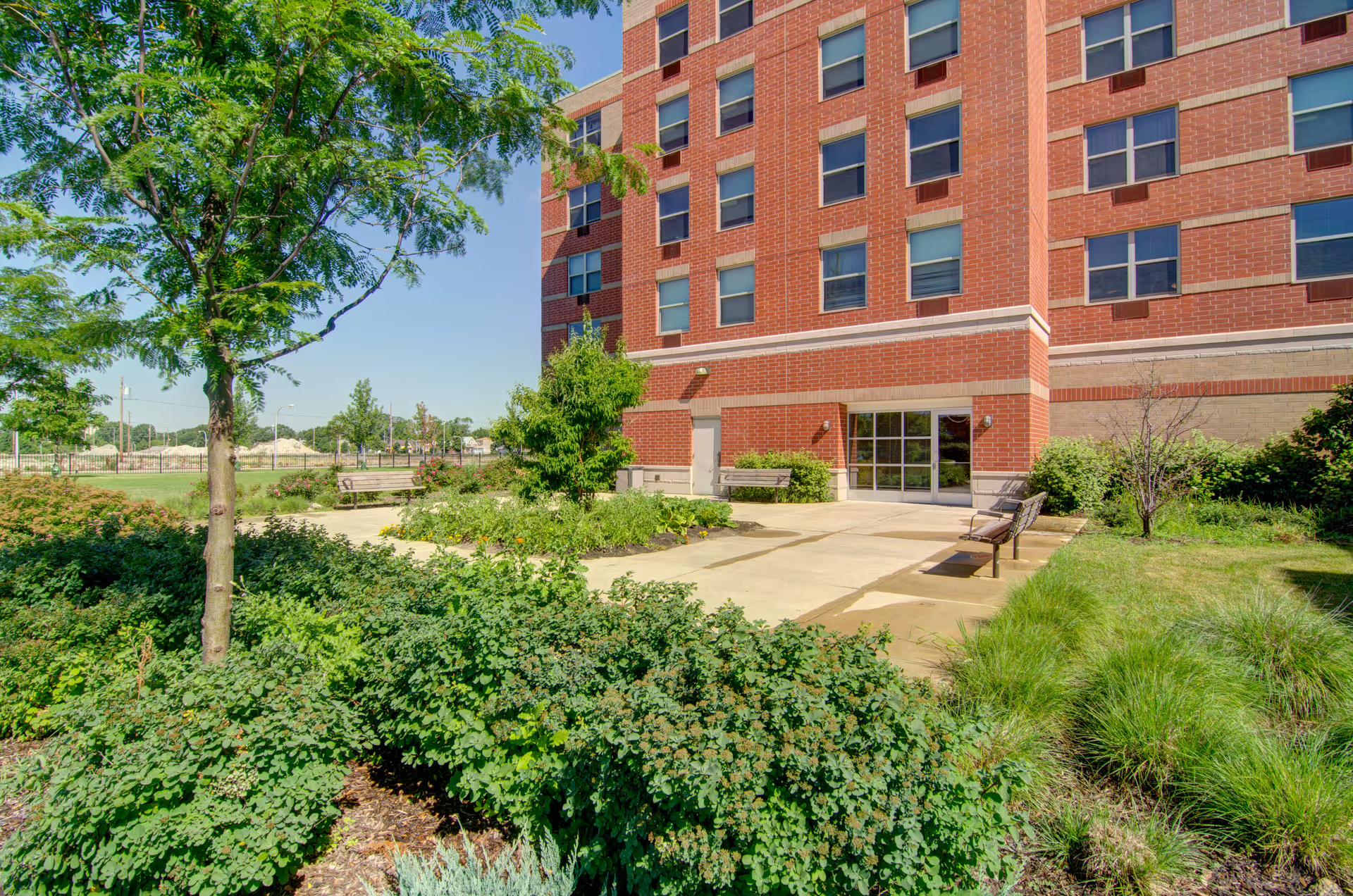
The reviews present a polarized picture of Burbank Rehabilitation Center: several families describe high-quality rehabilitation and clinical services, while others describe operational weaknesses that affected care continuity and resident safety. The facility’s strengths are concentrated in its therapy departments and certain clinical services. Physical therapy, respiratory therapy (including ventilator weaning and on-site respiratory support), and wound care receive frequent positive mention, and many families credited these services with measurable functional improvements and successful discharges. Amenities cited positively include an outdoor patio/gated yard, barber/beauty services, on-site laundry, in-room phones and televisions, and a generally home-like social environment in some units.
Staffing and day-to-day care appear inconsistent across shifts and units. Positive comments highlight compassionate CNAs and engaged nurses and case managers who provided individualized attention; however, a large number of accounts describe limited staffing levels—particularly evenings and weekends—long call-button response times, and delays in toileting and bathing assistance. These operational gaps manifest as inconsistent personal-care schedules and delayed medication administration in multiple accounts, which families identified as a key area of concern.
Communication and clinical oversight are recurring themes. Several families reported difficulty obtaining timely status updates, unclear discharge paperwork, billing inconsistencies, and variable follow-through from clinicians. There are reports of physicians and advanced practice providers being less available or responsive in certain cases, which reviewers linked to care-coordination failures and delayed diagnostic testing or treatment adjustments. A small number of serious allegations—including concerns about signature handling and financial practices—were raised and merit attention and, if substantiated, formal review.
Facility maintenance and dining show mixed impressions. Many visitors found resident rooms and bathrooms clean and odor-free, while others described sanitation concerns and maintenance issues in specific areas (for example, problematic mattresses, unsecured bed components, or loose wiring). Meal quality and kitchen operations were described as uneven; some review excerpts praise the dining environment and social activities, while others found food temperature and menu accuracy lacking.
Management and culture appear variable over time and by unit. Positive experiences frequently mention helpful admissions and case-management staff, individualized discharge planning, and a welcoming atmosphere. Conversely, other accounts describe inconsistent leadership responsiveness, perceived prioritization of administrative or billing tasks over bedside needs, and instances of poor staff conduct or communication etiquette. These mixed reports suggest that the facility offers solid clinical rehabilitation capabilities but faces operational and managerial challenges that can produce widely differing family experiences. Prospective residents and families should tour the unit(s) under consideration, ask about staffing levels during the intended care hours (including evenings/weekends), review medication- and discharge-handling procedures, and inquire about infection-control and maintenance protocols to confirm current practices.