Overall impression: The collected comments describe a facility with a mixture of clear interpersonal strengths and operational weaknesses. Many families and visitors emphasize warm, individualized interactions from frontline caregivers and activity staff, which appear to meaningfully improve resident experience for some households. At the same time, reviewers raise persistent concerns about the facility’s supervisory and clinical practices that suggest variability in day-to-day care quality.
Care quality: Care experiences are mixed. Positive reports emphasize individualized attention, emotional connection, and instances where families felt grateful for the decision to place a relative at the facility. Contrasting reports highlight inconsistent responsiveness and episodes of poor care management; together these indicate variability in how clinical and personal needs are met. The pattern suggests reliable person-centered support in some units or shifts, with gaps in consistency that affect continuity of care.
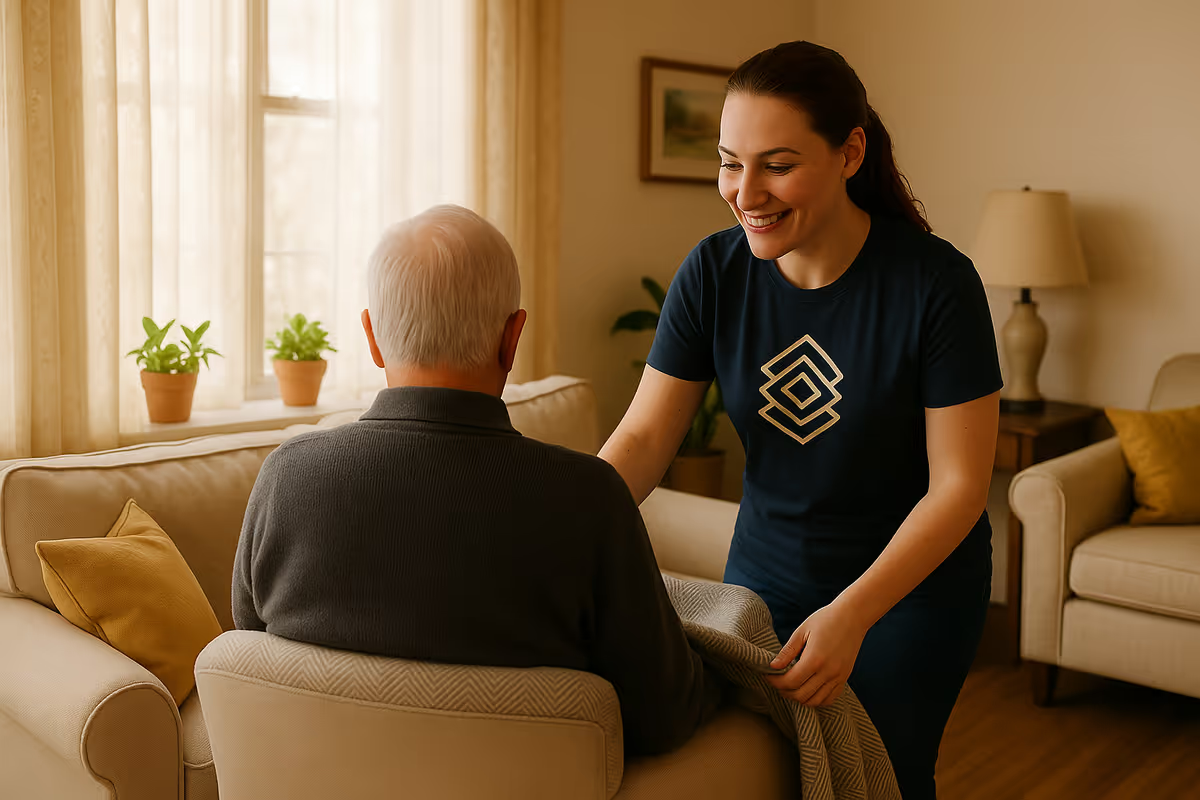
Staff: Frontline staff, including floor nurses and activity personnel, receive repeated praise for compassion, engagement, and individualized attention. Specific staff members were named positively for their contributions to resident well-being. However, there are also statements pointing to staff burnout, low morale, and punitive supervisory practices (for example, disciplinary approaches toward lower-level staff). These management-staff tensions appear to influence both morale and the consistency of service delivery.
Dining: Review summaries do not provide detailed or consistent information about dining quality or meal service. No clear consensus is present; prospective families should request menus, meal observations, and dietary-management policies during a tour to form an independent assessment.
Activities: The activity program and the activity director are noted as strengths. Descriptions indicate engaging programming and staff who actively work to personalize activities to resident interests, contributing to positive family impressions and resident engagement.
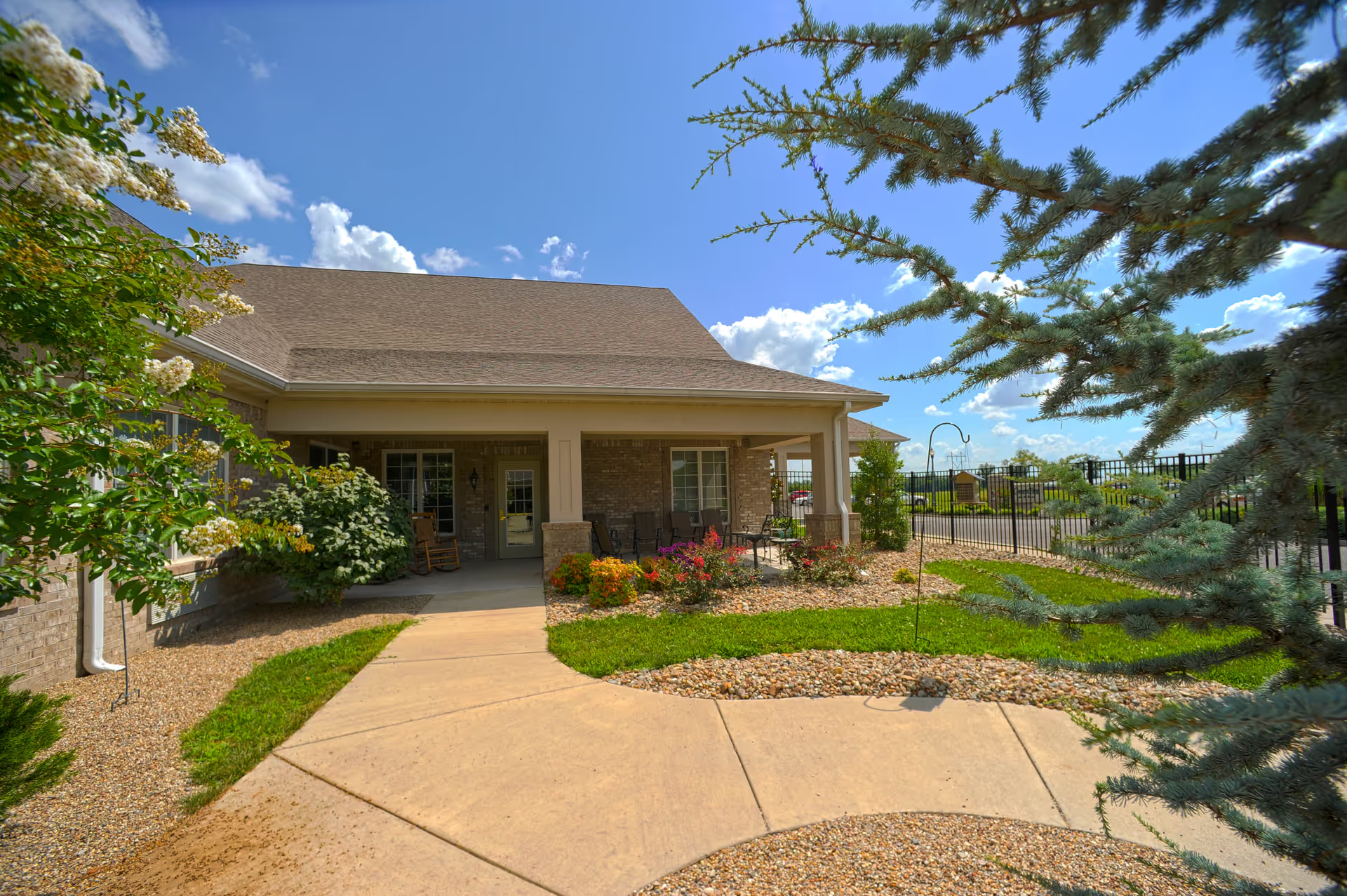
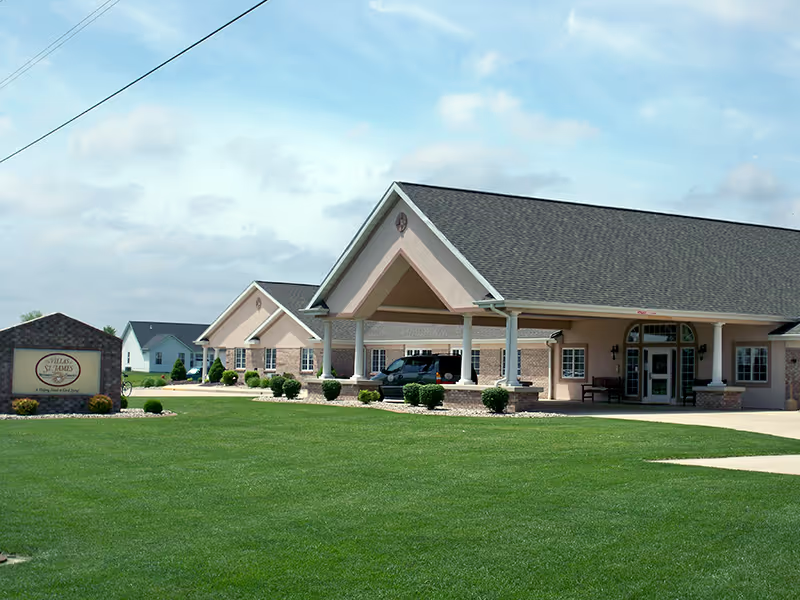
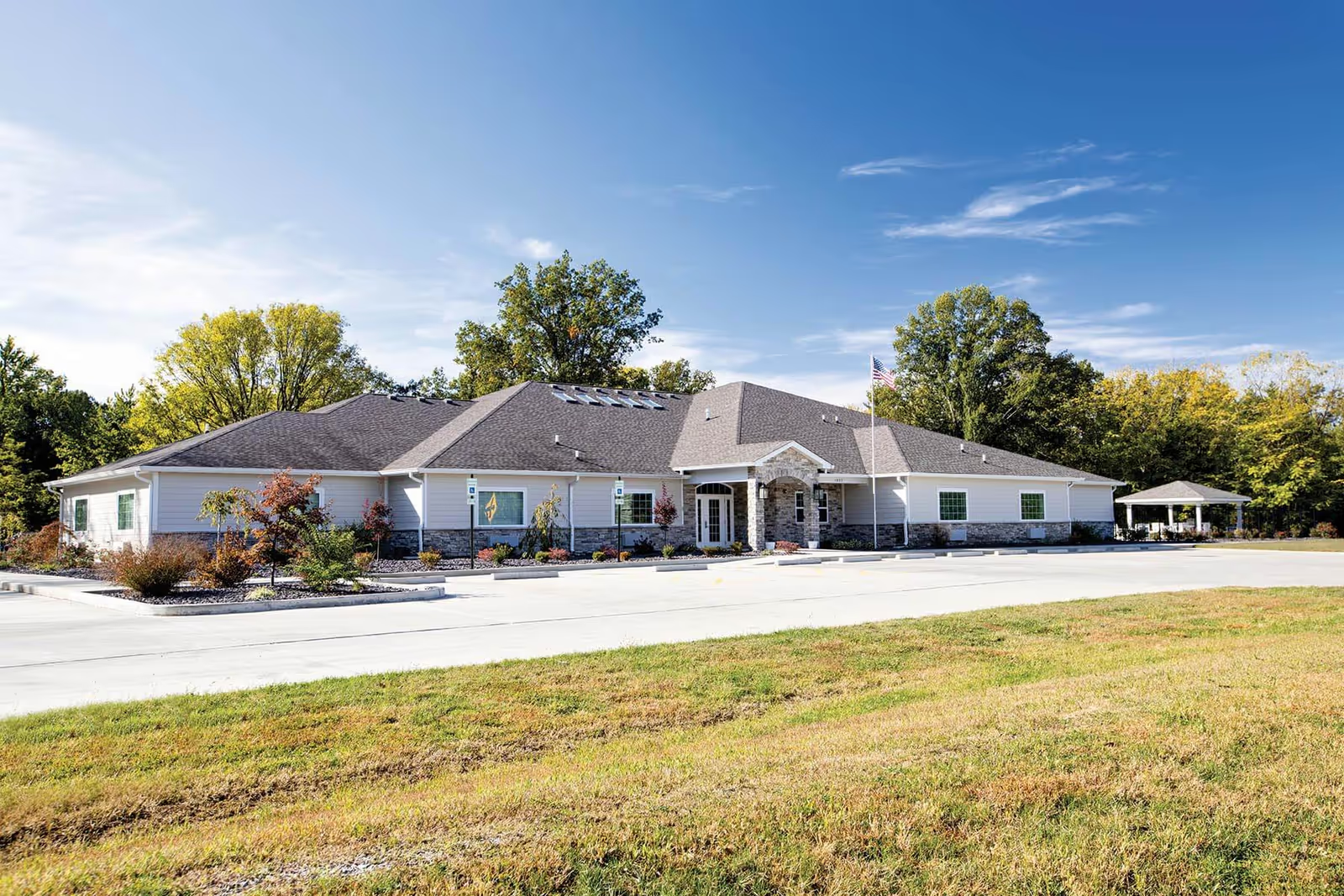
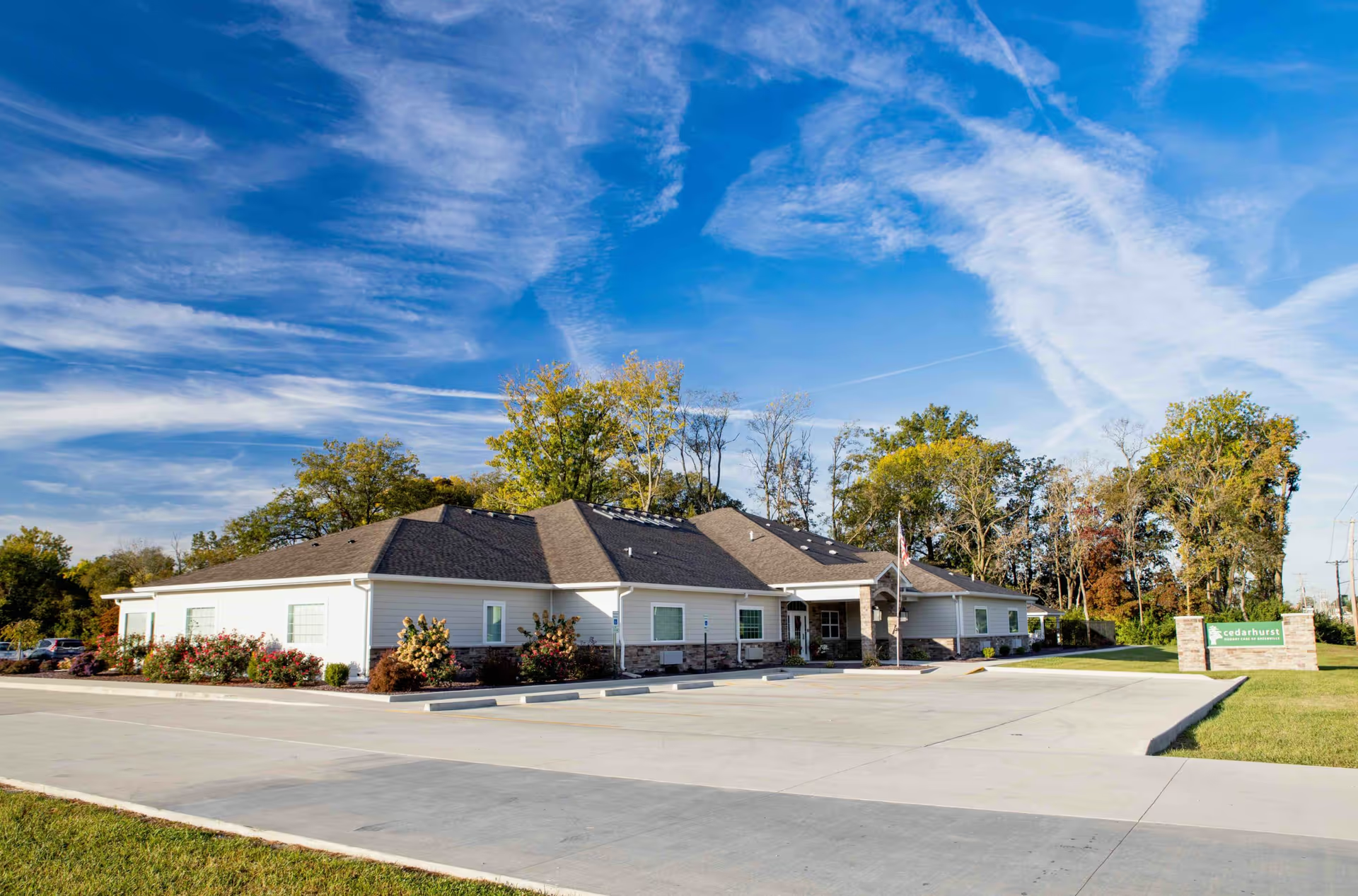
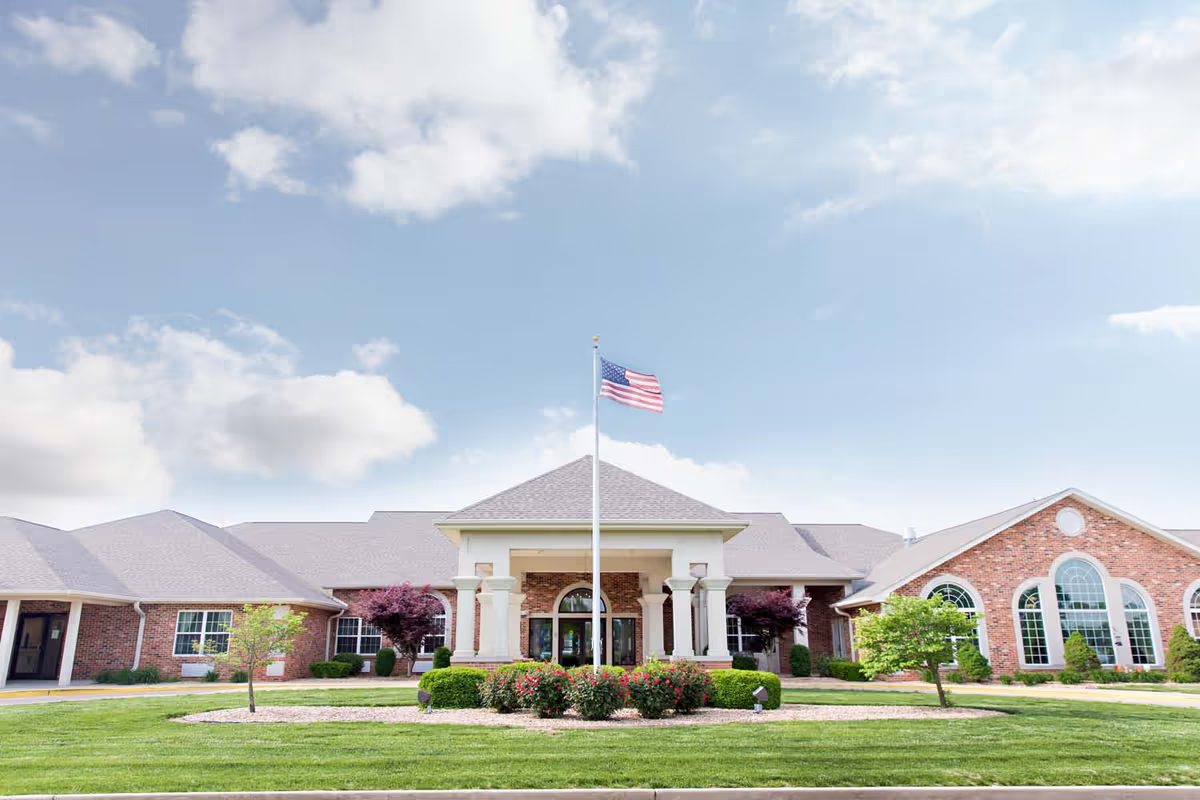
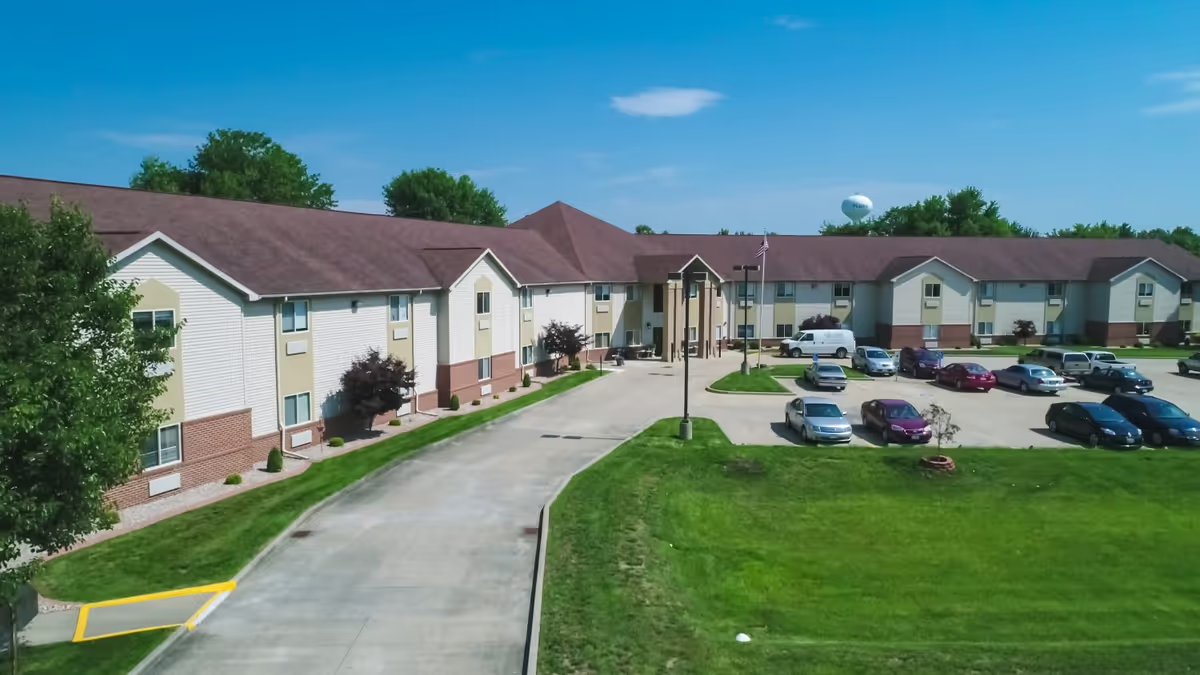
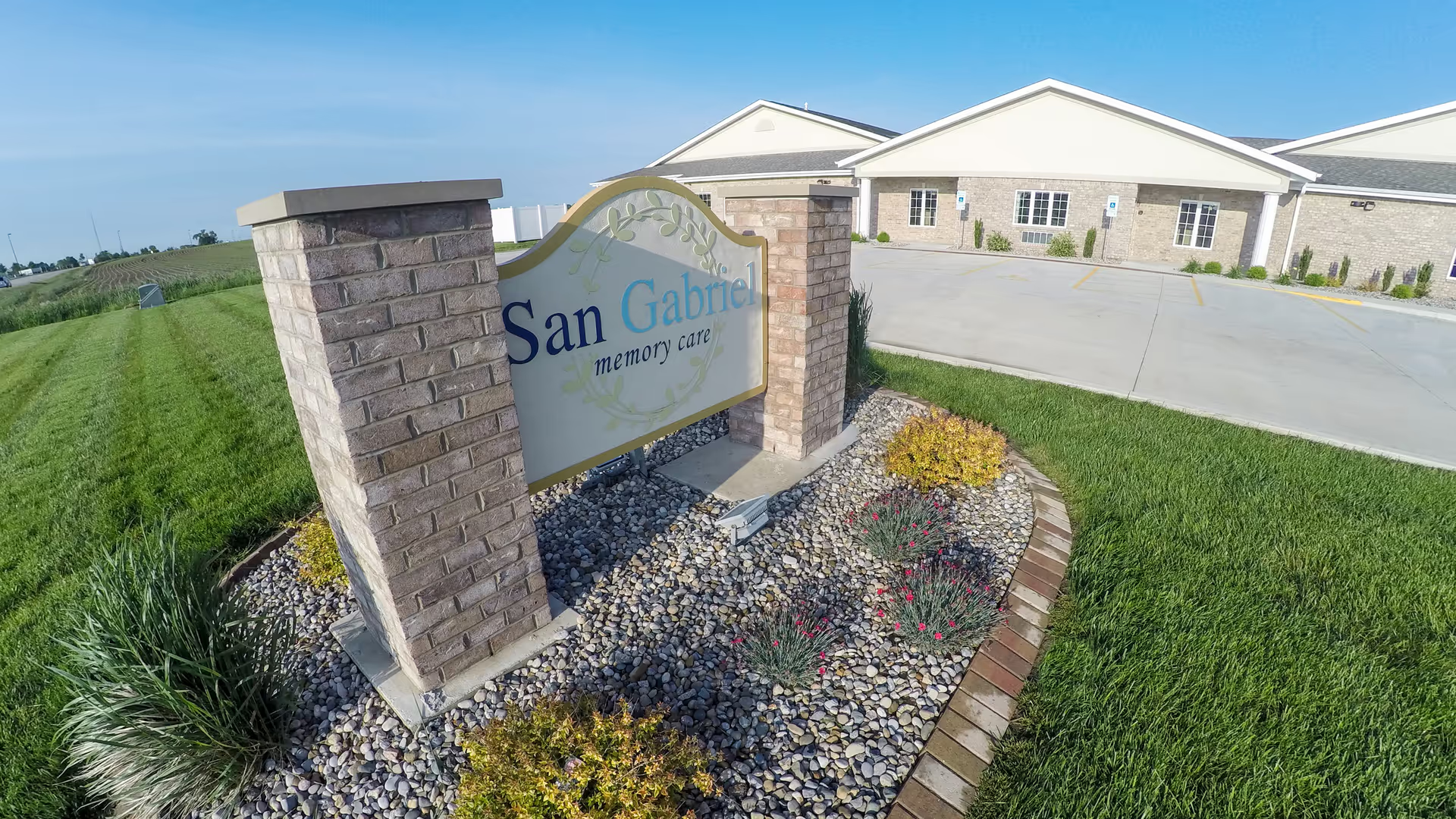
Facilities and environment: A minority of comments reference an unsettling atmosphere or unusual external disturbances; these were described in subjective terms and include perceptions of paranormal activity. While such reports are not clinical in nature, they reflect perceptions of the environment that could affect family comfort. There is no detailed information about cleanliness, safety systems, or physical maintenance in the summaries provided, so an on-site inspection is advisable to evaluate these areas.
Management and clinical oversight: There is a clear pattern of mixed feedback regarding administration. Some families describe supportive interactions with administrative staff, while others cite punitive supervisory behaviors and complacency among clinical leadership (QMRPs), along with indications of outdated practices. The combination of supervisory strain and perceived gaps in clinical oversight suggests opportunities for strengthening leadership, staff-support mechanisms, and updating clinical protocols.
Notable patterns and guidance for families: Strengths center on caring frontline caregivers, personalized attention, and an active activity program. Risks center on inconsistent care quality driven by staffing morale, supervisory approach, and gaps in clinical oversight. Prospective residents and families should consider a focused tour that includes: meeting frontline caregiving staff and the activity director, reviewing staff turnover and training policies, asking about clinical oversight and care-plan updates, observing meal service, and assessing the building atmosphere at different times of day. These steps will help verify which of the mixed patterns reported apply to specific units or shifts within the facility.