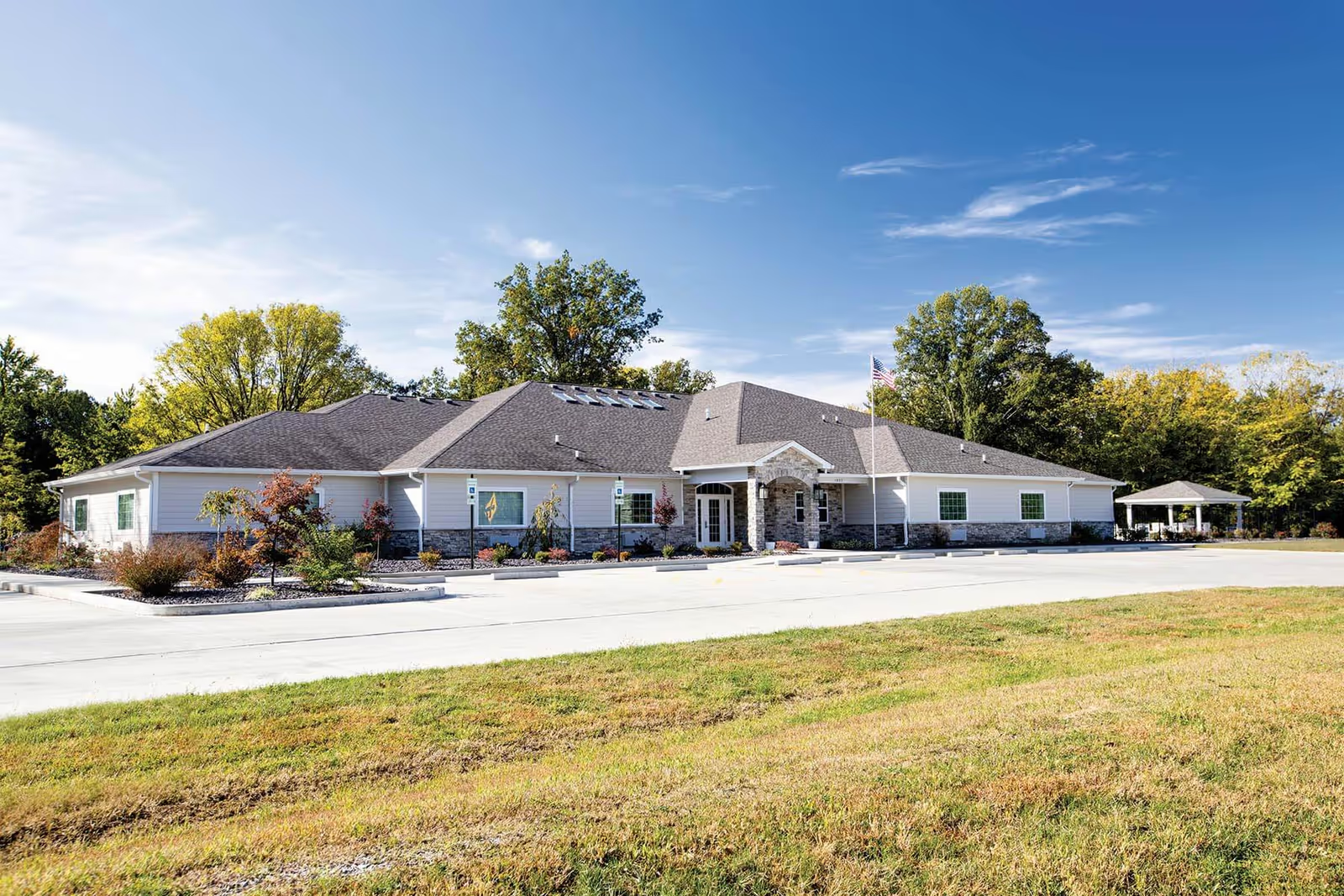
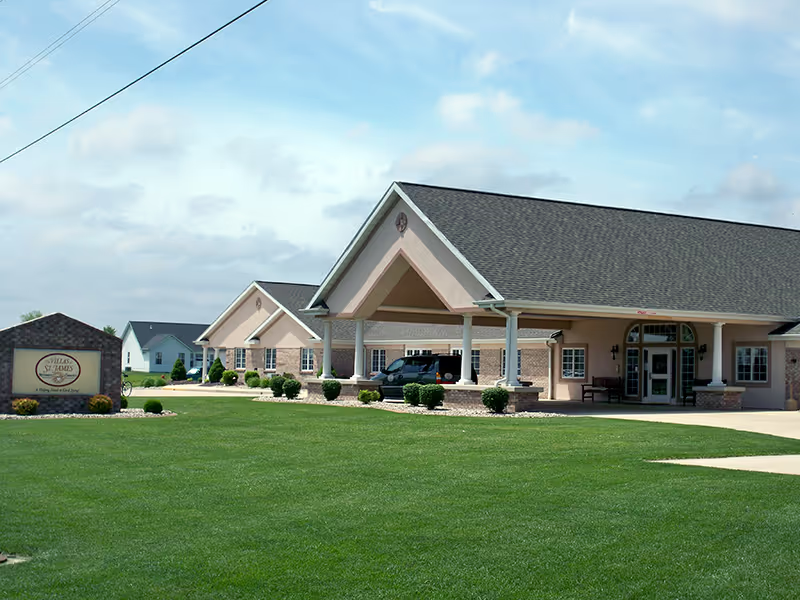
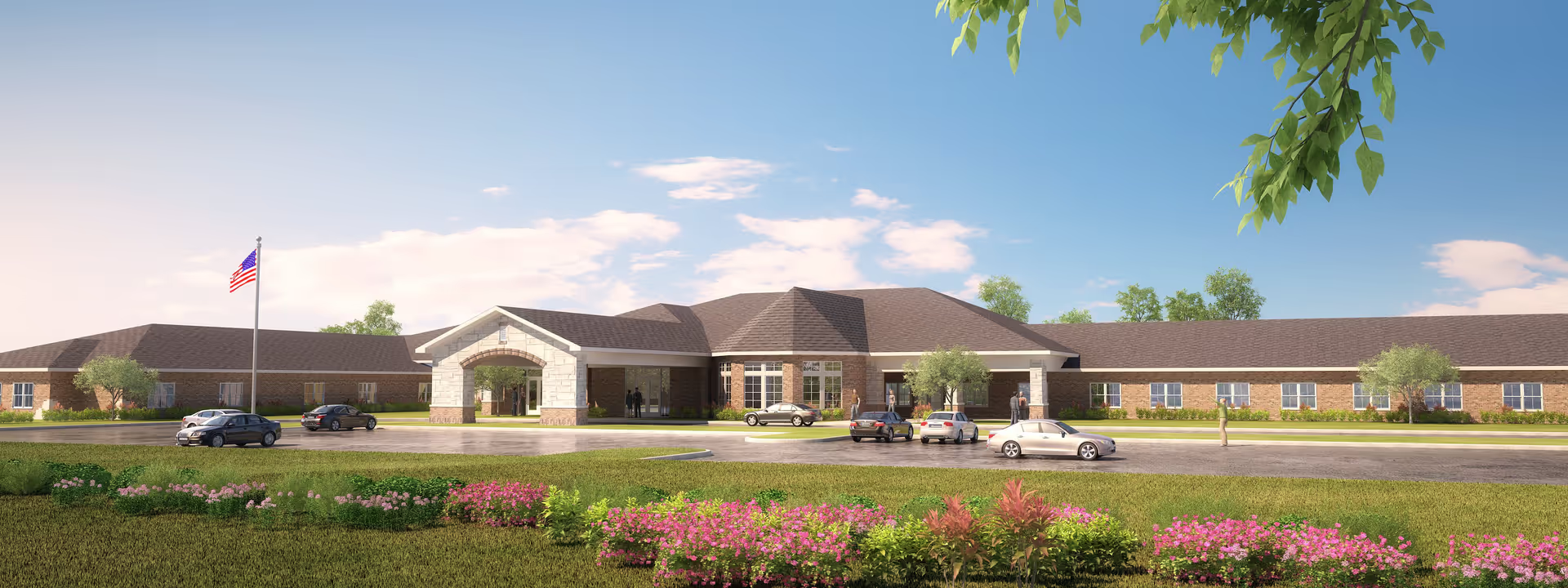
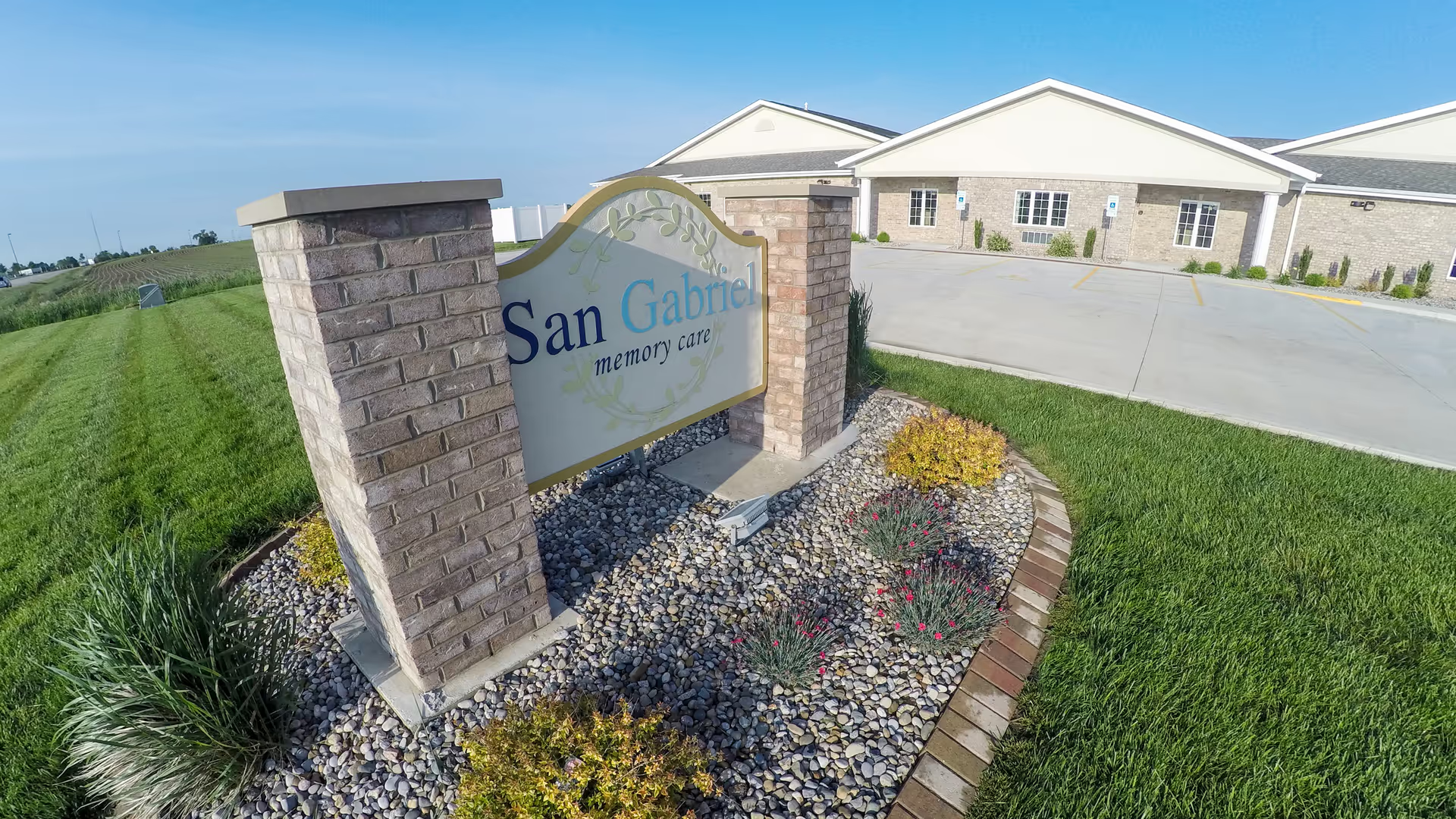
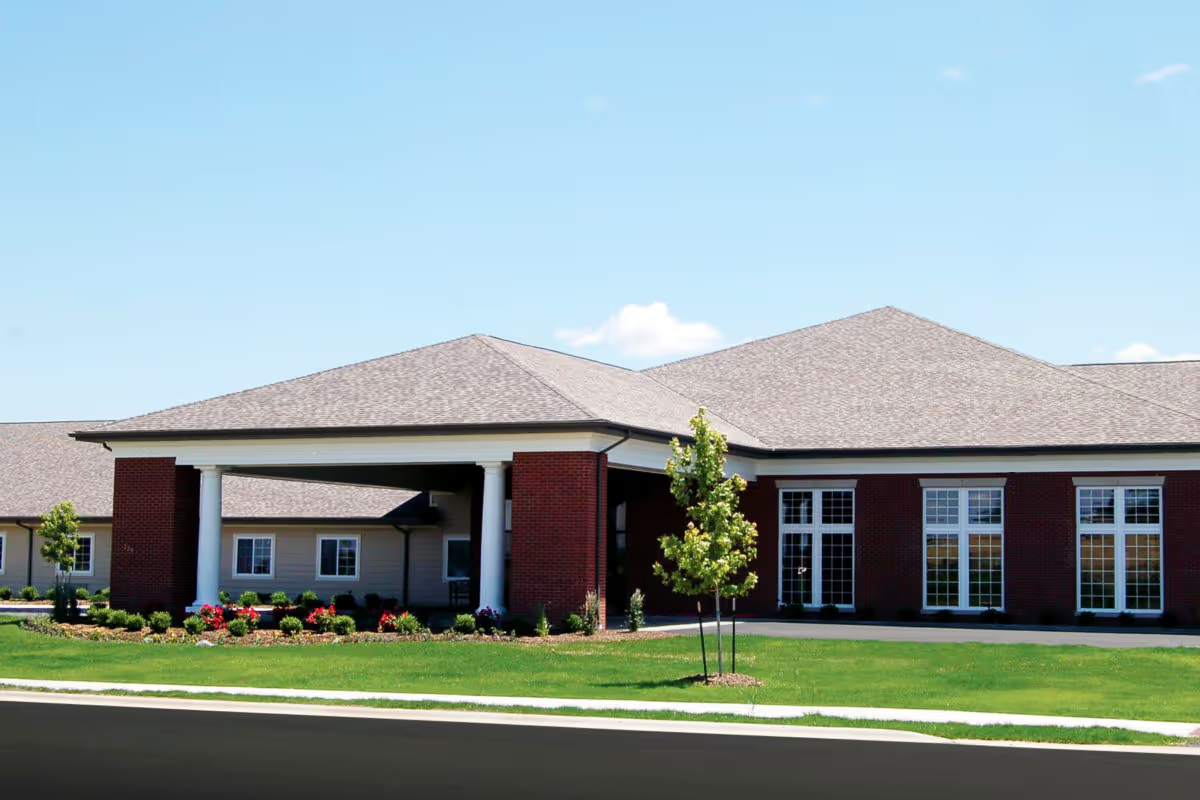
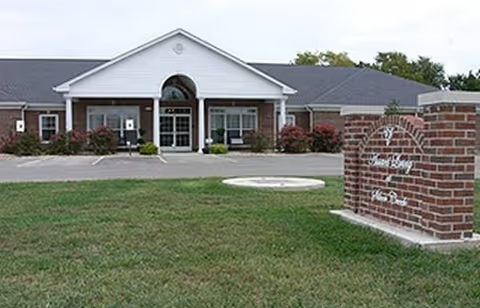
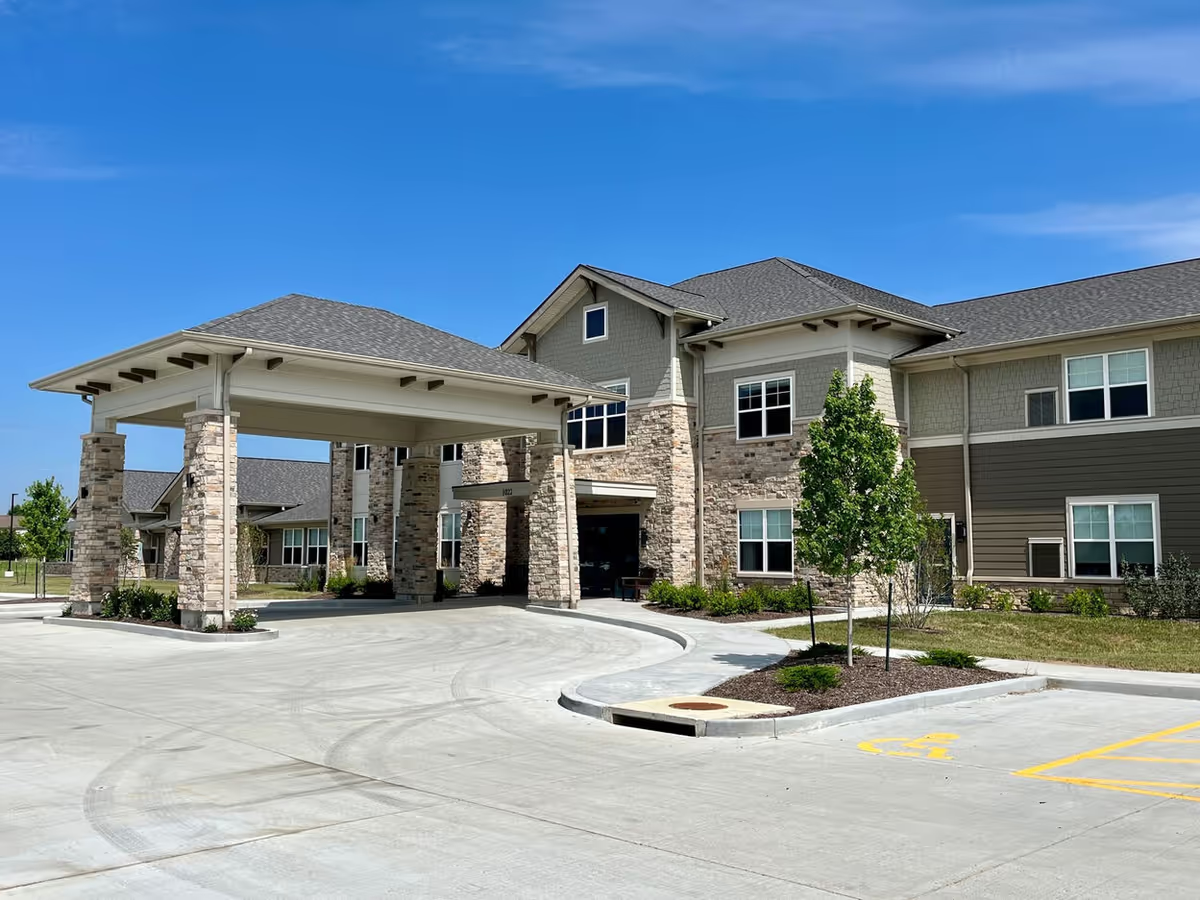
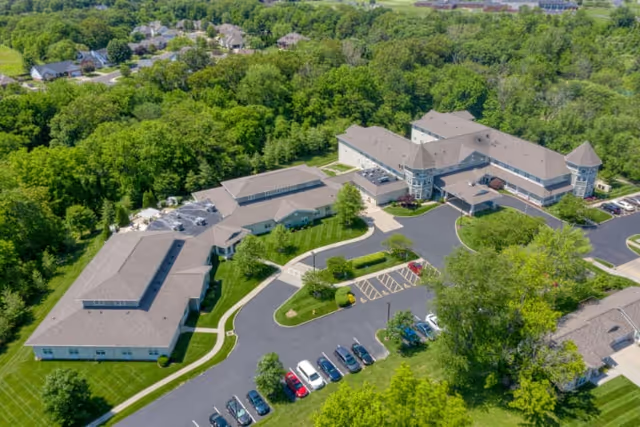
Trenton Village Retirement is described largely as a warm, community-oriented facility with a family-like culture. Many comments emphasize compassionate, attentive staff and an environment that residents and families perceive as welcoming. Memory-care services receive specific praise for engagement and quality. The facility is noted for clean, well-maintained interiors, attractive décor, and accessible communal spaces such as a courtyard and meeting rooms.
Activity programming and resident engagement are consistent strengths. Reviews cite a broad mix of offerings — group activities, exercise classes, informational seminars, and pet-therapy visits — that keep residents involved and active. Onsite personal-care services such as a beauty shop with affordable hair services, along with a pleasant dining room and food that is generally well regarded, support daily life and social interaction for residents.
Staffing and management elicit mixed impressions. Many reviewers commend leadership for an open-door policy, flexible scheduling, and hands-on involvement; staff are described as kind, respectful, and quick to respond. At the same time, there are recurring operational concerns: high staff turnover and inconsistencies in supervisory oversight that appear to affect continuity of care. A limited number of serious claims (including an allegation of a medication-related incident and billing discrepancies) signal the need for scrutiny of medication-safety protocols and administrative accuracy.
Operationally, the pattern suggests a facility with strong culture and many positive day-to-day practices, coupled with areas that require stronger systems and consistency. Prospective residents and families should weigh the facility’s clear strengths in community, activities, and cleanliness against the reported variability in staffing and administrative processes. When considering Trenton Village, it is reasonable to ask management about current staff retention strategies, medication-administration checks, incident-reporting procedures, and billing/audit practices to assess whether those operational gaps have been addressed.