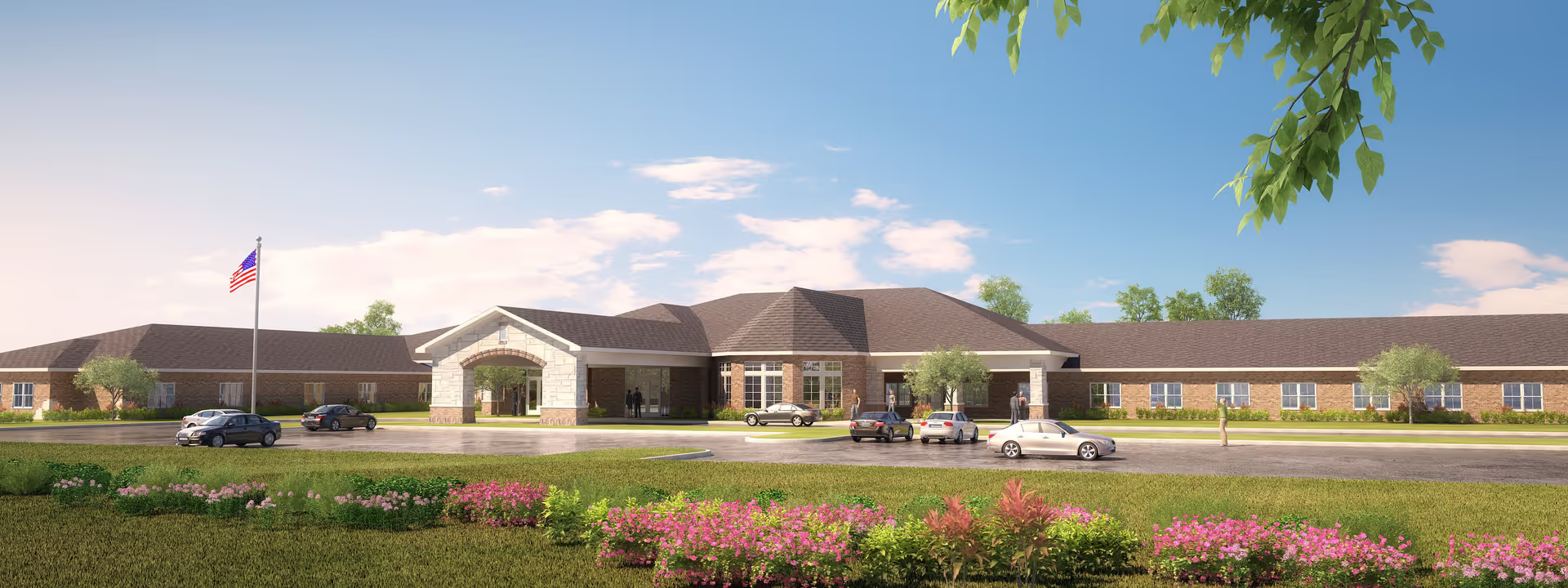
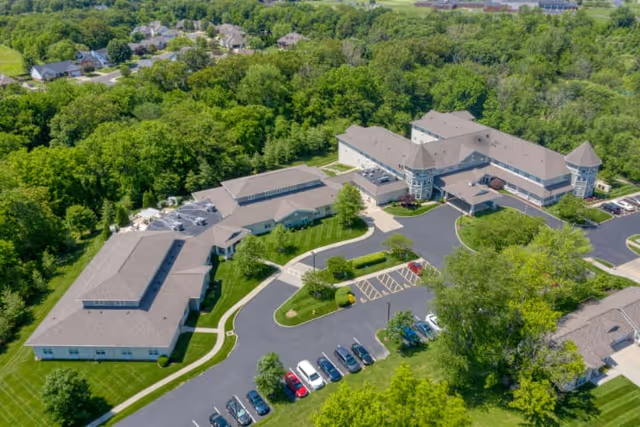
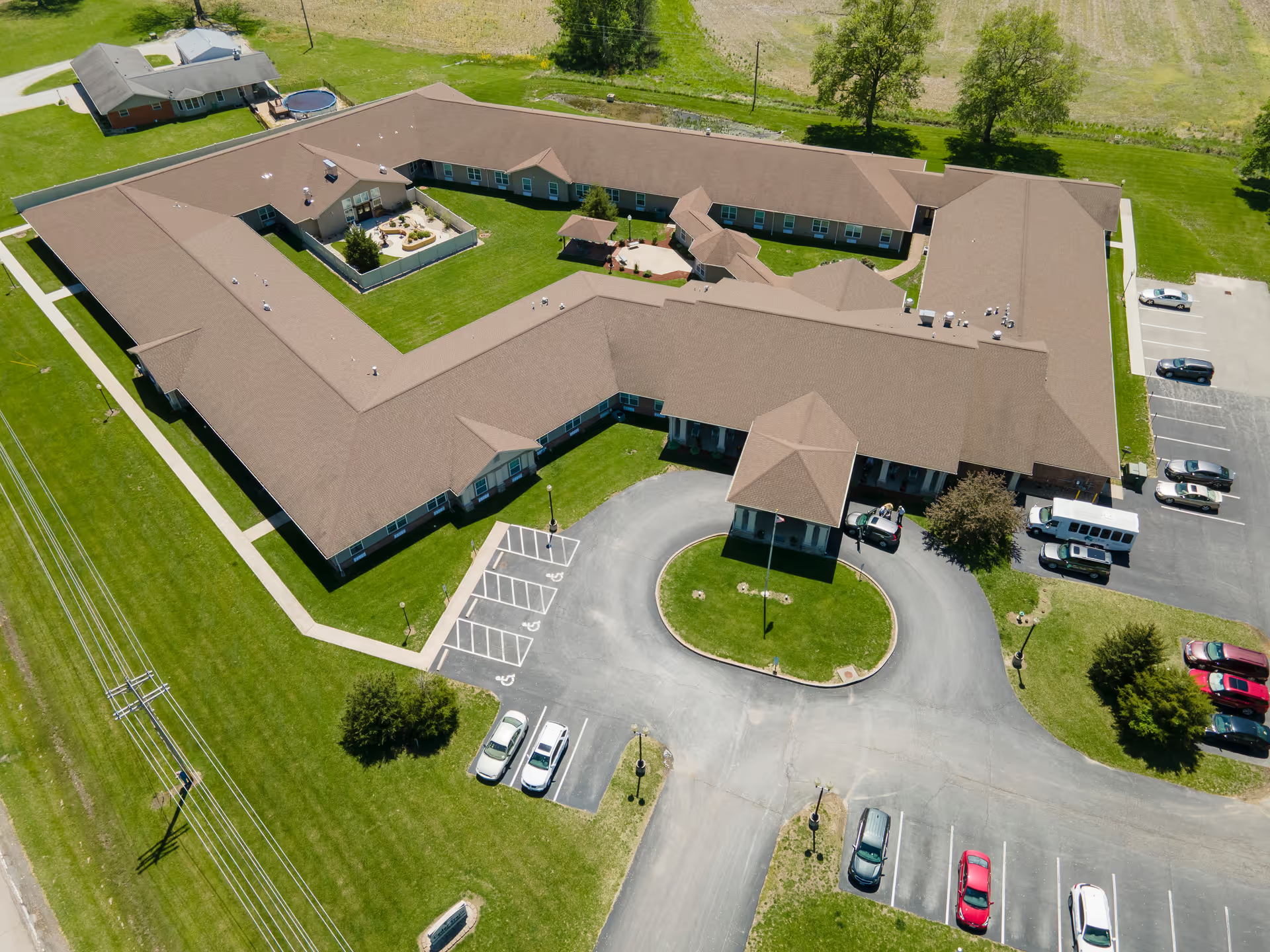
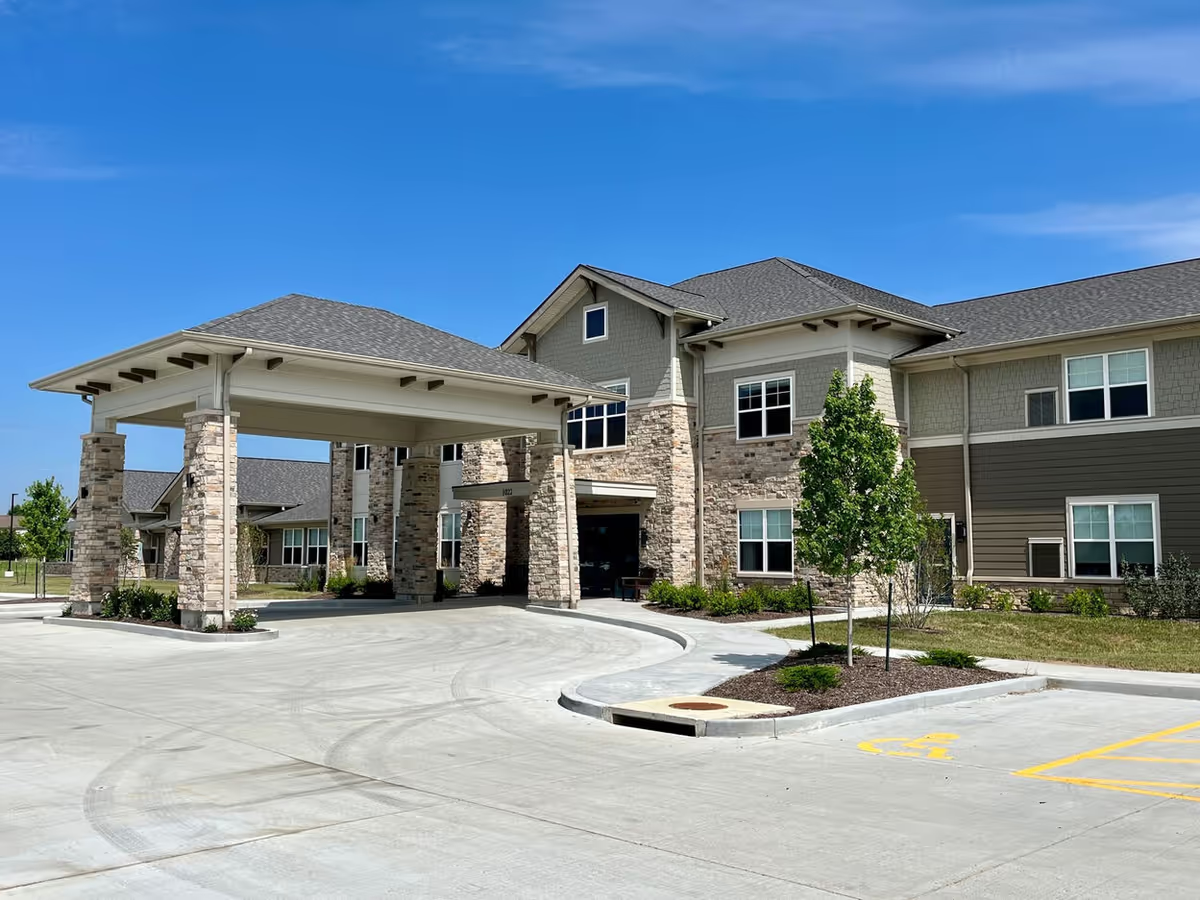
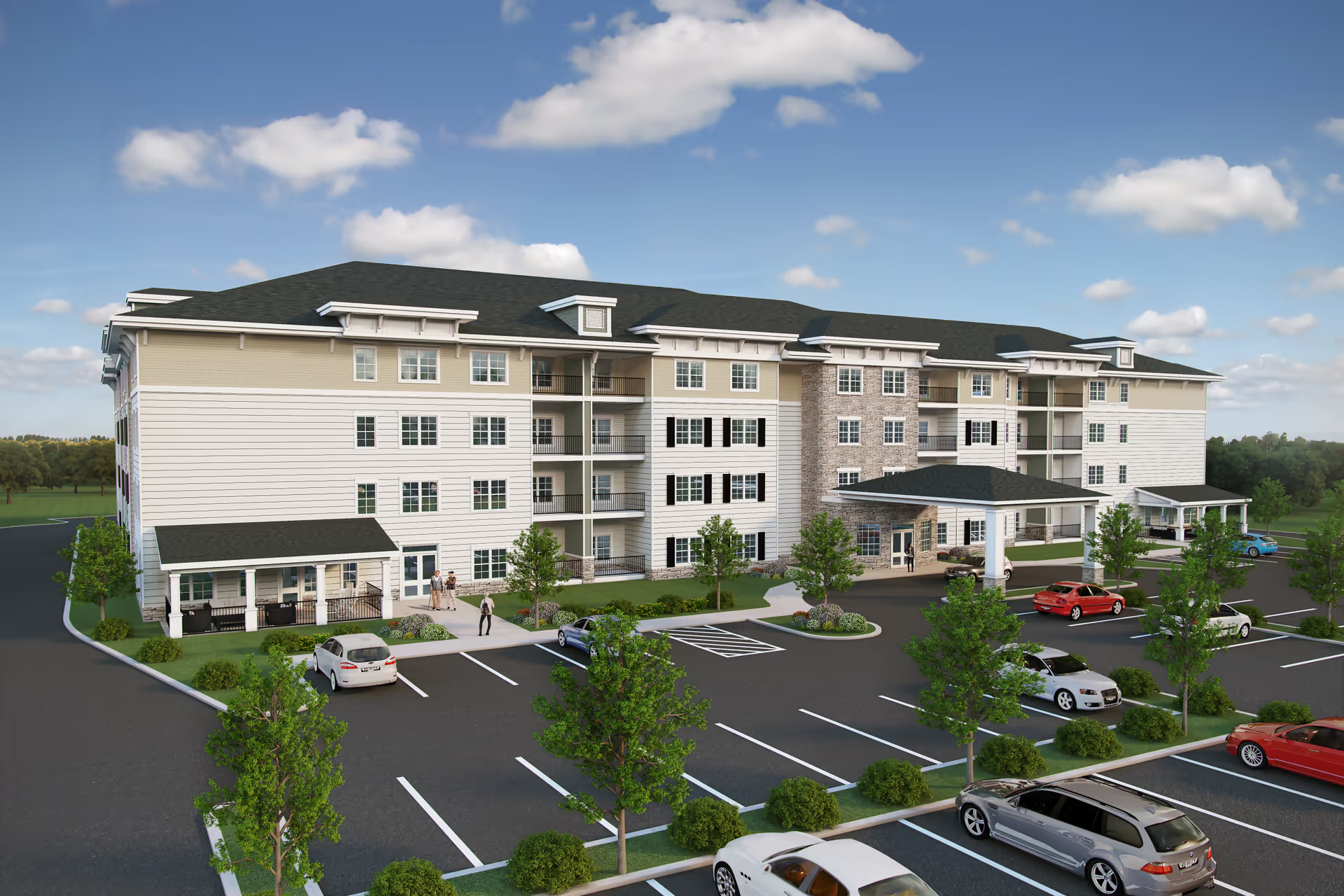
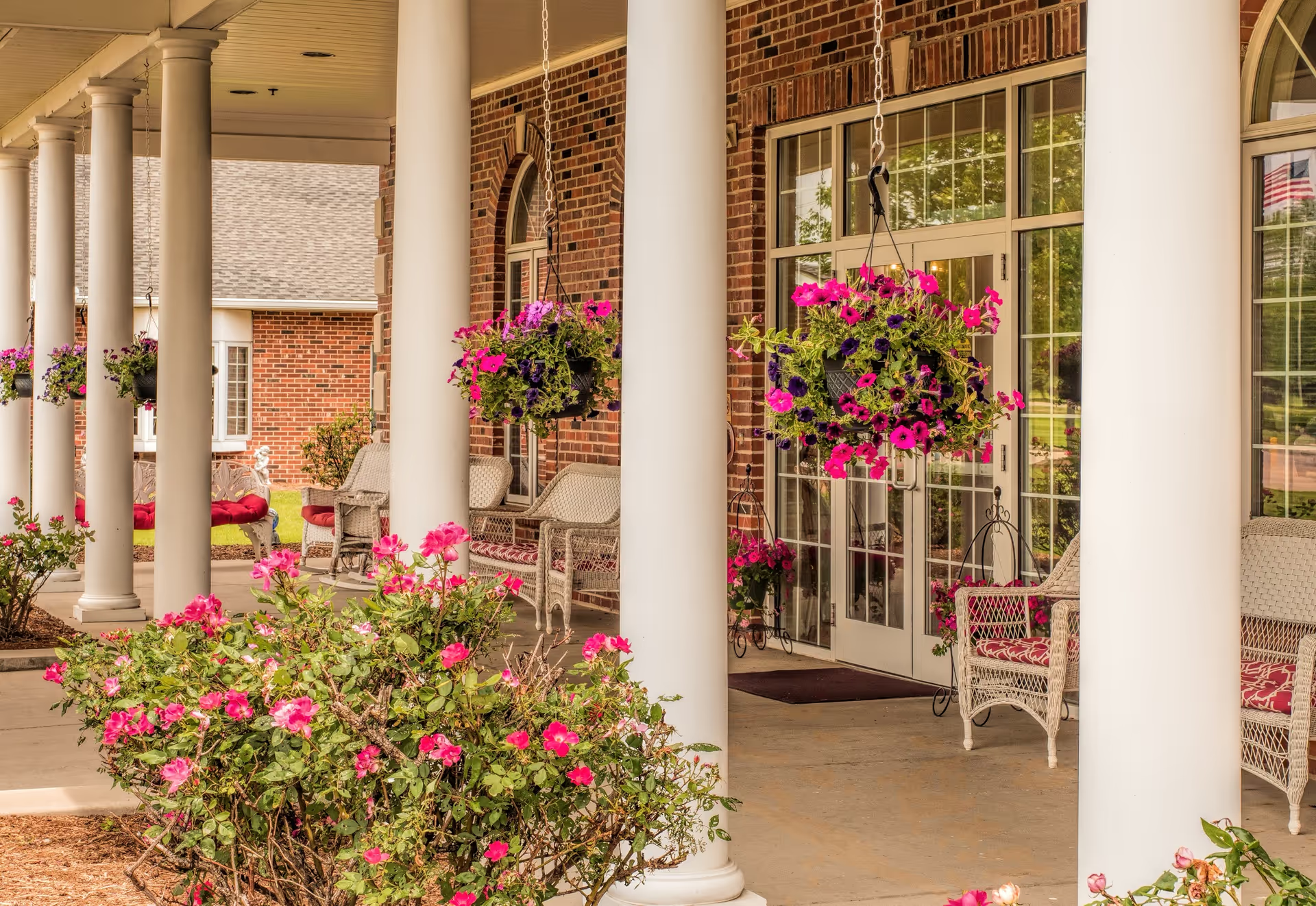
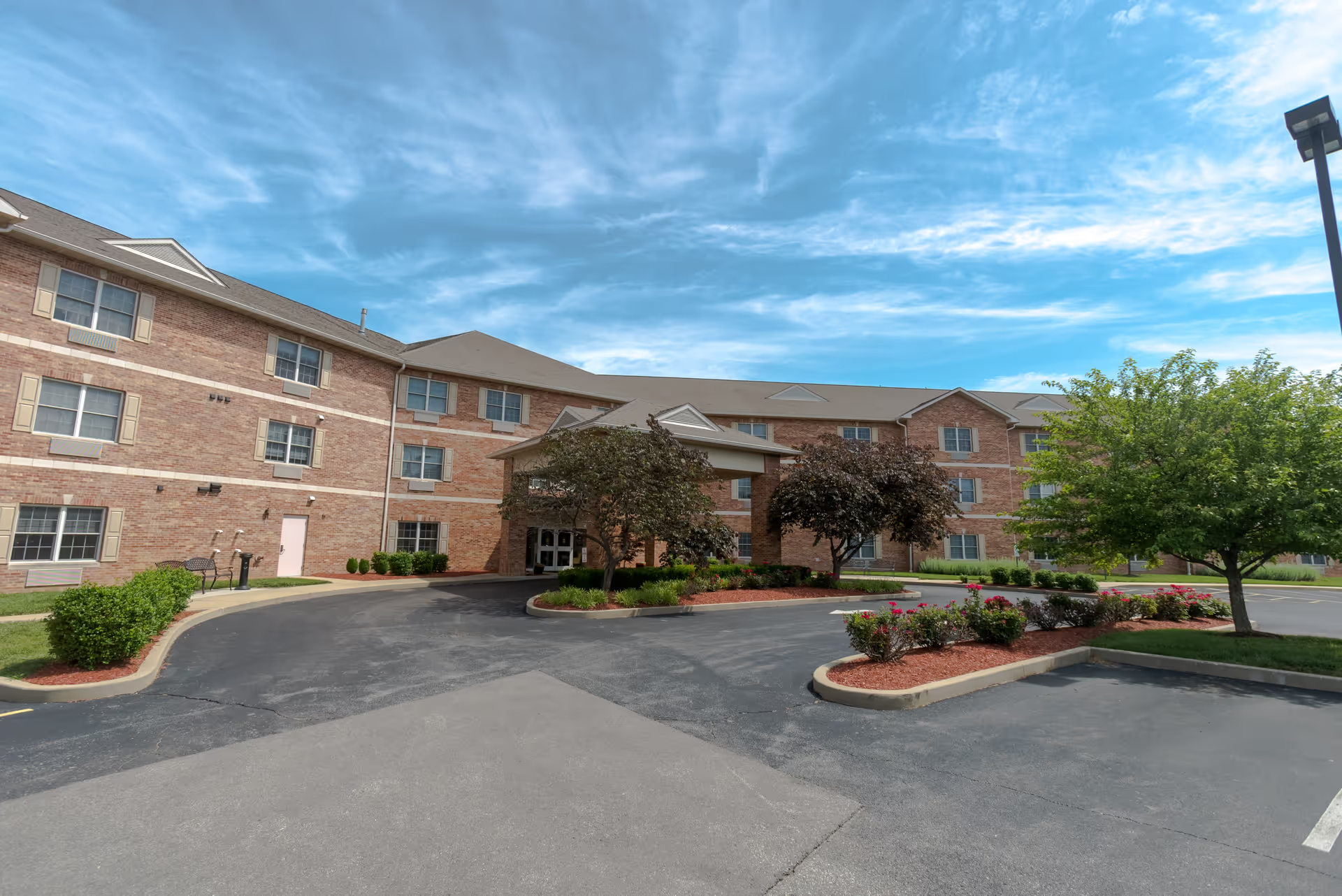
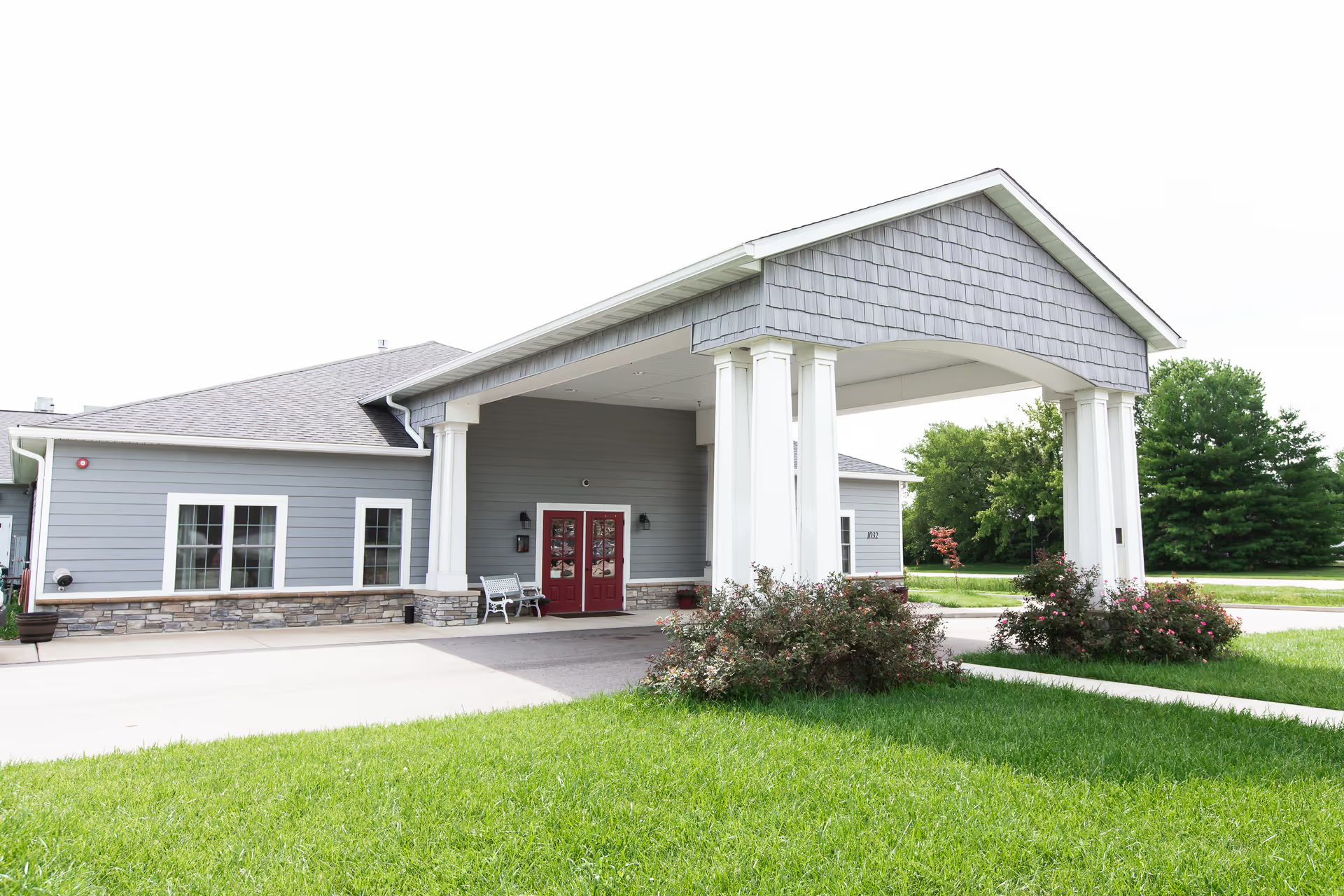
The reviews for The Assisted Living at Silver Creek present a mixed but detailed picture. Strengths are concentrated around the interpersonal side of care and the physical environment: families commonly describe staff as compassionate and attentive, cite a responsive director who will personalize care plans, and note 24/7 accessibility to staff. The facility is often characterized as small and homelike, with roomy, well-maintained apartments, consistent housekeeping and laundry services, an inviting dining room, and a peaceful location that is convenient for downsizing and for those seeking economical value.
Care and staff quality are frequently praised. Many accounts highlight staff who go beyond basic duties, an activities coordinator who engages residents, and management that responds promptly when issues arise. These positive experiences include specific mentions of individualized care planning and successful family communication in many cases. At the same time, a pattern of operational concerns appears in other accounts: reviewers describe low staffing levels that affect timeliness of care, and there is variability in staff professionalism and conduct. Prospective families should note the divergence between accounts that describe very attentive caregiving and those that describe delays or less professional interactions.
Dining and food service elicit mixed evaluations. Multiple families praise the quality of meals and the pleasant dining room, while others raise concerns about portion sizes, meal consistency, and food-safety controls in the kitchen. This indicates inconsistent oversight in food preparation and service; asking about kitchen procedures, menu planning, and quality-control protocols during a visit would be appropriate.
Activity programming and social engagement are also mixed. The facility has an activities coordinator and several reviewers describe an active calendar, but other accounts indicate gaps in activity frequency or variety, and some disruption related to infection-control events. Families should review the current activity schedule and observe engagement during a tour to assess whether it meets their expectations.
Facility features and security present both positives and cautions. The living spaces and common areas are described as clean and roomy, supporting privacy and a homelike feel. However, some families perceive certain common areas as institutional in appearance, and there are serious concerns about safeguarding resident belongings, including allegations of theft. These point to potential weaknesses in property-control and security practices that merit direct questioning and documentation of the facility’s procedures for inventory, incident reporting, and resident property protection.
Management receives strong praise for responsiveness and willingness to customize care, though a subset of families describe communications that felt inconsistent or overly formulaic. Overall, the dominant pattern is one of strong frontline caregiving supported by a responsive director, combined with operational areas that could benefit from clearer protocols and more consistent execution — particularly staffing levels, food-service oversight, activity consistency, and property safeguards.
For prospective residents and families: visit during a mealtime and an activity, ask for current staffing ratios and staff-training information, review kitchen sanitation and food-quality procedures, request details on how the facility secures and documents resident belongings, and discuss how resident preferences are incorporated into care plans and daily schedules. These targeted inquiries will help determine whether the facility’s strengths align with your priorities and whether the noted operational gaps are being actively addressed.