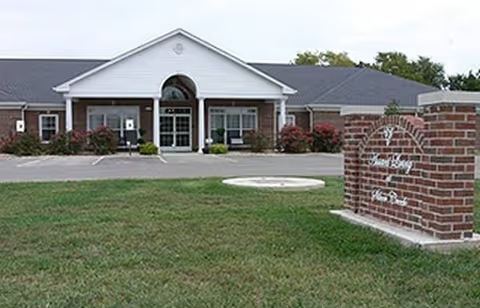
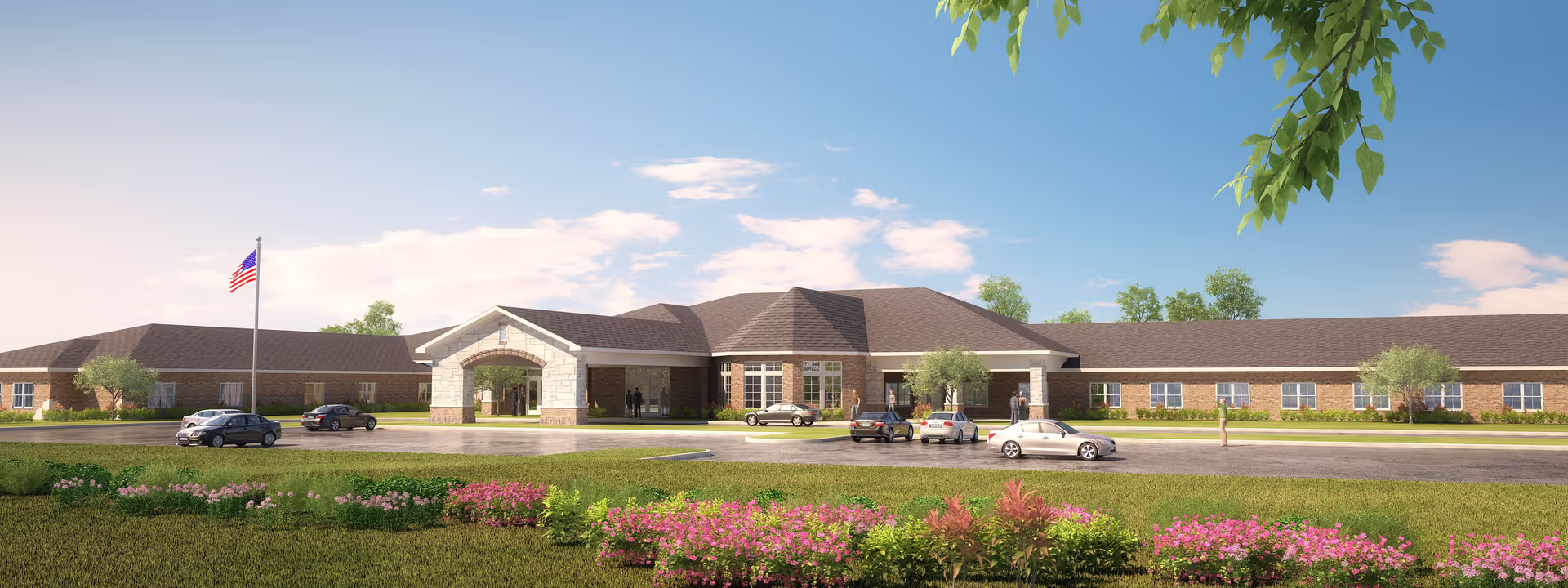
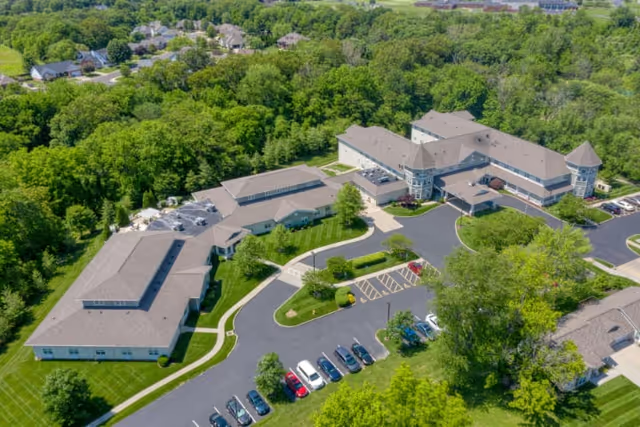
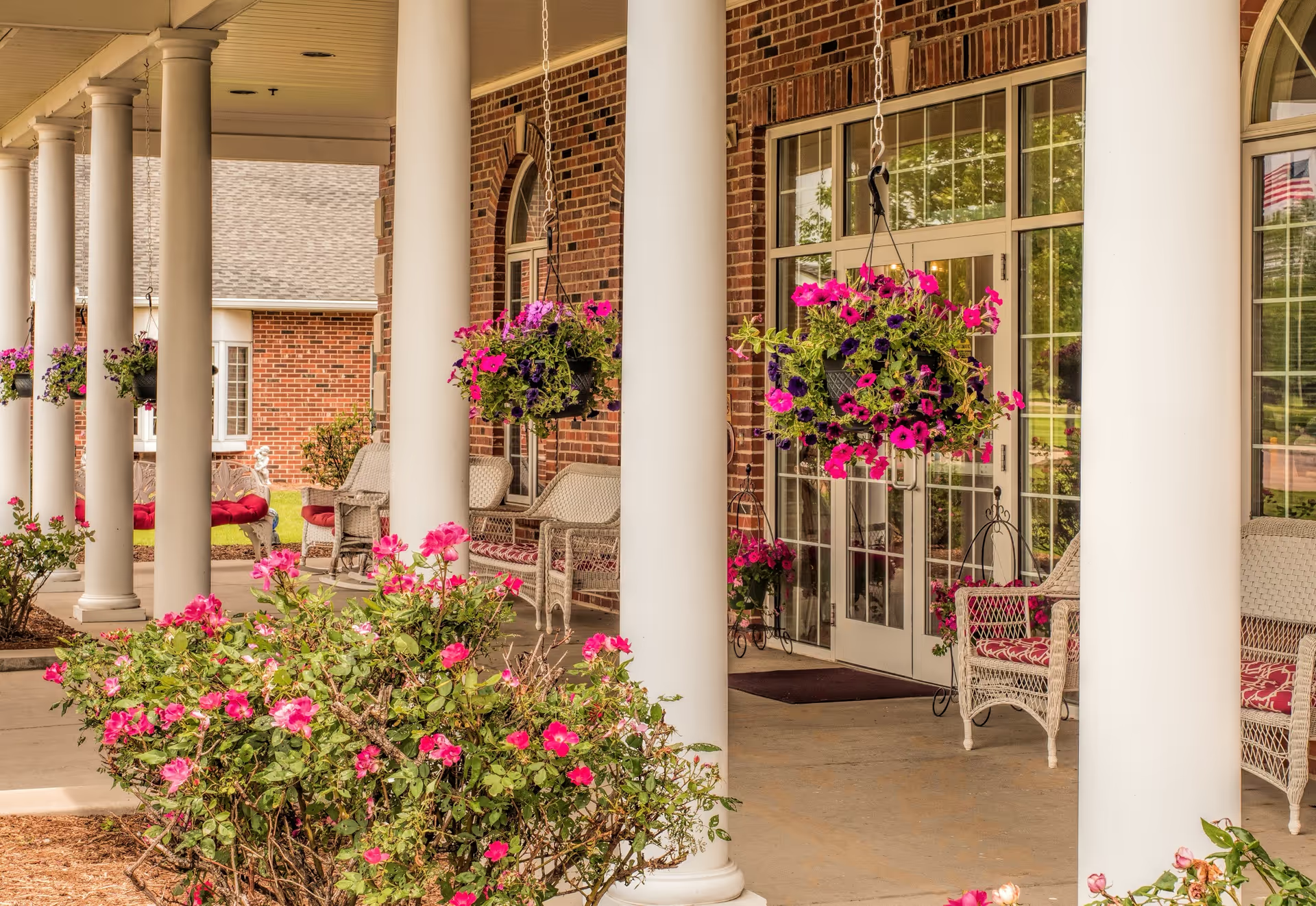
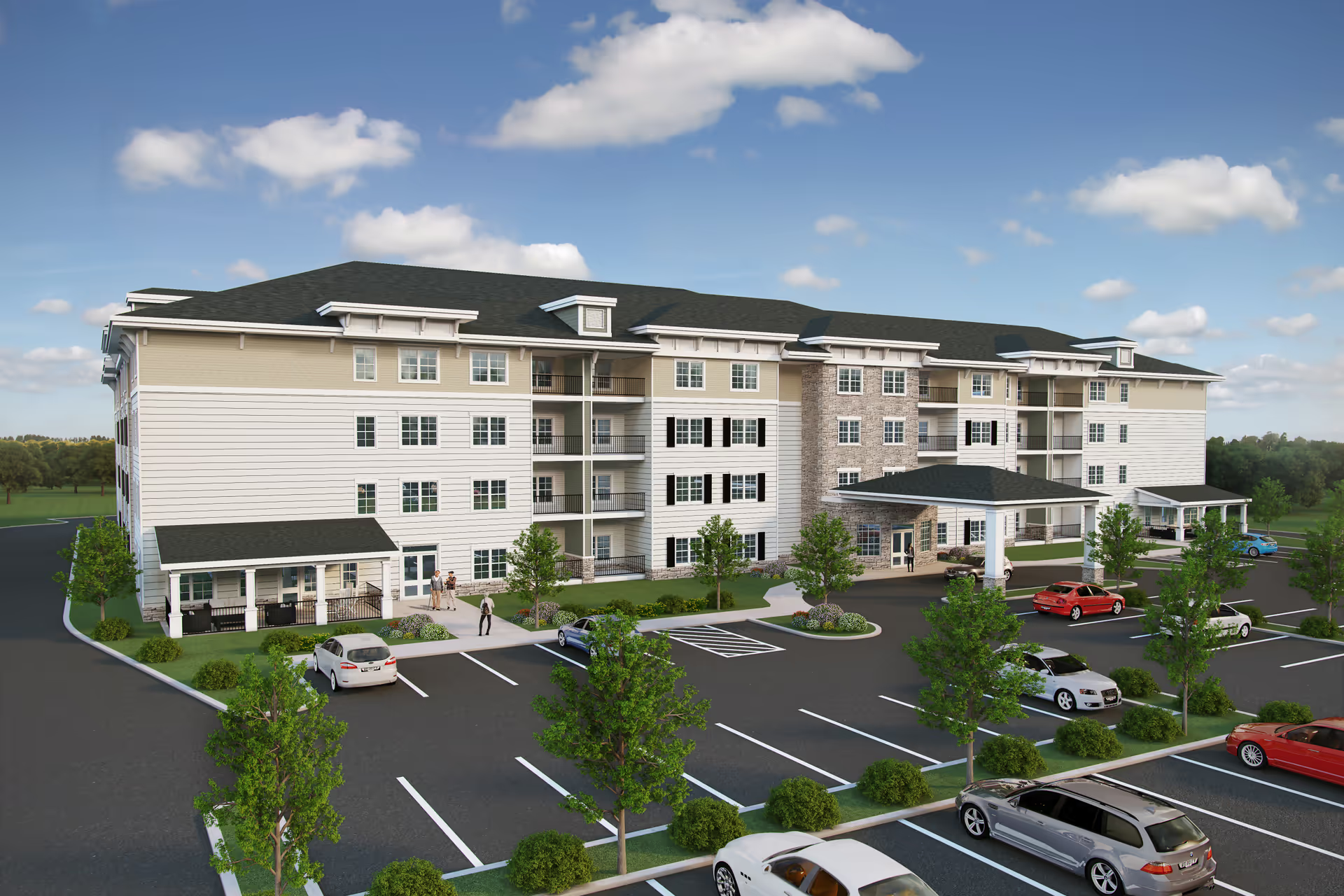
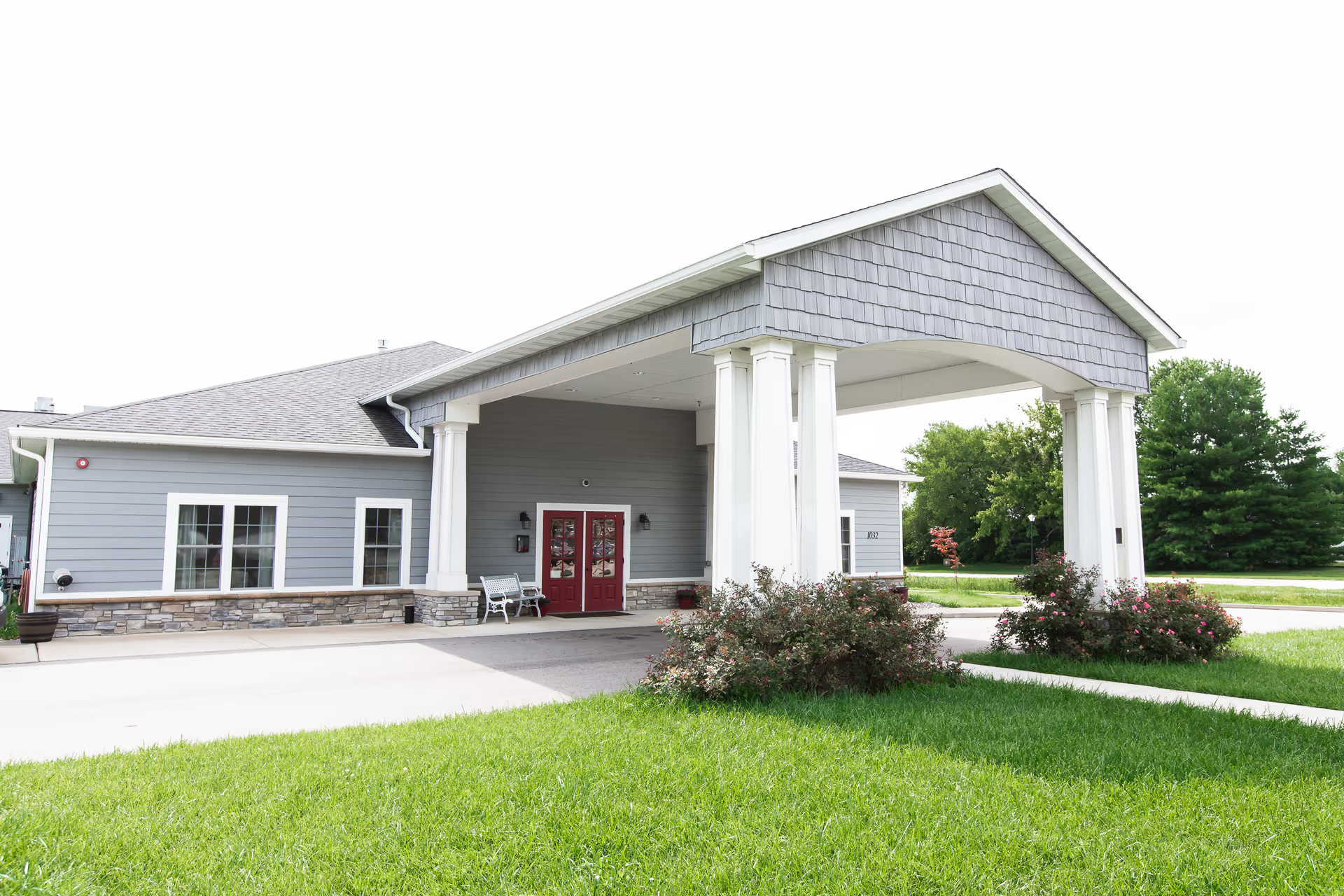
Cedar Trails presents a strongly mixed profile in these summaries. A large number of family members and visitors describe a clean, attractive facility with a warm, home-like atmosphere. Many comments praise personalized, attentive caregiving and highlight long-tenured staff members who get to know residents by name. The physical plant — including apartments, dining areas, grounds and gardens — is frequently described as well maintained and comfortable, and the setting is characterized as quiet and country-like.
Care and staff: Numerous accounts emphasize compassionate, family-style staff who provide individualized attention and supportive relationships. Caregivers and activity staff are often singled out by name and credited with creating a sense of belonging and safety for residents. At the same time, there are repeated operational concerns that point to staffing instability: understaffing, frequent departures, and uneven retention. These personnel patterns are linked in several accounts to slower response times to calls for assistance and gaps in routine checks. There are also serious allegations of prolonged delays in attending to residents during clinical incidents; those comments indicate potential gaps in incident response protocols and in notifications to families that would warrant further inquiry.
Dining and activities: Many reviewers praise the dining program — varied menus, accommodating dietary needs, and generous portions — and the facility’s robust activity schedule. Activities are described as engaging, frequent, and family-involving, contributing to a lively community atmosphere. However, other accounts describe declines in meal quality or reduced activity engagement coinciding with staffing or leadership changes, suggesting inconsistency in program delivery over time.
Facilities and specialty care: The facility’s physical environment is consistently a strength: attractive apartments, clean common spaces, and well-kept grounds. Several families specifically noted effective memory-care and Alzheimer’s programming and caregivers experienced with cognitive impairment. There are, however, some contradictory statements about memory-care availability and quality, indicating variability in either services offered or expectations — a topic to clarify during a tour or intake conversation.
Management, communication, and administration: Reviews reveal a split between front-line staff performance and perceptions of upper management. Families often praise transparent, regular communication from caregiving staff and activity directors, yet others describe frustrating interactions with HR and administration, including slow responses, poor follow-through, and non-itemized or unexpected billing. There are also mentions of privacy and record-handling concerns, and more serious workforce-culture issues such as alleged intimidation or retaliation toward staff who raised concerns; these are operational risks that prospective families should investigate further.
Notable patterns and considerations: Overall, many families report very positive experiences: respectful, engaged caregivers; clean, comfortable facilities; vibrant activities; and good food. Conversely, a subset of accounts raise operational red flags — particularly around staffing levels, incident response, billing transparency, and management consistency. Prospective residents and families should weigh the consistently positive aspects of daily life and caregiver attention against these operational concerns. Recommended next steps include an in-person tour, meeting with both care and administrative leadership, asking for staff-to-resident ratios and turnover metrics, reviewing incident-response procedures and privacy policies, and obtaining a detailed, itemized explanation of fees and billing practices before enrollment.