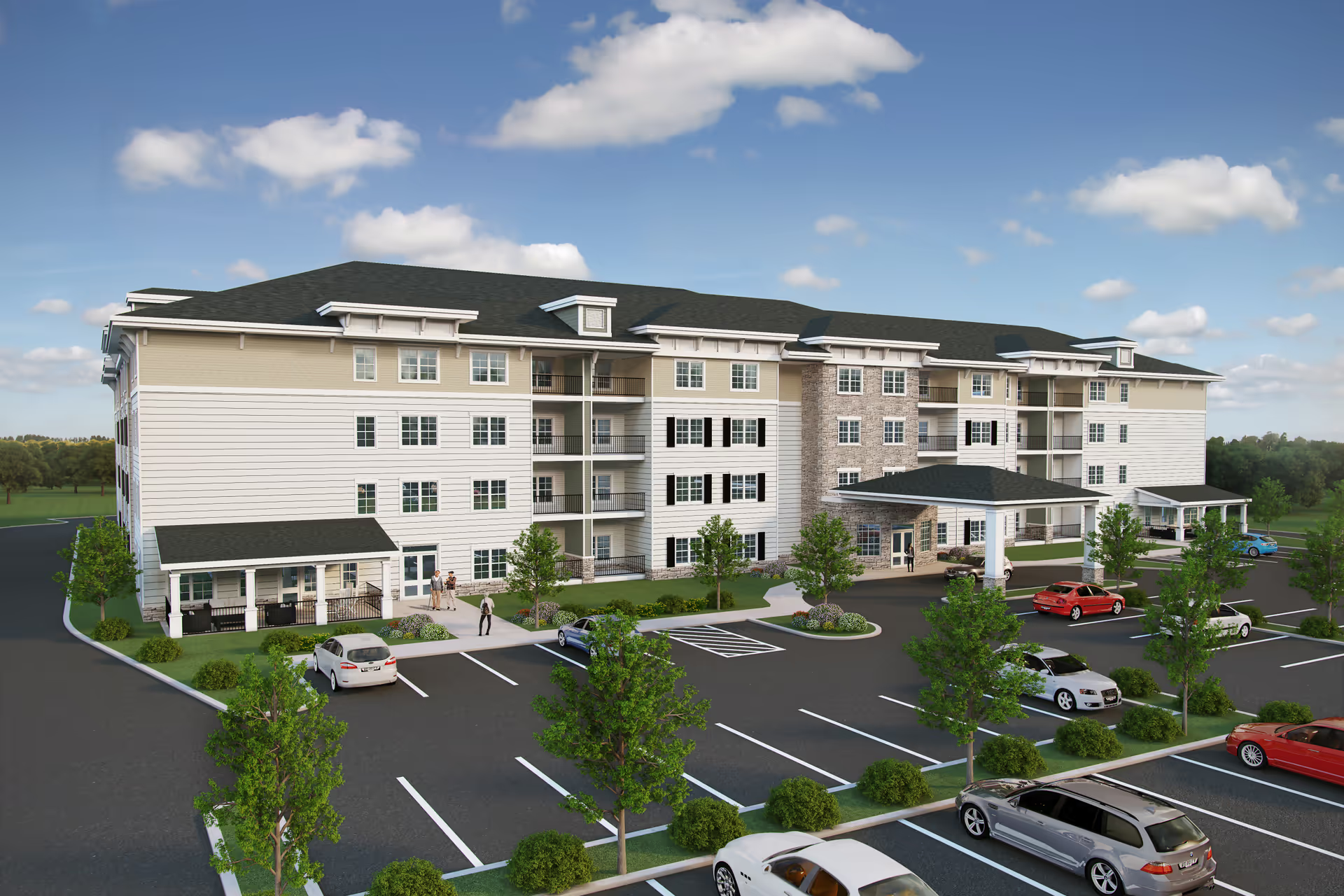
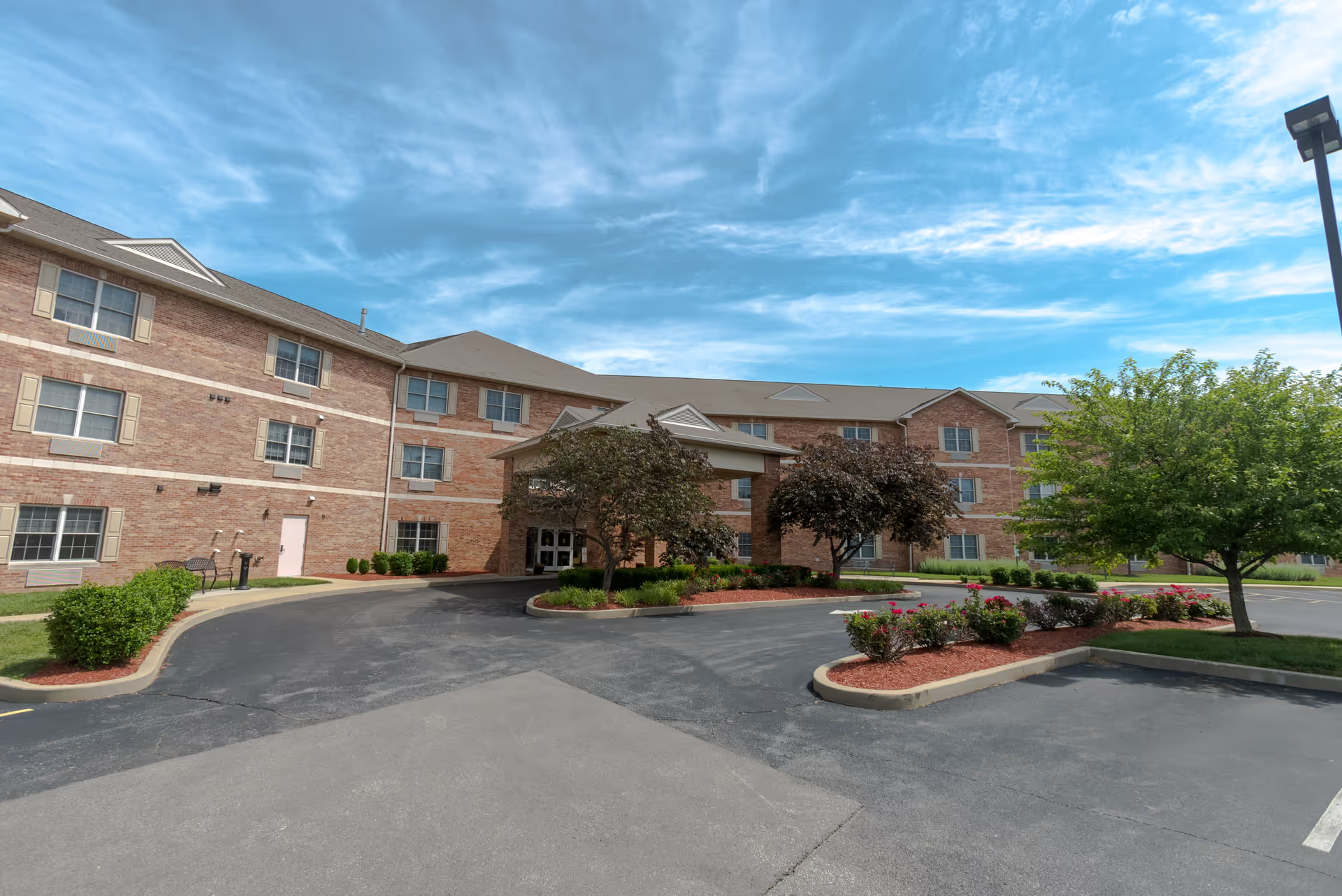
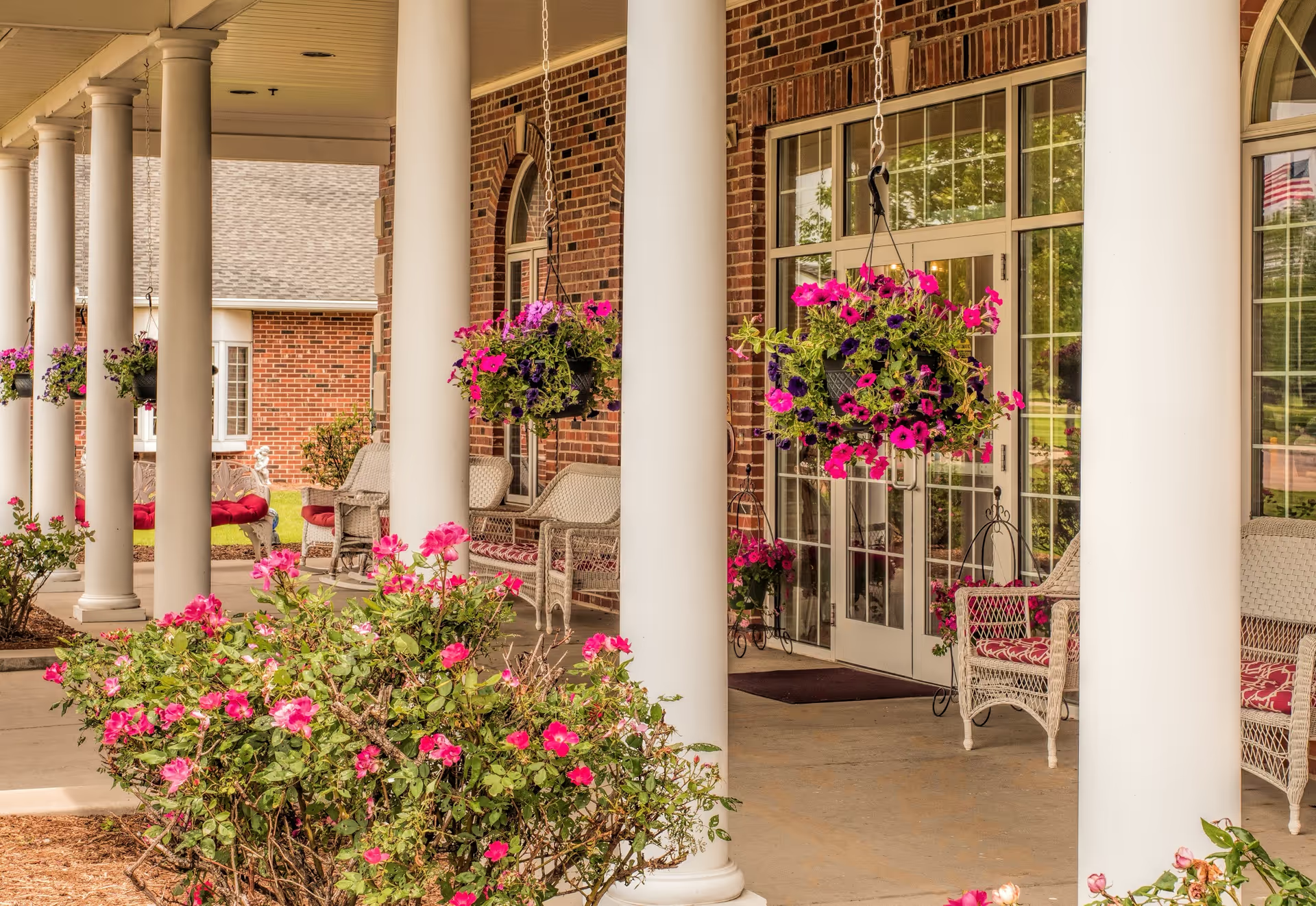
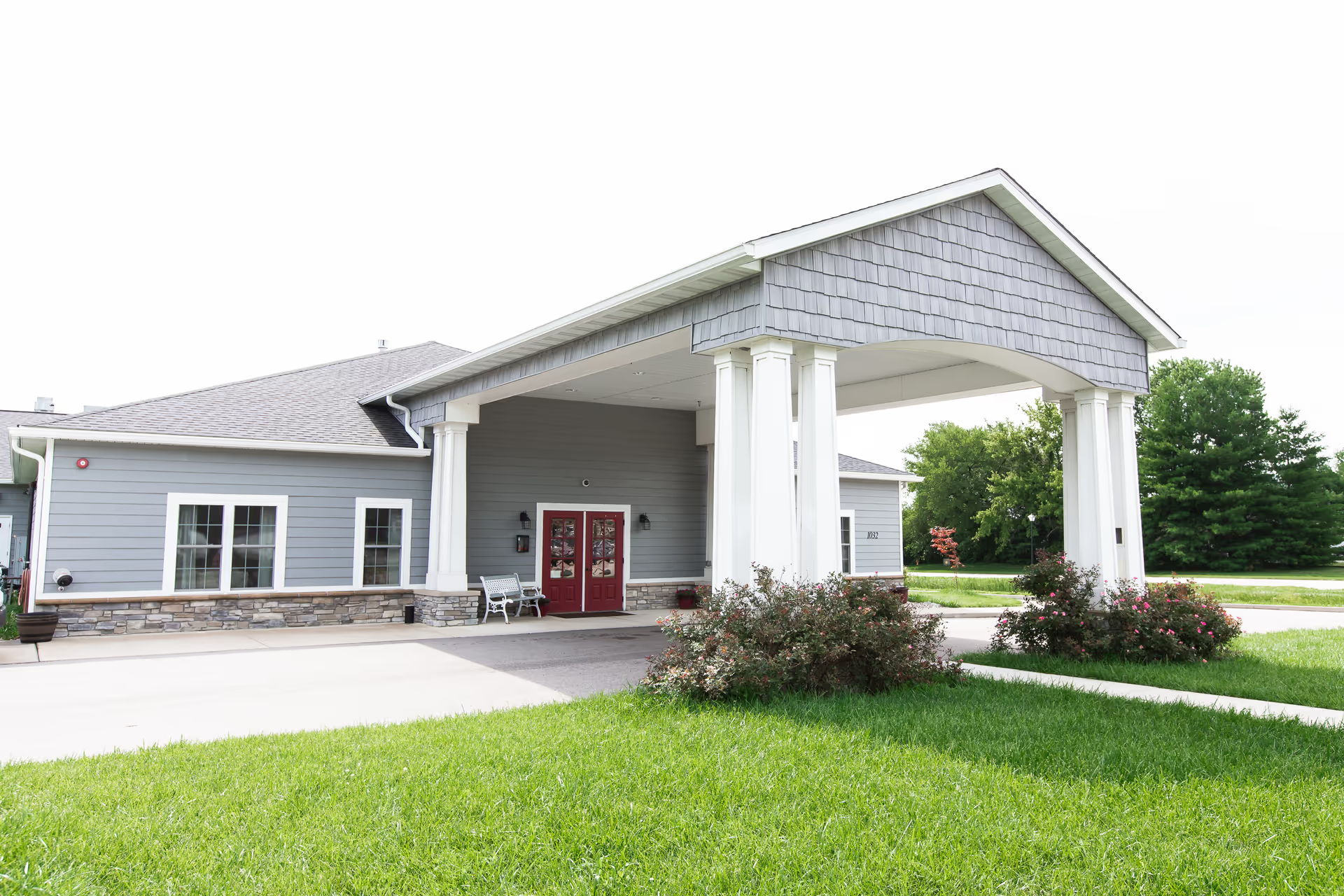
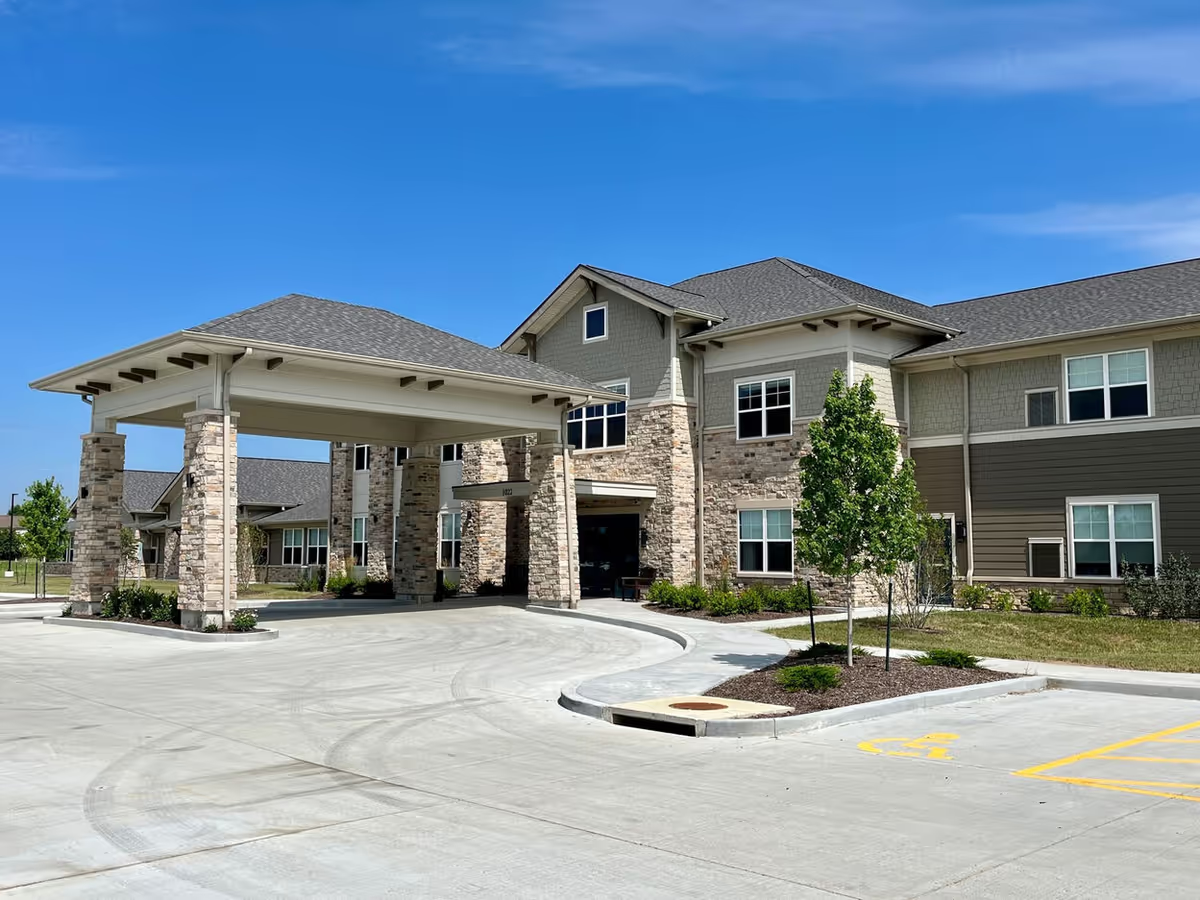
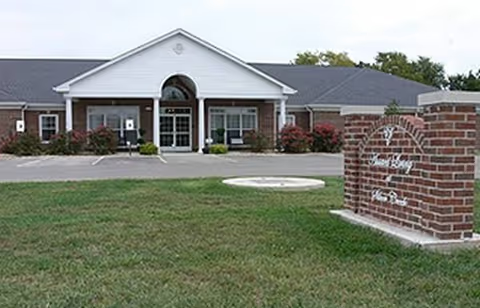
Reviewer feedback for Addington Place of Shiloh is highly polarized: many families describe an attractive, well-kept community with warm, dedicated caregivers, while others report recurring operational gaps that impacted daily care. The facility’s physical environment and some aspects of programming receive consistent praise—clean common areas, bright, spacious apartments with accessible bathrooms, and hotel-like amenities are commonly noted. Several reviewers highlighted rehabilitation services, transportation support, varied meals, pet therapy and musical entertainment, and an activities program that includes exercise, bingo and memory games.
Clinical care and staff conduct emerge as a mixed picture. Numerous accounts praise individual CNAs, nurses and specific leaders for compassion and going above and beyond, and several families credited staff with meaningful improvements in residents’ mood and comfort. At the same time, there are repeated observations of inconsistent care delivery across shifts, staffing shortages, and gaps in training for residents with complex needs (for example, dementia and diabetes management or safe transfers). These operational weaknesses translated, for some families, into missed or unreliable ADL support, missing promised equipment or services, and challenges coordinating PT/OT and care-plan information.
Staff culture and supervision also show contrast. Many reviewers describe a family-oriented, supportive workplace with standout employees and an activities director who engages residents. Several reviewers specifically praised a director (Kristen Benoist) for responsiveness and advocacy. Conversely, others identified inter-staff communication issues, instances where staff differences were aired in resident areas, and staff phone use that appeared to interfere with responsiveness. Leadership presence is uneven in accounts: some families found management accessible and helpful, while others experienced delayed or absent responses and unfulfilled commitments.
Dining and activities generally receive positive comments but with qualifiers. Meals are often described as varied and healthy, and reviewers appreciated social hours and regular entertainment; however, a subset of families noted inconsistent ingredient quality, crowded or dim dining-room conditions, and limited activity options for memory-care or afternoon periods. Outings occur but some reviewers wanted more frequent or better-scheduled off-site events and greater resident input into programming.
Facilities and move-in experience are strengths for many families: clean interiors, attractive grounds, accessible apartments, and thoughtful amenities. Still, practical details can vary—apartment layouts and refrigerator sizes differ by unit, tours vary in thoroughness, and a few reviewers found the community spread-out for their needs. Operational follow-through—such as providing promised shower/laundry services, equipment like Hoyer lifts, and timely trash/room upkeep—was called out as inconsistent in a number of accounts.
Taken together, the pattern suggests Addington Place of Shiloh offers a well-presented community with many caring, committed staff and an active amenities program, but that prospective residents should verify operational reliability before committing. Recommended steps for families: observe mid-day staffing levels, meet the nurse and activity staff, ask for written confirmation of promised services and equipment, review dementia-care protocols and diabetes management procedures, request copies of the care plan and therapy schedules, and check cleanliness in a resident room during a visit. These targeted checks can help determine whether the facility’s strengths align with an individual resident’s clinical and social needs.