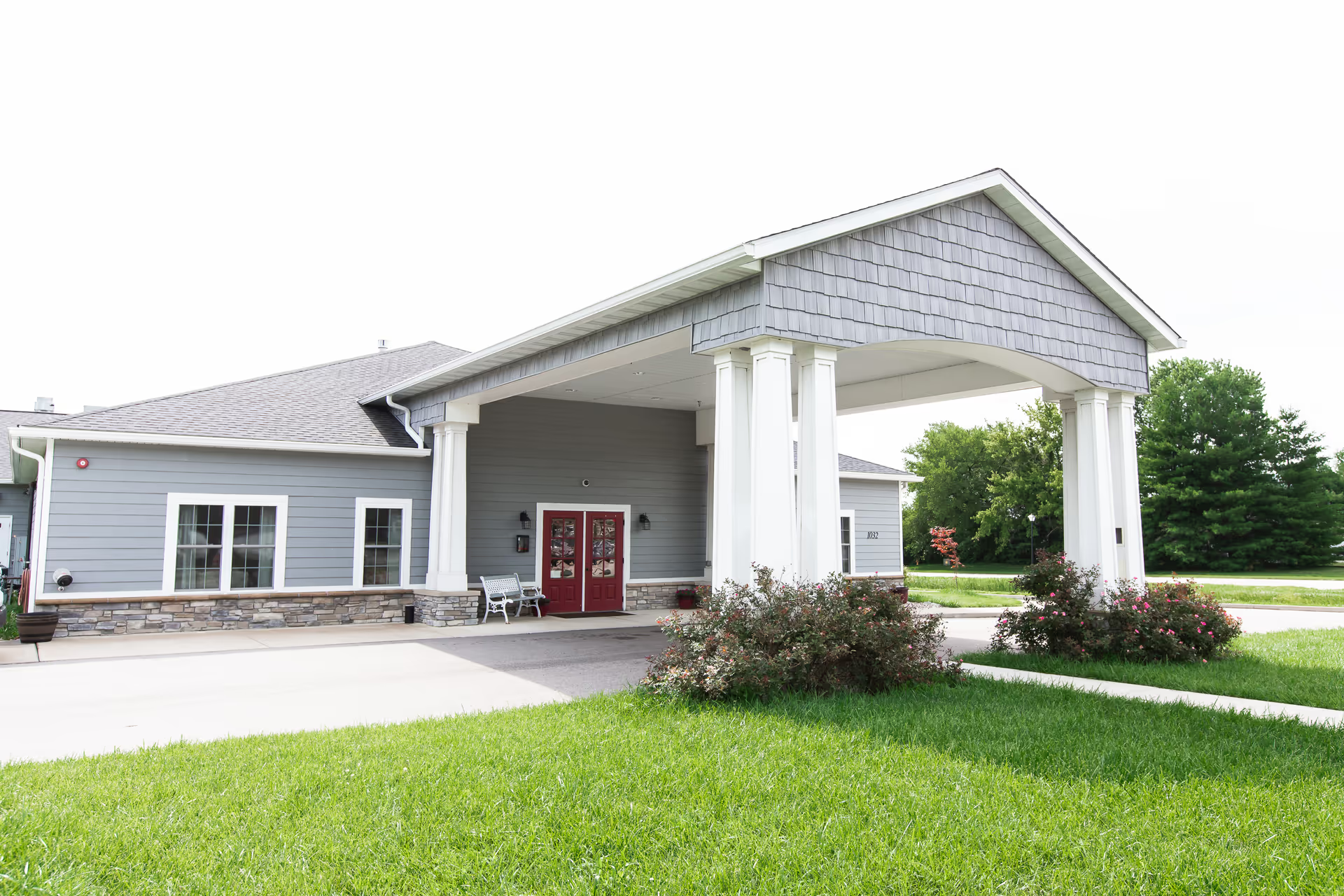
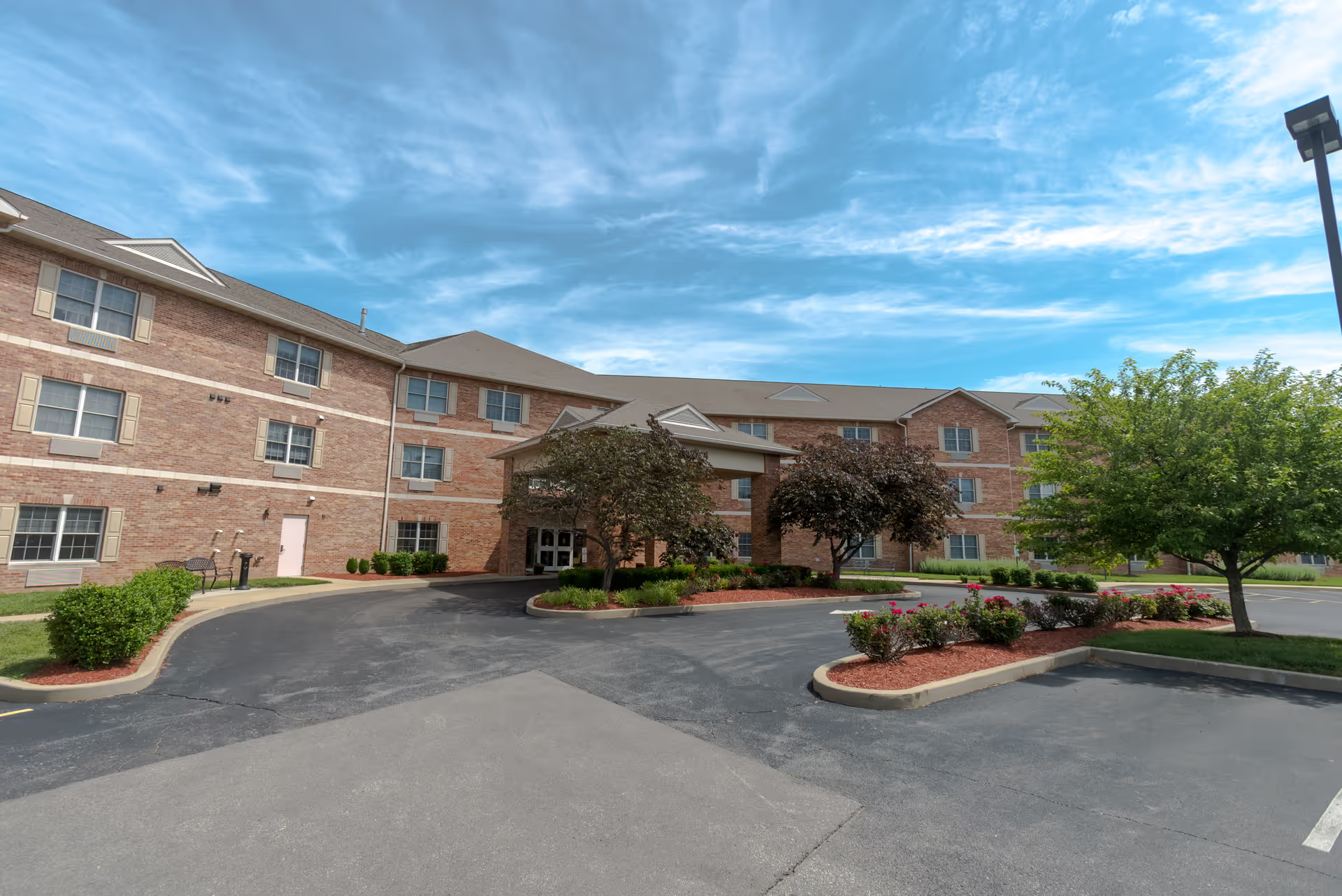
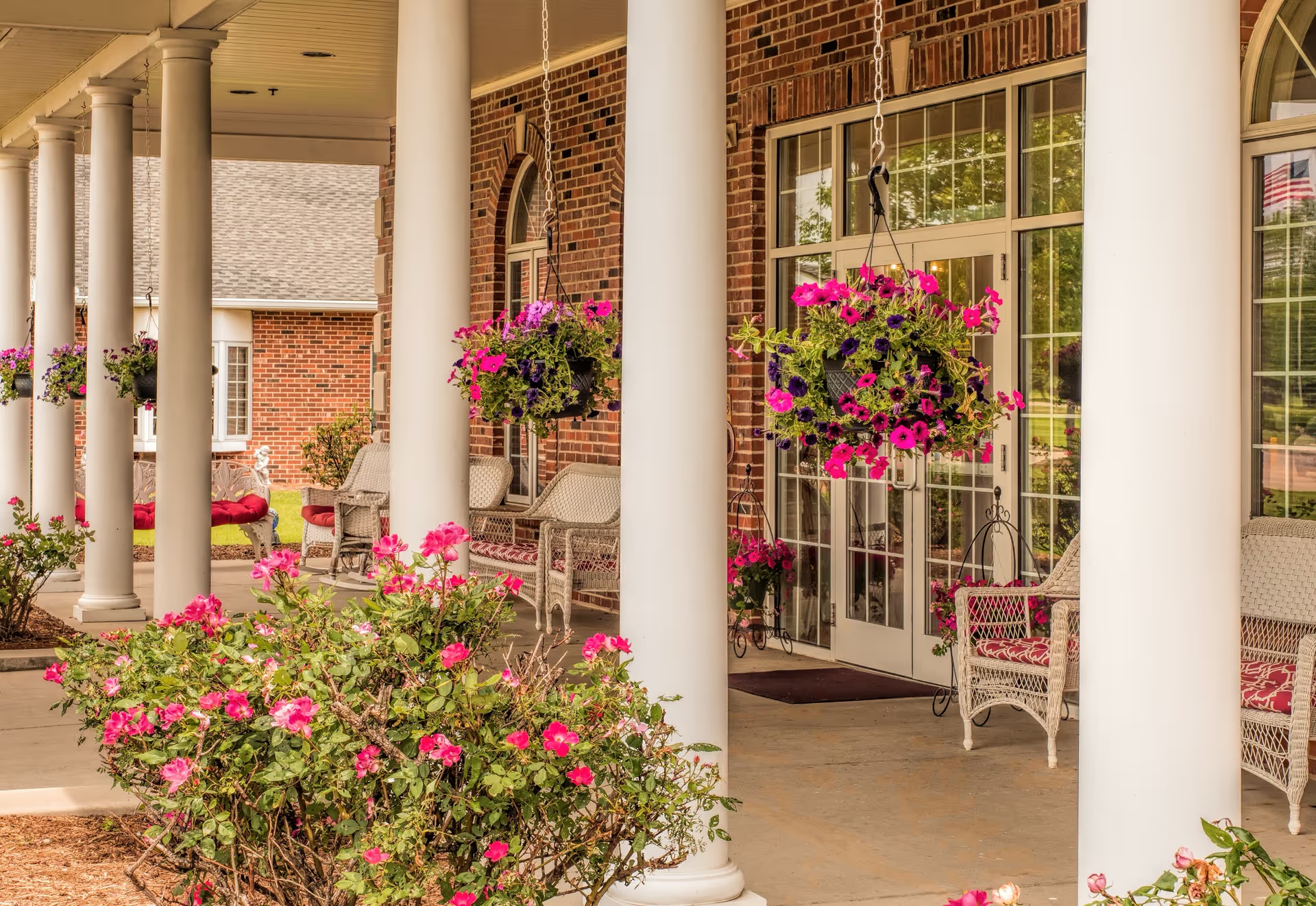
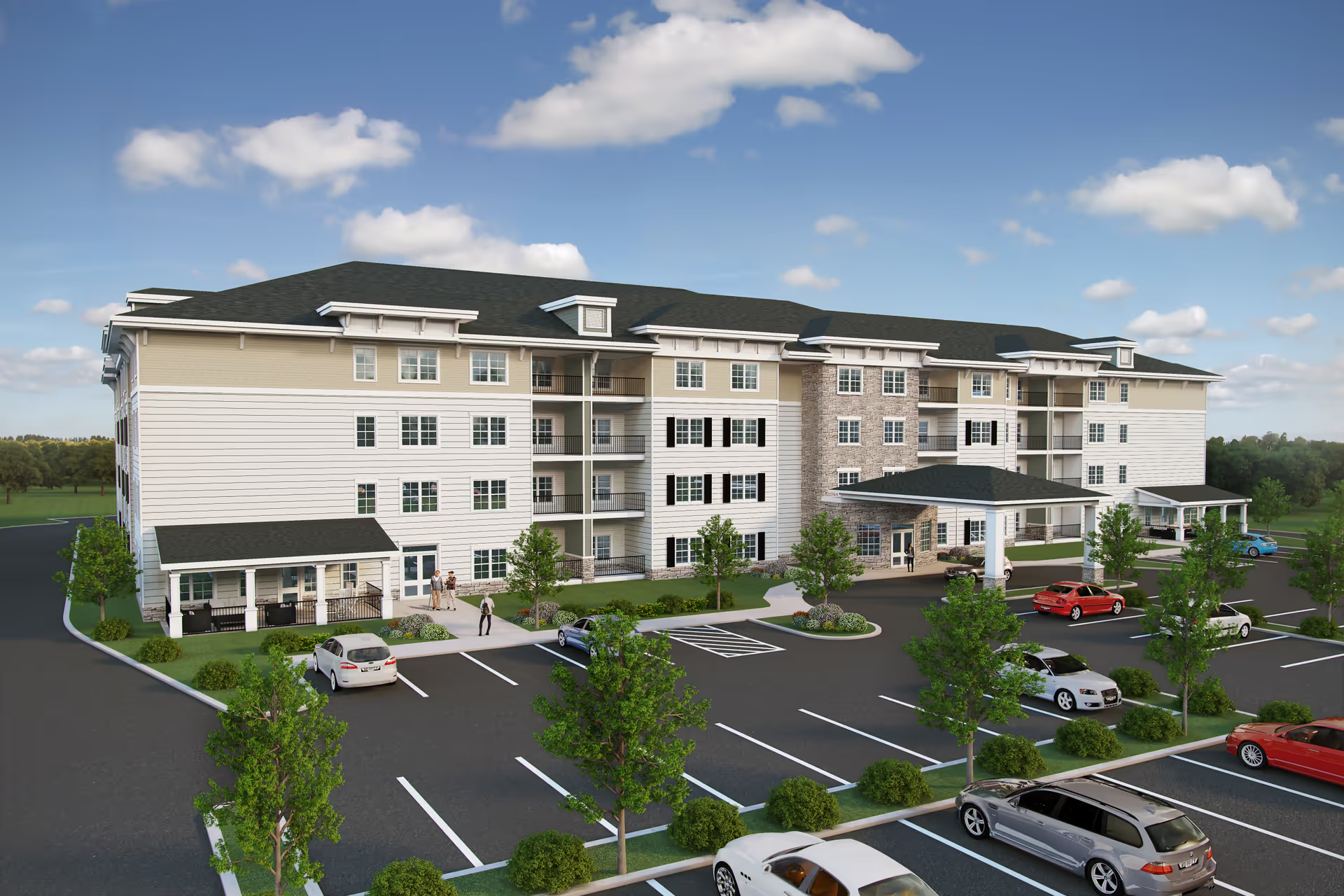
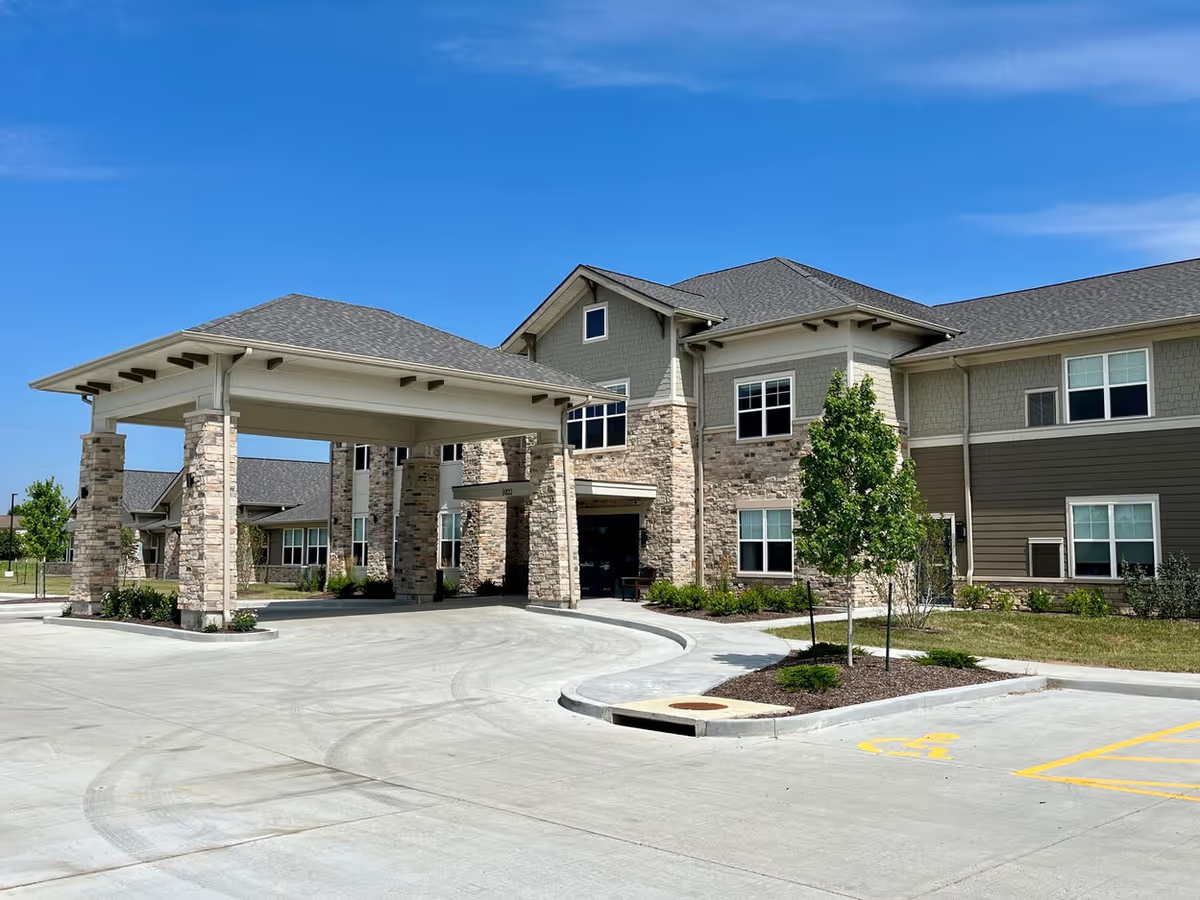
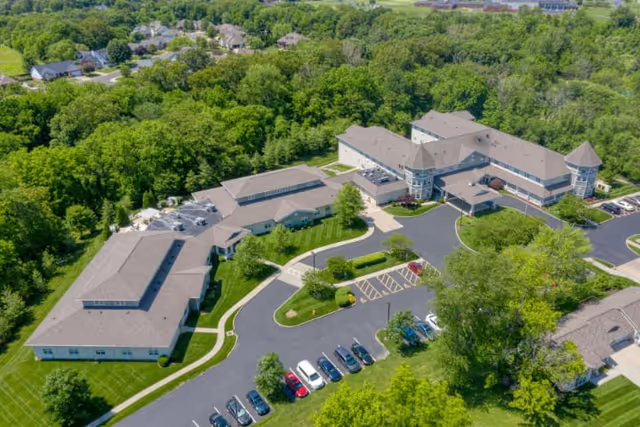
Parkway Gardens presents as a small, home-like senior living community with numerous strengths and several recurring operational issues. Families and residents frequently praise the nursing team and direct caregivers for compassionate, attentive care; many highlighted prompt medical communication and active medication monitoring. The facility's size and staffing model appear to produce a family-oriented atmosphere, and reviewers often commented that common areas and grounds are clean and well maintained. Private studio apartments with in-room amenities, ADA features, a memory-care unit, pet-friendly policies, and a small outdoor patio are consistently noted as positive attributes.
Care quality is characterized by a mix of strong clinical presence and concerns about consistency. Multiple accounts describe "phenomenal" nursing and caregiving staff who provide personalized support, particularly during care transitions. At the same time, turnover and variability in front-line staffing were frequently mentioned as factors that disrupt continuity, create follow-through gaps, and produce inconsistent responsiveness to requests. Operational problems with the call-light system and occasional delays in assistance were raised as a specific care-process concern.
Dining receives mixed assessments. Several reviewers described chef-prepared, tasty meals and a cafeteria-style dining experience with menu choices and social dining; others noted small portions, menu items that seem premade or frozen, and uneven meal temperature and presentation. Families also reported that menus are sometimes adjusted for resident health needs. Dining-room size and seating capacity are limited in places, which can affect mealtime experience for some residents.
Activities and engagement are another area of contrast. Parkway Gardens has historically offered well-coordinated activities and outings, and when activity staff are present and consistent, residents appear engaged. However, changes in activity leadership and staffing interruptions have led to uneven programming at times; some families reported that activities were restarted under new management, while others described limited or forced participation.
Facility amenities and environment are frequently cited as positives: clean interiors, helpful layout, accessible bathrooms, separate resident laundry, on-site memory care, and small-community feel. Some apartments are described as spacious while others are noted as small with limited closet space; availability of single memory-care rooms can be constrained. Location and proximity to family are also advantages for prospective residents.
Management and operational patterns suggest active leadership with visible staff who connect with families, but also ongoing adjustments. Several reviewers praised specific administrators and staff for follow-up, individualized attention, and a family-like culture. Conversely, comments about new management, staffing shortages, inconsistent housekeeping, and variable follow-through point to areas where operational stability is still developing. Price perceptions vary: many families consider the cost reasonable for the level of service, while others perceive the program as expensive relative to specific service or dining expectations.
In summary, Parkway Gardens appears to be a well-kept, small-scale community with strong clinical nursing presence and a caring culture. Prospective residents and families should weigh the facility’s strengths—clean environment, personalized nursing care, private units, and a family atmosphere—against operational variability in staffing, housekeeping, dining consistency, and activities programming. An in-person visit focused on current staffing levels, call-light response procedures, housekeeping schedules, and recent activity calendars will help clarify whether the present operational state matches a family's expectations and care needs.