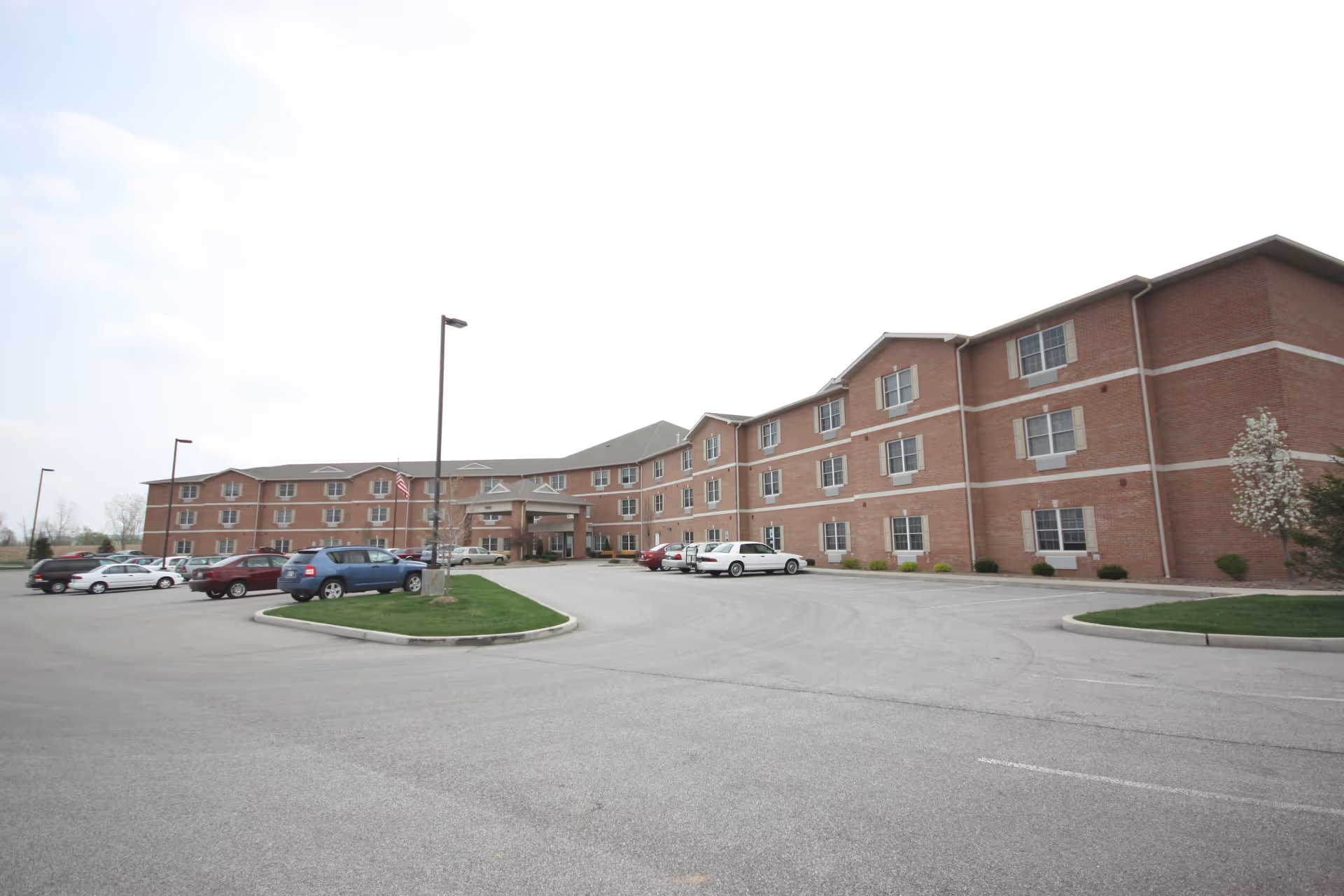
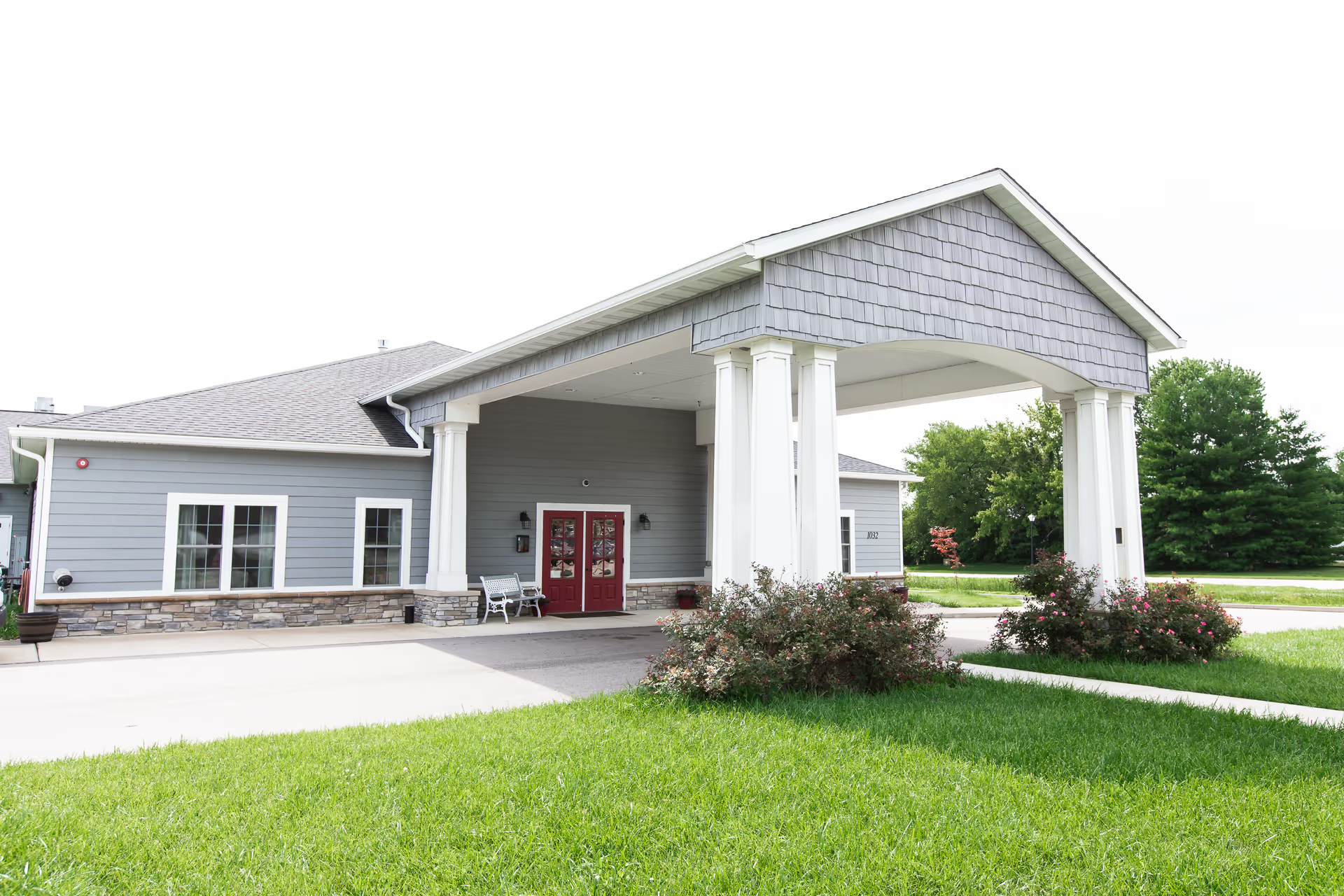
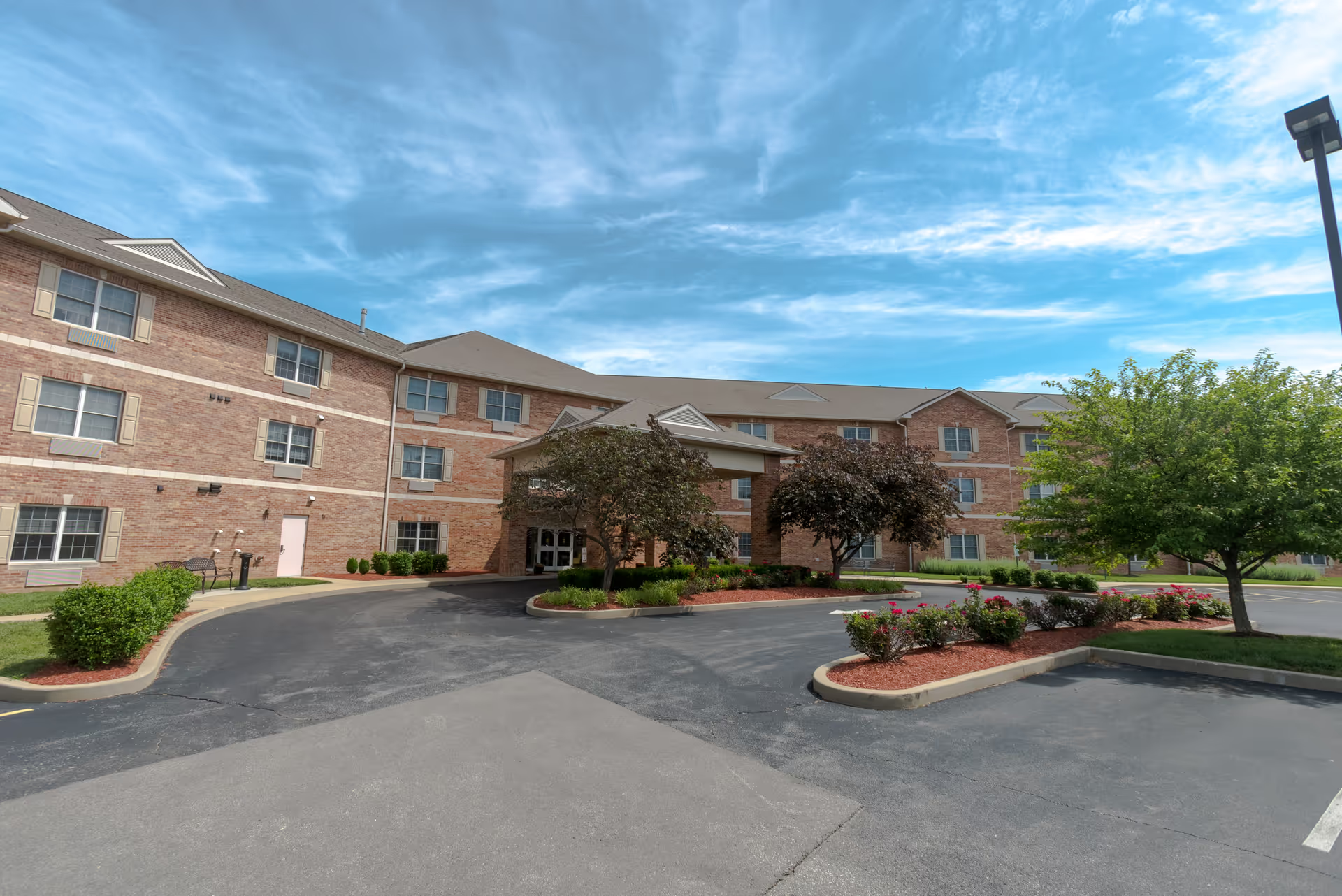
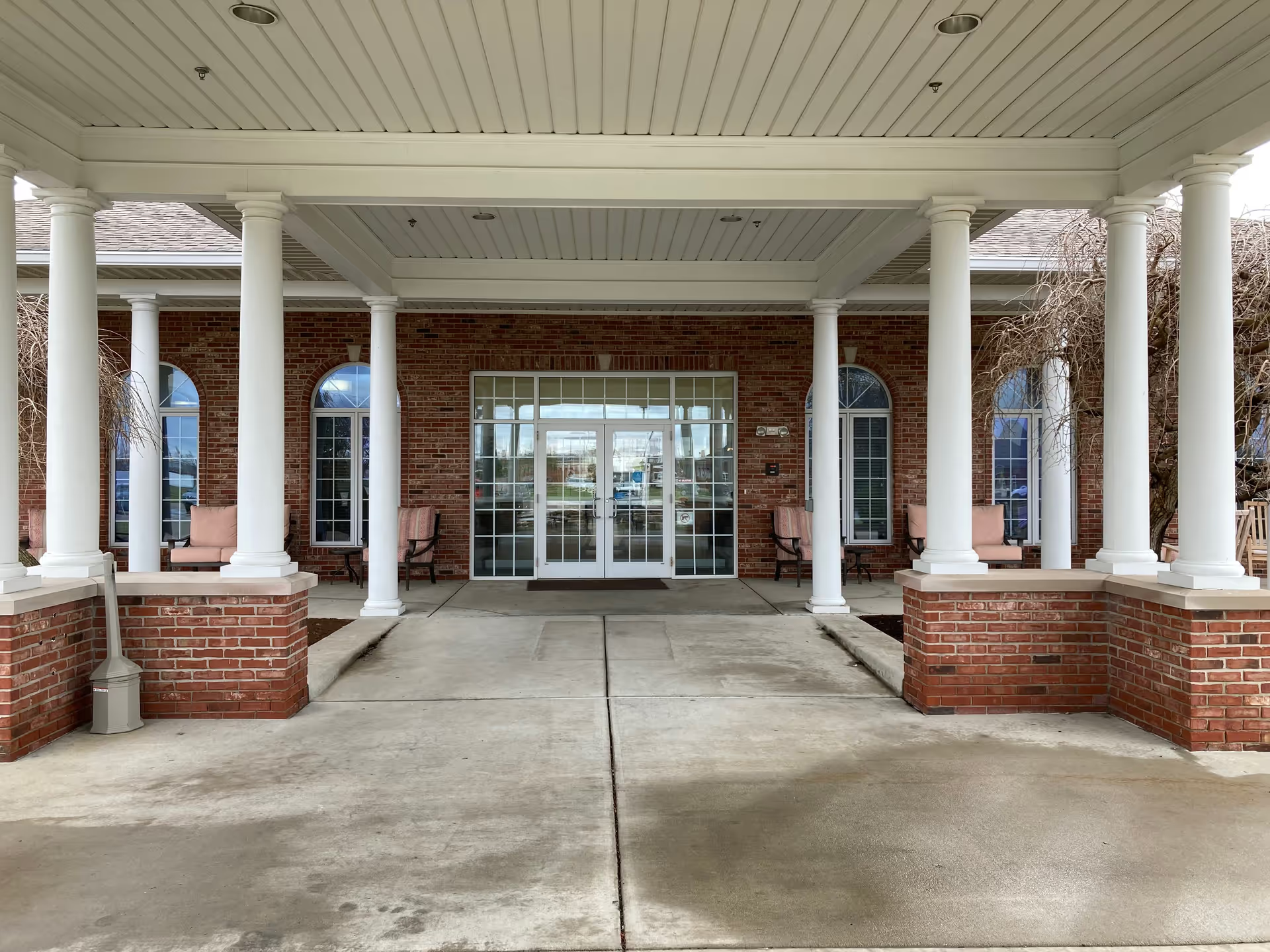
Overall impression: Villas of Holly Brook presents as a new, higher-end assisted living and memory-care community with strong emphasis on amenities and apartment comfort. Reviews highlight spacious private units with living rooms, kitchenettes and ample storage, plus a range of on-site conveniences (dining rooms, bar area, salon, fitness and therapy spaces). Many families and residents describe a positive initial move-in experience and steady social engagement once settled.
Care and staff: The facility's staff are frequently characterized as friendly, compassionate and engaged; examples include staff going beyond routine duties and activity staff who foster social connections. Several accounts describe staff support during transition and continuing personal attention (for instance, staff attendance at a resident’s funeral was cited as an example of individualized support). However, there are repeated concerns about inconsistent nursing responsiveness and variability in how clinical needs are assessed and managed. Some families experienced difficulty obtaining stronger post-acute rehabilitation support, and others felt assessment outcomes did not always align the resident with the appropriate level of memory-specific care.
Dining and activities: Dining receives positive mention, with an on-site chef and menu described as fresh and restaurant-style. Meals are included under the all-inclusive model for many apartment types. The activity program is active and varied — scheduled indoor and outdoor programming, bingo and opportunities for socialization are emphasized. Pandemic-era infection-control practices have limited some communal gathering (distanced seating, restrictions on assembling in rooms), which has affected how group activities are delivered.
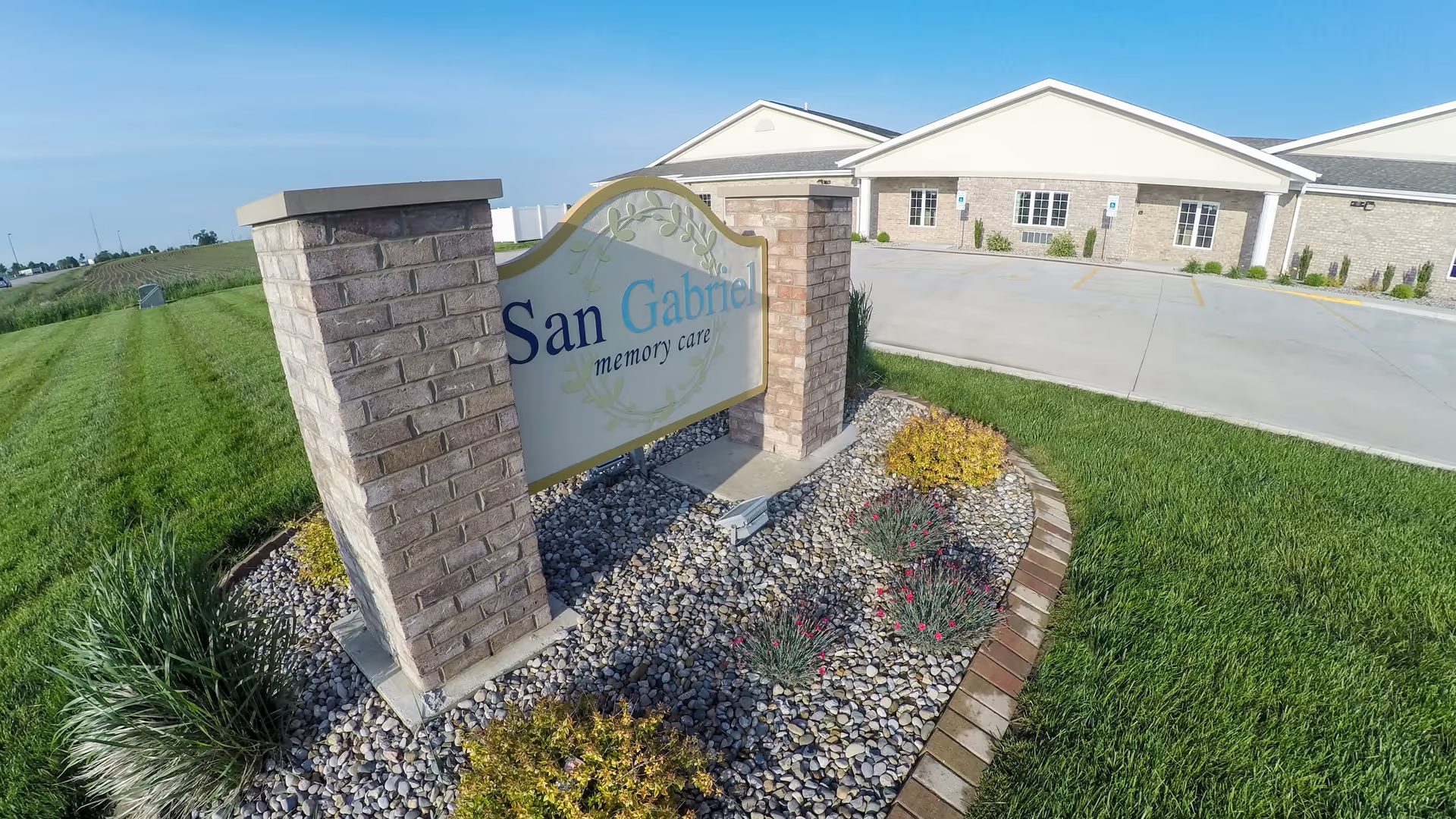
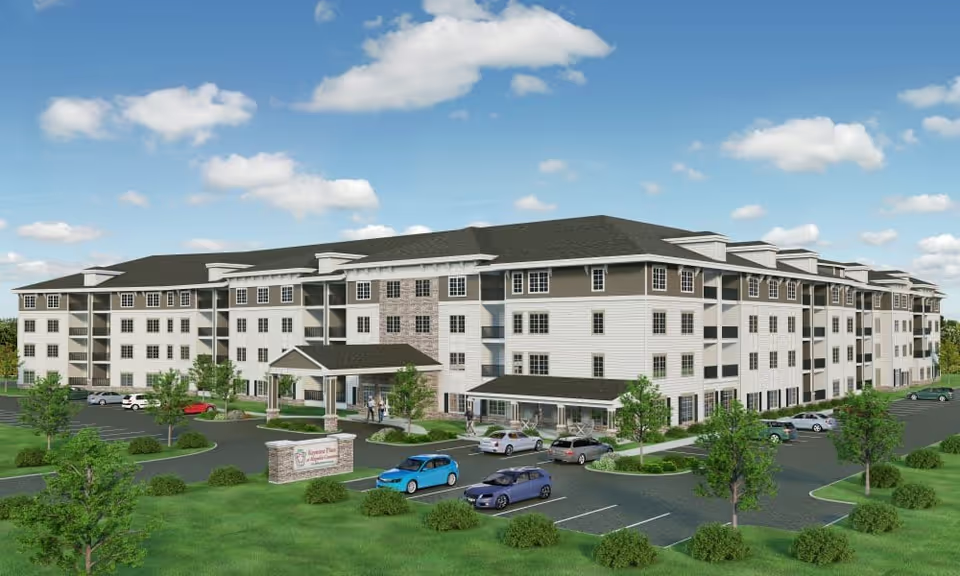
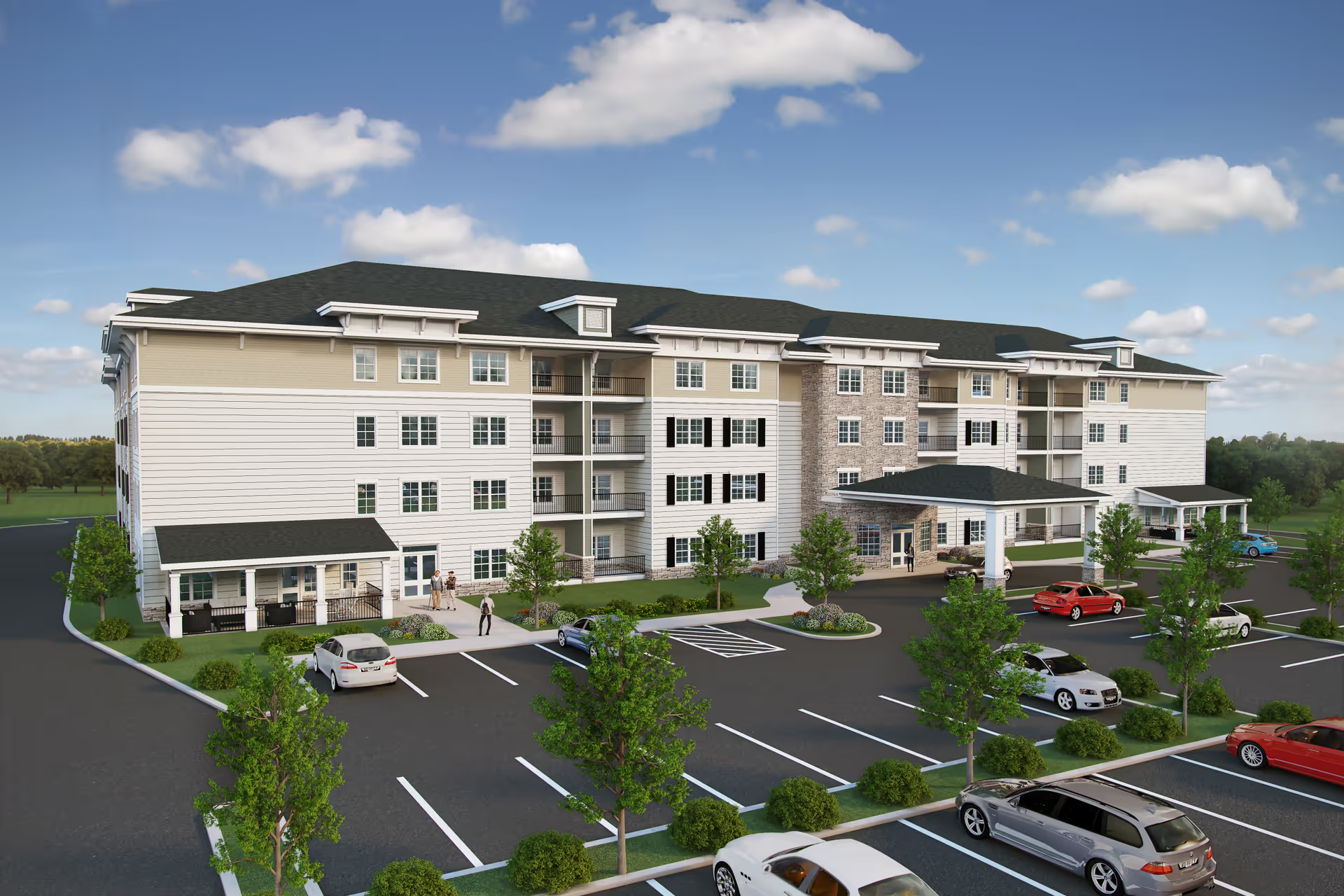
Facilities and management patterns: The building and grounds are consistently viewed as well maintained and modern, with outdoor patios and secured memory-care areas. That secured design supports safety but has been described as restrictive by some, particularly with respect to resident access and social interaction. Cost and value perceptions vary: while some families find the all-inclusive approach affordable, others perceive the community as expensive relative to the level of clinical rehabilitation or dementia-specialized care they expected. Operationally, reviewers point to occasional gaps in intake assessment and communication during care transitions; these appear to be the main drivers of dissatisfaction when they occur.
What to watch for: Prospective residents and families should weigh the strong amenity package, apartment quality and active social programming against the reported variability in clinical staffing responsiveness and rehabilitation capacity. For someone whose primary need is robust post-acute rehab or advanced memory-care clinical services, it may be helpful to request detailed, written care-plan examples, staffing ratios, and therapy-program outlines during a tour. For those prioritizing living environment, meals and social engagement, the community’s newer physical plant and active programming are clear strengths.