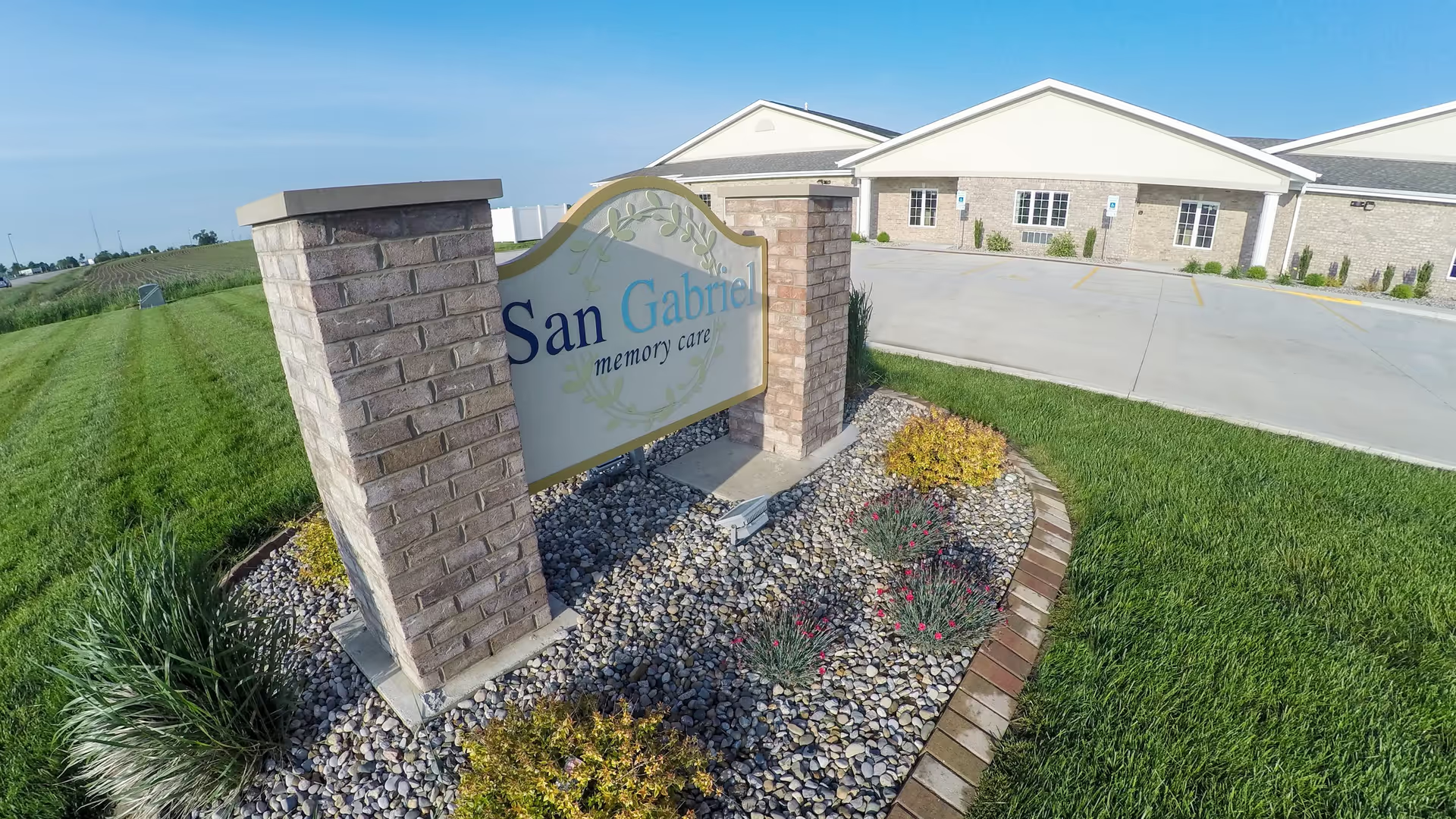
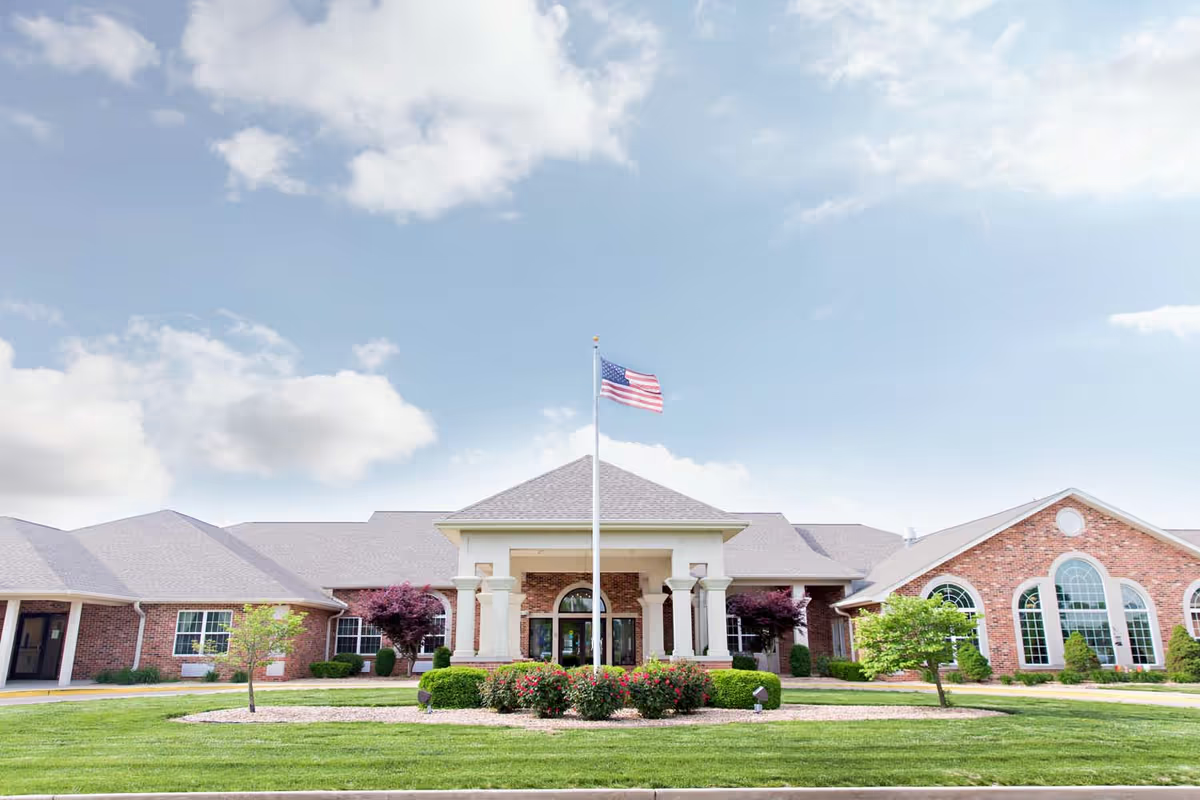
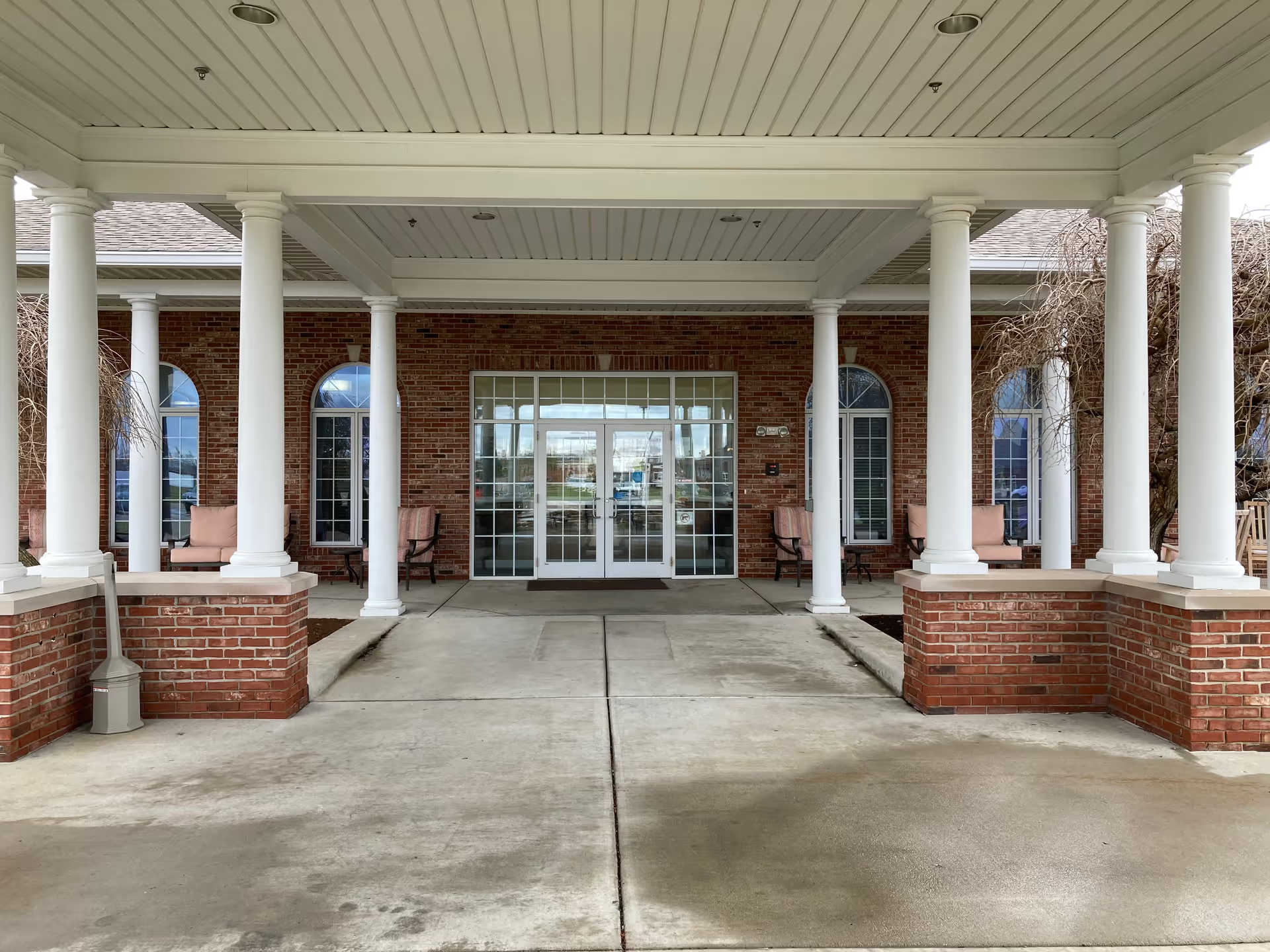
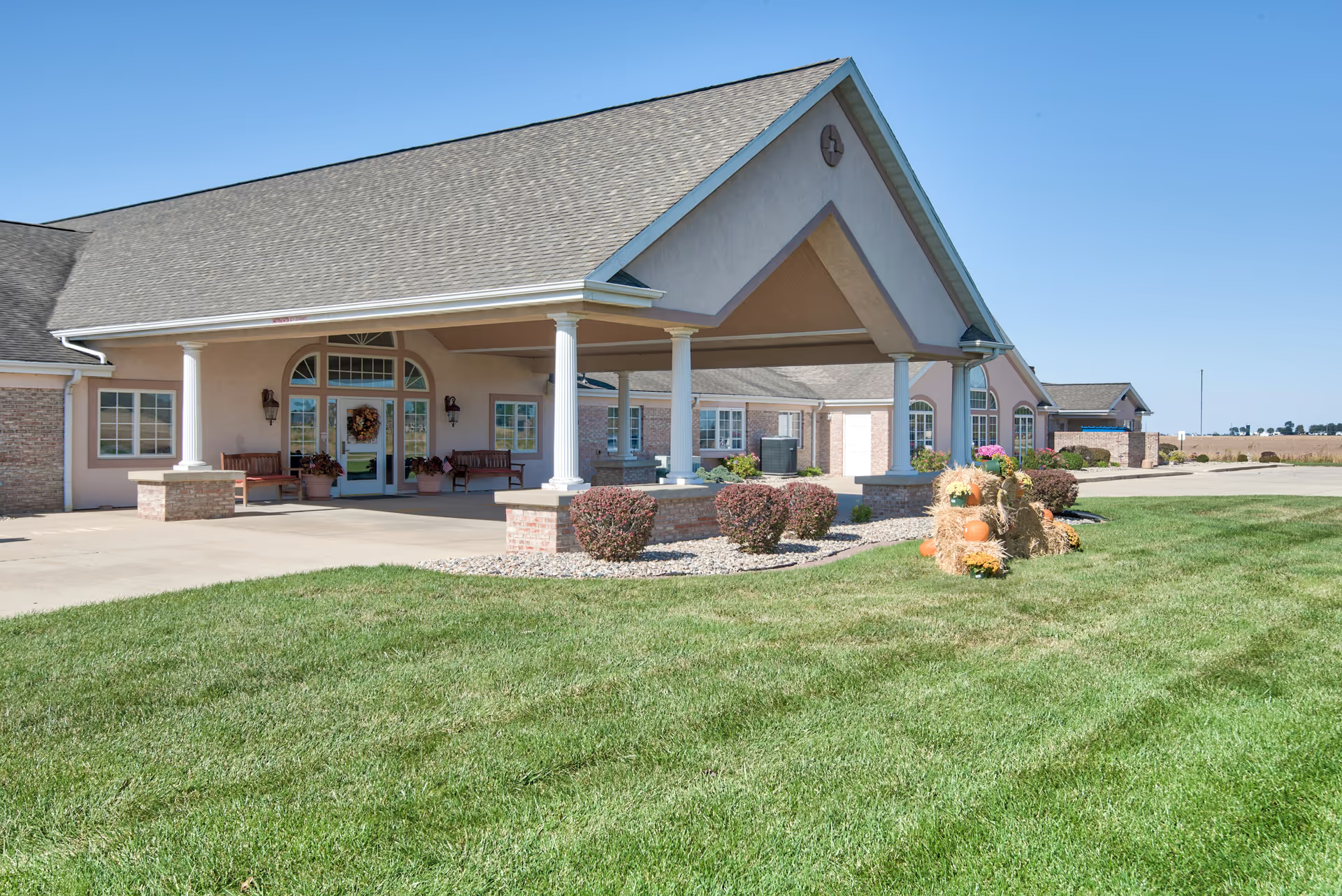
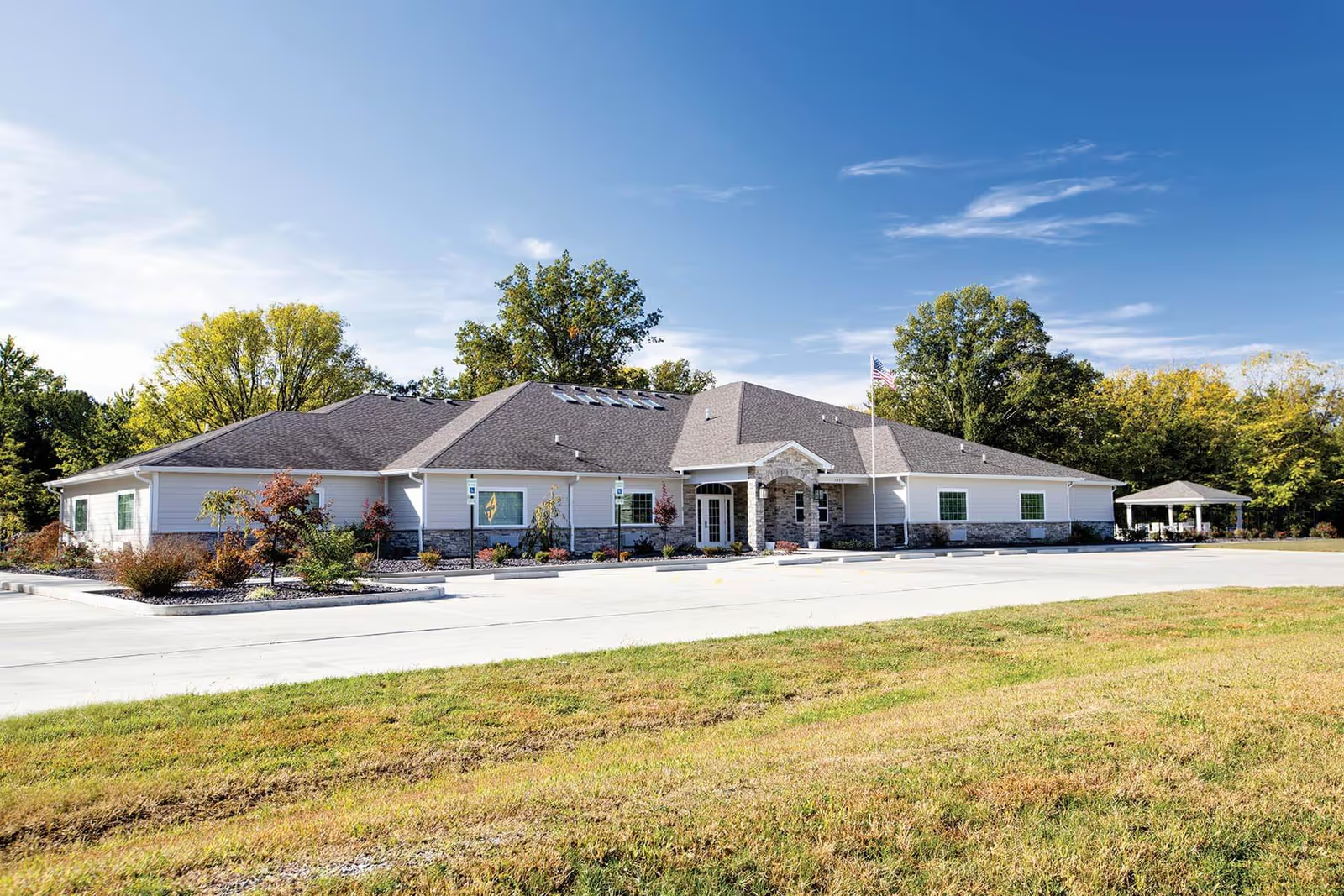
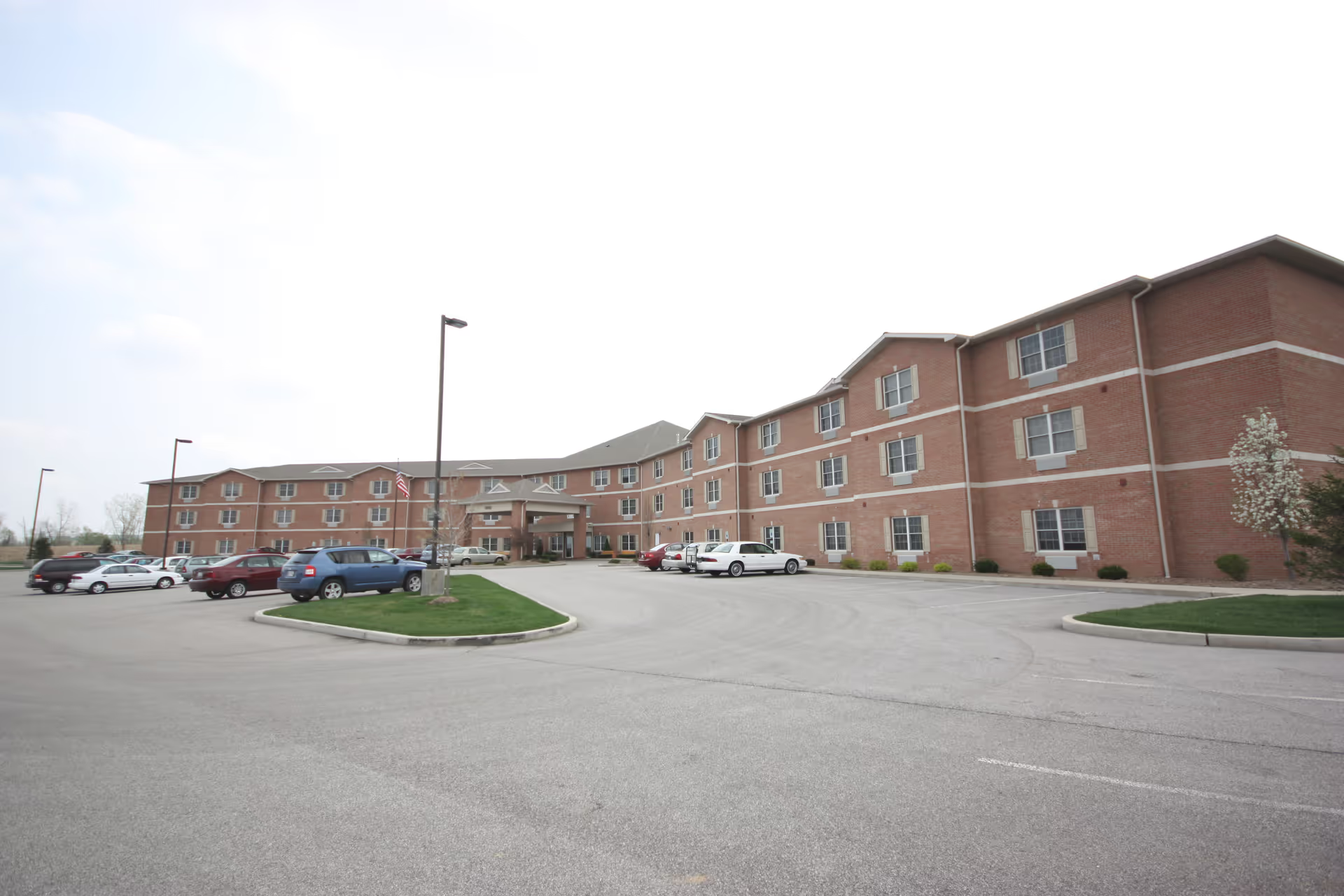
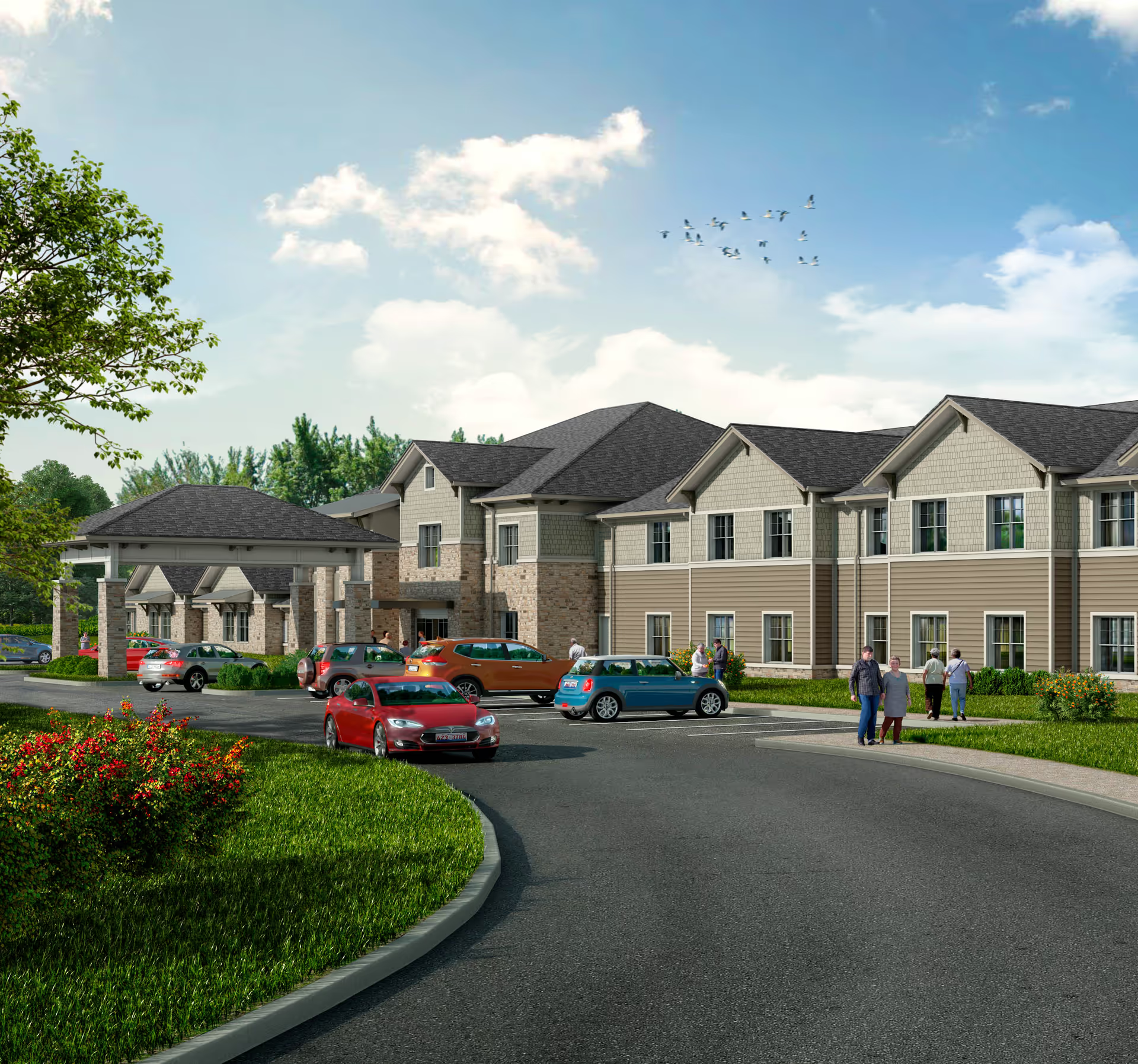
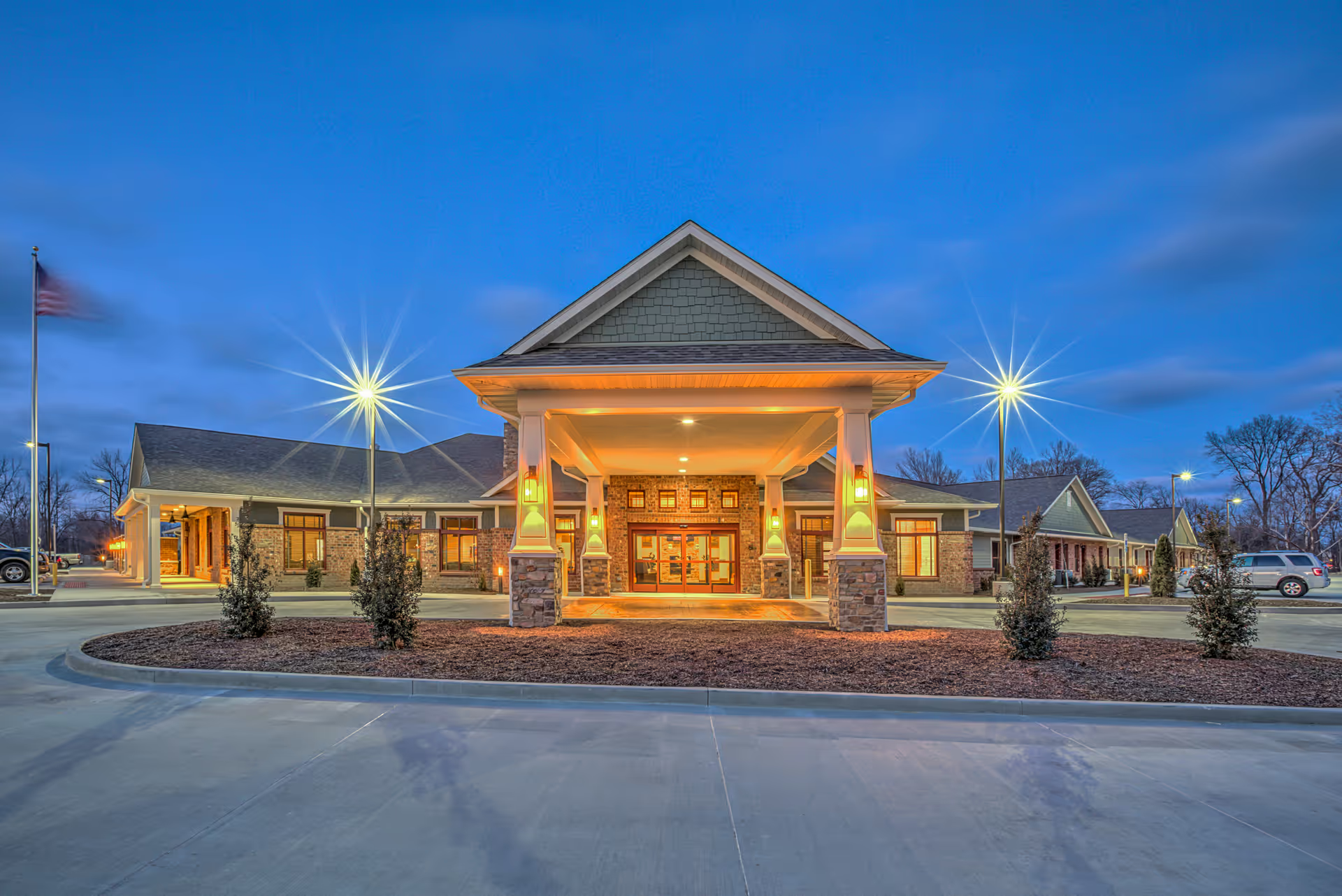
Overall impression: Cedarhurst Senior Living of Highland attracts consistently positive feedback for its caring staff, active programing, and well-maintained physical campus. Many reviewers describe a welcoming, family-like atmosphere, frequent social and educational events, and responsive frontline employees who create a supportive day-to-day environment. The facility's common spaces — activity room, dining hall, courtyard, circular hallways and recent remodels/gardens — are frequently described as clean and inviting, and maintenance staff receive repeated praise for responsiveness.
Care and staff: The caregiving team is the facility's strongest recurring theme. Reviewers commonly highlight compassionate, attentive caregivers, helpful nurses, and office staff (many named) who communicate with families and provide reassurance. Staff are credited with preserving resident dignity, facilitating family involvement, and delivering personalized attention. However, a notable operational concern is the memory-care level of service: reviewers indicate the facility lacks on-site skilled nursing for memory care and that staffing levels in the memory unit can be low. These points suggest that residents with higher clinical needs may require a different care setting or additional oversight from families.
Dining and sanitation: Dining receives both strong praise and substantive concerns. Several reviews commend the kitchen team and specific staff for accommodating meals and community events. At the same time, there are repeated complaints about food handling, storage, and inconsistent meal quality. Separate sanitation-related concerns include incontinence-care delays and unsafe waste-handling practices that raise questions about infection-control consistency and kitchen hygiene. These represent facility-level process issues rather than isolated menu preferences and warrant direct inquiry during tours.
Activities and services: The activity program is a clear strength: a creative activity director, varied daily programming, holiday and family events, pet/puppy visits, and regular off-campus trips and transportation for appointments contribute to resident engagement. Onsite therapy services and sponsored community partnerships add therapeutic and social value. The memory-care unit is small (few rooms), which can be either a benefit for those seeking a small-group setting or a limitation for families needing broader memory-care capacity.
Management and operations: Many families report positive, prompt interactions with administrative staff and effective communication. At the same time, reviewers describe inconsistent follow-through on certain operational matters (for example, requirements to supply specific equipment such as hospital beds and variability in housekeeping). A subset of reviewers raised serious concerns about infection control and responsiveness to care incidents; these indicate variability in operational controls and complaint resolution. Prospective families should ask management for specifics on staffing ratios (especially in memory care), written clinical scope (what skilled nursing services are and are not provided), infection-control policies, food-safety procedures, and how equipment responsibilities are handled.
Conclusion and recommendations: Cedarhurst Highland appears well suited to residents seeking an active, social assisted-living environment with a compassionate staff and engaging programming. It offers many amenities and strong community involvement. Families considering the facility should verify clinical capability against the resident's needs — particularly for memory-care or higher-level nursing needs — and request documentation on staffing levels, infection-control protocols, housekeeping schedules, and food-safety practices. A careful, targeted tour and direct questions about memory-care staffing and clinical limits will help determine fit for residents with complex medical or continence-care needs.