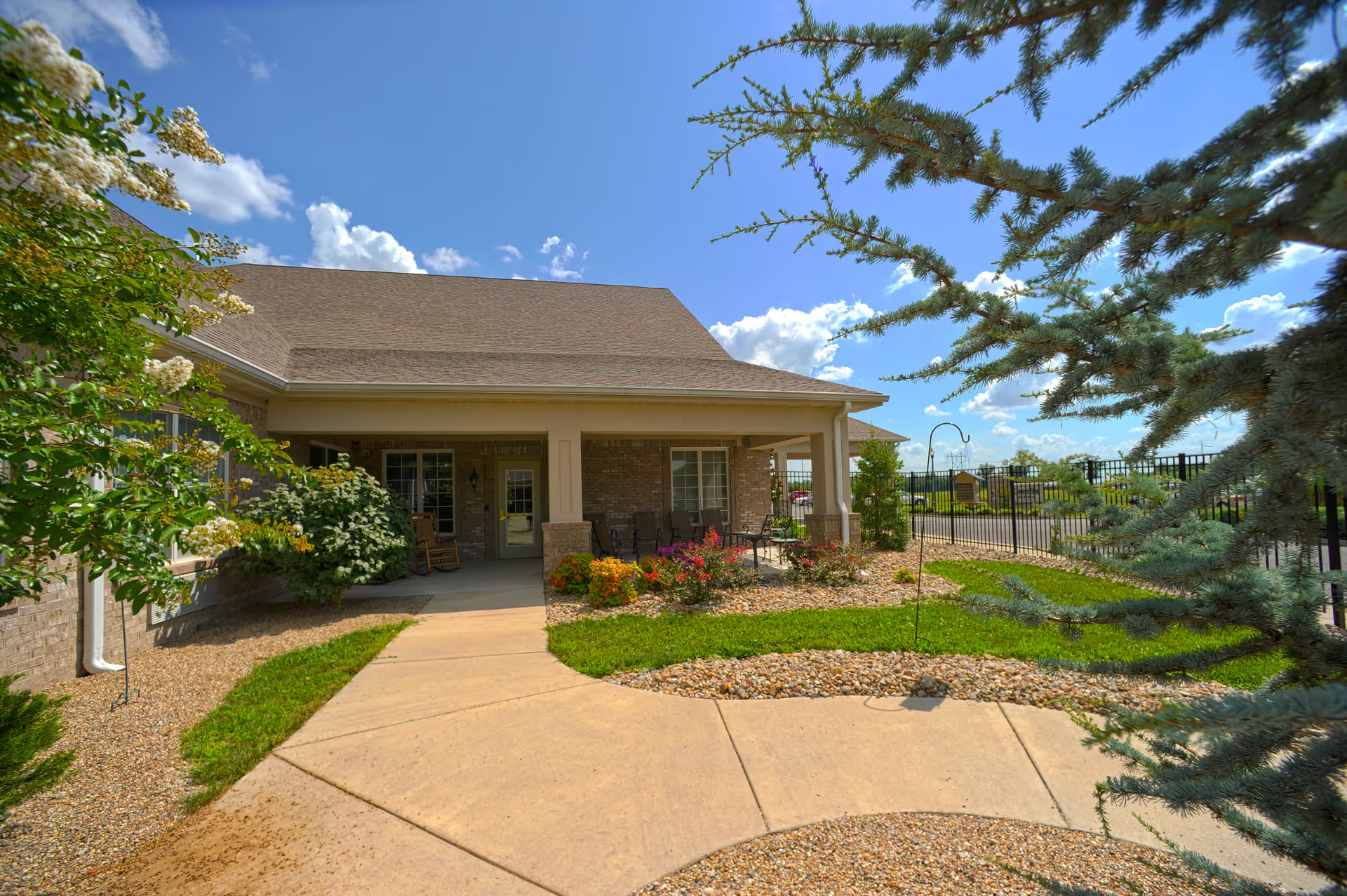
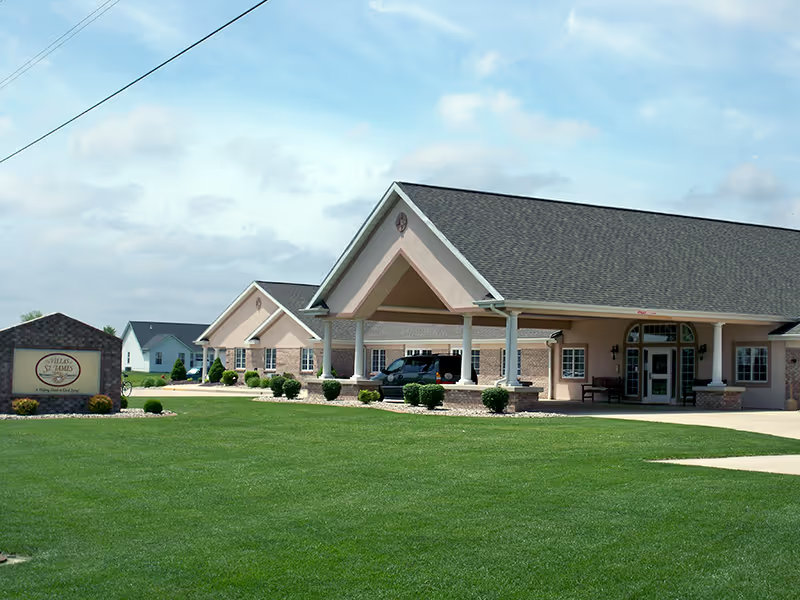
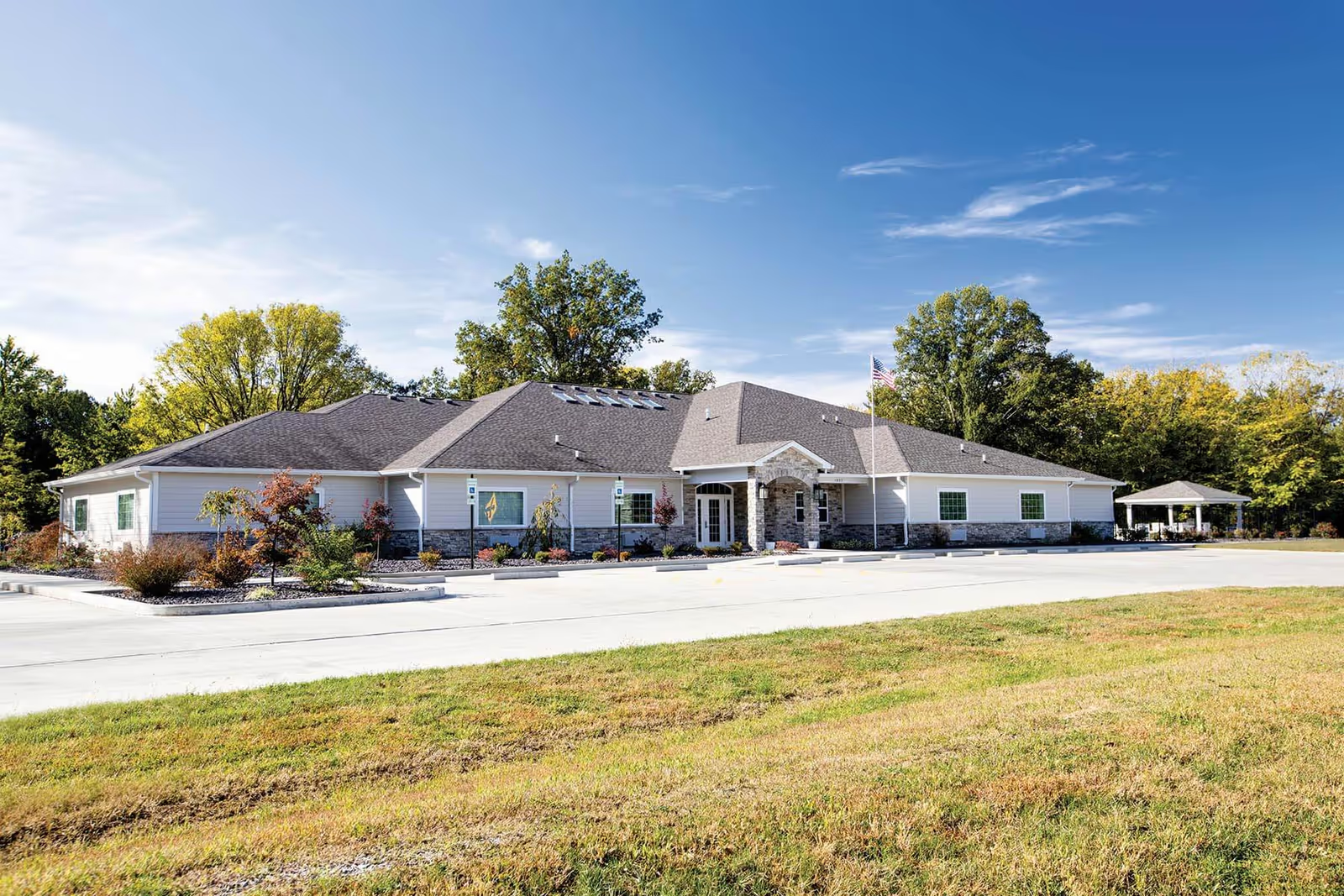
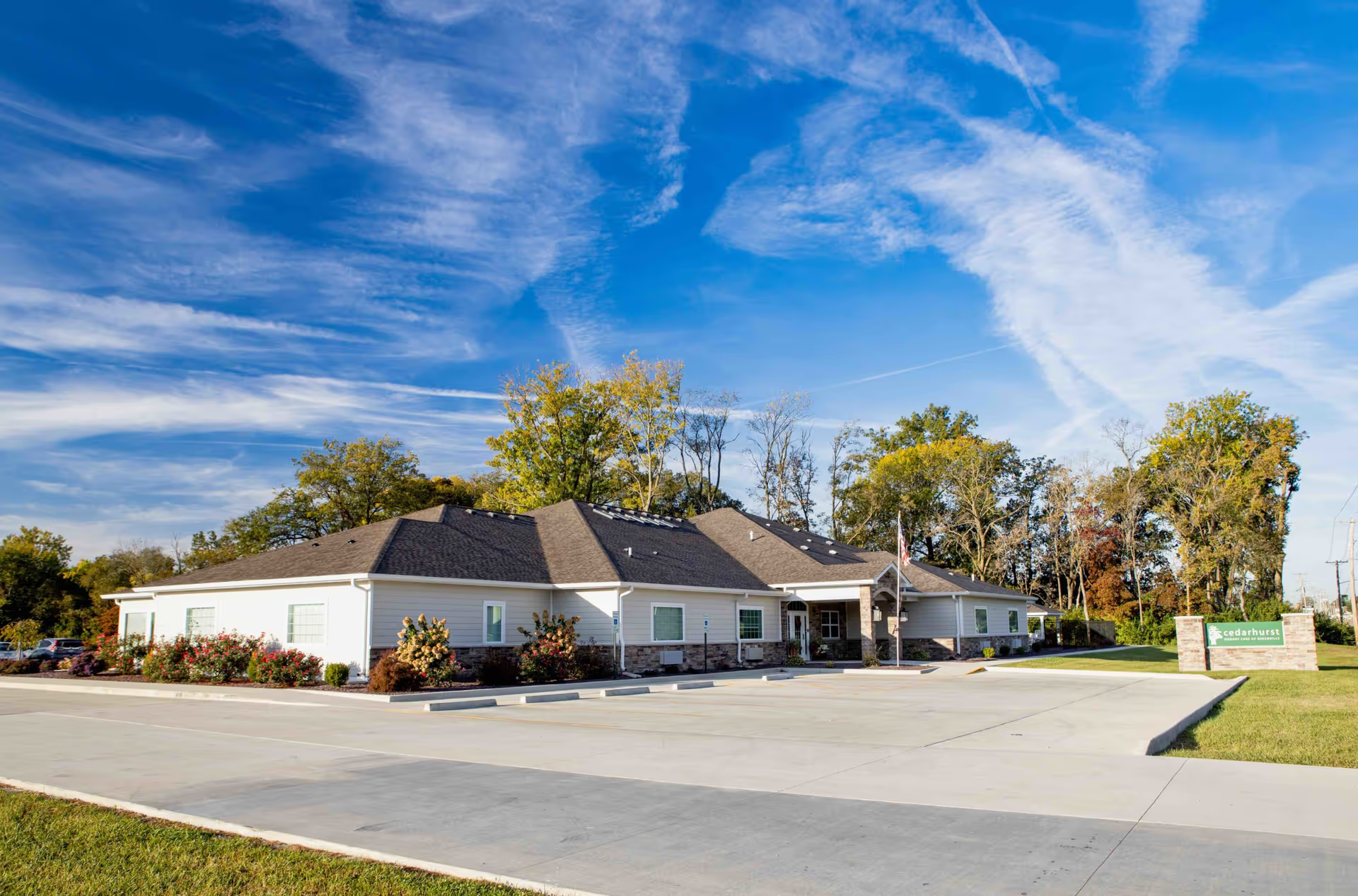
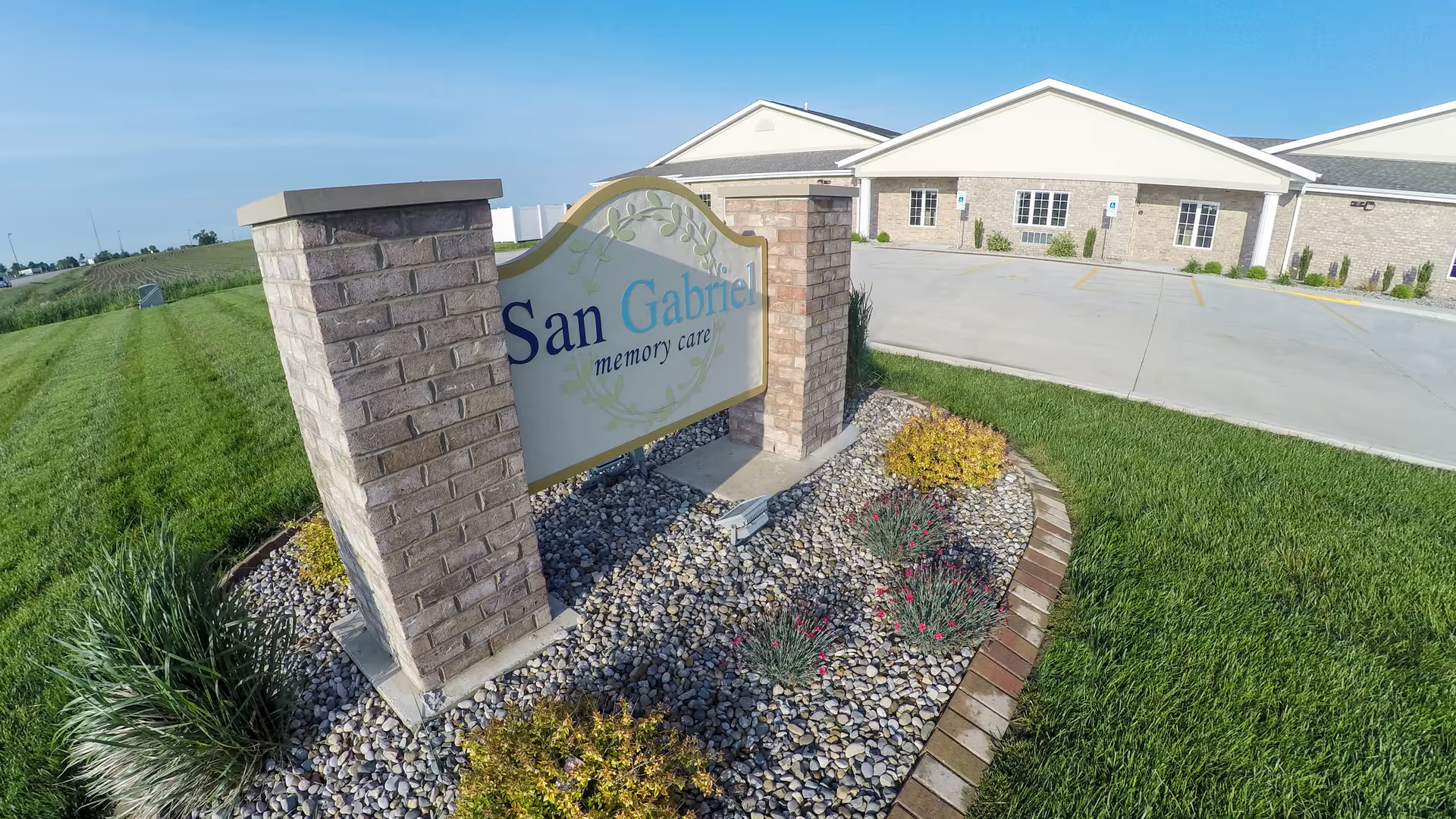
Reviews present a mixed but consistent picture: the facility offers several clear strengths, particularly for memory-care residents, alongside operational weaknesses that families should evaluate closely. Strengths frequently cited include specialization in dementia/Alzheimer's care, private apartment-style rooms with en-suite bathrooms, on-site physical therapy, and a resident-centered, homelike environment. Many families emphasize strong interpersonal connections between staff and residents, a family-like atmosphere, and a small-scale setting that can support closer attention and socialization.
Care and staffing: Care quality impressions vary. Numerous reviewers praise caring, respectful caregivers who provide attentive support and meaningful personal attention; several highlighted staff members and an administrator by name as responsive. At the same time, a recurring operational concern is staff turnover and inconsistent staffing levels. That pattern is associated with inconsistent personal-care delivery (including bathing schedules) and concerns about incontinence care and skin integrity. There are also reports of lapses in resident supervision, which prospective families should clarify with the facility during a tour and care-plan discussion.
Dining and activities: The dining program is generally seen as a strength — meals are described as nutritious, varied, and in some cases improved over time. Social opportunities and communal engagement are positive features for many residents; artwork and resident-centered common spaces contribute to a homelike feeling. However, activity programming is described as uneven: while some reviewers describe an engaged, active environment with an involved activities director, others characterize the schedule as limited or inconsistent, with residents spending long periods passively (for example, watching television) rather than engaged in structured programming.
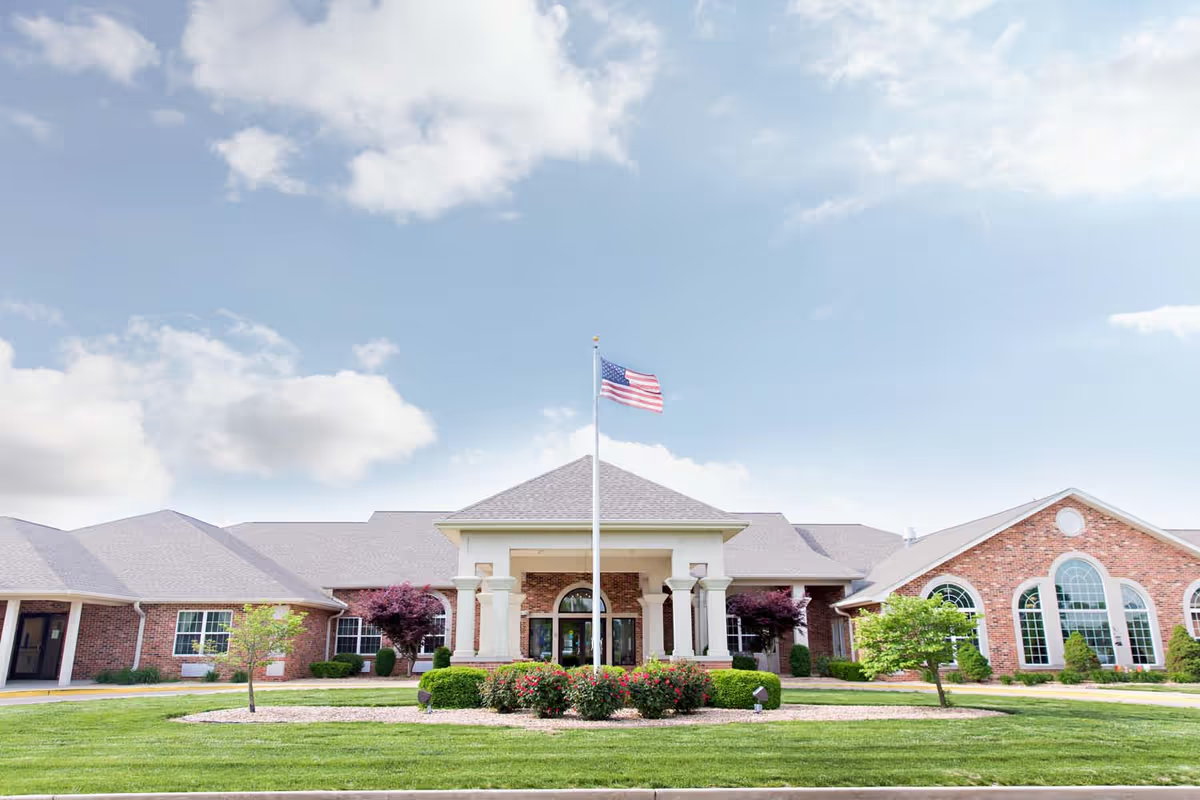
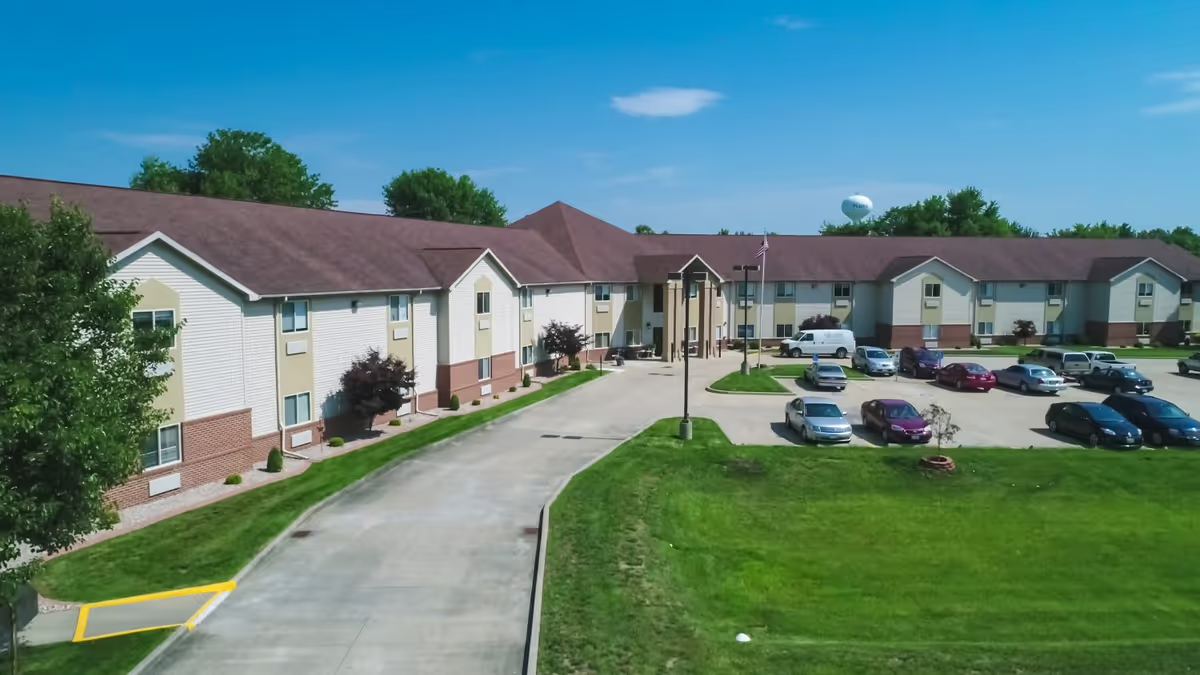
Facilities and sanitation: Physical spaces and design elements are often praised — spacious, pleasant rooms and a comfortable, Touch-of-Home atmosphere are recurring positives. Conversely, there are facility-level sanitation and environmental concerns noted by reviewers, including pest-control and odor issues in some areas and variability in housekeeping effectiveness. Prospective families should ask for recent inspection or maintenance records and inquire about housekeeping and pest-control routines during an on-site visit.
Management and operations: Management stability and communication are the most polarized areas in the reviews. Several families report responsive, professional administration and timely communication; others describe leadership turnover, delayed phone responses, inconsistent follow-through on family meetings, and billing or reimbursement frustrations. These operational inconsistencies appear to correlate with staff morale and workplace-condition comments. Given this variability, families should request specifics about leadership tenure, staff turnover rates, staffing ratios, and written policies for family communication and billing.
Notable patterns and decision guidance: The facility shows meaningful strengths for memory-care residents — specialized services, therapeutic offerings, and a homelike atmosphere — and many families are highly satisfied. At the same time, persistent themes around staffing continuity, personal-care consistency, housekeeping reliability, and management stability introduce measurable risk. For prospective residents and families, recommended next steps are: schedule multiple visits at different times of day, meet the care team and activities staff, review staffing ratios and turnover data, ask for recent housekeeping and pest-control logs, and obtain clear, written billing and communication policies. These targeted inquiries will help determine whether the facility’s strong relational culture and clinical offerings align with your expectations for operational reliability and consistency.