Prairie Manor presents a mixed profile: many reviews praise direct caregivers, therapy staff and certain aspects of clinical leadership, while others describe persistent operational weaknesses that affect safety, communication and daily living. The facility appears to provide effective rehabilitation services and individualized therapy in many cases; multiple accounts highlight professional physical-therapy staff and successful short-term rehab outcomes. Several families also noted accessible leadership, including an administrator and medical providers who will engage directly when approached.
Care quality shows a split pattern. Positive accounts emphasize compassionate, attentive direct-care staff and consistent personal assistance. At the same time, recurring concerns describe long nurse-response times, delays in attending to resident needs, and instances of inadequate supervision. These patterns are linked in reviews to chronic understaffing and staff turnover, which reviewers attribute to morale and management issues. There are repeated mentions of problematic staff conduct and inconsistent bedside communication tone, which can compound family distress during transitions or clinical events.
Dining and activities are similarly mixed. The facility runs an activity program with posted schedules and a small, community-oriented calendar; several reviewers found activities engaging. Meals are described as serviceable with adaptability for texture-modified diets such as purees, though other accounts describe widely variable meal quality and palatability. Smaller communal spaces and a compact facility footprint mean fewer amenities than larger centers, which some families accepted given the location and scale.
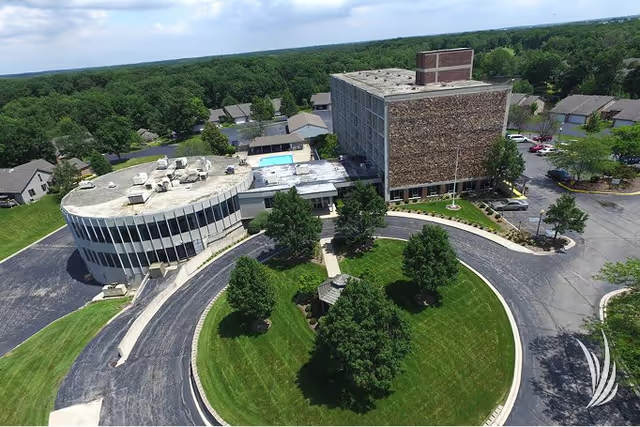
Facilities and housekeeping reflect an aging building with maintenance limitations. Positive remarks note generally clean rooms and attentive cleaning in some units. Conversely, reviewers raised sanitation and odor-control inconsistencies in common areas and bathrooms, delayed supply of towels and gowns, and laundry management problems (lost or unreturned clothing). The physical plant is described as dated—furniture and fabric chairs that are difficult to sanitize—and reviewers expressed concern about how that affects infection control and resident comfort.
Management and operational patterns are a key area of concern. Several reviewers characterize administrative priorities as financially focused and describe inconsistent follow-through on complaints. Specific operational gaps include discharge paperwork problems, unclear family communication and follow-up, medication-supply interruptions, and intermittent utility or maintenance failures (for example, hot-water outages). Security and supervision practices were questioned in relation to a push-button system and a visitor access issue; reviewers framed these as risks to resident safety. There are also serious, individual allegations about medication administration and emergency-response escalation; those items warrant careful scrutiny by prospective families.
Notable patterns for prospective residents and families: the facility can deliver good rehabilitation and has many caring staff members, but those strengths coexist with systemic weaknesses—most prominently staffing shortfalls, communication breakdowns, and aging infrastructure. When considering Prairie Manor, families should balance positive reports about therapy outcomes and compassionate caregivers against documented operational concerns that have safety and quality implications. Suggested topics for further inquiry during a tour include current staffing levels and turnover, emergency escalation protocols, laundry and linen processes, medication-supply controls, sanitation practices, and examples of how leadership has addressed previous complaints.