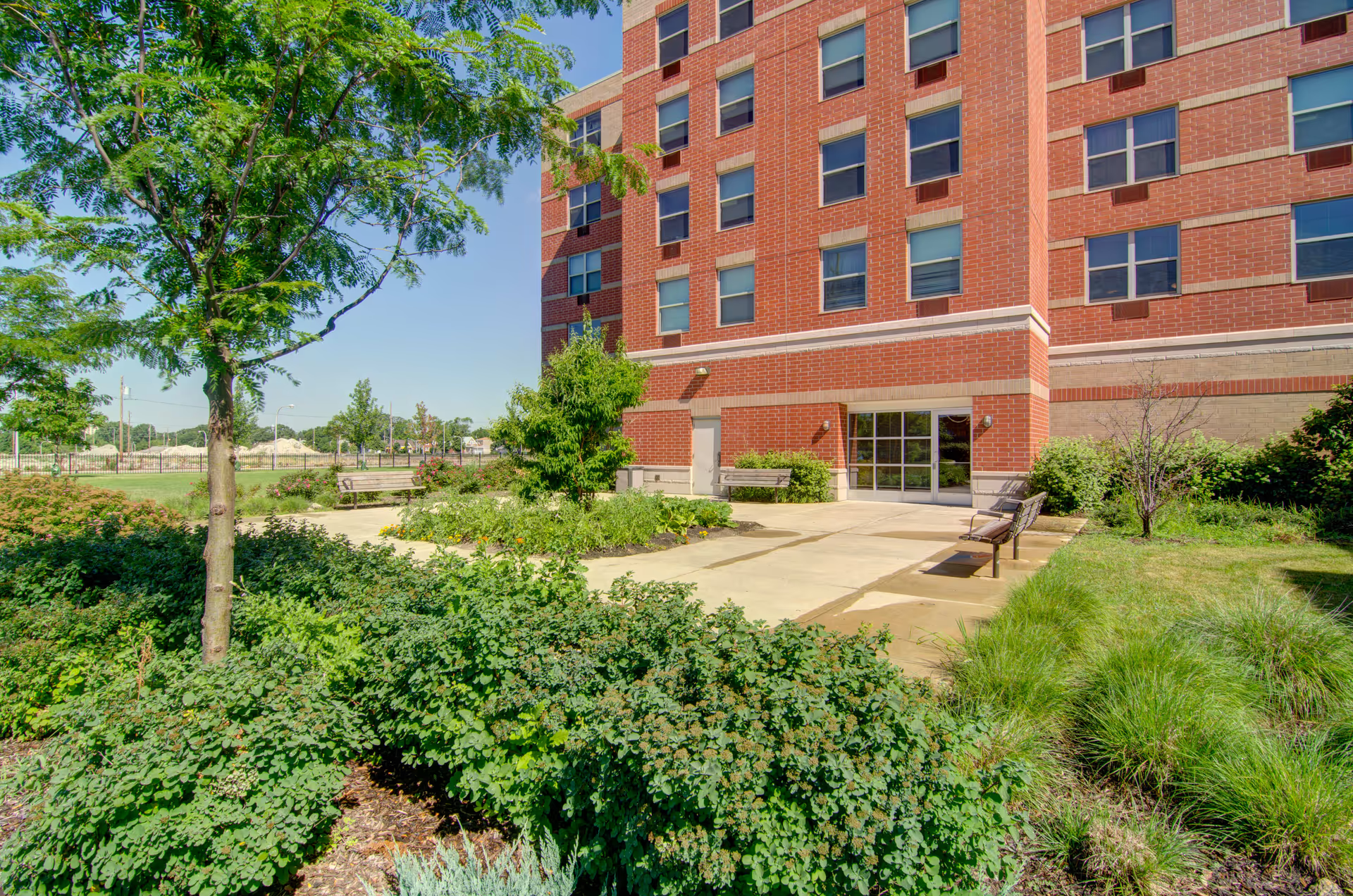
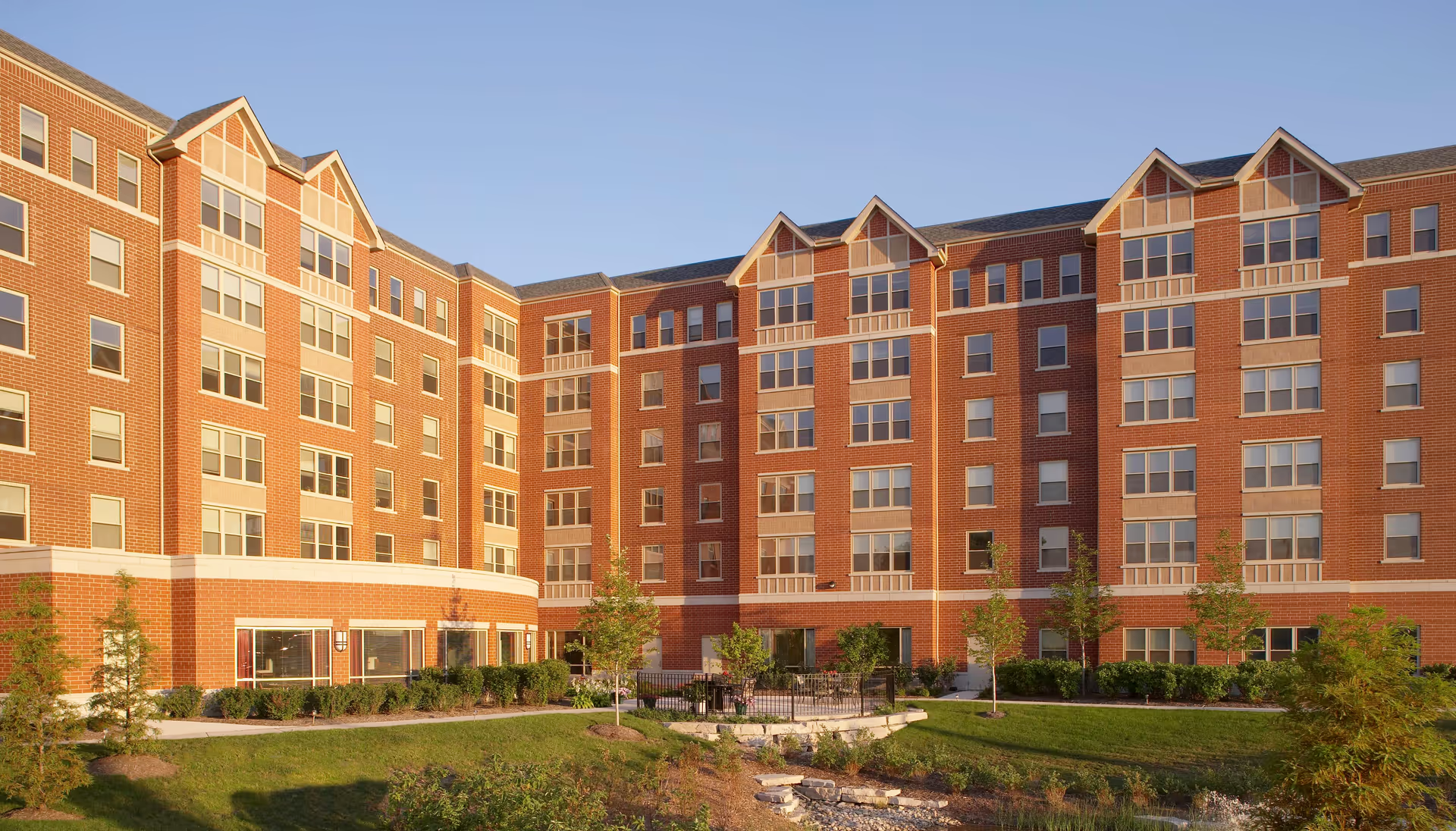
These reviews present a polarized picture: there are multiple accounts of high-quality, compassionate care and effective rehabilitation alongside numerous operational concerns that have affected families' confidence. Positive experiences highlight dedicated nurses, CNAs, and therapists who achieved quick functional improvements, successful short-term rehab discharges, and a reassuring, home-like atmosphere. The facility's physical environment, including renovated interiors, private rooms with in-room showers, onsite dialysis, and available personal services (barber, hair care), is frequently described as clean and comfortable. Activities programs and bilingual staff are also noted as strengths that support resident engagement.
Conversely, a substantial cluster of concerns centers on staffing and responsiveness. Reviews point to chronic understaffing, high turnover, and frequent changes in leadership that appear to create long call-response times, delays in attending to personal-care needs (including inconsistent bathing schedules and incontinence care), and uneven medication administration. These operational patterns are associated with family distress and decisions to transfer residents in some cases. Several reviewers also raised issues with care coordination: unclear or missing plans of care, incomplete documentation (including missing monthly physician notes), and constrained therapy intensity when insurance limits apply.
Dining and sanitation are another area of mixed feedback. While some families praise the dining staff and holiday meals, others describe inconsistent meal quality, poor adherence to therapeutic diets (for example, diabetic meal management), slow meal service, and general sanitation and pest-control concerns in parts of the building. These problems, combined with intermittent reports of security and financial issues—including allegations of theft and problematic billing practices—contribute to significant trust concerns for prospective families.
Management and communication receive varied evaluations: some reviewers find administration approachable and responsive, with helpful admissions and front-desk personnel; others describe poor family communication, abrupt social-worker transfers, and unprofessional conduct by individual staff. Clinical-safety gaps were also raised, including limited weekend physician coverage and instances where incident-reporting procedures or off-site outing protocols were perceived as inadequate.
For prospective residents and families: the facility exhibits clear strengths in therapy services, individual staff dedication, facility amenities, and resident engagement programs. At the same time, persistent operational issues—most notably staffing levels and responsiveness, medication and diet-management inconsistencies, sanitation/pest-control concerns, and financial/security complaints—warrant direct inquiry during a tour. Recommended questions include current staffing ratios, call-bell response expectations, medication-administration protocols (including meal coordination for insulin), pest-control and sanitation measures, documentation of care plans and physician oversight, incident-reporting procedures, and billing practices. Observing dining service, speaking with the therapy team about planned intensity under your insurance, and meeting the social-work contacts can help families assess whether the facility's strengths match their needs and whether operational risks have been addressed recently.