Overall impression: Reviews for the facility are sharply polarized, with frequent praise for specific caregiving staff, therapy services, and the location, alongside numerous serious operational concerns. Positive comments emphasize a welcoming reception, accessible leadership, effective short‑term rehabilitation and memory‑care programming, and a pleasant outdoor environment. Conversely, many reviewers describe persistent operational deficits that affect day‑to‑day resident experience and clinical outcomes.
Care quality: Clinical reports range from high satisfaction with individualized therapy and dedicated caregivers to significant concerns about basic care delivery. Several families described delays in attending to residents' personal care needs and inconsistent hygiene assistance, which reviewers associated with skin integrity problems and weight loss in some cases. Wound care and skin‑management practices were identified as uneven; some reviewers praised a wound team, while others reported ongoing problems with dressing management and healing. There are also accounts of inconsistent medication and oxygen handling that warrant direct verification during a tour or care‑plan review.
Staff: Staffing emerged as a central theme. Many reviewers singled out individual CNAs, nurses, and administrators as compassionate, competent, and committed, and long‑tenured staff were noted as a stabilizing factor. At the same time, chronic understaffing, schedule gaps, and variable professionalism were repeatedly cited. Concerns included slow call‑response times, unanswered phone lines, abbreviated shifts, and conduct issues on certain shifts. The result appears to be variability in care depending on time of day and specific staff on duty.
Dining and nutrition: Feedback on dining is mixed. Therapy and rehabilitation goals tied to nutrition were viewed positively in some short‑stay cases. However, other reviewers reported irregular meal patterns, minimal or unbalanced offerings on some days, and food‑handling lapses that raised hygiene and pest‑control concerns. Prospective residents should inquire about meal plans, dietary oversight, and food‑safety protocols.
Activities and clinical programs: The facility receives consistent positive remarks for its therapy programs, short‑term rehab outcomes, and memory‑care services in certain units. Families described meaningful mobility gains and responsive therapy staff. Activity quality appears to vary by unit and resident population, so direct observation of the memory‑care and rehab areas is recommended.
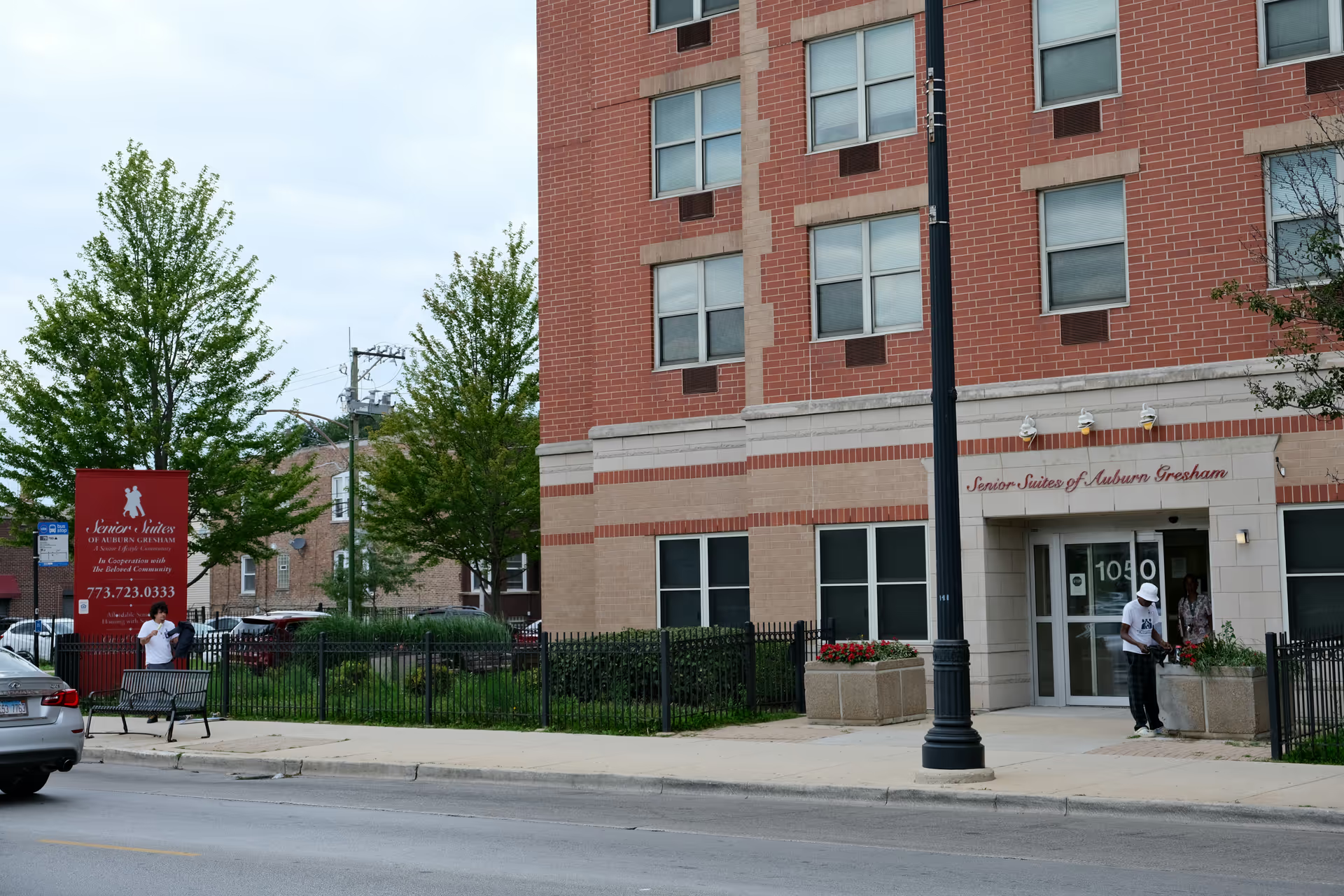
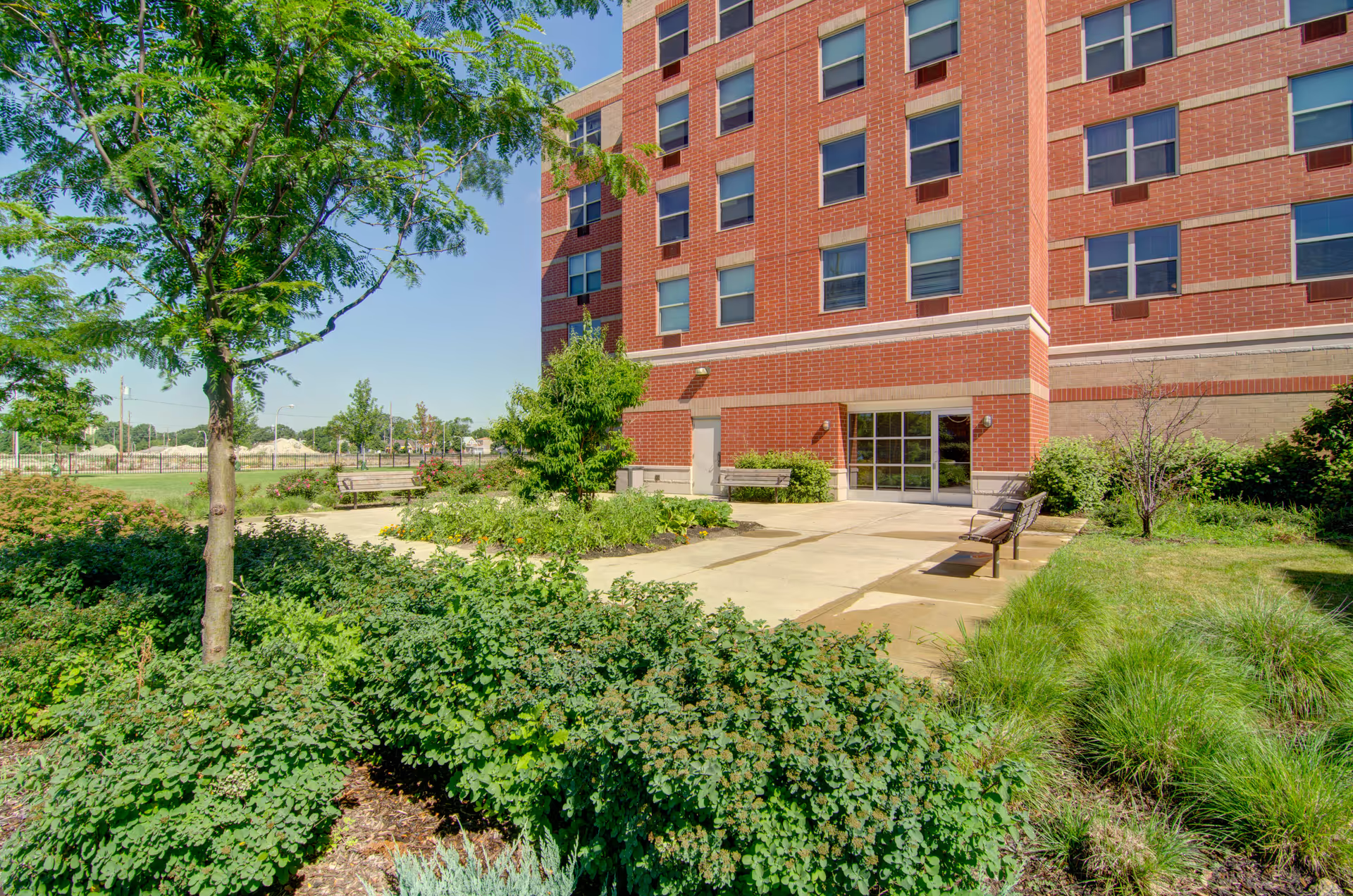
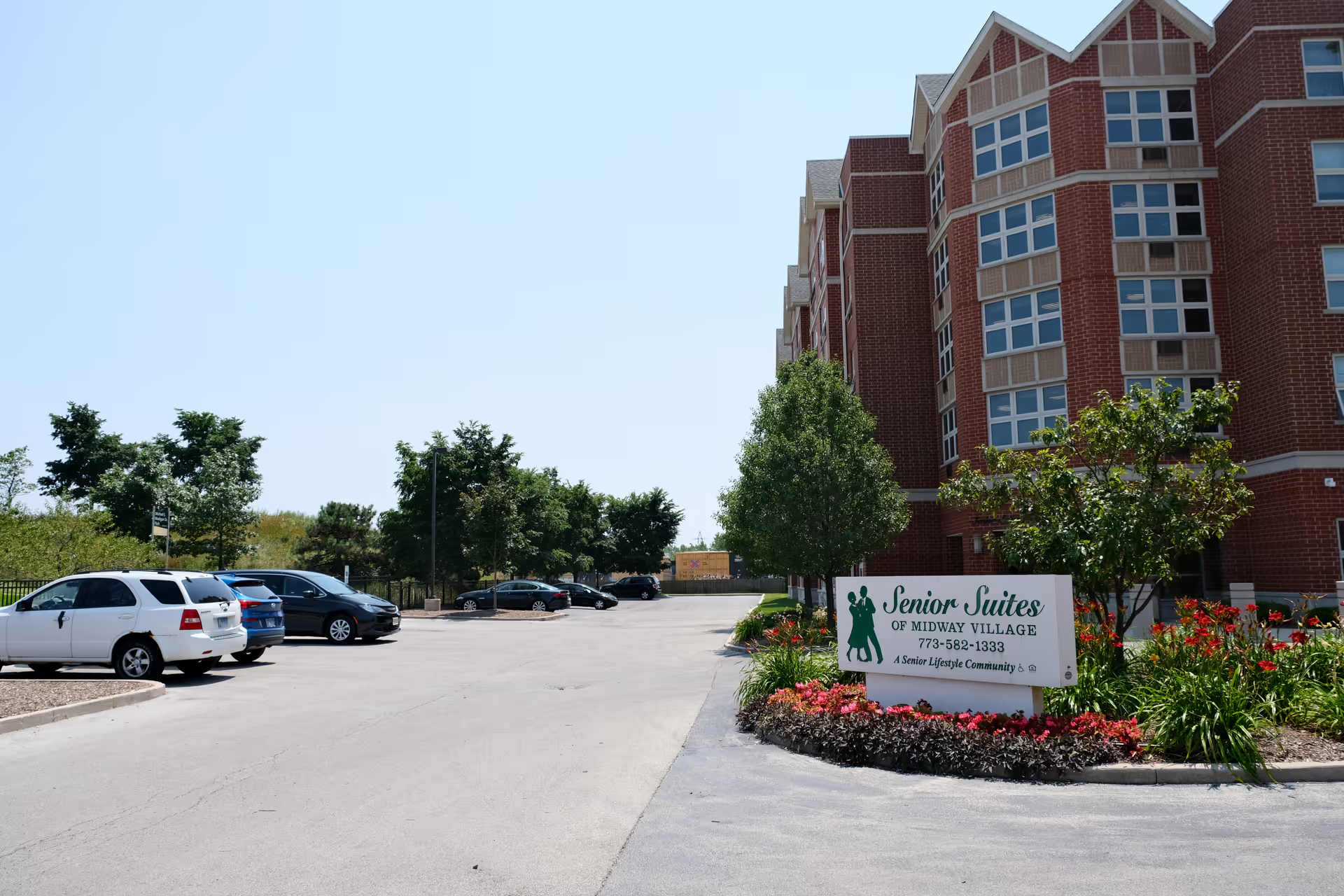
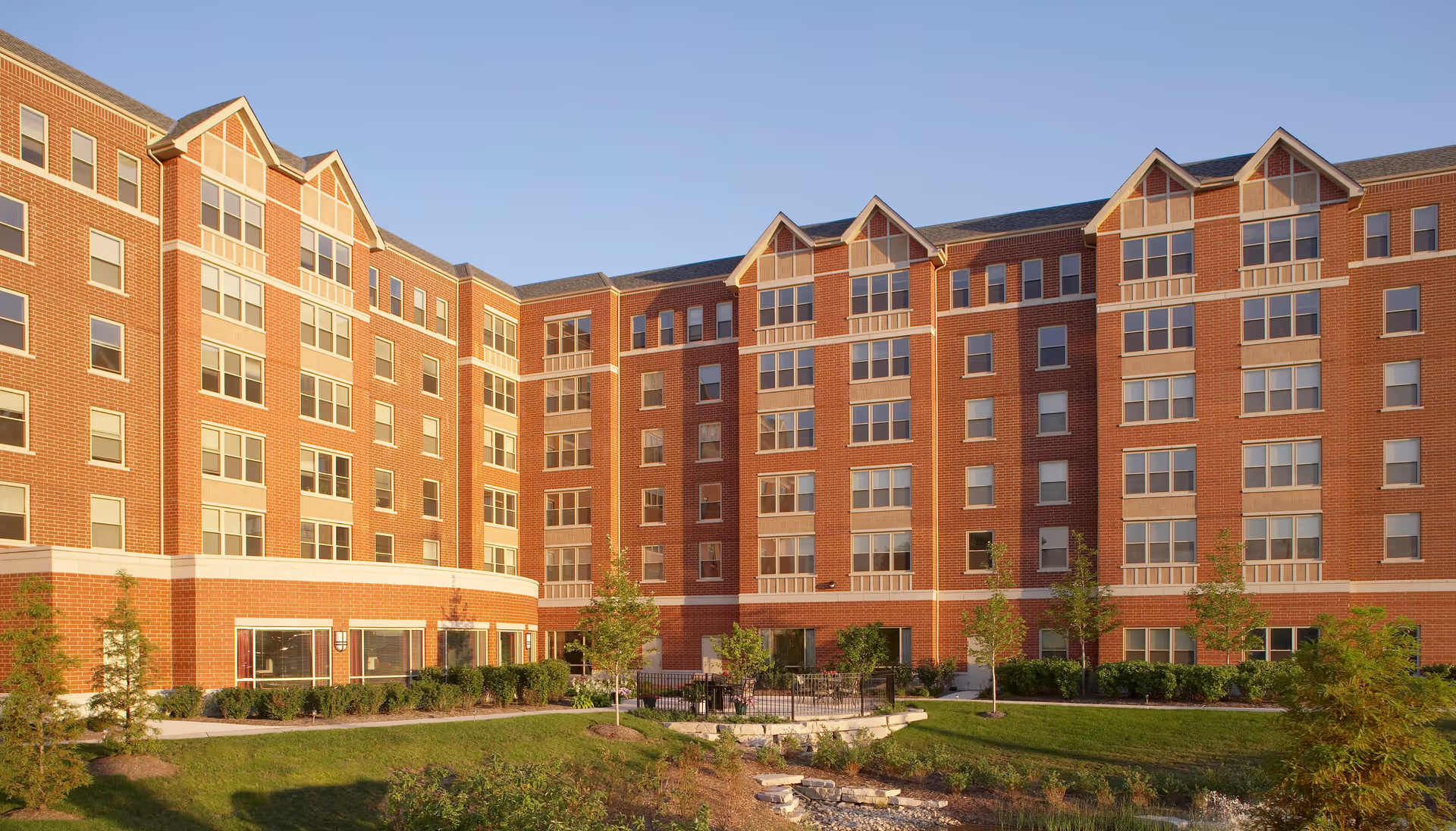
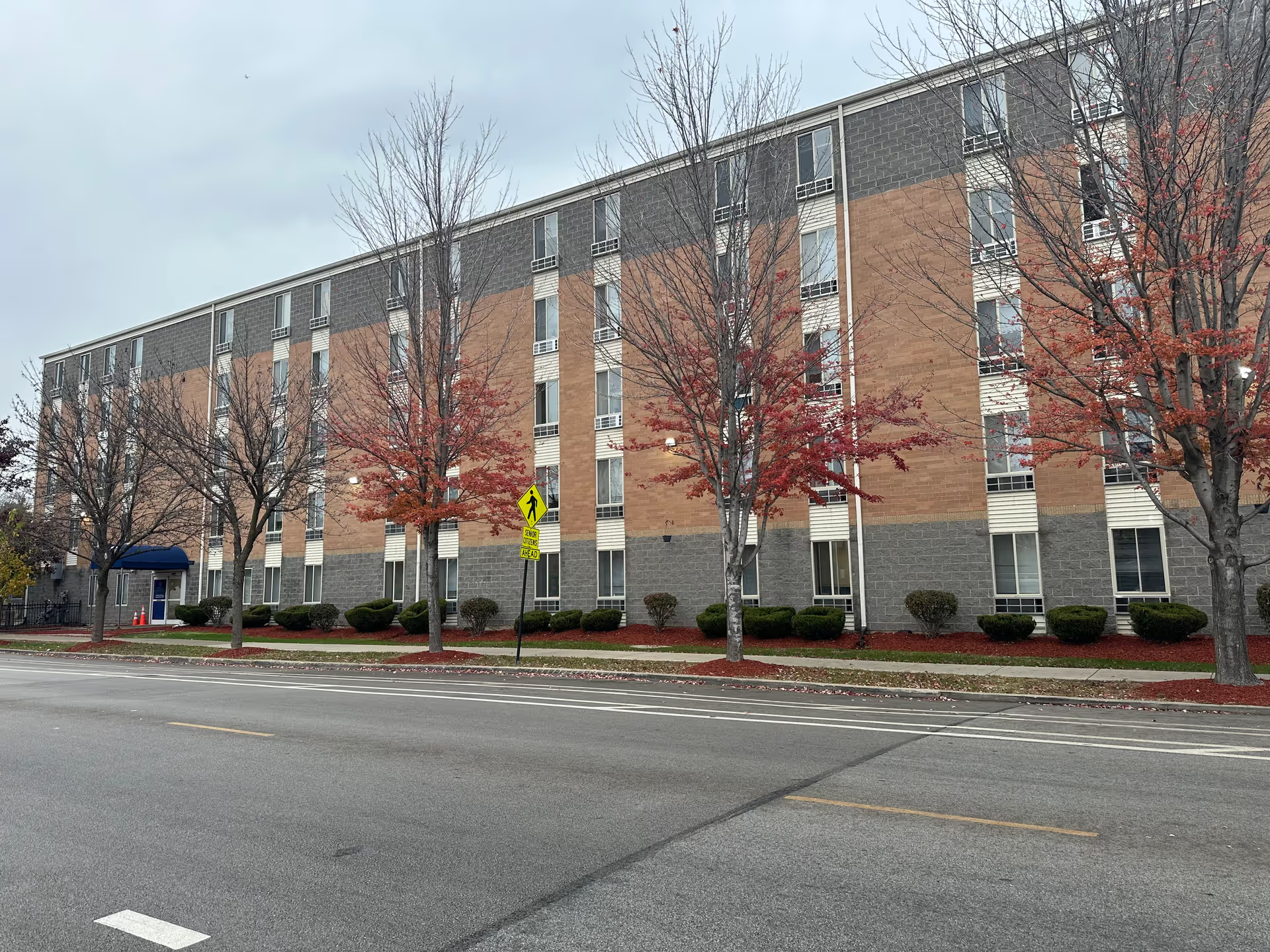
Facilities and environment: The campus location and outdoor areas are widely appreciated. At the facility level, however, reviewers reported maintenance and repair issues (worn furnishings, damaged fixtures, and inconsistent room sizes), sanitation and odor concerns in some areas, and pest‑control problems in certain units. There are also comments about discrepancies between marketing imagery and on‑site conditions, particularly around bathing facilities.
Management and communication: Leadership impressions are mixed. Several families praised an involved administrator and a responsive Director of Nursing; others described slow administrative responsiveness, unanswered calls, and unclear escalation paths. Reviews referenced regulatory inspections and family complaints; there are also serious allegations regarding theft and financial misconduct that families may wish to investigate further through appropriate channels. Communication gaps between staff and families—especially around incident follow‑up, phone access, and care‑plan adherence—were a recurring theme.
Notable patterns and recommendations: The pattern in the reviews suggests significant variability across shifts and units: some residents experience attentive, effective care, while others encounter operational shortfalls that affect hygiene, skin care, nutrition, and comfort. This variability makes in‑person assessment essential. Prospective residents and families should tour during different times of day, ask for recent inspection reports, review staffing ratios and turnover, inquire about wound‑care protocols, observe meal service, and request clarification on phone/call‑light response procedures and pest‑control measures. If there are specific clinical vulnerabilities (skin integrity, advanced respiratory needs, memory impairment), seek detailed, documented care plans and references from current families before making placement decisions.