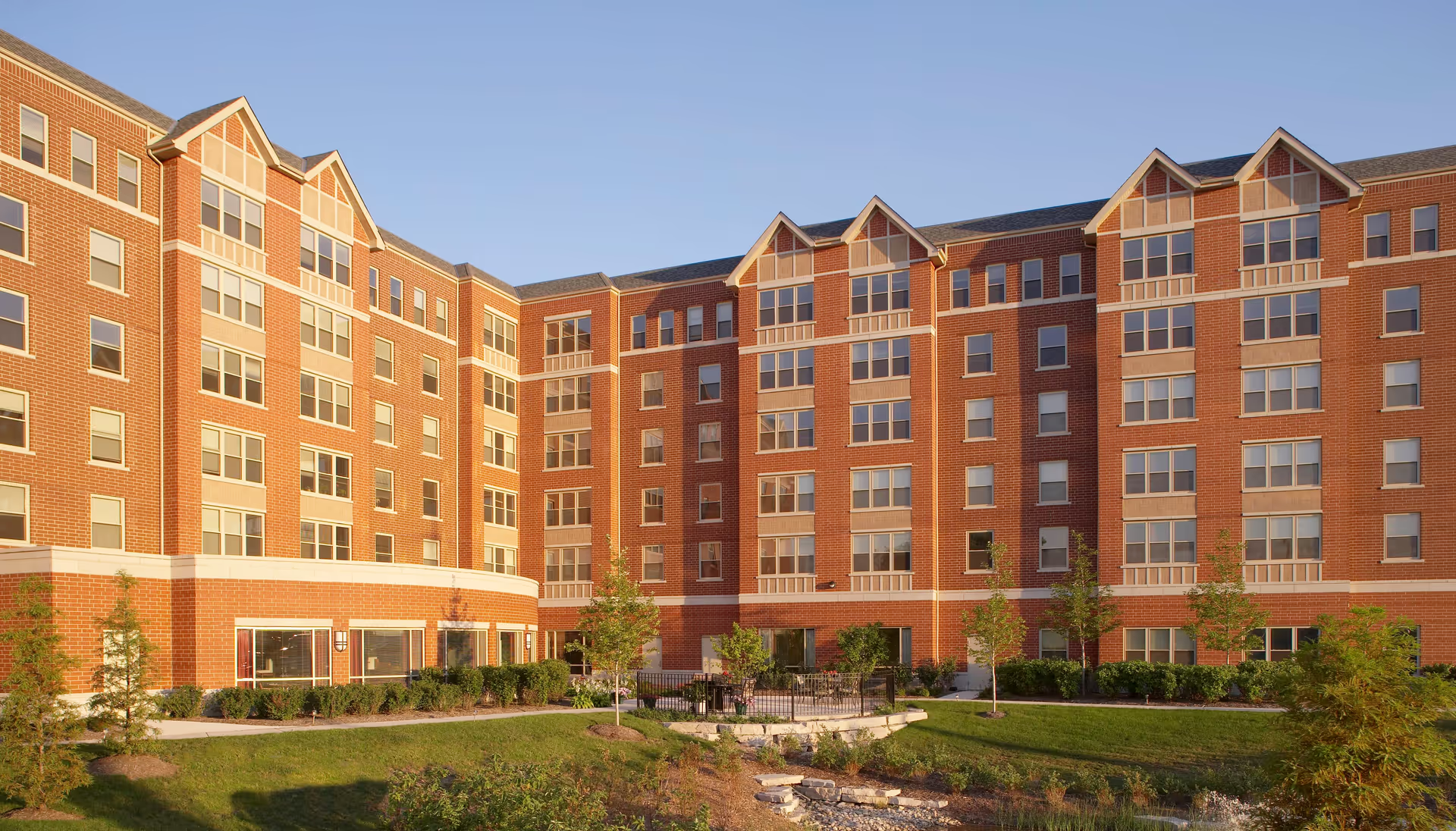
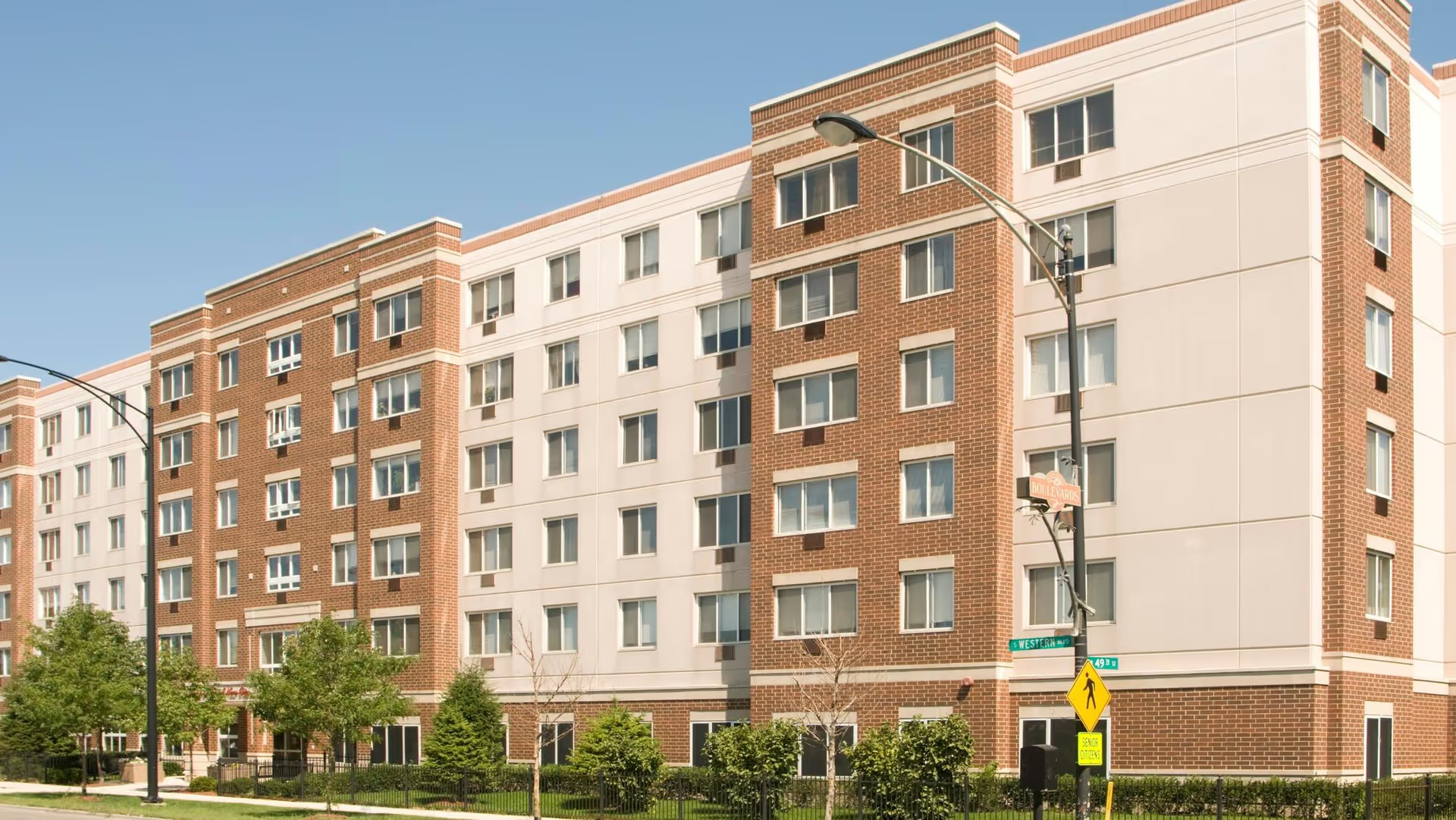
The review corpus presents a highly mixed impression of BRIA of Forest Edge, with strong praise for individual staff and programs alongside recurrent operational and safety concerns. Positive comments emphasize a subset of caregivers and administrative personnel who are described as compassionate, attentive, and knowledgeable—particularly an admissions team and some nursing staff who supported rehabilitation and Medicare-focused recovery. Several families reported constructive therapy outcomes, respectful in-person interactions, and adherence to visitor safety protocols during COVID-era visits.
Care quality emerges as a central area of concern. Multiple accounts indicate inconsistent medication administration and documentation, missed or delayed treatments, and coordination gaps that have led to additional medical follow-up or hospitalization for residents. Reviewers also note delays in basic personal care and meal delivery at times, creating questions about continuity of routine care. At the same time, a portion of reviewers described attentive nursing and positive caregiving relationships, producing a polarized picture of clinical performance across units and shifts.
Staffing and staff conduct are recurring themes. Staffing levels and workforce reliability are frequently characterized as inadequate, producing heavy workloads and slow response times. Several narratives describe inconsistent behavior and inadequate supervision that affect morale and resident experience; there are also serious allegations of inappropriate conduct, discriminatory remarks, and threats toward employees and residents. These items point to weaknesses in staff training, escalation procedures, and leadership oversight rather than isolated personality conflicts.
Operational domains—communication, administration, and safety—show systematic weaknesses in family communications, scheduling, and billing. Reviewers report difficulty reaching social workers or scheduling staff, delayed callbacks, invoice discrepancies, and problematic property-management practices including missing resident belongings. Infection-control and emergency communication practices were questioned during COVID events and other incidents, with comments about limited notification and coordination with families and staff.
Facilities and environmental management receive frequent criticism. Reported sanitation and odor concerns, pest-control issues, overflowing waste collection, and general maintenance problems such as heating or pipe failures and limited elevator access suggest underfunded or uneven facility upkeep. Some reviewers contrast this with reports that particular rooms or units were clean, reinforcing the overall inconsistency across the building.
Dining, activities, and resident life are described as uneven. Several reviewers expressed concerns about meal continuity and limited recreational engagement, leaving residents bored or under-stimulated. Conversely, some families praised therapy programming and recovery-focused care on the Medicare/rehab floor, indicating that certain clinical programs are functioning well.
Management and culture are notable patterns in the reviews. Comments include dissatisfaction with managerial responsiveness, adversarial staff interactions, and slow or inadequate incident follow-up. There are also serious, specific allegations related to discriminatory remarks and aggressive conduct; these raise regulatory and human-resources concerns that warrant verification. At the same time, positive remarks about particular leaders and staff members suggest that strengths exist but may not be consistently distributed.
In sum, prospective residents and families will find a polarized set of experiences at BRIA of Forest Edge: clear examples of compassionate, effective care and rehabilitation alongside repeated, operational weaknesses in staffing, clinical processes, sanitation, and management practices. Anyone considering placement should request up-to-date documentation of staffing levels, medication-safety protocols, infection-control policies, pest-control and maintenance records, and examples of incident-investigation outcomes; arrange an in-person tour of the specific unit they are considering; and seek references from current families and regulatory inspection reports to assess consistency of care.