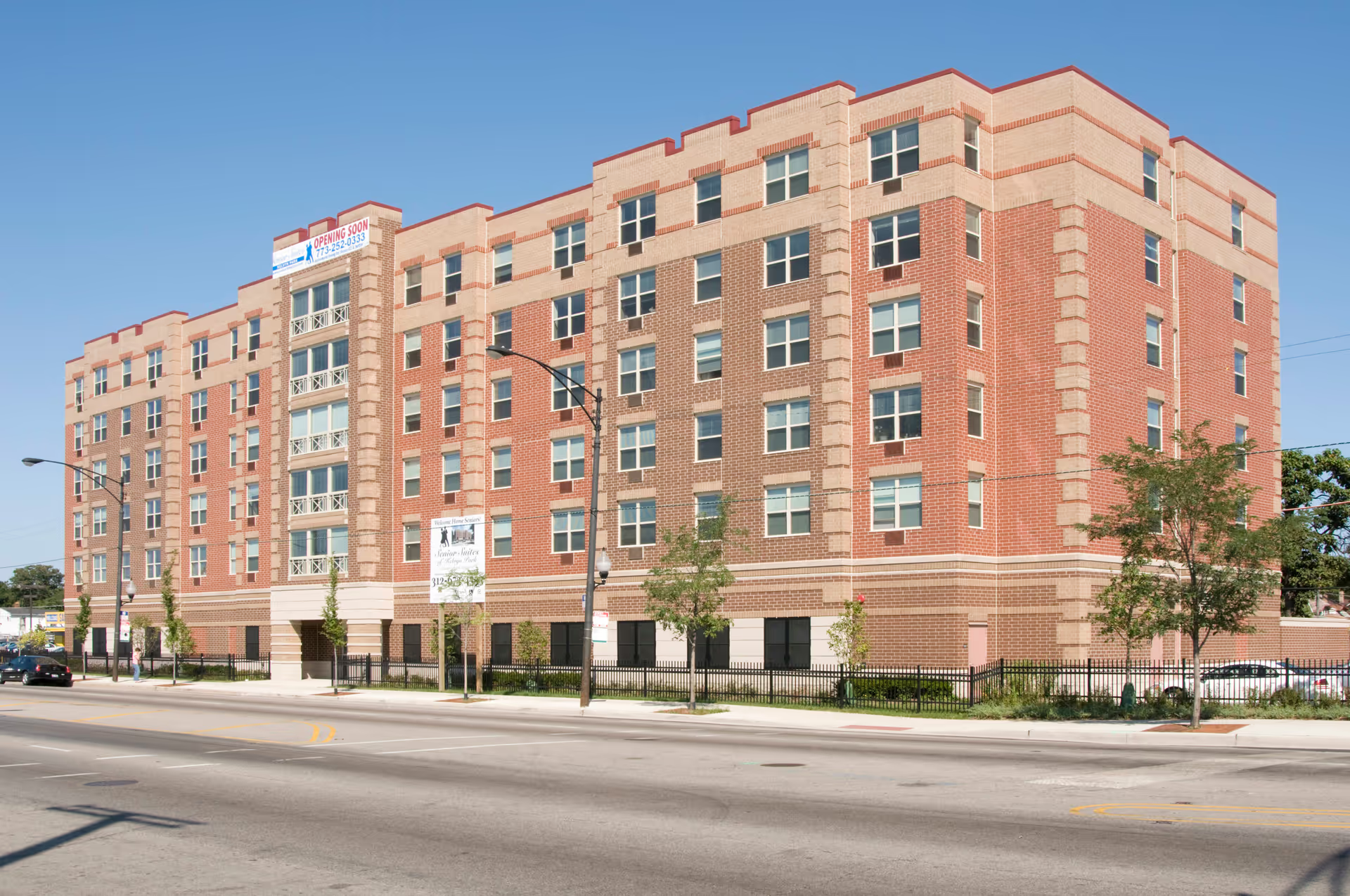
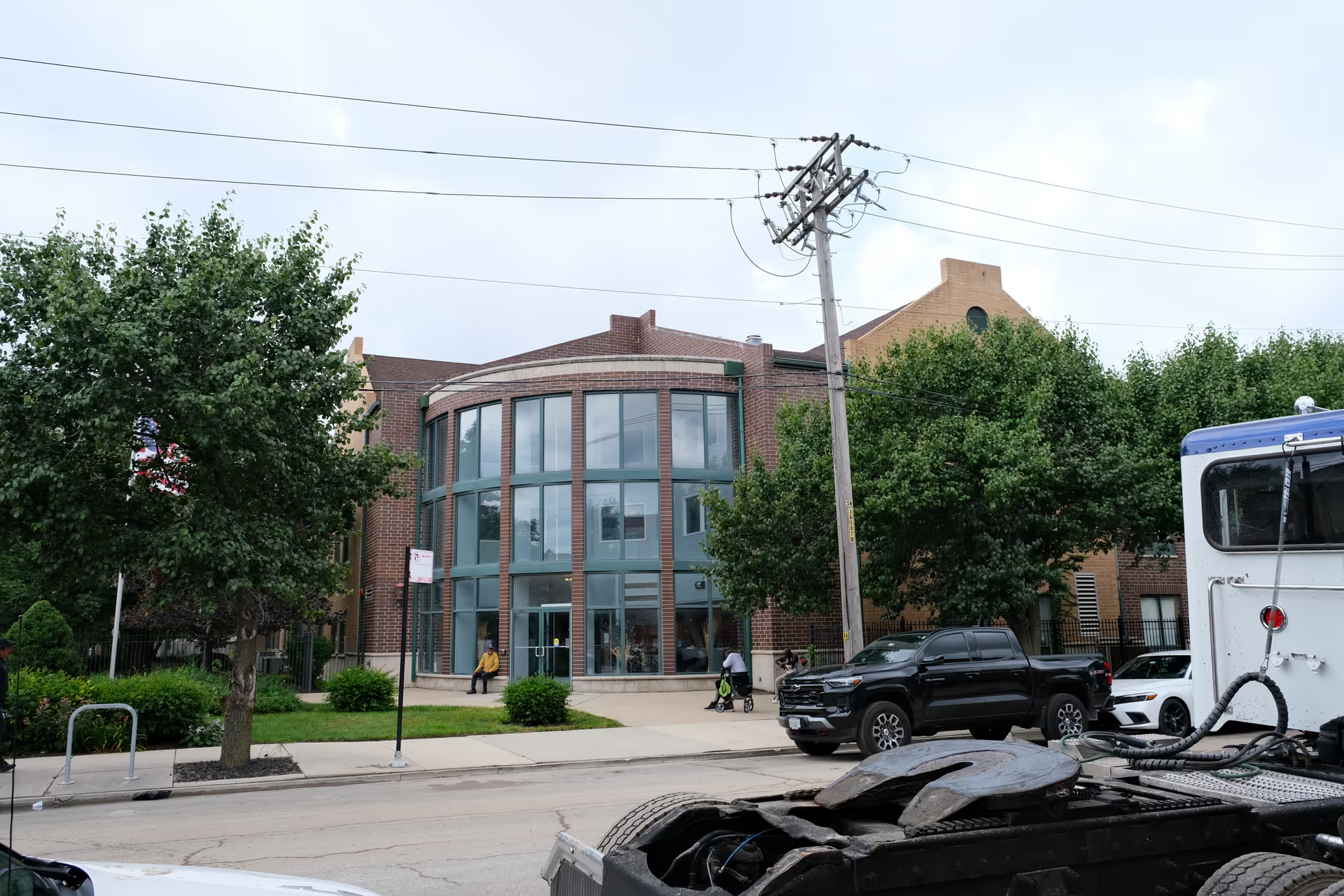
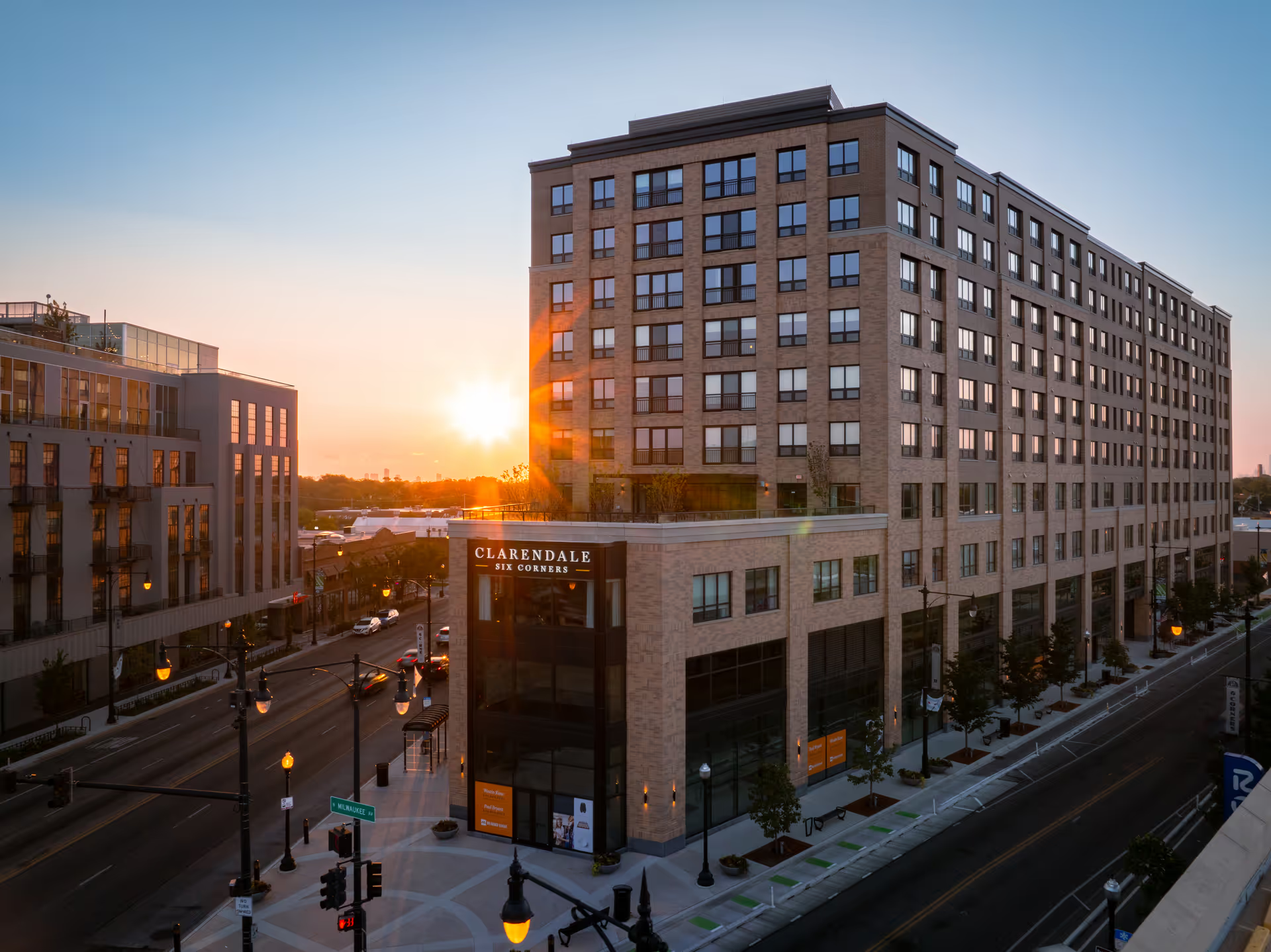
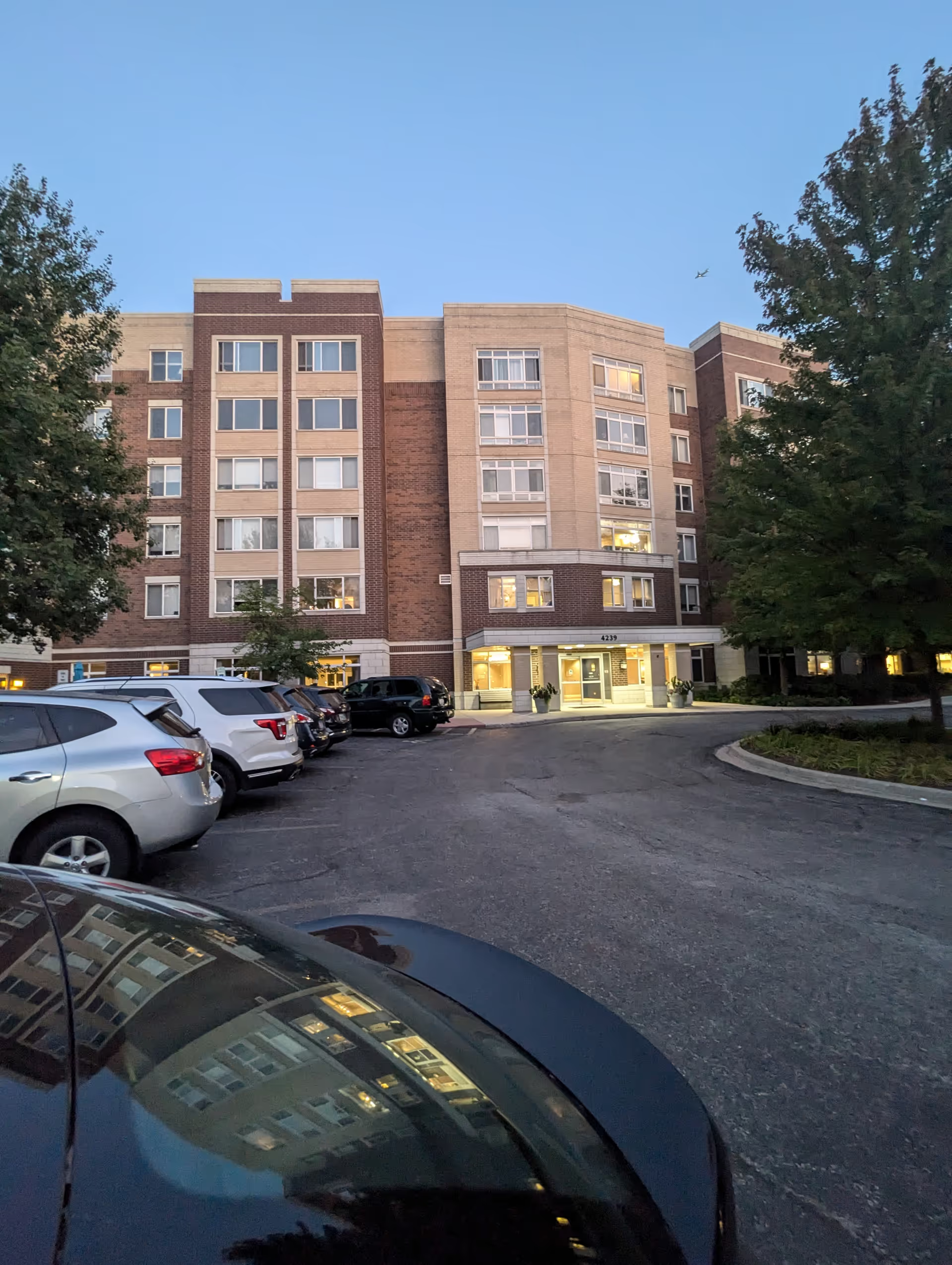
The reviews present a mixed picture of Complete Care at the Boulevard: reviewers describe both strong elements of daily life and significant operational weaknesses. Positive comments consistently highlight direct-care staff members who are attentive, compassionate, and socially engaged with residents, as well as a robust activity program, community partnerships, and available spiritual services. Several families praised specific staff (including social workers and reception personnel) and noted cleaner rooms and improved meal quality after recent management changes.
Care quality appears inconsistent across reports. Some families describe attentive, goal-directed care and good social-work involvement; others raise concerns about clinical oversight, delays in responding to resident needs, and medication-management practices. There are mentions of high-acuity residents whose needs were not consistently met and concerns following a resident's death. These patterns point to variable clinical processes and the need to confirm staffing ratios, nursing oversight, and incident-reporting practices.
Staffing and conduct are a clear dividing line in the feedback. Positive accounts emphasize helpful, kind nurses and aides and a collaborative culture in parts of the building. Conversely, other reports cite unprofessional interactions, poor responsiveness to family inquiries, night-shift visibility issues, and tensions related to agency staffing and staff morale. Families considering placement should ask about staff turnover, use of agency personnel, training programs, and how the facility manages continuity across shifts.
Dining and food services are also described inconsistently. Several reviewers complained about cold or unappealing meals and kitchen-handling concerns, while others—particularly after reported management changes—noted tastier, more appealing options. Meal-service continuity and food-safety practices were raised as operational issues, and some families relied on external food deliveries to fill gaps.
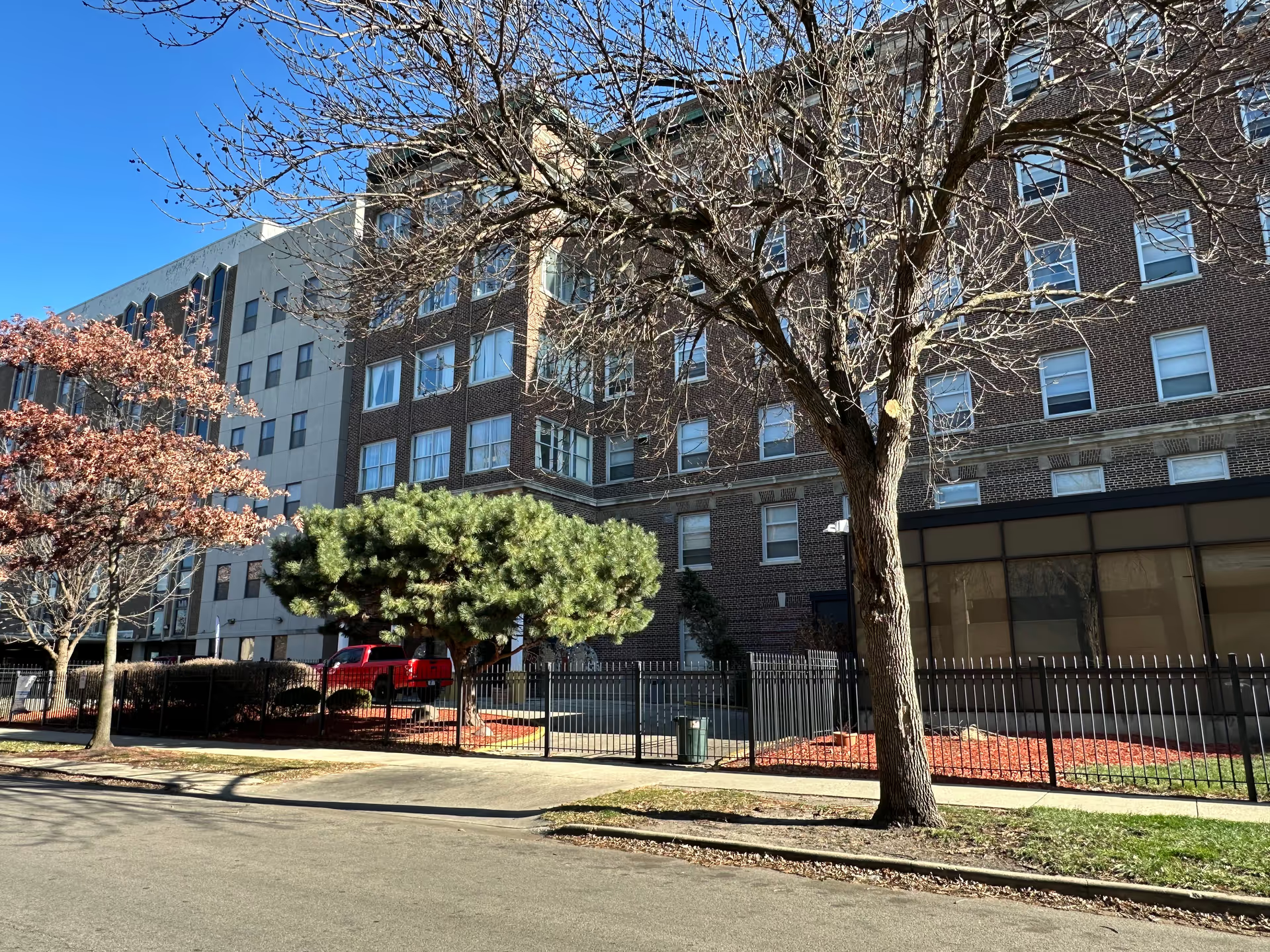
Facilities and logistics show mixed strengths. The community offers gathering spaces, an activity room, and social opportunities that benefit resident engagement. At the same time, reviewers reported varied room-level cleanliness and slow maintenance response, shared bathing facilities rather than private bathrooms for some units, and operational constraints that impeded emergency access or movement (for example, elevator/traffic logistics). Security and personal-property safeguards were also identified as an area needing improvement.
Management impressions vary over time: some reviewers note visible improvements under new leadership, better food, and more attentive social-work involvement; others described earlier concerns with office communication, restricted calling practices, and slow incident reporting. A small number of reviews referenced serious allegations involving property or regulatory issues; those items suggest prospective families should ask for documentation of incident resolution, staff screening policies, and any recent regulatory actions.
Practical advice for families: conduct visits at different times (day, evening, night), observe mealtime and staff interactions, request staffing ratios and recent staffing turnover data, inquire about medication-administration protocols and incident-reporting procedures, and ask how the facility handles emergency access and resident belongings. The facility appears capable of providing a supportive, engaging home for some residents, but variability in clinical oversight, staffing continuity, and operational practices warrants careful due diligence before placement.