RYZE West elicits strongly polarized impressions: many families and visitors describe compassionate, engaged staff, improved leadership, and effective therapy services, while other accounts describe operational gaps that affect day-to-day resident experience. Several reviewers praised a newer administration, the wound-care team, physical therapy, and an activities program that appears to be more active and engaging. Helpful admissions guides and responsive managers have given some families a sense of reassurance and regular communication.
Care quality is mixed. Positive comments emphasize attentive caregivers, professional nursing staff in some units, and clear care plans and medication updates. Conversely, other reviewers described inconsistent clinical continuity and concerns about medication management, including missed or altered prescriptions and problems following external discharge directives (for example, VA instructions). Staffing patterns contribute to variability: reports point to understaffing, turnover, and uneven night-shift coverage, which are associated with longer response times and uneven nurse attentiveness.
Dining and activities show a similar split. The facility offers an improved activities schedule with regular events and engaged aides; therapy and rehabilitation services receive repeated praise. Meal service is described inconsistently — some reviewers found the food acceptable and the staff accommodating, while others reported lapses in tray service, limited fresh options, and variable meal quality.
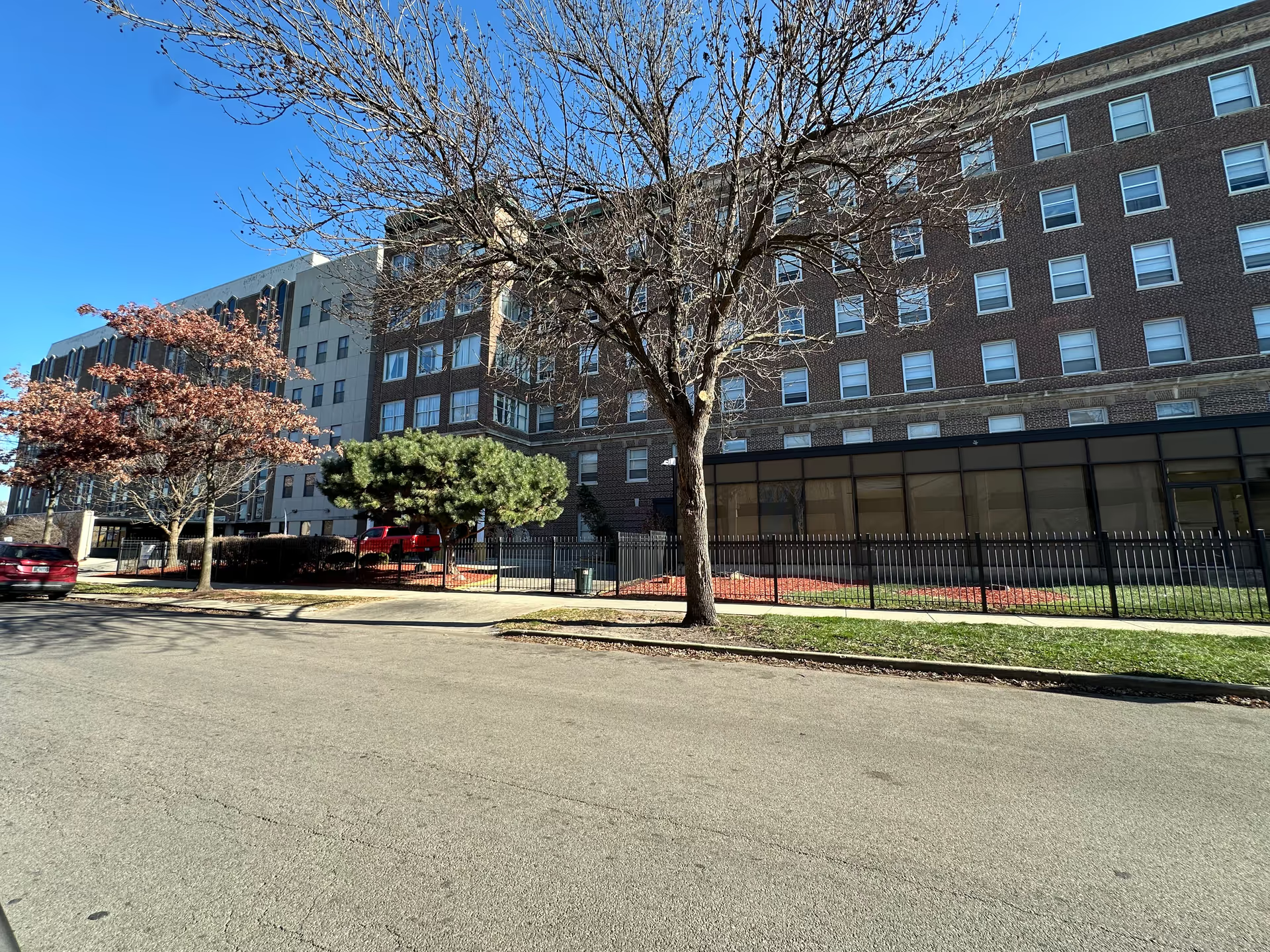
Facility condition and maintenance are areas of concern and praise. Multiple accounts note clean, welcoming common areas and well-kept first-floor spaces, while other comments highlight sanitation concerns, odor issues in certain rooms and corridors, and pest-control concerns in some units. Mechanical reliability and repair timeliness are mixed: maintenance is responsive when engaged, but elevator reliability and slow repairs have been noted. Room configurations and shared accommodations (including multi-occupant rooms) affect privacy and perceived comfort for some families.
Management and communication show a pattern of recent improvement alongside persistent operational gaps. New leadership and some long-tenured staff are credited with positive cultural changes, direct resident engagement, and clearer communication. At the same time, reviewers describe inconsistent admissions responsiveness, voicemail or scheduling difficulties, and variable staff conduct or tone. Taken together, the reviews suggest a facility undergoing transition: clear strengths in therapy, some clinical teams, and leadership initiatives, but continuing operational issues in staffing consistency, clinical continuity, sanitation, maintenance responsiveness, and meal-service reliability that prospective residents and families should evaluate during a tour and through direct questions about staffing ratios, medication protocols, pest control, and elevator/repair policies.