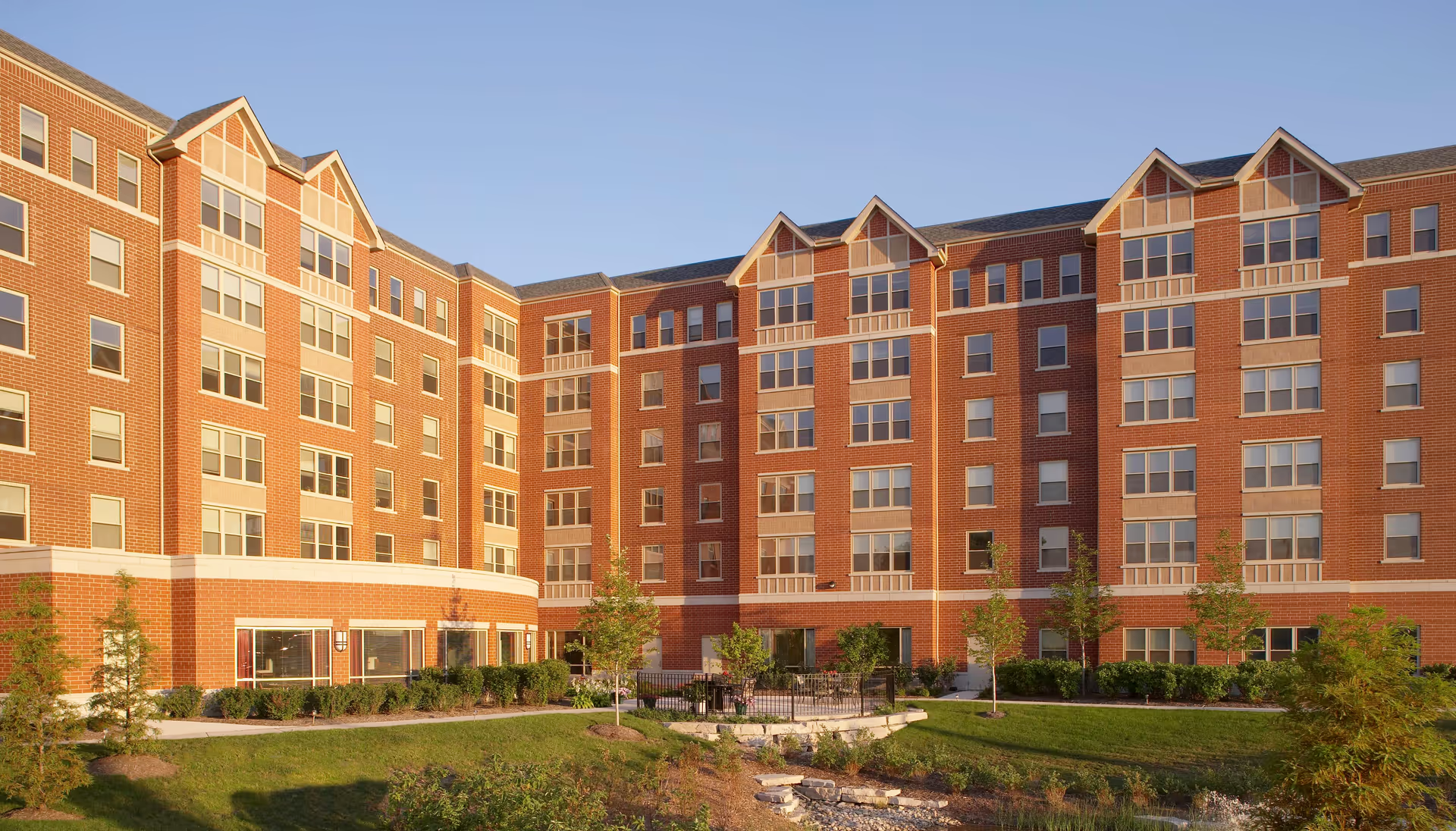
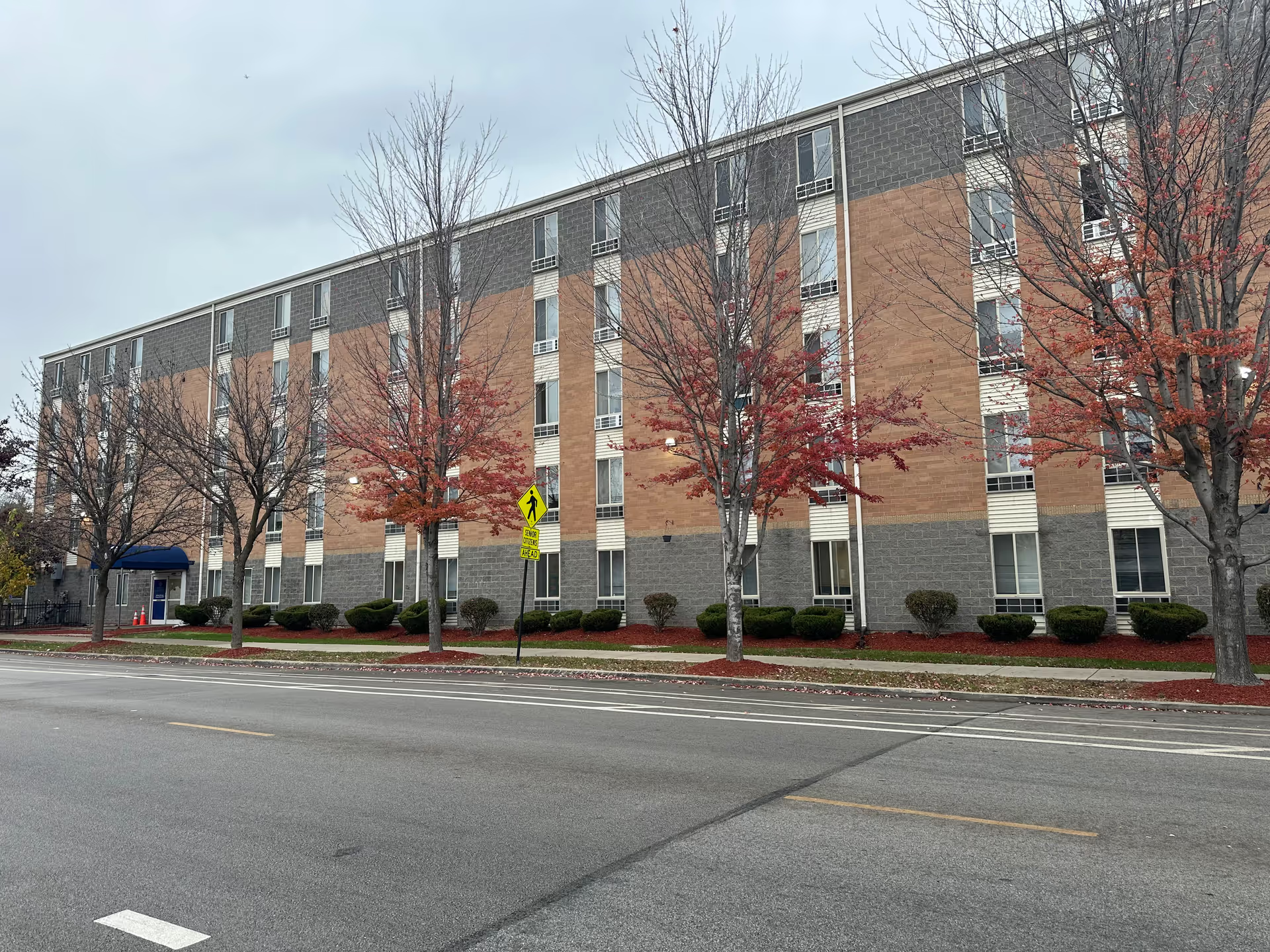
Smith Village presents as a largely upscale, well-maintained senior community with many strengths across hospitality, rehabilitation, and social programming. Reviewers consistently highlight a resort-like campus, clean and bright common areas, and attractive dining venues staffed by a chef offering varied menus and restaurant-style service. The community offers a full continuum of care—independent living through skilled nursing and rehab—which is supported by an on-site rehabilitation wing and therapy staff frequently praised for effective post-acute care.
Staffing experience is mixed. Many accounts describe friendly, compassionate, and long-tenured frontline employees who go beyond routine duties and create a welcoming environment; individual caregivers and reception staff received specific praise. At the same time, there are recurring concerns about staffing levels and supervisory competence in the memory-care unit. These concerns include inconsistent personal-care assistance (bathing, grooming, laundry management), gaps in supervision that can affect residents with cognitive impairment, and instances where families felt the need to provide additional assistance. This pattern suggests variability in staff training, allocation, and oversight between different care areas.
Dining and activities are prominent strengths: multiple dining rooms, bistro/deli options, chef-prepared menus, and an active calendar of activities, outings, and events. Families frequently note opportunities for social engagement, a variety of entertainment, and options for families to dine with residents. However, some reviewers raised issues with kitchen staffing consistency and menu repetition in certain periods, indicating occasional variability in food-service continuity.
Facilities and amenities score well overall, with many reviewers describing modern apartments, in-unit conveniences in many units, on-site podiatry and salon services, transportation, and underground parking. That said, experiences differ by building: newer construction and renovated areas are described as luxurious and very clean, while some older buildings appear to receive slower maintenance responses and fewer amenities. Accessibility limitations were noted in parts of independent living (bathtub-only layouts, limited elevator or lift options), which may affect residents with mobility limitations.
Management and administrative matters show both strengths and weaknesses. Positive notes include responsive executive leadership in some cases and family-oriented events. Conversely, there are recurring themes of inconsistent communication, billing or scheduling frustrations, occasional perceived high-pressure admissions tours, and variable responsiveness to tenant concerns. Cost is a consistent consideration—residents and families characterize the community as high-end, with significant buy-in and monthly costs, and some limitations around payment options (e.g., Medicare coverage concerns).
Overall, Smith Village would likely appeal to prospective residents seeking an upscale campus with robust dining, programming, and strong rehabilitation services. Prospective residents and families considering memory or dementia-level care should seek detailed, unit-specific information on staffing ratios, staff training in dementia care, safety-monitoring protocols, and documented incident-response procedures. Visiting multiple times, asking for staffing schedules, and speaking with current families in the specific care neighborhood will help clarify whether the operational consistency matches expectations for a given level of need.