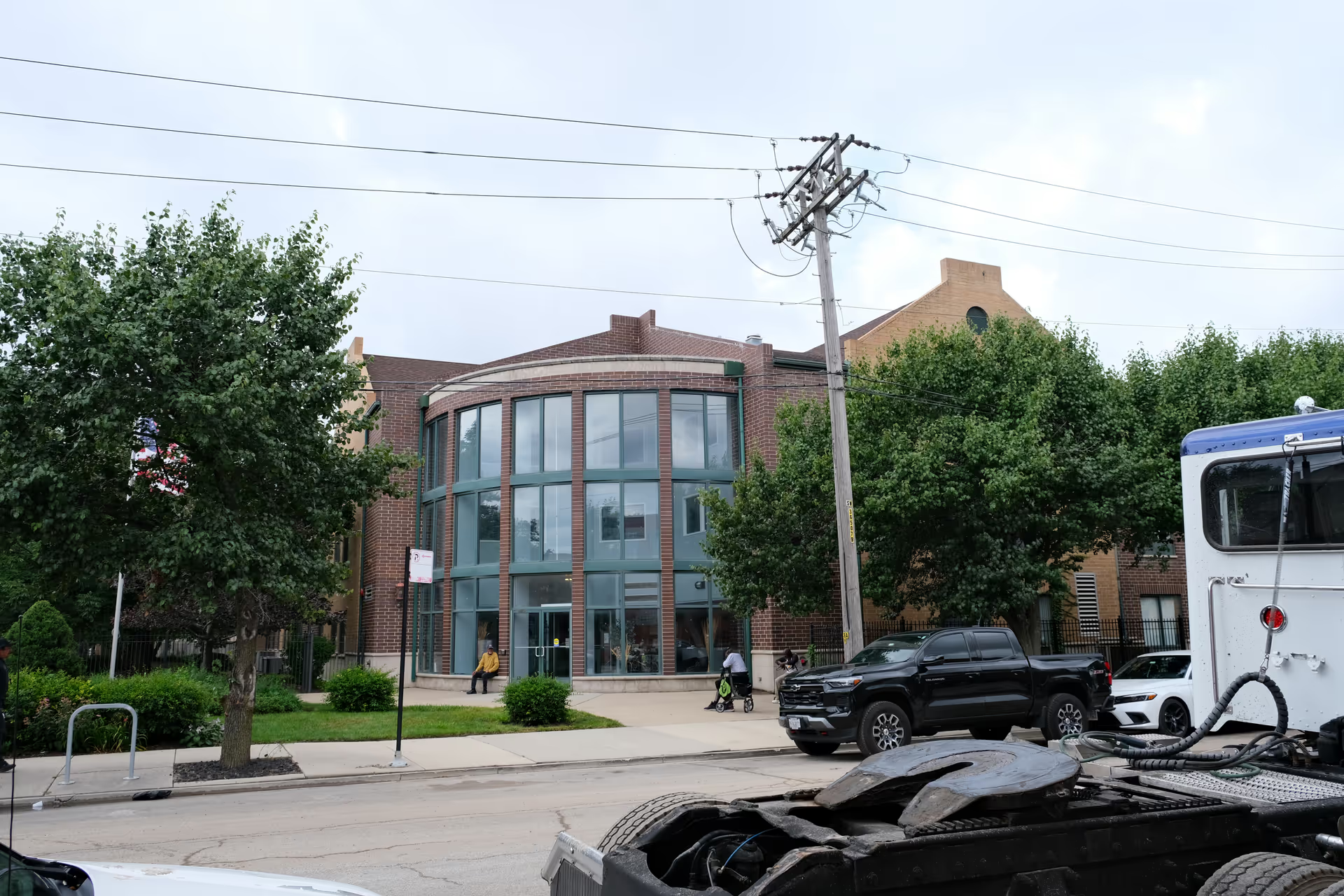
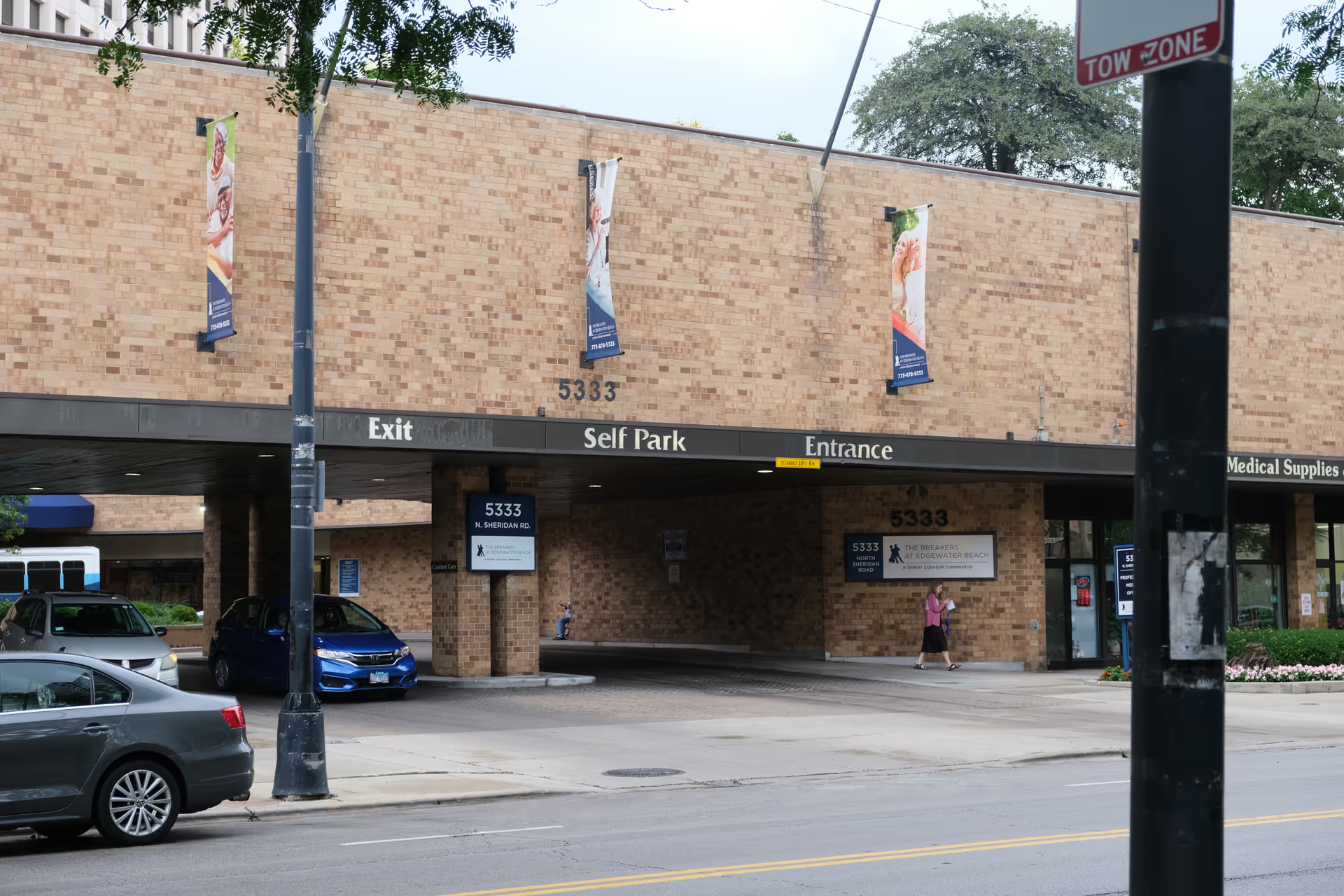
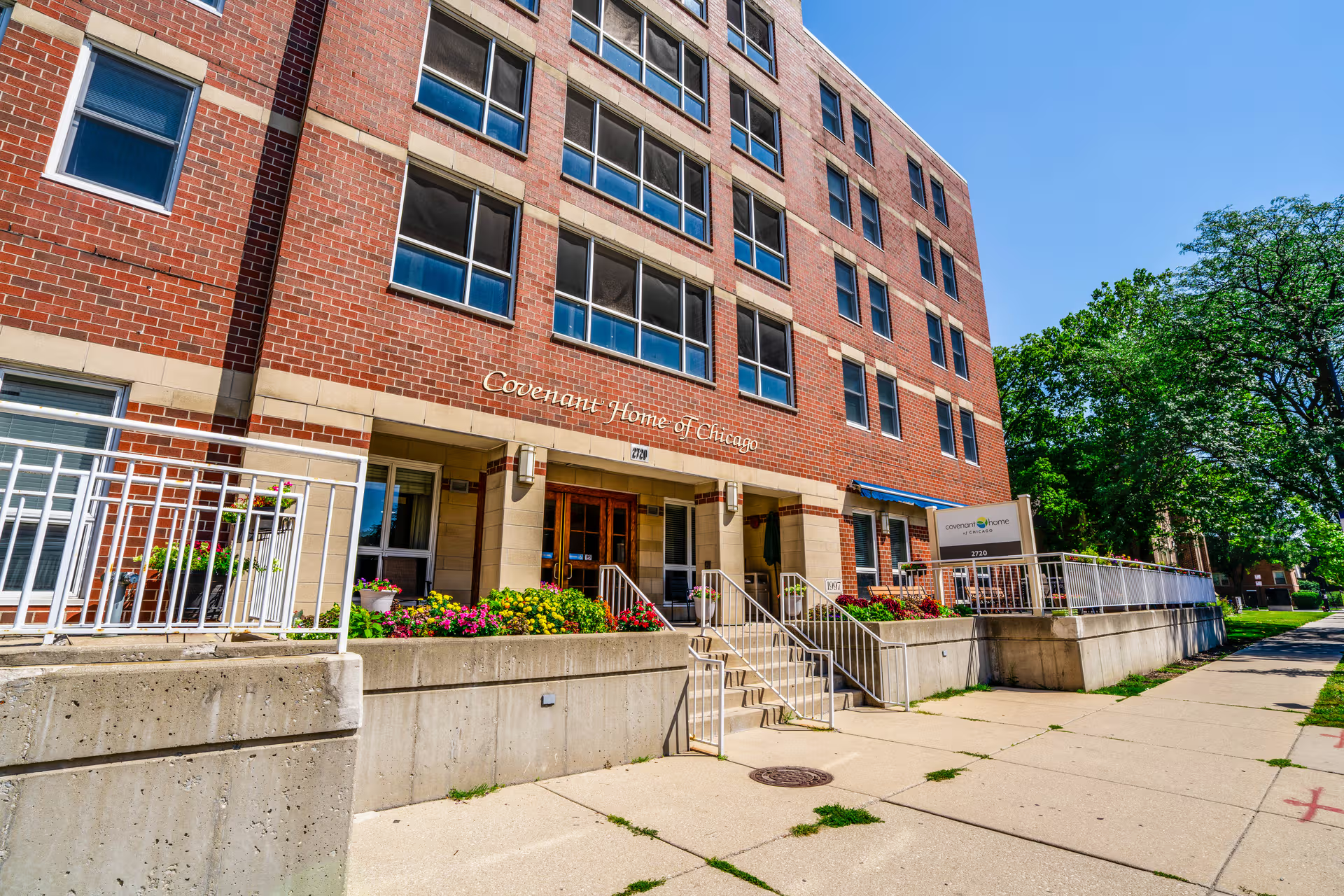
Overall impression: The reviews present a largely positive picture of care quality and daily life at the facility, emphasizing compassionate nursing and support staff, a clean environment, and an active social program. Many comments highlight long-term residents who are satisfied with the clinical care and the personal attention they receive. At the same time, a subset of reviews raises operational and administrative concerns that prospective residents and families should evaluate further.
Care and staff: Care quality is frequently described as attentive and skillful; reviewers cite qualified nurses and support staff who prioritize resident needs and who are perceived as compassionate and accommodating. The religious caregiving presence is noted as a meaningful element for some residents. However, there is variability in staff conduct and communication: while clinical staff are generally praised, several comments point to inconsistent professionalism among nonclinical personnel, particularly at the front desk and security. These issues appear to be interpersonal and customer-service related rather than clinical in nature, but they affect family interactions and first impressions.
Dining, activities, and facilities: Dining receives consistently favorable mentions for quality and preparation, and the facility is described as clean and well maintained. Reviewers also note a robust activities program and a home-like atmosphere that supports social engagement. Infection-control practices are referenced positively in the context of adherence to public-health guidance. Physical upkeep and cleanliness are recurring strengths in the feedback.
Management and notable patterns: Administrative concerns are the primary negative theme. A few reviewers described an extended visitation restriction that raised legal and family-communication concerns; this suggests limited flexibility in visitation policies during certain events. Other operational issues include perceptions of weak organizational governance and worries about transparency in donation handling. Taken together, these items indicate that while day-to-day resident care and programming are strong, there are trust-and-communication gaps at the administrative and front-desk level that prospective families should clarify.
Guidance for prospective families: If you are considering this facility, focus questions on governance, donation policies, and current visitation protocols, and ask for examples of how front-desk and security staff are trained to interact with families. Verify staffing ratios and meet both clinical and nonclinical team members to assess consistency of professionalism. The facility’s strengths in nursing care, cleanliness, dining, and activities make it a strong candidate for residents who value those attributes, provided administrative and communication concerns are addressed to your satisfaction.