Encore Memory Care at Crystal Lake is consistently characterized by family-oriented, dementia-focused care with a strong emphasis on compassion and personalized attention. Reviewers frequently highlight staff demeanor — described as patient, kind, and responsive — and note that caregivers develop personal relationships with residents. Clinical coverage is a clear strength: families cite on-site nursing around the clock, regular physician visits, and coordination with hospice services when needed. Care plans are described as adaptable to changing needs, contributing to a sense of safety and continuity for residents and reassurance for families.
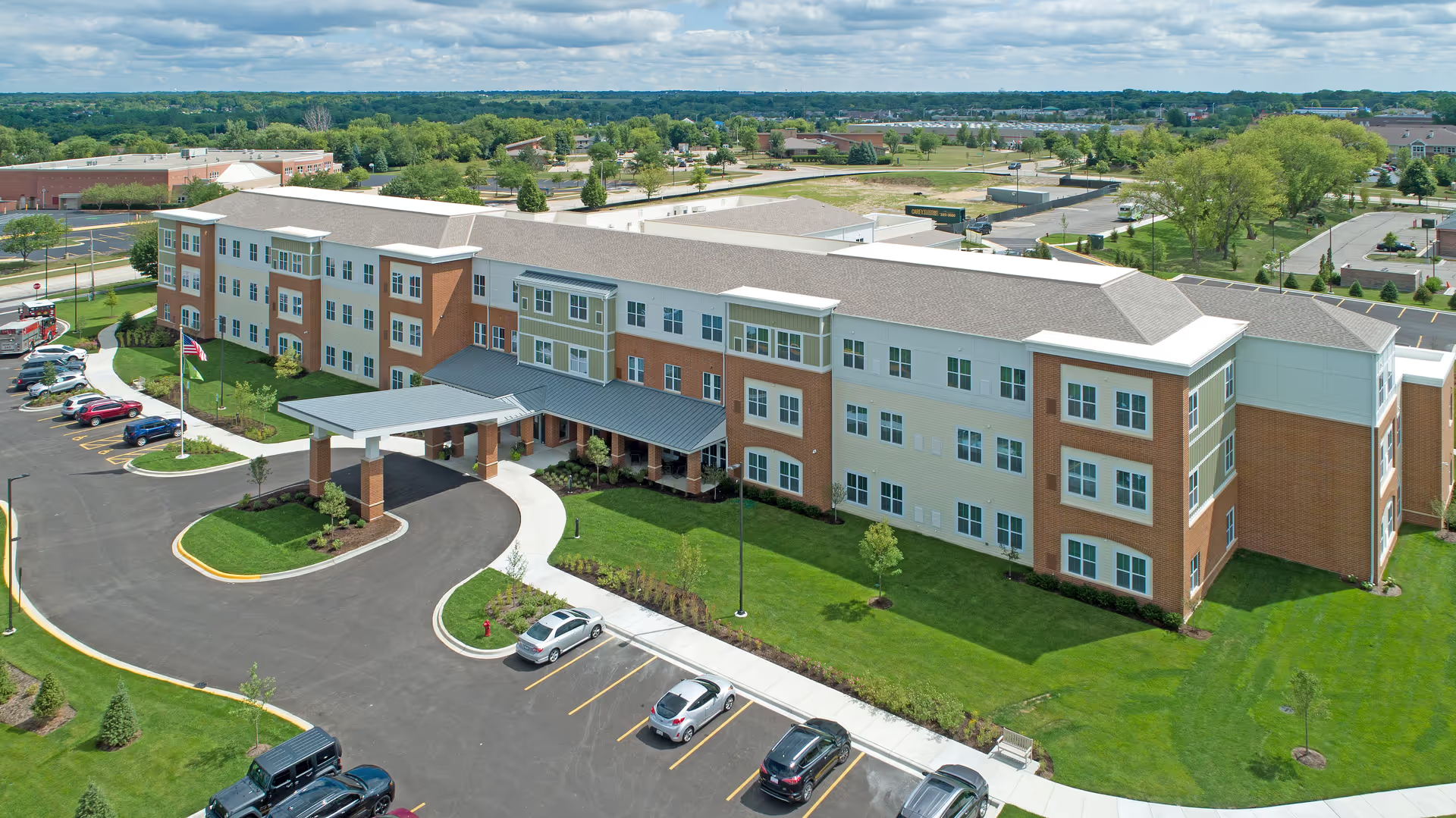
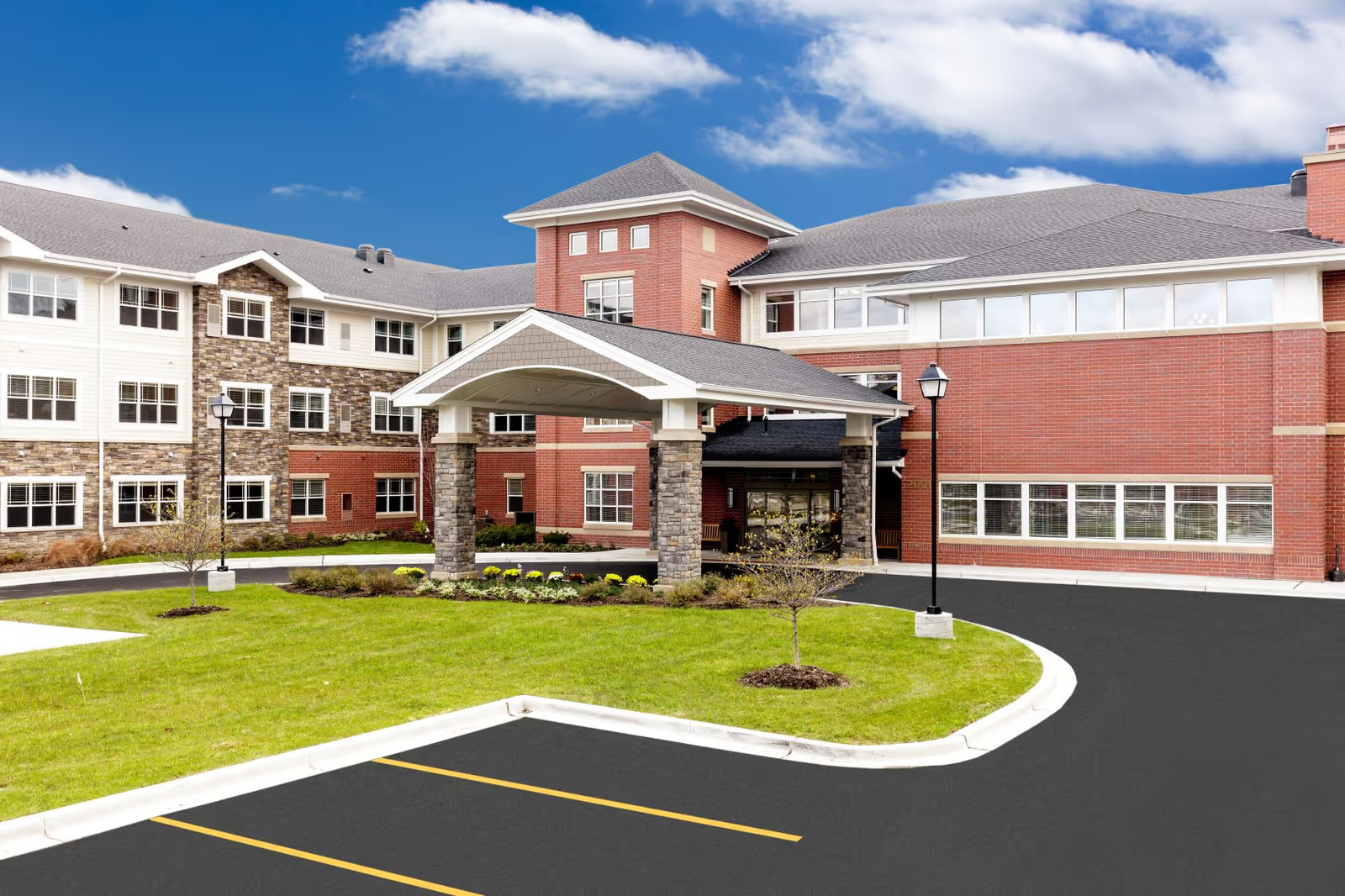
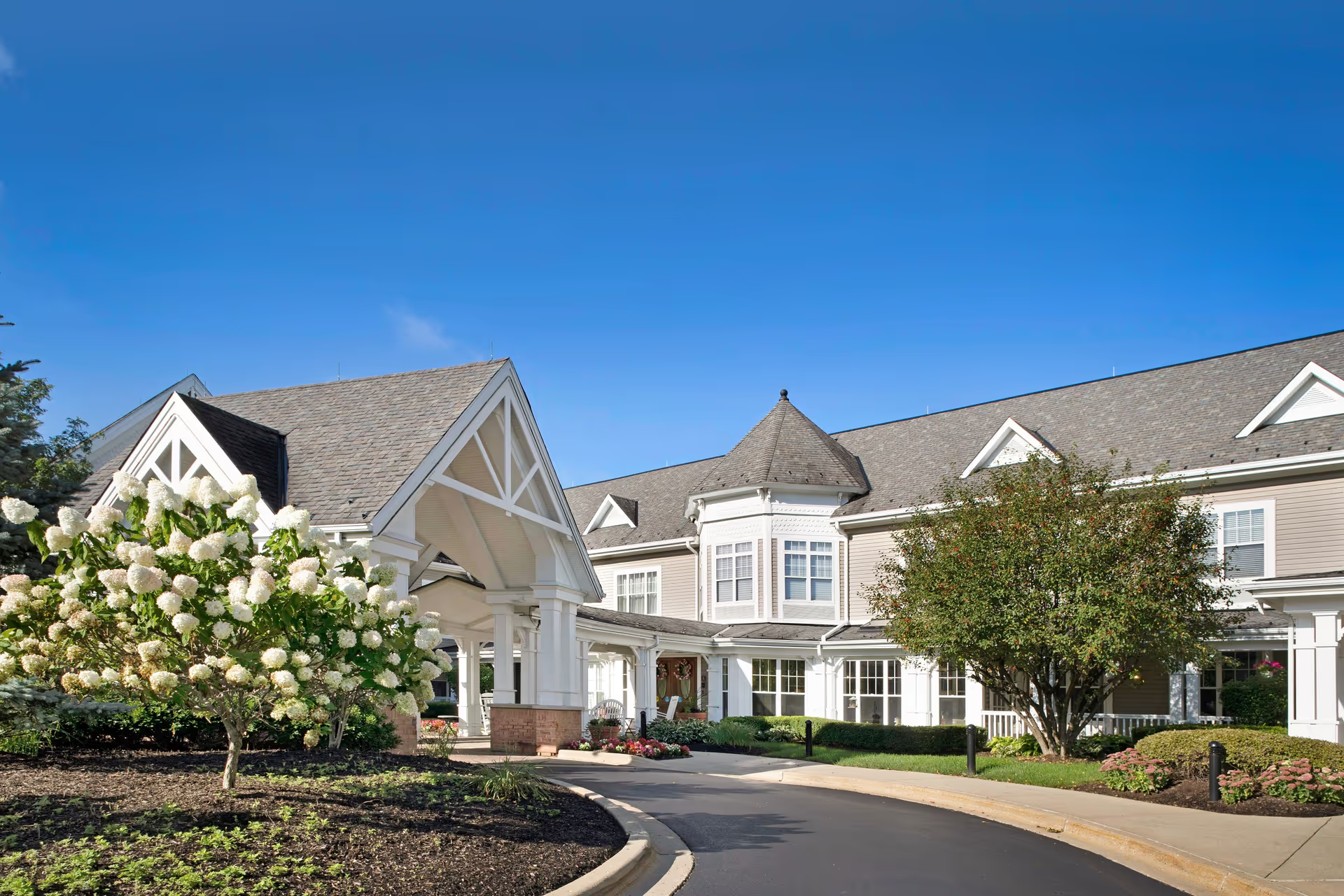
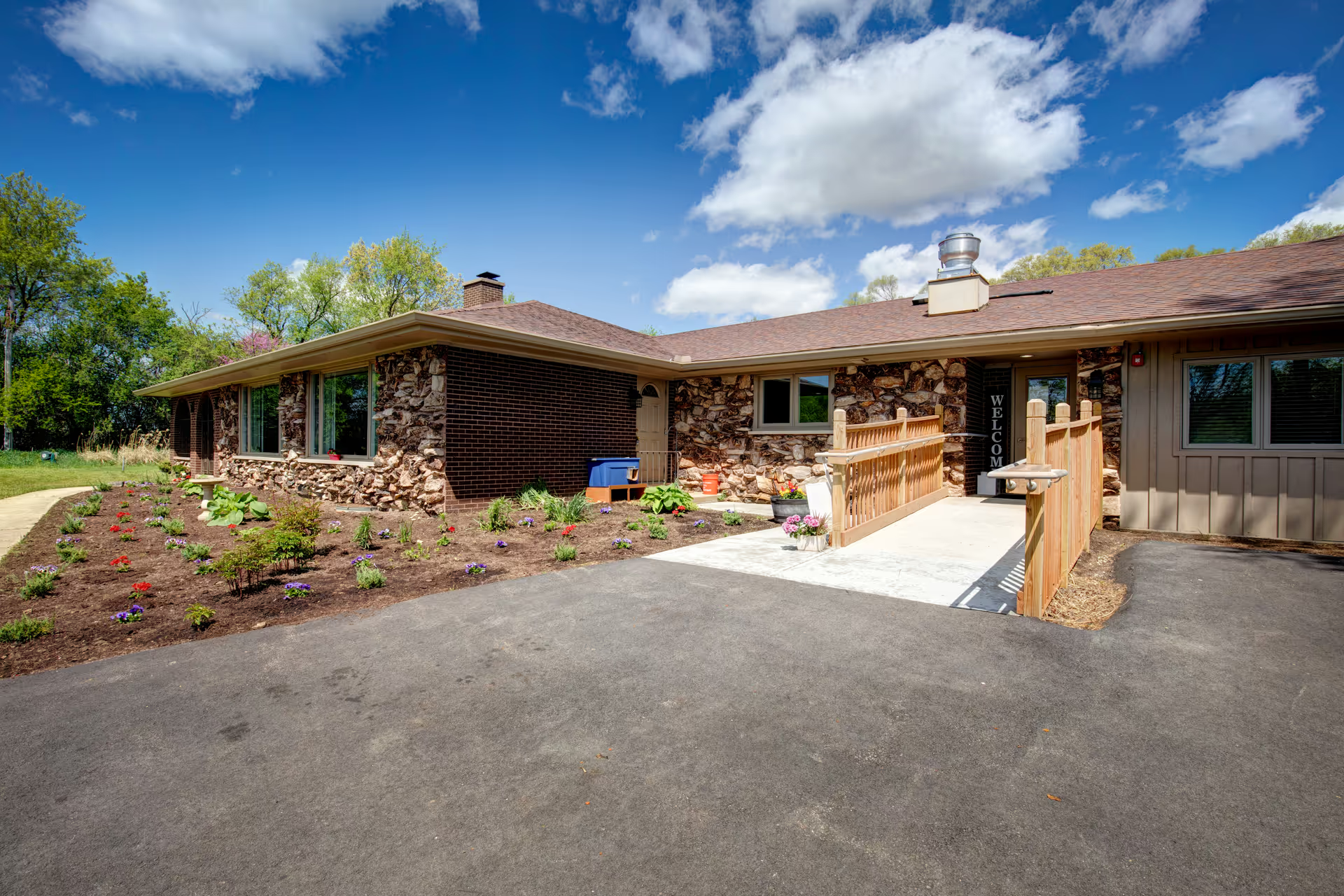
The facility environment and programming receive similarly positive remarks. The building is described as clean, well kept, and home-like, with common areas arranged for comfort, soft lighting, and regular housekeeping. Activities programming is broad and engaging, including group games, art, live music, outings, and dementia-specific events; families also value Alzheimer’s seminars and caregiver support options. On-site amenities such as a beauty shop, private dining rooms for family meals, and special holiday celebrations reinforce the community feel. Many accounts emphasize quick issue resolution and proactive family communication, which families report as contributing to peace of mind.
Dining and daily care show mixed but generally favorable impressions. Multiple families praise appetizing, nutritious meals and regular snacks, and some note attentive assistance with meals and medications. There are, however, recurring comments about limited menu variety tied to memory-care restrictions and uneven perceptions of food quality across time or residents. Operationally, reviewers point to occasional concerns around staffing allocation — including periods when staff appear occupied with administrative tasks or when non-care roles reduce floor coverage — which can affect responsiveness. Related concerns include intermittent lapses in encouragement of fluid intake for residents; reviewers framed this as a monitoring gap rather than an intentional practice.
Logistics and management impressions are mostly positive but not uniform. Many families commend leadership for clear explanations, organized transitions, and community events; others describe isolated incidents of unprofessional communication or a perceived emphasis on admissions processes during move-in. Transportation access is another practical limitation: the community shares vehicles with nearby locations, which has produced delays or limited dedicated transport availability for this site. Finally, some families note that rooming and program-grouping practices may be less well matched to higher-functioning residents seeking more independent stimulation.
Overall, Encore Memory Care at Crystal Lake presents as a well-run, compassionate memory-care community with strong clinical coverage, engaging programming, and a homelike atmosphere. Prospective families should weigh the strengths in clinical oversight, activities, and family communication against operational considerations such as menu variety, site-specific transportation limits, and occasional staffing-allocation variability when deciding whether the community is the right match for a particular resident’s needs.