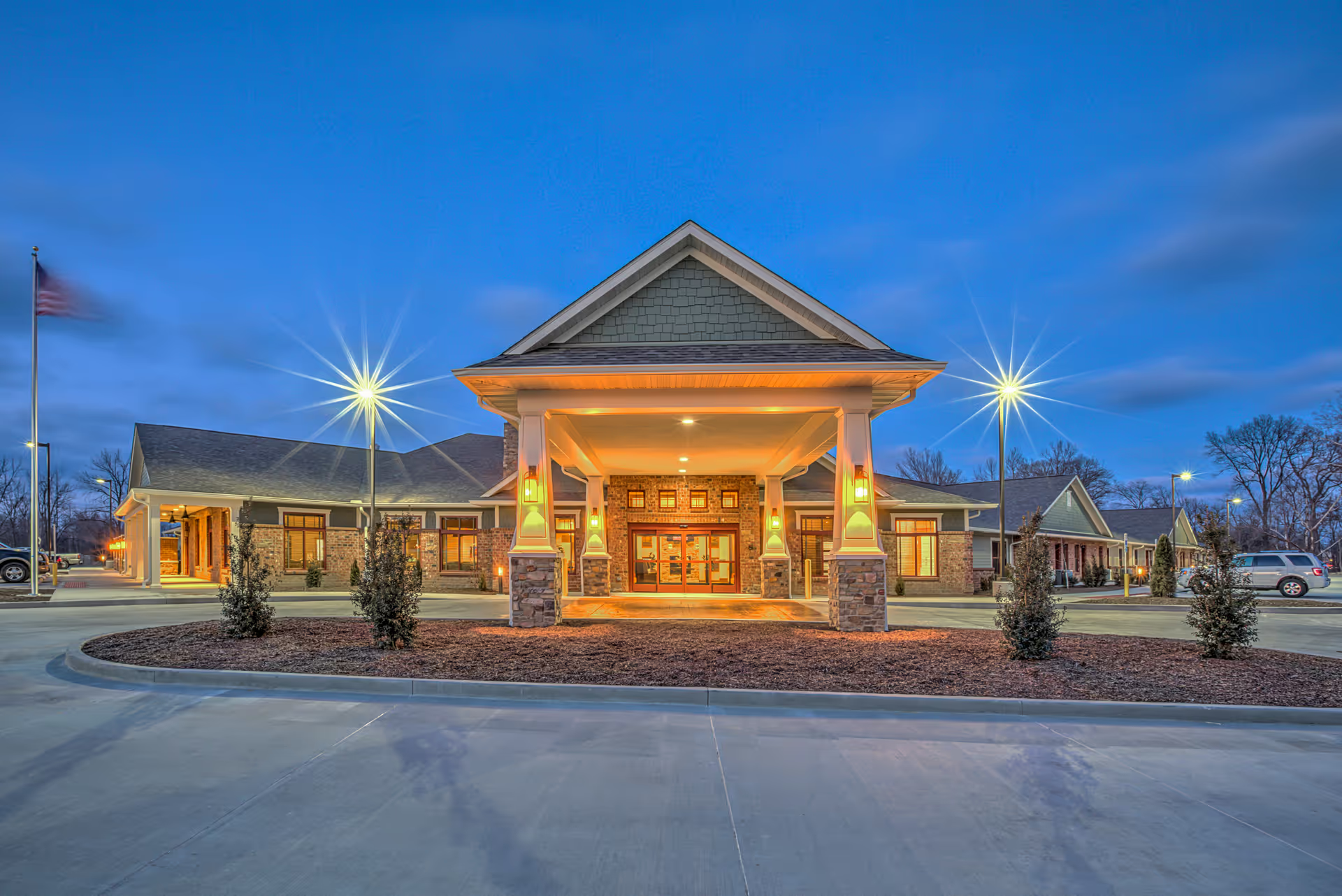
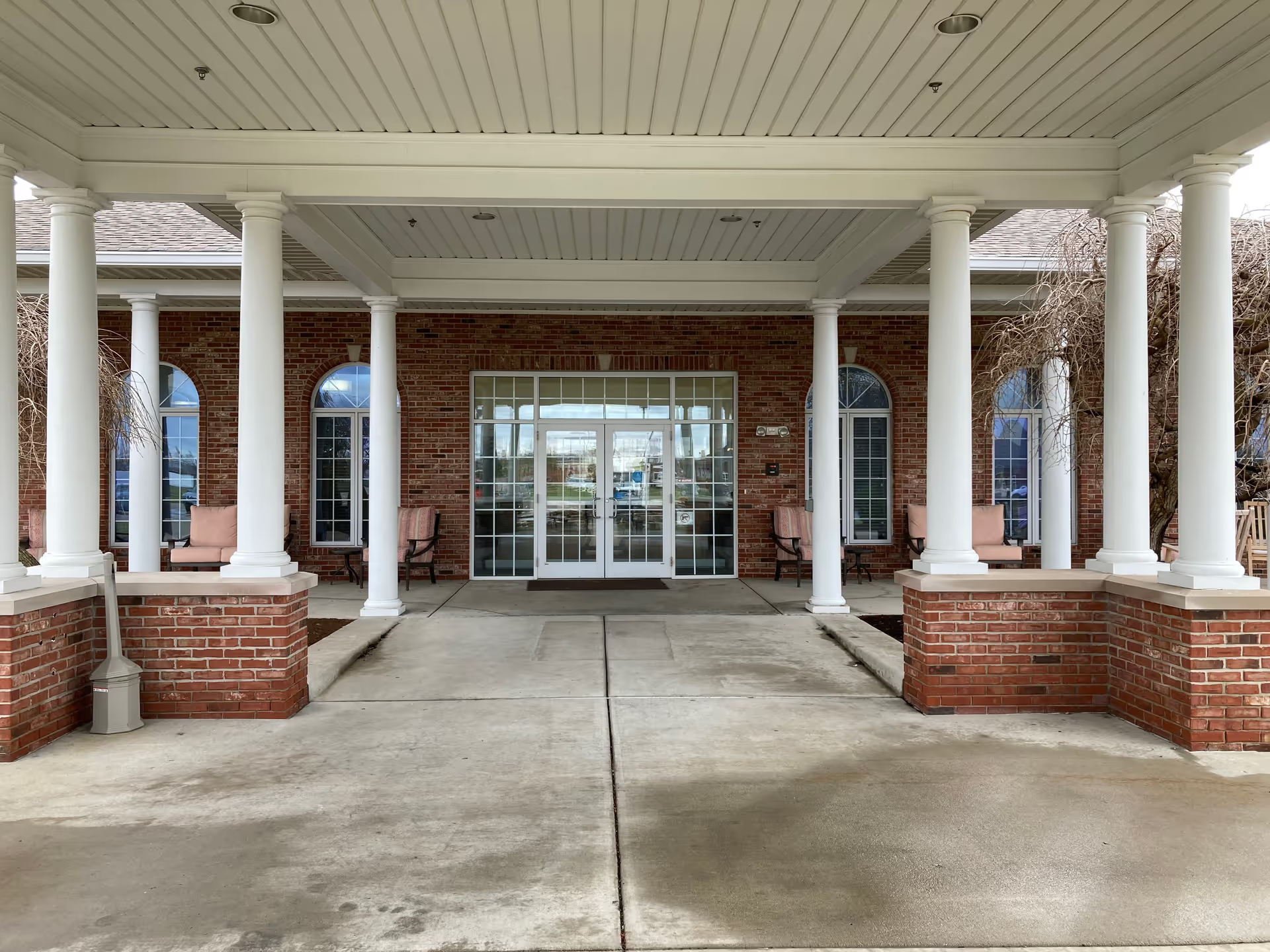
La Bella of Edwardsville elicits strongly polarized impressions. Positive feedback centers on direct care and rehabilitation: therapy teams (physical and occupational) and many CNAs and nurses receive consistent praise for compassion, hands‑on assistance, and functional improvements during short‑term stays. Several accounts describe residents becoming more alert, engaged in social activities, and benefiting from therapy‑led gains. The facility's common areas, dining room, and outdoor patio are frequently described as pleasant and well maintained, and in‑house hospice services and some supportive admissions or social‑services staff are also noted as strengths.
Counterbalancing those positives are recurrent operational concerns that affect clinical reliability and resident experience. Staffing instability and perceived understaffing are common themes; families describe long wait times for assistance, delayed call‑light responses, and inconsistent presence of RNs or physicians on site. Those gaps are linked in several accounts to medication administration errors or delays, inconsistent documentation, and uneven infection‑control practices. Reviewers also describe irregular personal‑care routines (including showering frequency) and variability in how clinicians handle devices and dressings, which raises concern about procedural consistency.
Dining and daily living patterns show mixed outcomes. Some families praise meals and dining spaces, but many reviewers report inconsistent food temperature and quality, small portions, long gaps between meals, and community‑style serving practices that interfere with individual preferences. Activity programming is another area of divergence: the facility has social spaces and some resident engagement, but ambulatory residents and families frequently describe limited or insufficient activity options.
Facility layout and logistics are additional recurring issues. Several reviewers mention small double‑occupancy rooms, cramped corridors, and a design that feels crowded at current occupancy levels. Administrative processes and leadership stability are uneven: reviewers cite frequent turnover, poor communication about transfers and pay/authorization issues, and difficulties reaching or obtaining clear responses from management. Agency staff are reported to vary in skill and engagement, contributing to inconsistent day‑to‑day care quality.
Notable patterns prospective families should consider when evaluating this facility: strong rehabilitation services and many committed direct‑care staff can produce good short‑term outcomes, but those strengths coexist with operational weaknesses that can affect safety and comfort during longer stays. When touring or interviewing staff, ask specifically about staffing ratios on the unit and at night/weekends, RN coverage and physician oversight, medication administration protocols and audit practices, infection‑control procedures, shower frequency and personal‑care schedules, meal service times/portions, activity programming for mobile residents, and recent regulatory inspection history. Observing a mealtime, checking a sample medication administration record, and speaking with therapy and nursing leadership about recent turnover and agency staffing may help families assess how the facility’s strengths will apply to their loved one’s needs.