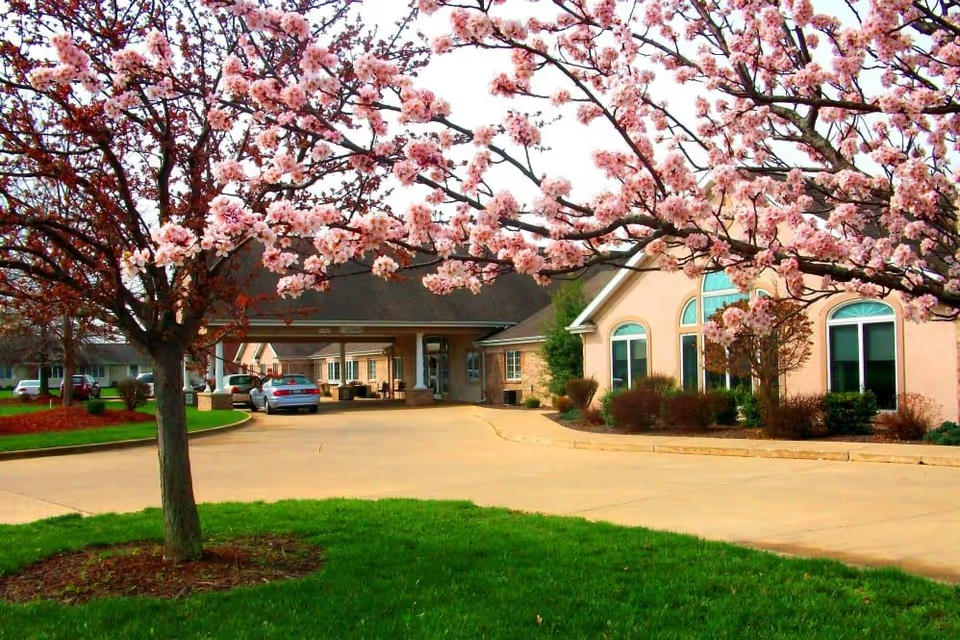
The reviews present a mixed portrait of care at this facility, with clear strengths in day-to-day caregiving and food service alongside repeated operational concerns. Many families and residents praised the hands-on caregivers and CNAs for compassionate, attentive assistance and for making residents feel comfortable. Rehabilitation and therapy services are frequently described as effective, supporting recovery and mobility. The dietary department receives consistent positive comments for appealing meals and cheery servers, and several accounts emphasize a clean, welcoming interior and opportunities for social connection.
Care quality appears uneven. While some accounts describe gentle, attentive nursing and successful rehab outcomes, others raise concerns about clinical oversight — specifically wound-prevention practices and hydration and nutrition monitoring. There are also multiple statements indicating delays in attending to continence care and issues with linen or room cleanliness. These patterns suggest variability in adherence to personal care and prevention protocols across shifts or units.
Staff interactions show a similar split. Front-line staff are often described as supportive, honest about limits, and willing to answer questions, and individual employees are singled out positively by name. At the same time, reviewers report inconsistent conduct and communication tone from other staff members, including the administration. Family communication and updates are cited as inconsistent, with complaints about not being notified after placement changes or not receiving timely information about care decisions.
Administrative and policy-level weaknesses are a recurring theme. Reviewers describe inconsistent leadership and responsiveness from management, billing and administrative processing errors, and concerns about adherence to advance directives and power-of-attorney instructions. There are also privacy-policy gaps described around the use of resident photos on social media. More serious are statements alleging financial misconduct; these are severe individual claims that prospective families should explore directly with facility leadership and regulators.
For prospective residents and family members, the facility offers meaningful strengths in direct caregiving, rehabilitation, dining, and opportunities for social engagement. However, it would be prudent to ask specific, operational questions during a tour or family meeting: policies for honoring power-of-attorney and consent, wound-prevention and hydration-monitoring protocols, staffing ratios and shift consistency, linen and incontinence-care procedures, billing and discharge processes, and photo/privacy consent. These targeted inquiries can help assess whether the facility’s positive caregiving practices are consistently supported by reliable management and administrative systems.