The reviews reflect a facility with clear strengths in resident engagement, value, and some aspects of physical environment, paired with operational and clinical concerns that prospective families should evaluate closely. Positive comments emphasize an active program of events and social opportunities, strong support for resident mobility, generally attractive residential spaces, and an overall perception of affordability. There is also a specific clinical outcome noted where a percutaneous feeding tube (PEG) resulted in improved oral intake for a resident.
Care quality and clinical coordination emerge as mixed. Several accounts indicate inconsistent care practices and communication gaps between clinical staff, families, and outside providers. Conflicting advice around the PEG tube and concerns about maintaining resident comfort point to variability in care planning and oversight rather than a single clearly defined protocol. While one described clinical intervention produced a clear functional benefit, the broader pattern suggests uneven implementation of care plans and follow-up.
Staffing and communication appear to be important contributors to family dissatisfaction. Descriptions of unhelpful or inconsistent staff interactions and delays in responsiveness suggest weaknesses in staff training, handoffs, or supervisory oversight. These issues intersect with clinical coordination problems and can amplify family concerns about symptom management and day-to-day comfort.
Transportation and emergency-transport logistics are a recurring operational weakness. Reviewers indicate that on-site transport options (facility vans) may lack appropriate accessibility or capacity for certain mobility or neuromuscular needs, and that families may face substantial ambulance or external-transport expenses. These points reflect broader gaps in accessibility planning and cost transparency.
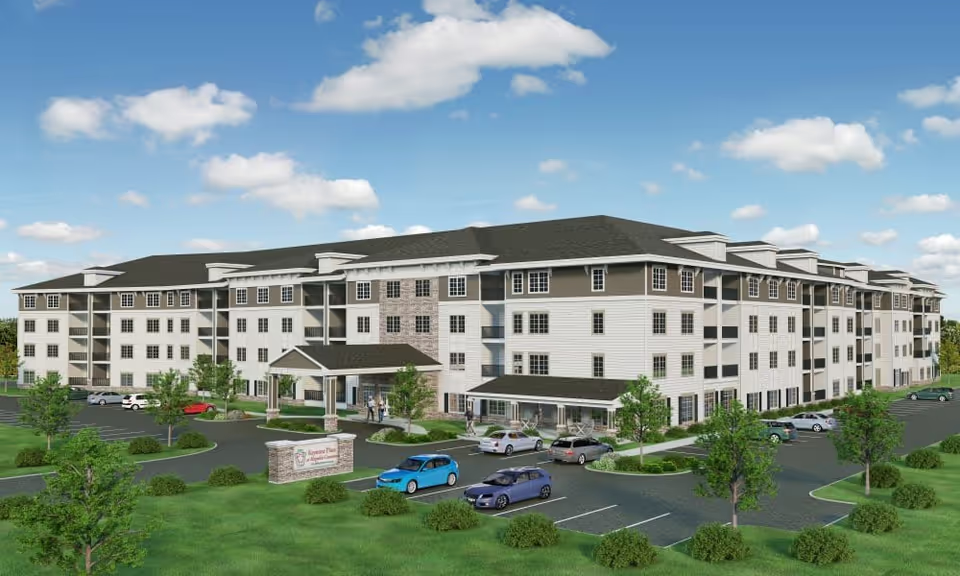
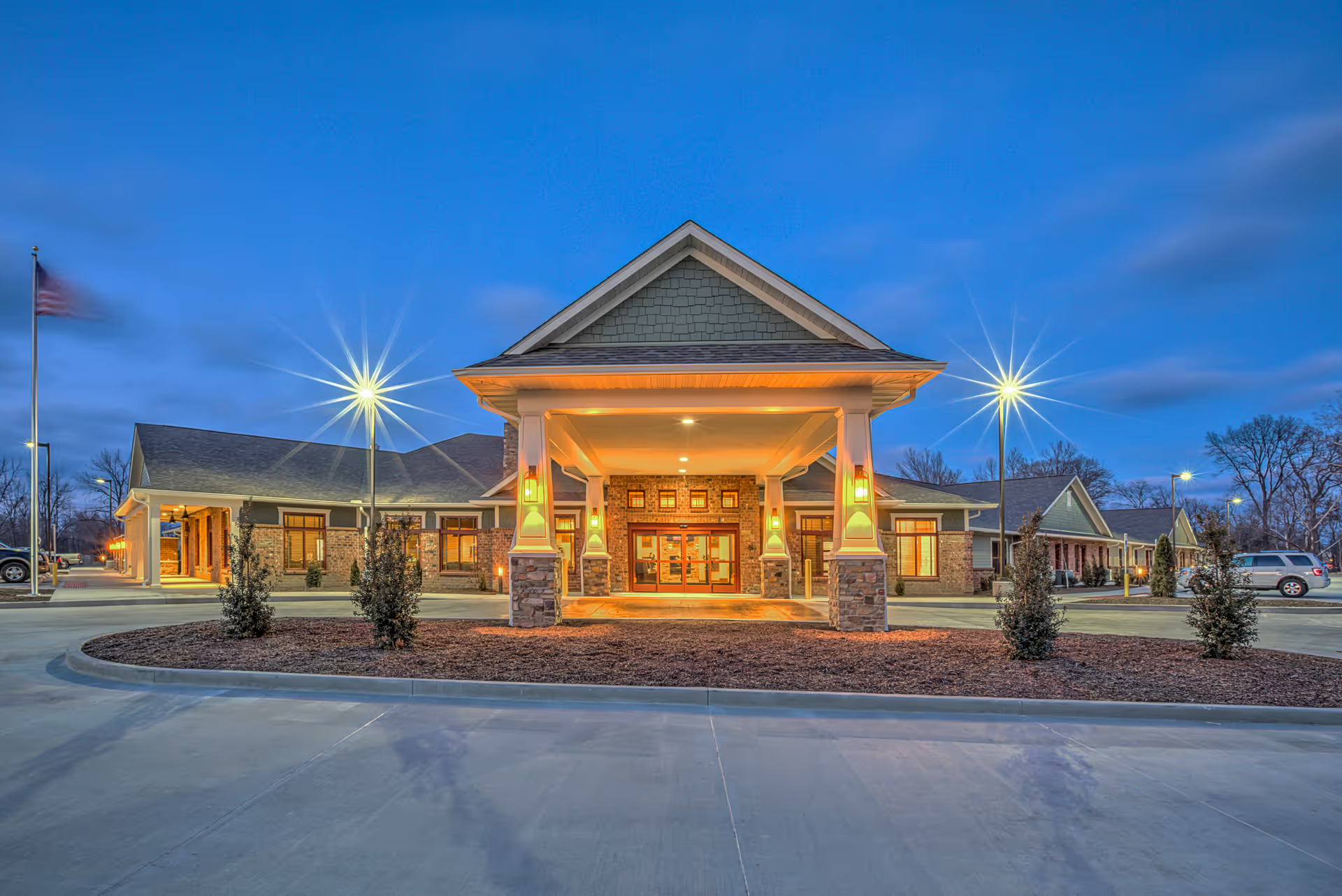
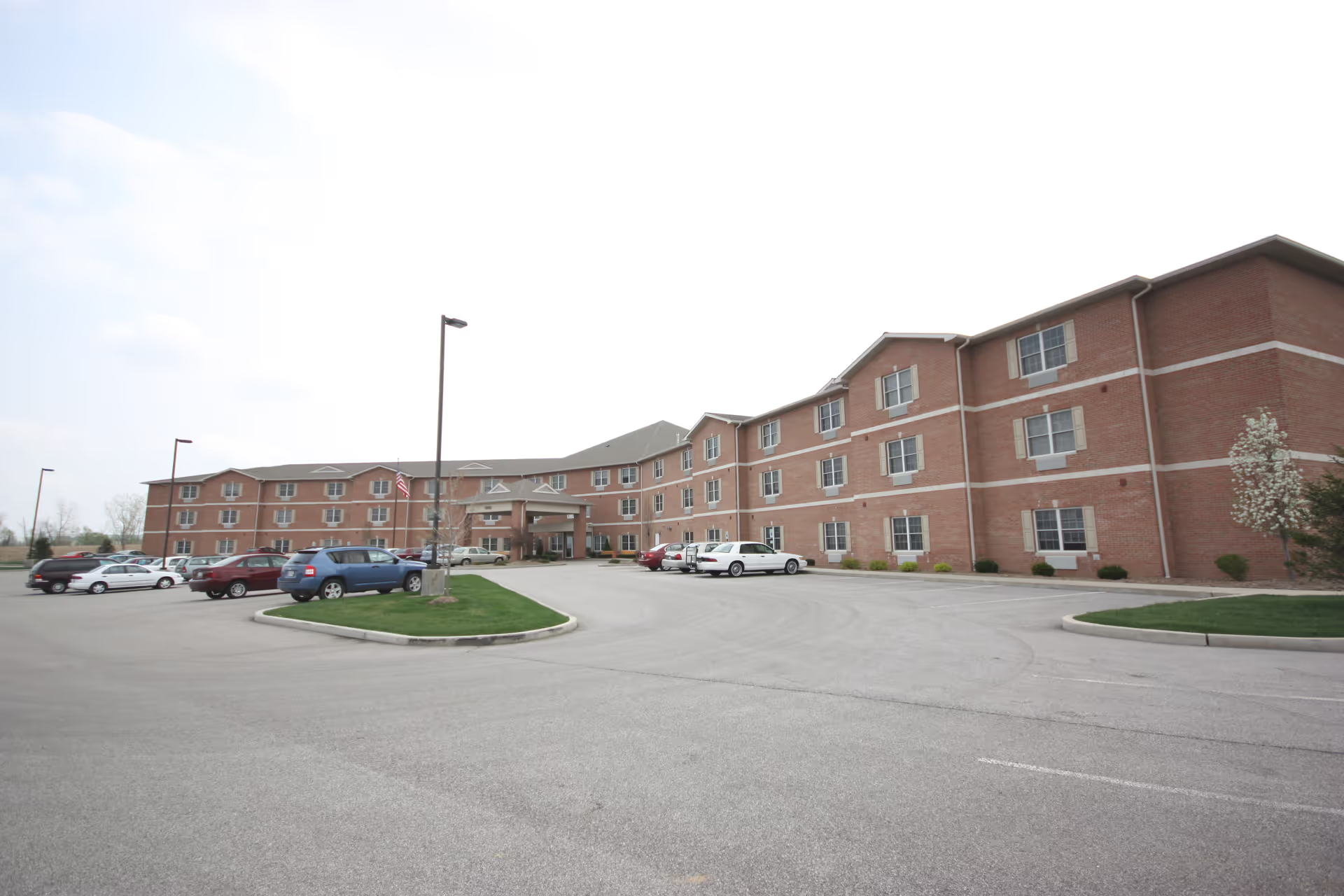
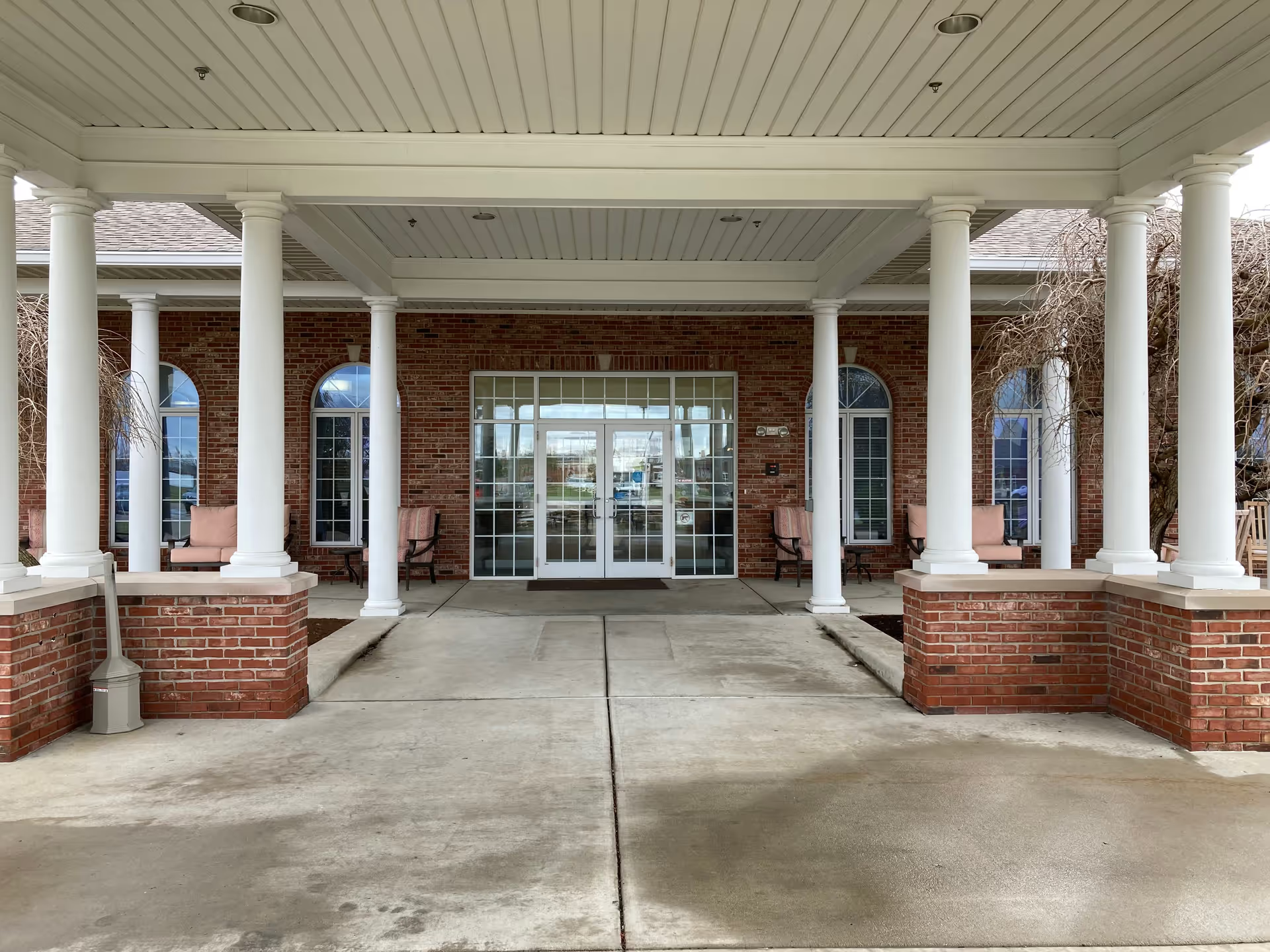
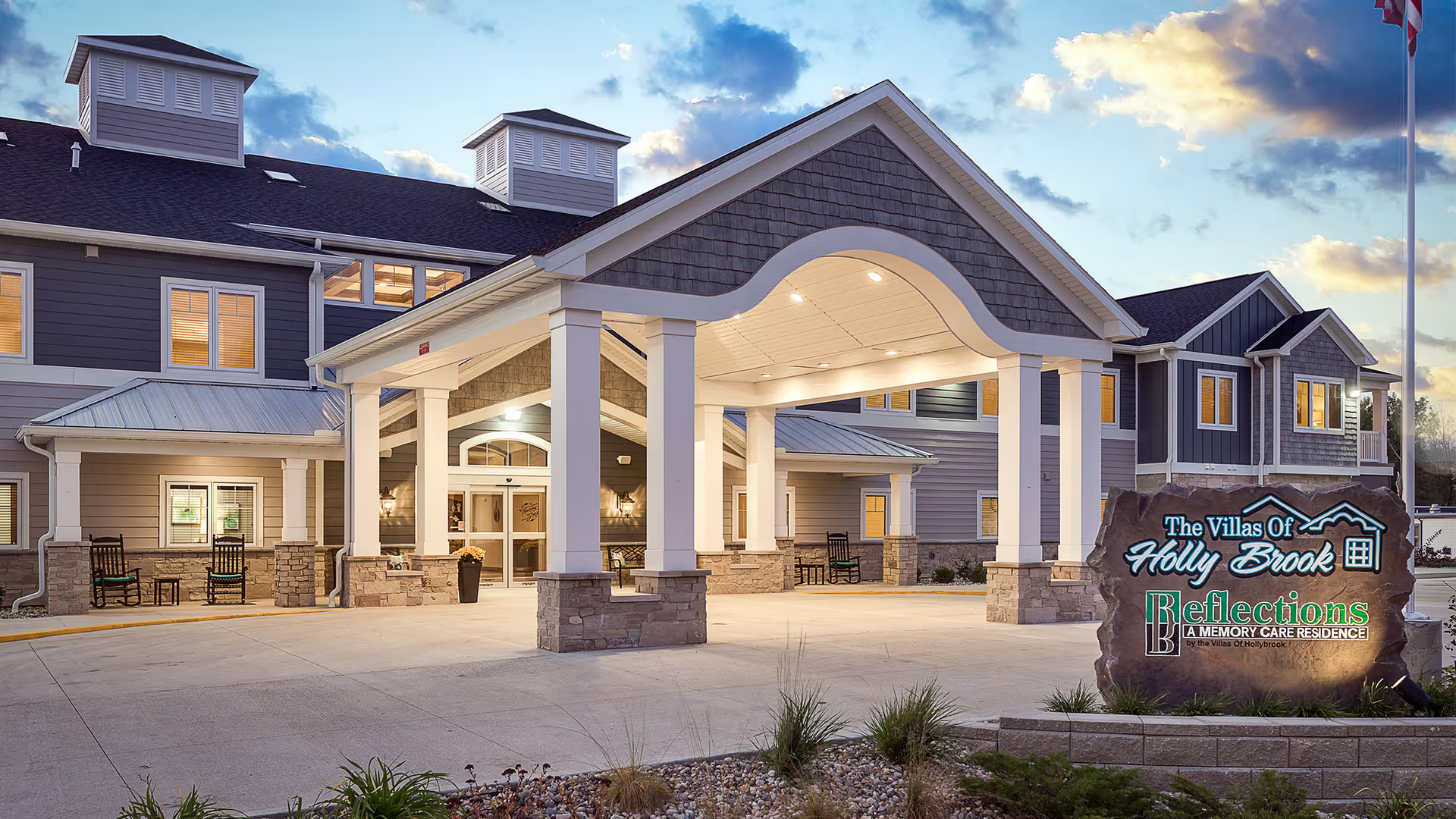
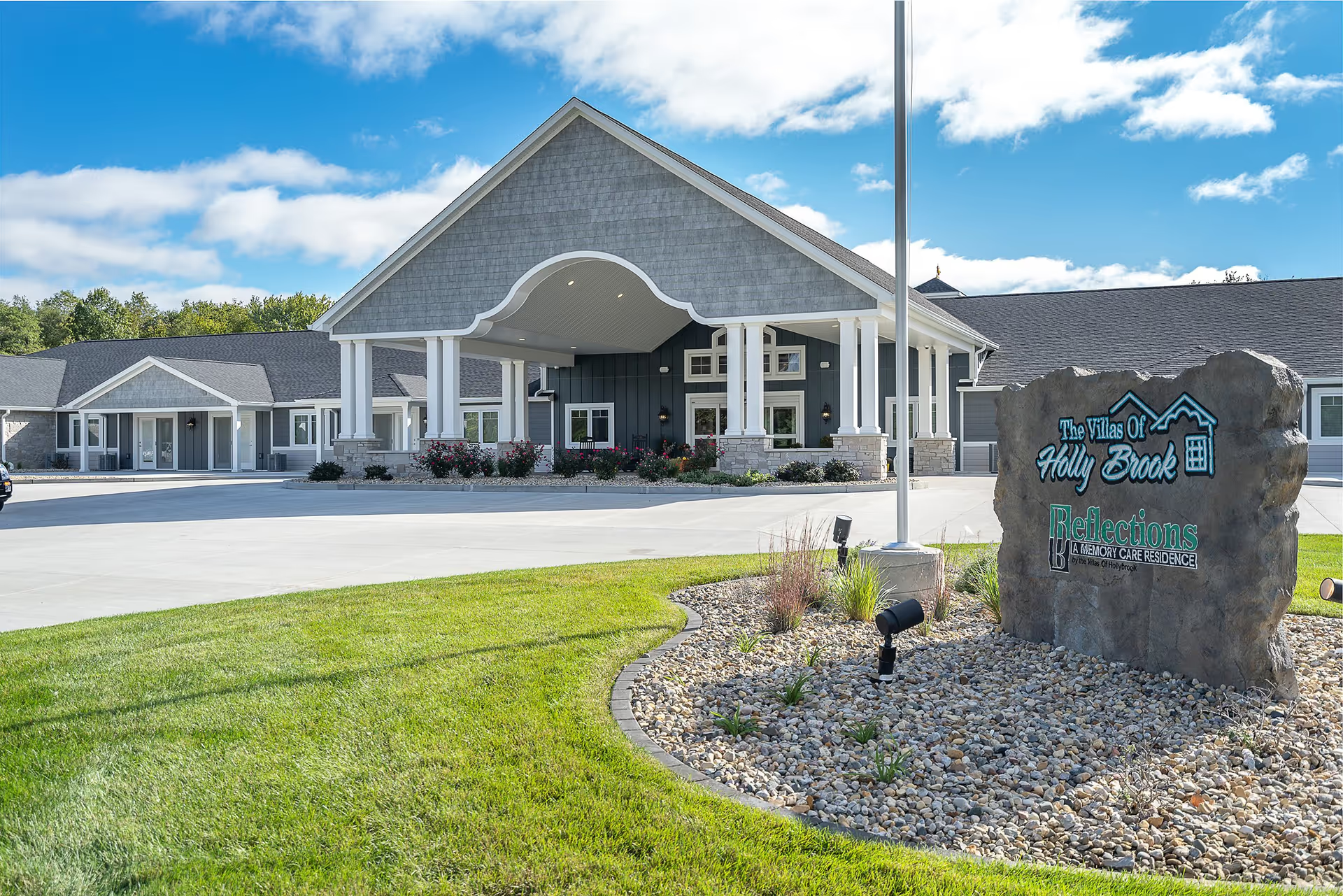
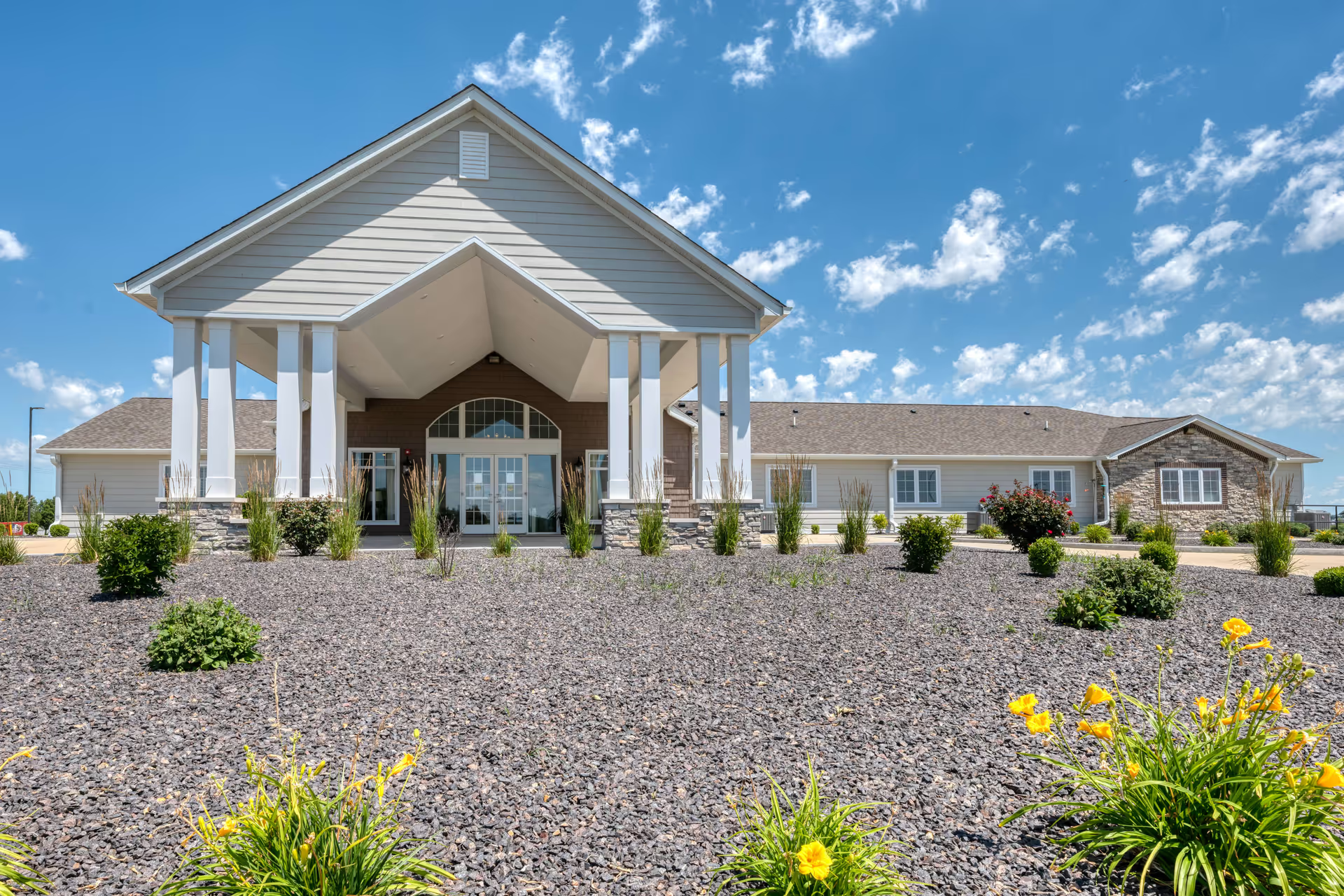
Facilities and amenities present a mixed picture. Residents and families praised the homes and common spaces; sunrooms and communal areas exist and are valued, but access can be limited. The active programming and mobility support contrast with restricted availability of some amenities, suggesting scheduling or allocation practices that may limit residents’ use of preferred spaces.
Management and admissions practices are another area of concern. Statements about sales misrepresentation indicate potential discrepancies between marketing/contractual representations and actual experience. Combined with unclear transport cost policies and variable care consistency, these issues underline a need for clearer pre-admission disclosures and stronger operational oversight.
Overall, the facility offers meaningful social engagement, mobility support, and economical housing, but prospective residents and families should verify clinical coordination processes, staff responsiveness and training, transportation accessibility and cost responsibilities, and amenity access during a tour and in written contract terms. These targeted inquiries can help determine whether the facility’s strengths align with an individual’s care and lifestyle needs.