Reviews present a sharply mixed picture of Aliya of Homewood, with positive experiences alongside recurring concerns about day-to-day care. Some residents and families describe attentive nursing, respectful interactions, consistent updates, and meaningful rehabilitation gains, including improved walking and greater independence after therapy. Others describe delays in assistance with call lights, toileting, bathing, meals, and other daily needs. Several accounts emphasize that care felt more reliable when family members visited frequently and advocated in person, while relatives living at a distance described difficulty reaching staff or receiving updates.
Staff experiences vary considerably. Positive accounts praise individual nurses, aides, social workers, housekeeping staff, and administrators for kindness, practical help, and clear explanations. Social-work support and discharge preparation receive particular praise from some residents. Conversely, other families describe inconsistent bedside attentiveness, unhelpful or brusque communication, unanswered calls, and limited follow-through after concerns were raised. This contrast suggests that families may encounter different levels of service across staff members, shifts, and individual stays.
Rehabilitation is a notable strength in favorable accounts: reviewers describe effective physical and occupational therapy, encouragement, and improved mobility. However, other accounts raise concerns about missed or inconsistent therapy, care that did not appear aligned with medical instructions, and gaps in monitoring or communication when a resident’s condition changed. A number of accounts describe serious clinical deterioration and hospital transfers, including aspiration-related complications, infections, and pressure injuries; some also raise end-of-life care concerns. These are individual accounts, and the reviews alone cannot establish clinical causation.
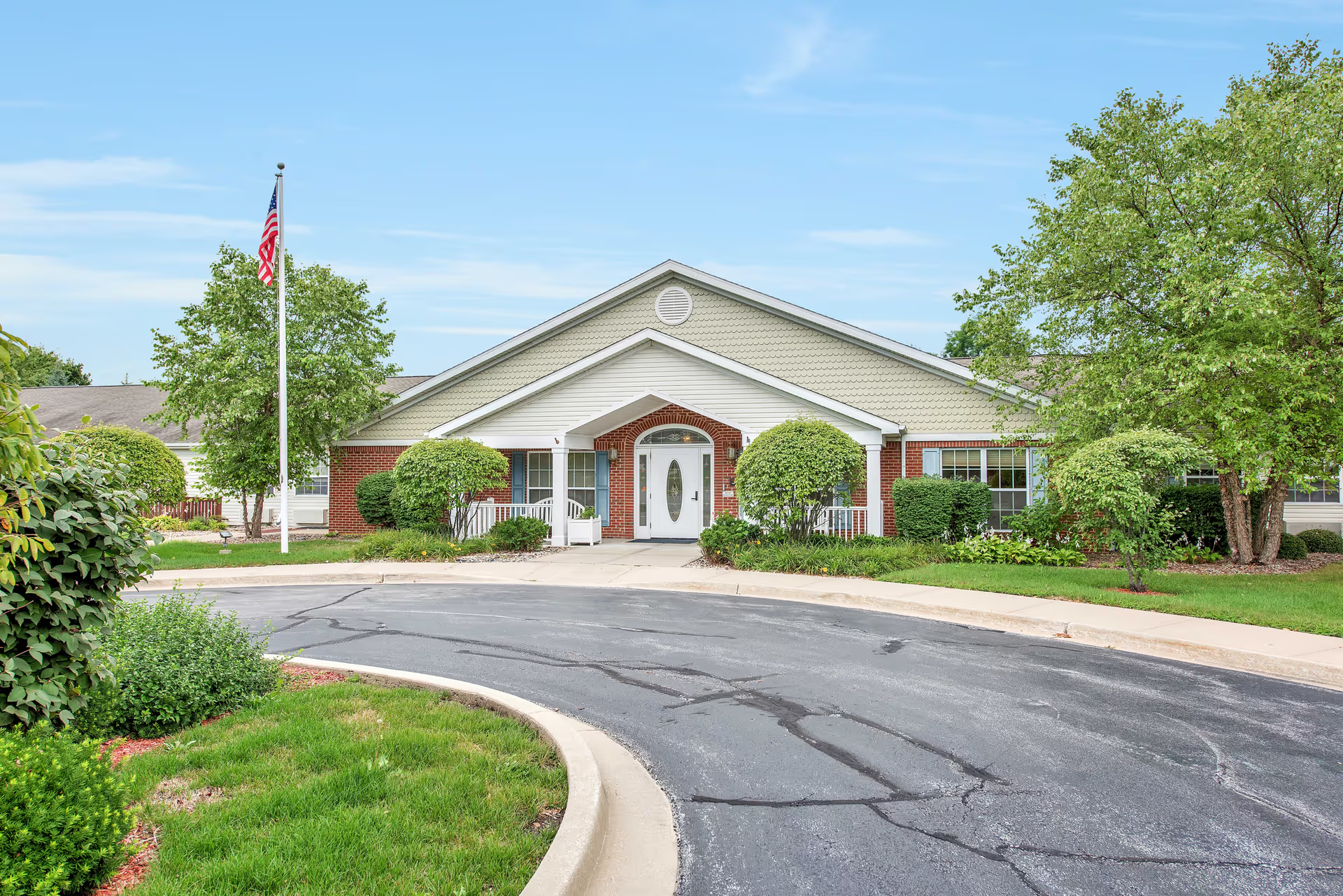
Dining and the physical environment also receive mixed assessments. Some visitors found the building clean, welcoming, and well maintained, and a few residents enjoyed the meals. Other accounts describe inconsistent room cleanliness, odor concerns, outdated furnishings or equipment, maintenance needs, and meals that were unappealing, cold, or not well suited to dietary needs. Activities and social engagement are mentioned positively in some reviews, including organized events and individualized plans, though they are not a prominent theme across the accounts.
Overall, the most consistent concerns involve response times, staffing coverage, personal-care routines, medication processes, communication, and management follow-through. Reviews also describe difficulties with phone access, complaint resolution, personal belongings, and discharge coordination. Because feedback differs substantially—including accounts of strong care and successful rehabilitation as well as accounts of serious service and clinical concerns—prospective residents and families may wish to visit, ask about staffing and escalation procedures, clarify medication and therapy plans, and assess how the facility communicates with families during a stay. Reviews refer to the facility under the names Manor Care, ProMedica, and Aliya, so experiences may span different periods and operating arrangements.