Overall impression: Reviews portray Litchfield Health and Rehab Center as a facility with a consistently warm, person-centered culture and several operational strengths, tempered by recurring service-level inconsistencies. Many families and residents describe staff as kind, respectful, and genuinely invested in resident dignity; named nurses and aides were singled out as assets. Rehabilitation services and therapy are frequently cited as effective, with successful discharges back home noted. Admissions and social-services coordination are described as proactive and helpful, which supports smoother transitions.
Care and staff: Staff behavior and interpersonal conduct are strong selling points. Reviewers emphasize compassionate caregiving, attentive listening, and a personable approach from nurses, aides, and therapists. Several accounts highlight individual staff members who go beyond routine duties and foster a family-like environment. At the same time, a pattern of operational strain emerges: understaffing and long waits for routine assistance are recurring themes, and a subset of reviewers described instances of repeated mistakes or delayed attention. Communication responsiveness—especially phone contact and timely updates—was also described as uneven.
Dining and activities: Dining receives generally favorable comments; many residents enjoyed meals and specific offerings (tasty cookies were mentioned), and admission staff received praise for supporting nutrition-related transitions. However, there is variability in meal presentation and perceived food quality for some guests. Activity programming is an active part of life at the center, with regular events (bingo, social activities) and usable outdoor spaces like a courtyard that residents enjoy. The facility’s environment is described as home-like and socially encouraging.
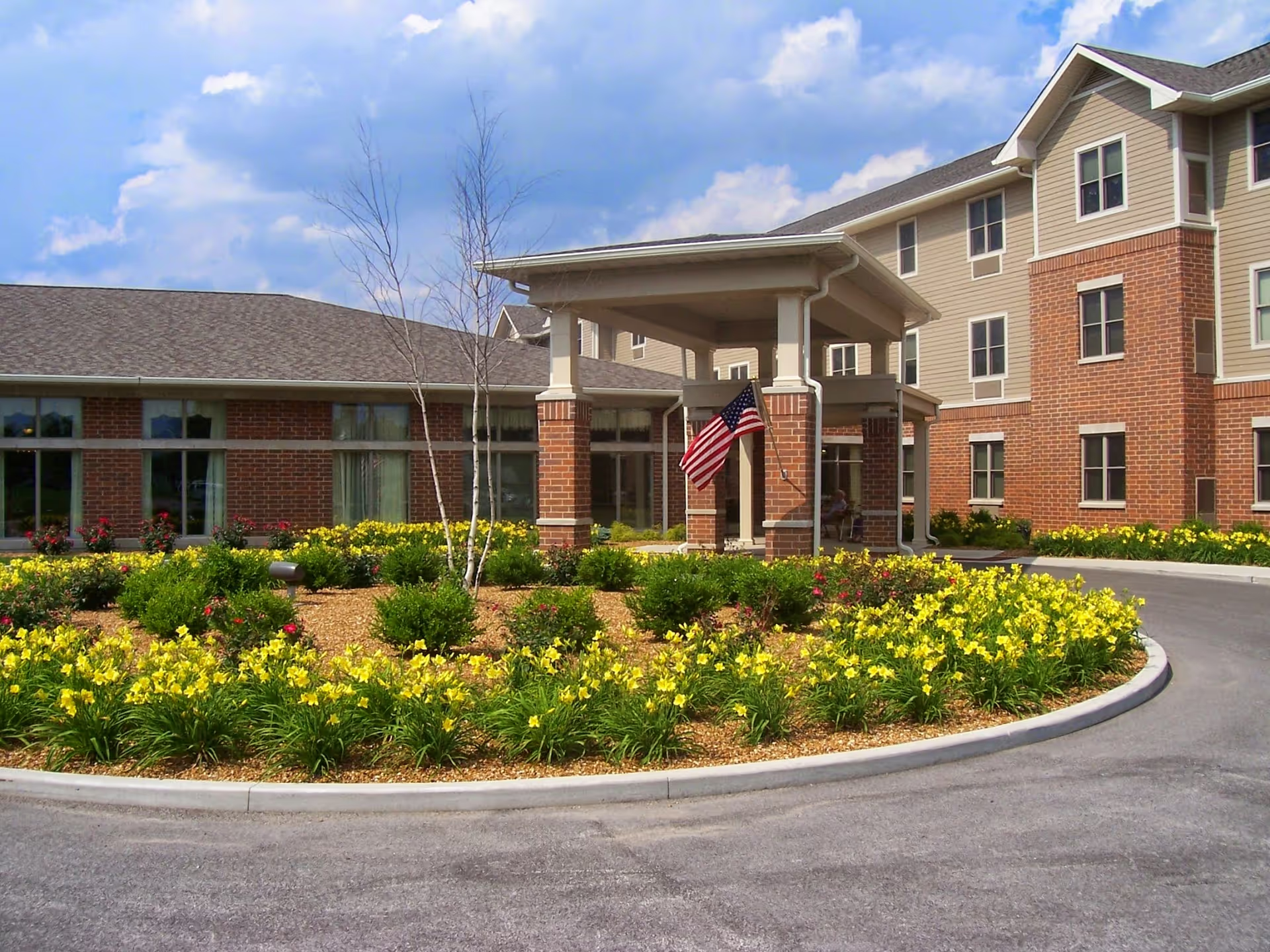
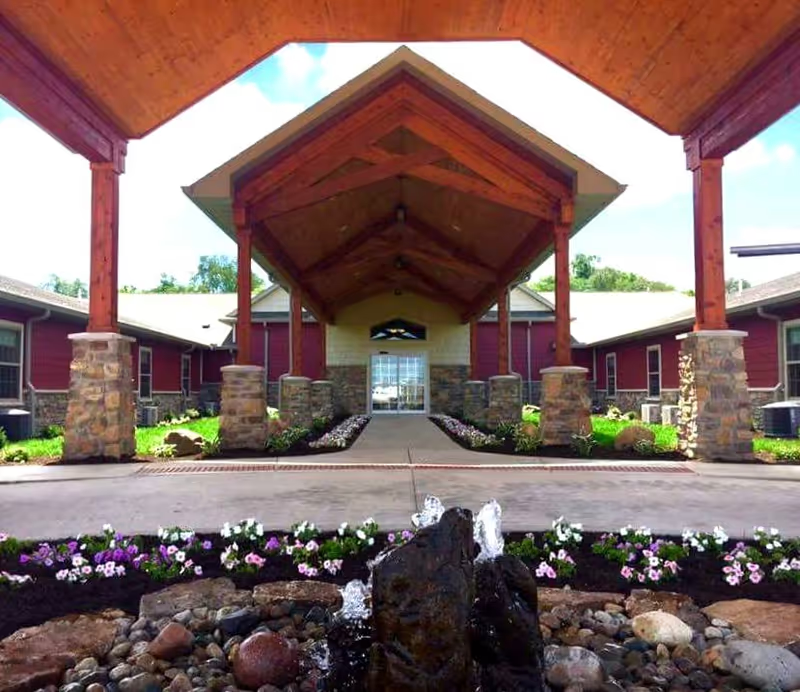
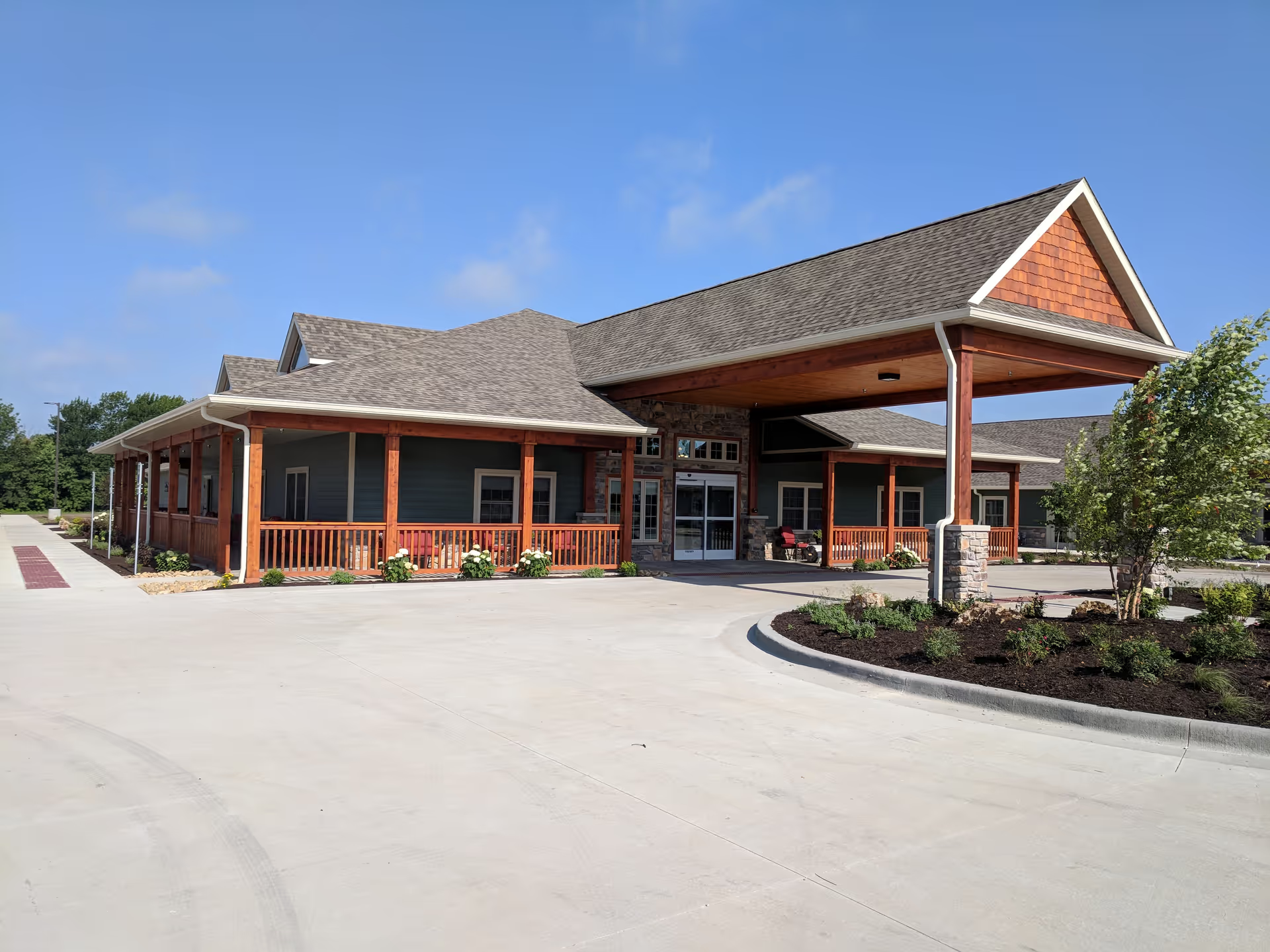
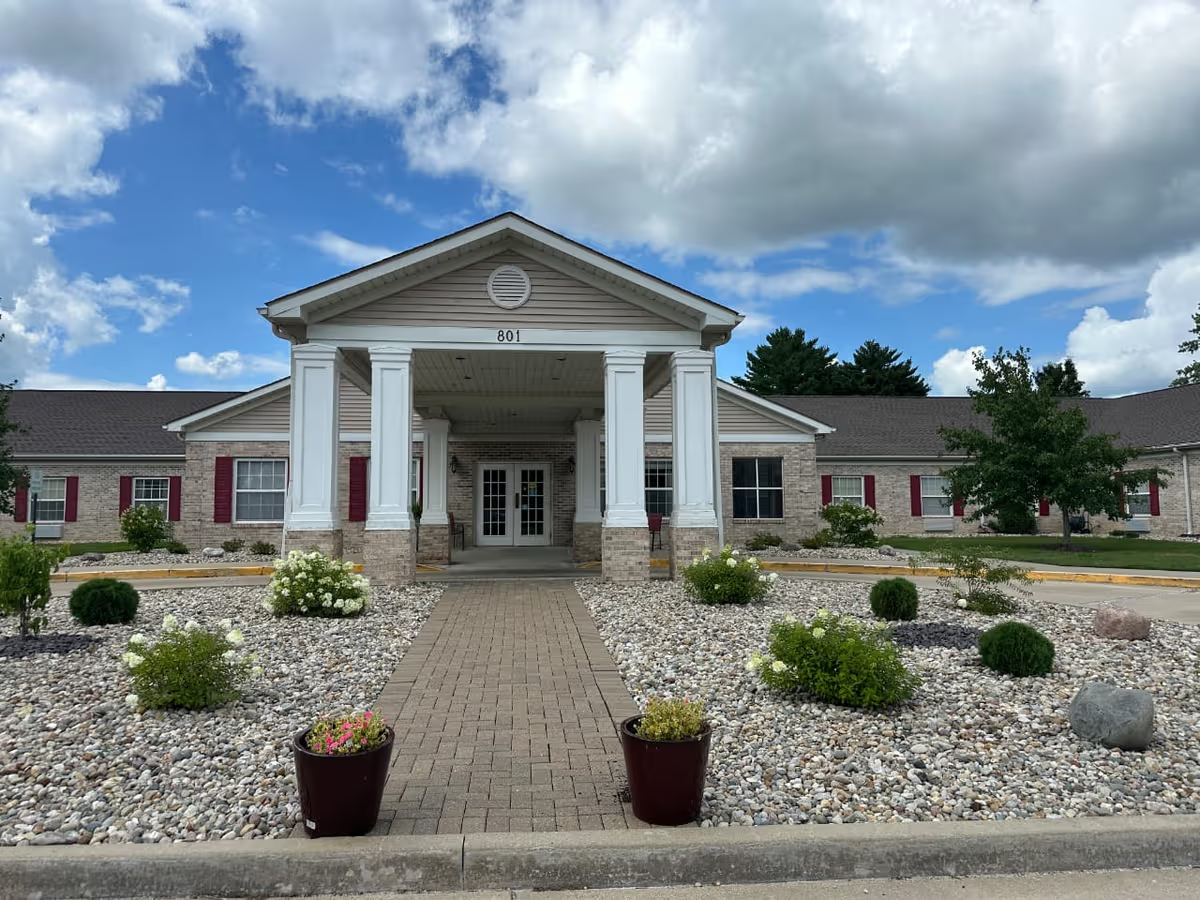
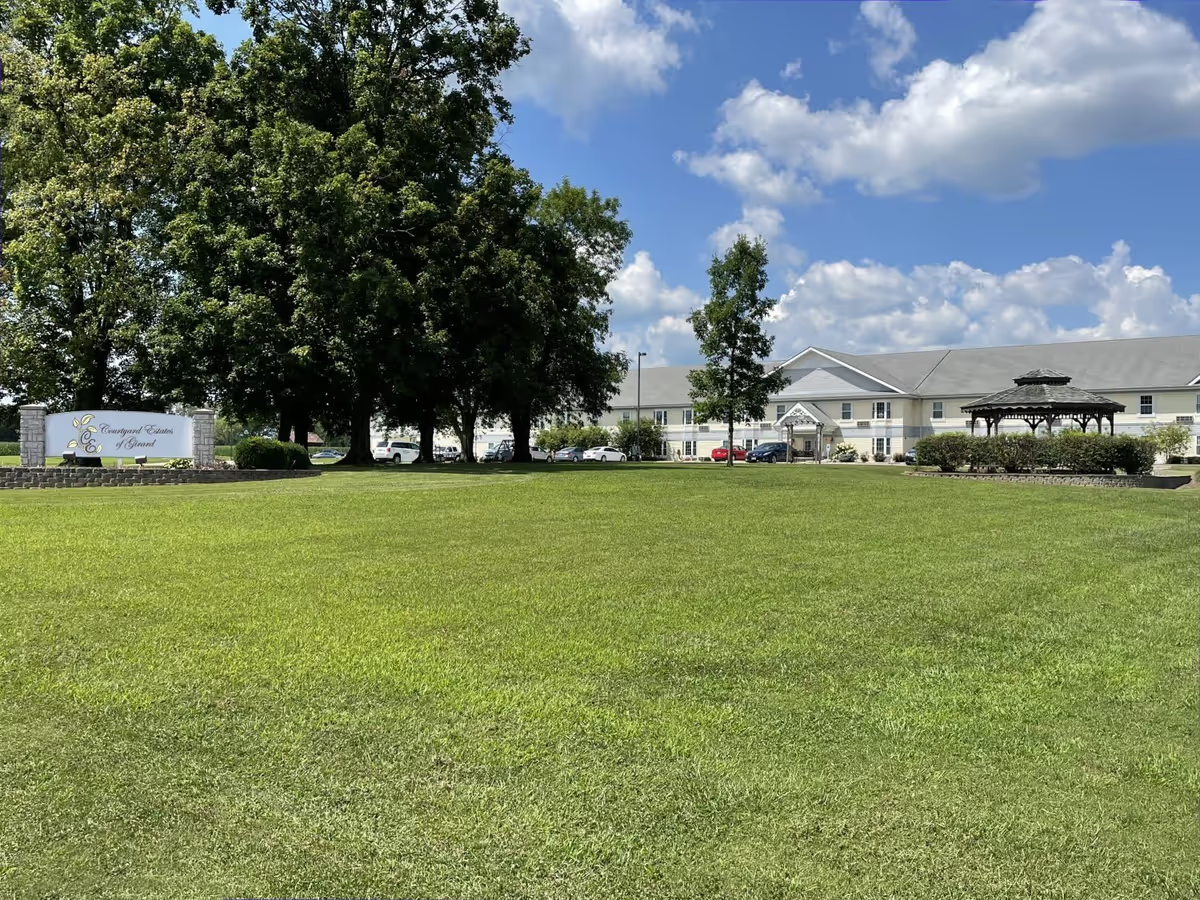
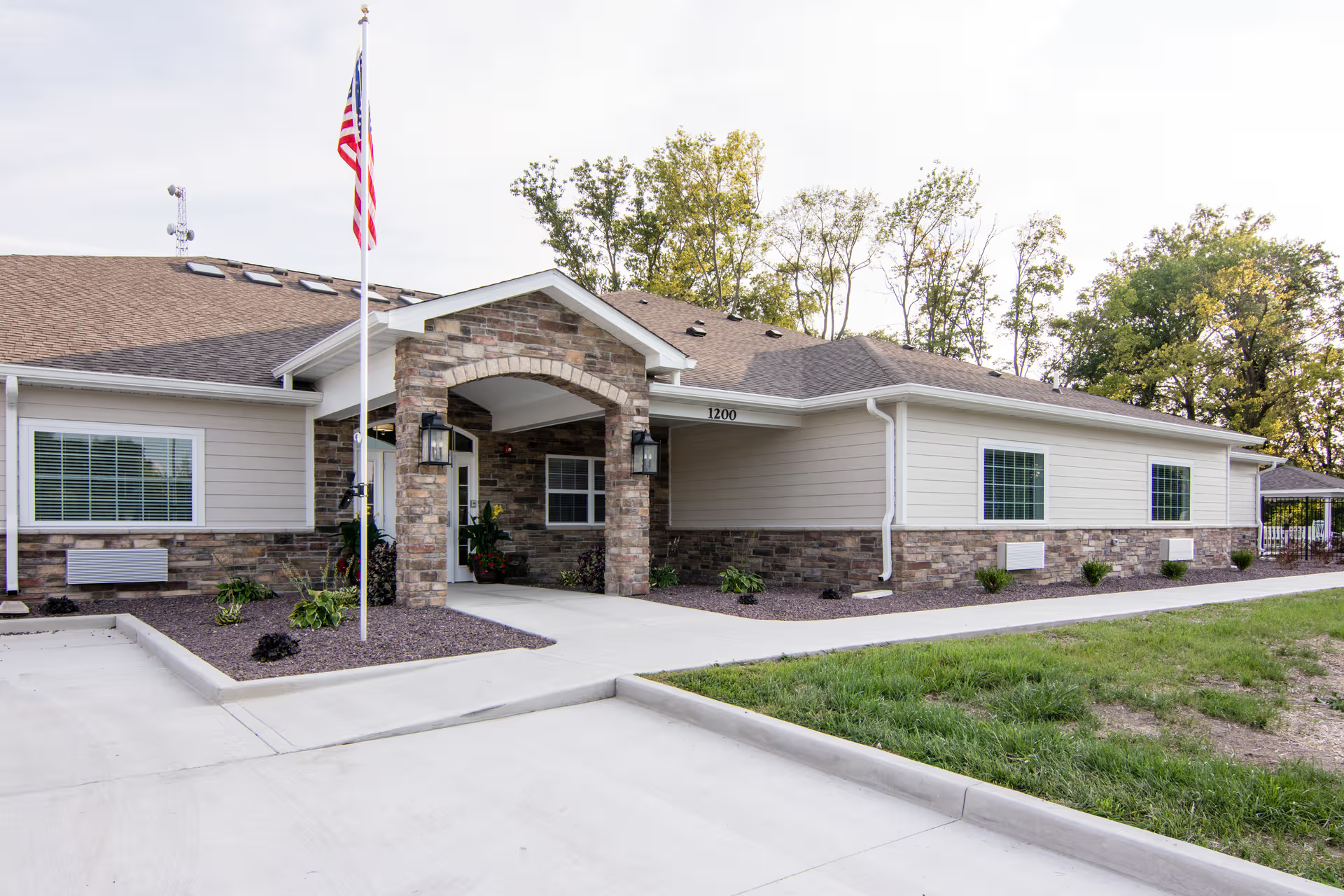
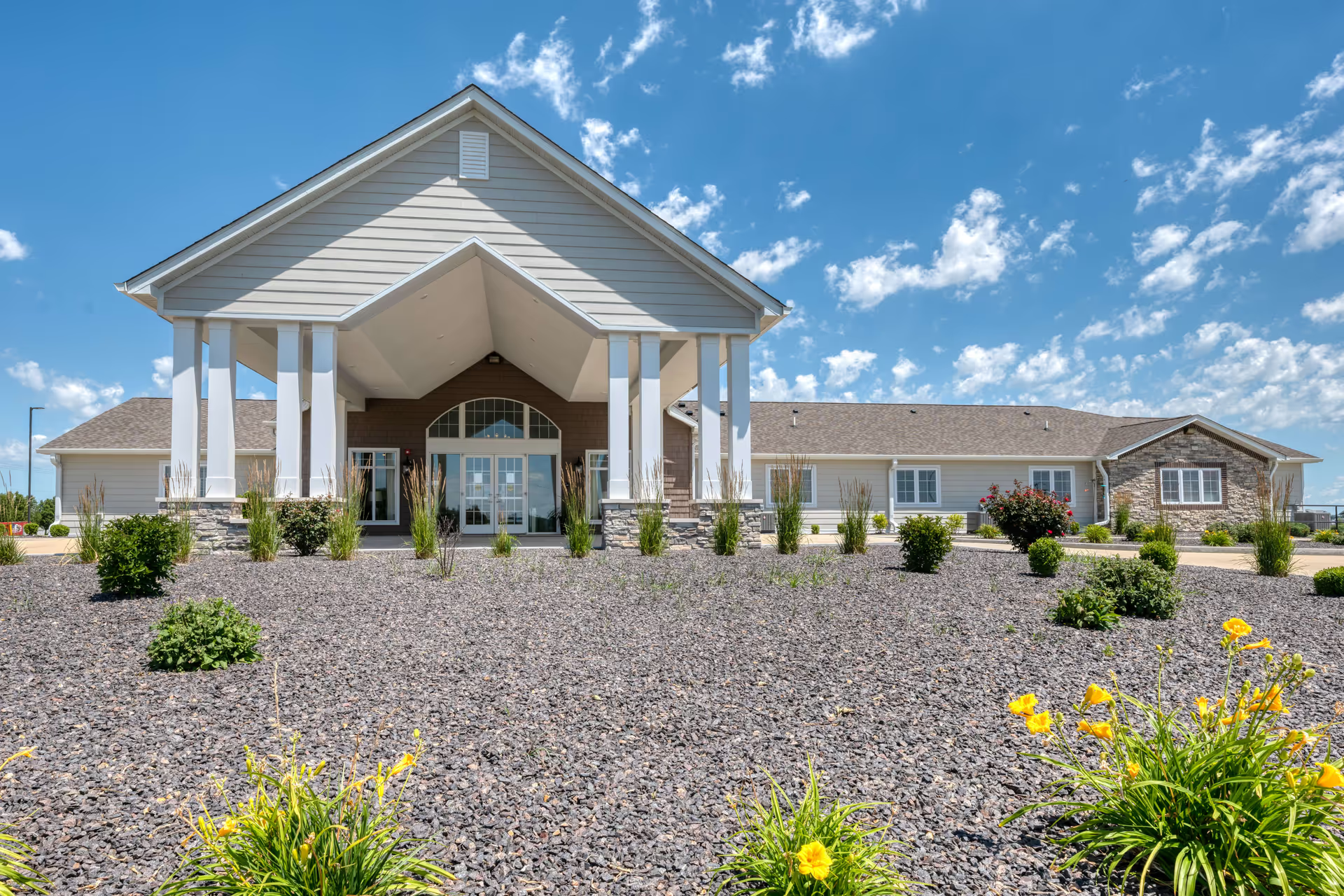
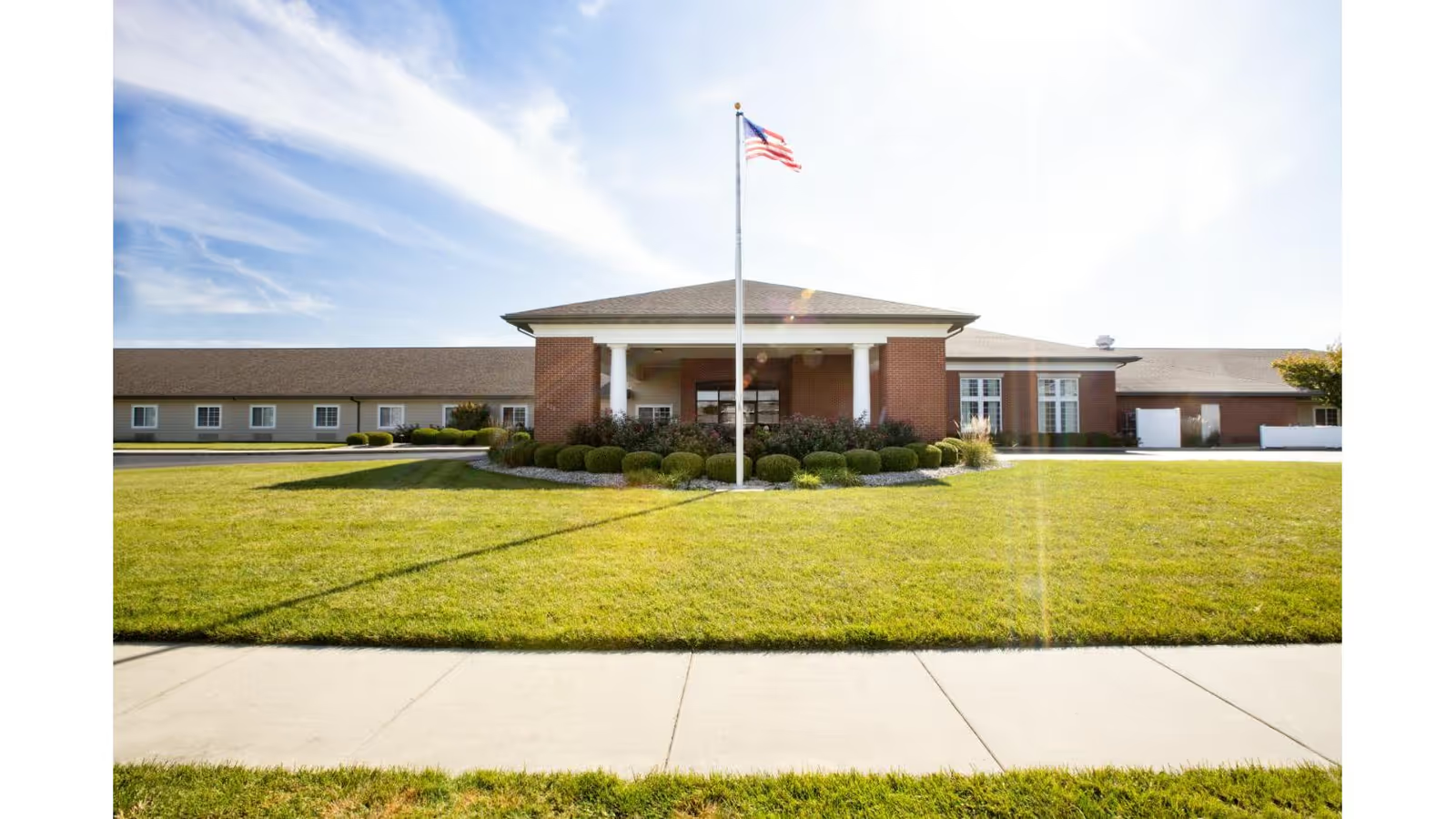
Facilities and cleanliness: Physical spaces are described as pleasant: clean rooms, outdoor access, and a well-maintained courtyard were repeatedly noted. Reviewers also suggested opportunities for improvement in housekeeping frequency and some localized cleanliness consistency. Overall there were positive comments about the absence of strong odors and the pleasantness of common areas, but a few comments indicate the facility would benefit from more regular cleaning attention in specific areas.
Management and notable patterns: Leadership and specific clinical staff (including a newly mentioned physician) received positive endorsements, and social services/admissions staff are viewed as helpful in coordinating care and transitions. The dominant pattern is a facility with strong relational care and effective rehab services, combined with operational pressures that manifest as inconsistent staffing, communication gaps, variable meal presentation, and occasional care-quality lapses. Prospective residents and families may find the facility’s strengths in compassionate staff and therapy services compelling, but should proactively ask about current staffing levels, housekeeping schedules, meal menus and presentation, and the facility’s communication practices during visits to ensure those operational aspects meet their expectations.